Summary
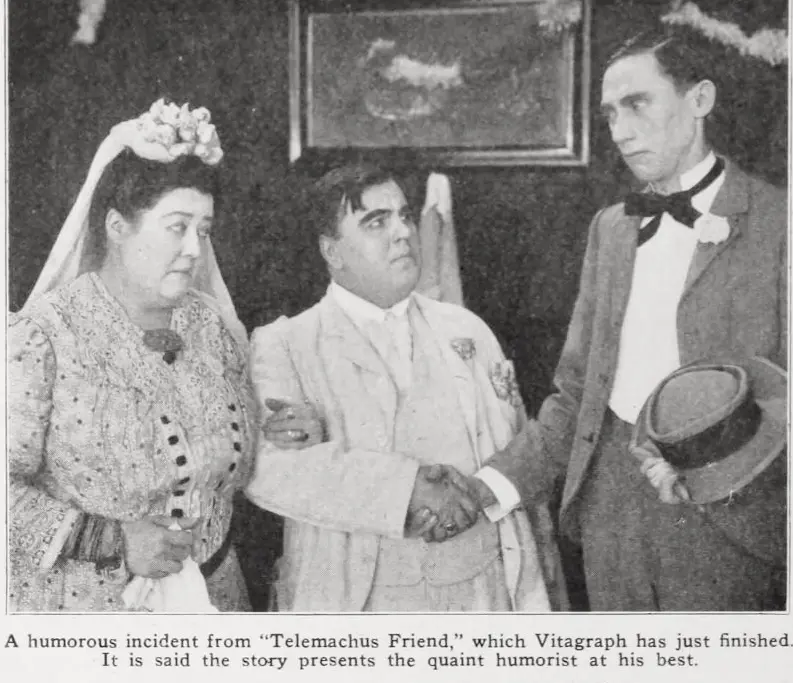
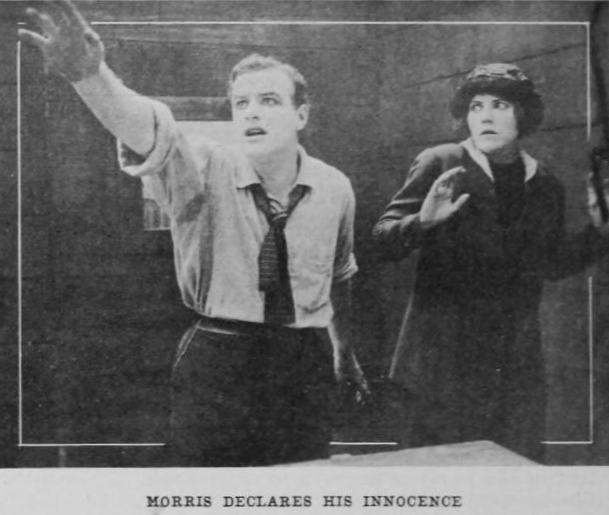
In a gas-lit metropolis whose avenues curl like smoke around penny arcades and pawnshop cathedrals, Telemachus—an undersized, over-imaginative street-corner philosopher—peddles dime verses for nickel suppers while nursing a single, quixotic conviction: that somewhere amid the clang of elevated rails and the hiss of cheap coffee urns there exists a symmetrical soul whose heartbeat will echo his own. Into this brittle cosmology crashes a traveling carnival—its canvas pennants the color of bruised peaches—bearing Kate Price’s enigmatic dancer, a woman whose every pirouette seems to erase a debt the world insists she owes. Between the flicker of kinetoscope parlor and the glare of a police-station bullseye, the film choreographs a three-night pas de deux of cons and confessions: Jay Morley’s Telemachus steals a pocket watch that ticks backward, barters it for a single rose, then bets the rose on a fixed shell game; the dancer, meanwhile, trades her last pair of silk shoes for a forged letter of introduction, only to discover the letter is addressed to the very poet who has been tailing her like a moonstruck shadow. When dawn bleeds through the tent seams, the pair ascend a Ferris wheel that has not moved in years; in that rusted gondola they draft a manifesto of mutual rescue—penciled on the back of a eviction notice—promising to meet one year hence beneath the pier’s rotting timbers, each armed with enough honest coin to buy two tickets westward. The intervening months unspool in a montage of thwarted resurrections: Telemachus graduates from busking to typesetting, only to discover his own verses used as fish-wrapper; the dancer signs with a nickelodeon circuit, then burns her contract to stay warm during a blizzard that buries the boardwalk. On the appointed night, a nor’easter lashes the pier; the wheel, now turning again, flings copper-colored sparks against the sky. One shows; the other, drenched and clutching a suitcase full of unsold chapbooks, arrives too late. Yet the film refuses tragedy: in the final iris-in, the survivor pockets the abandoned suitcase, walks into the surf, and launches the books like paper boats—each page stamped with a new address where replies, if forwarded, might still find their mark. The screen fades not on separation but on the possibility of redirection, a postal miracle in which even undeliverable longing can be rerouted toward some gentler elsewhere.
Review Excerpt
"
Spoiler-rich excavation of a film that refuses to stay buried.
There is a moment—roughly seventeen minutes in, just after the nickelodeon’s pianist switches from ragtime to a halting waltz—when Jay Morley’s Telemachus tilts his fedora so that the brim slices the klieg light into a perfect half-moon. The gesture lasts three seconds, maybe four, yet it detonates an avalanche of private mythologies: here is a man who believes geometry can be generous, that a circle might be coaxed into surrender..."