Summary
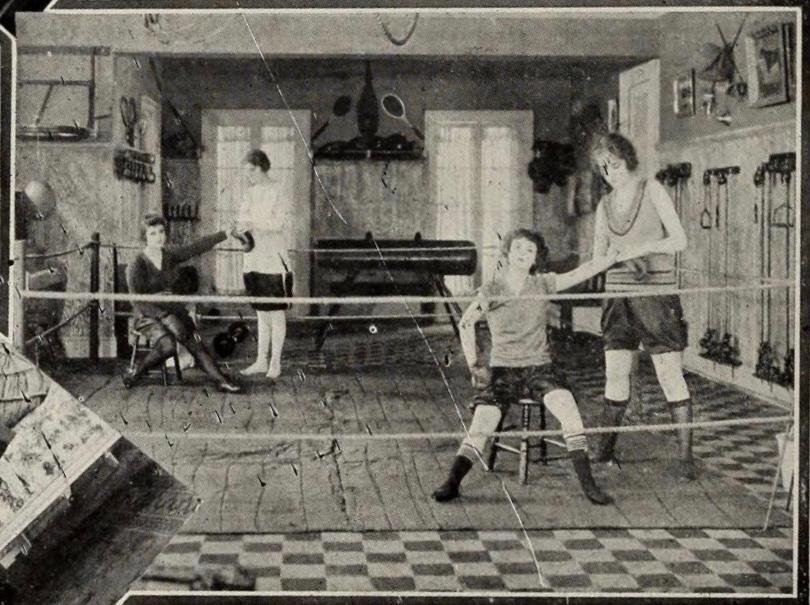
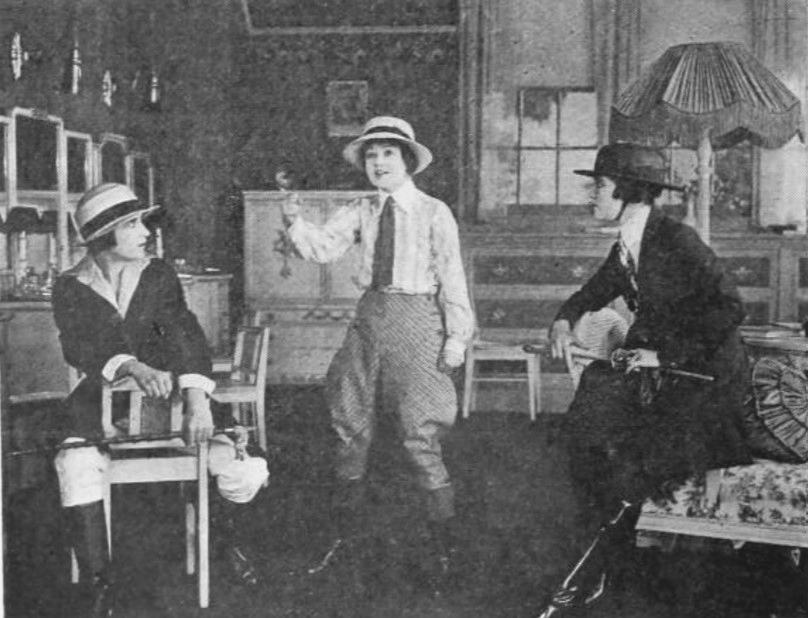
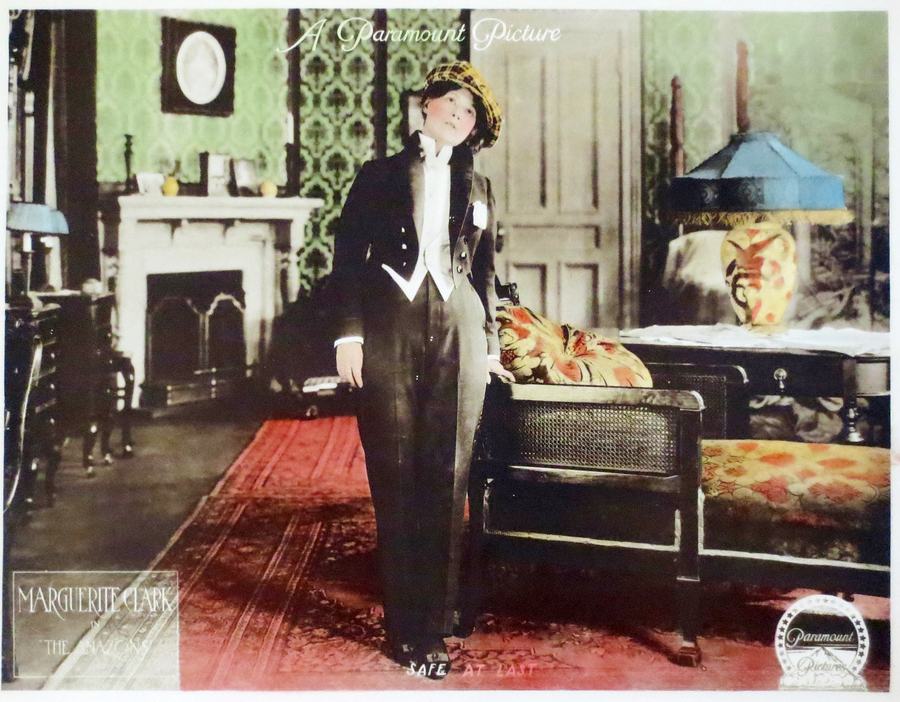
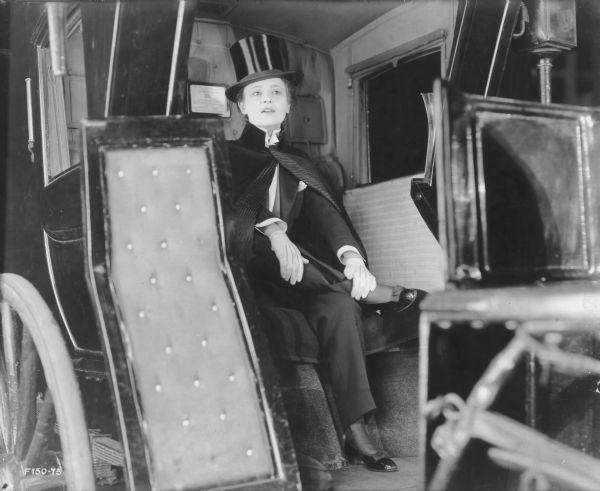
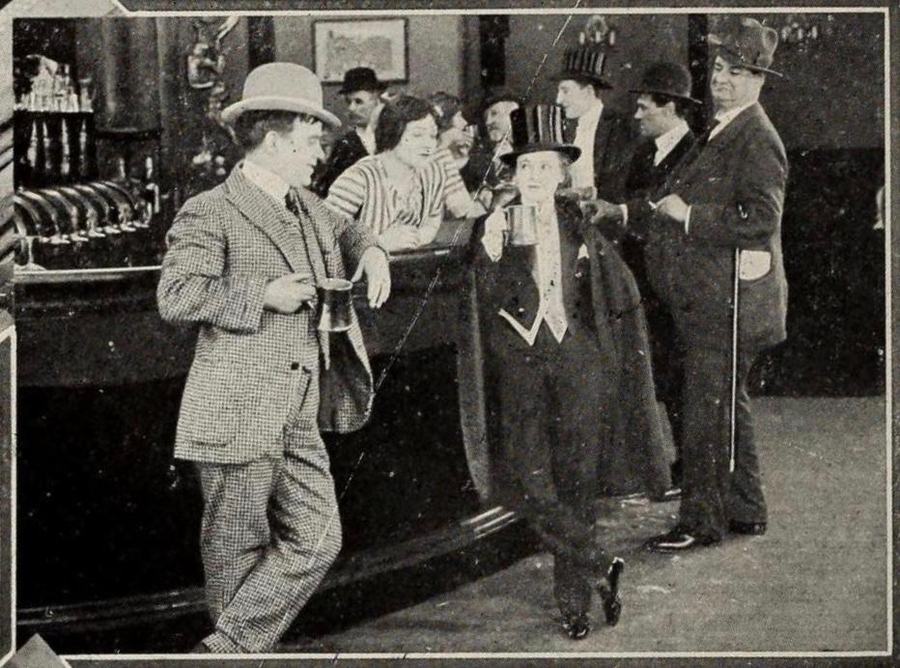
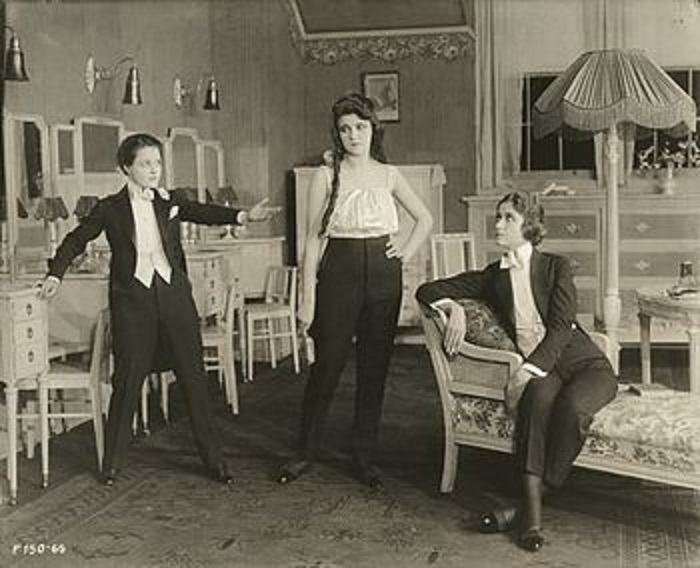
In a crumbling manor on the Suffolk coast, three siblings—christened sons by a barren general who craved male heirs—stride through drawing-rooms in starched collars, their breasts bound, their laughter brittle. The patriarch is long dead, yet his ghost lingers in the sabres above the hearth, in the smoking jackets that still hang like hollow skins. Eldest Anthea, blade-slender, polishes the cavalry spurs she will never wear in battle; middle Lysandra, pocket-watch ticking against her corseted ribs, quotes Latin to men who only hear a treble they deem brilliant; youngest Thalia, all fleet ankles and dangerous curiosity, pirouettes across the croquet lawn in trousers she has stolen from the gardener’s boy. Each dusk they rehearse manhood as if it were a murder-mystery: who will unmask them first, and at what cost? A bankrupt cousin arrives to sell the estate, bringing with him a monocled fiancé, a scandal-sheet journalist, and a trunk of Parisian gowns the color of bruises. One transformative night of champagne, moonlit sea-caves, and a bloodied cufflink later, the triad must decide whether to keep performing the lie that has kept them safe—or to slit it open like a silk purse and watch the gold spill. Pinero’s stage-dialogue, sharpened by Frances Marion into flickering inter-titles, becomes a stroboscope of desires: the right to sign a cheque, to court a woman without becoming a laughing-stock, to weep without being called hysterical. The camera, drunk on salt-spray and whale-oil lamps, lingers on jawlines that might be smooth or stubbled depending on the angle of the arc-light. When the final shot freezes on Anthea’s face—half in bridal veil, half in cadet’s cap—the iris closes not on tragedy or triumph but on a question mark scorched into the nitrate: how many genders can fit inside a single soul before it combusts?
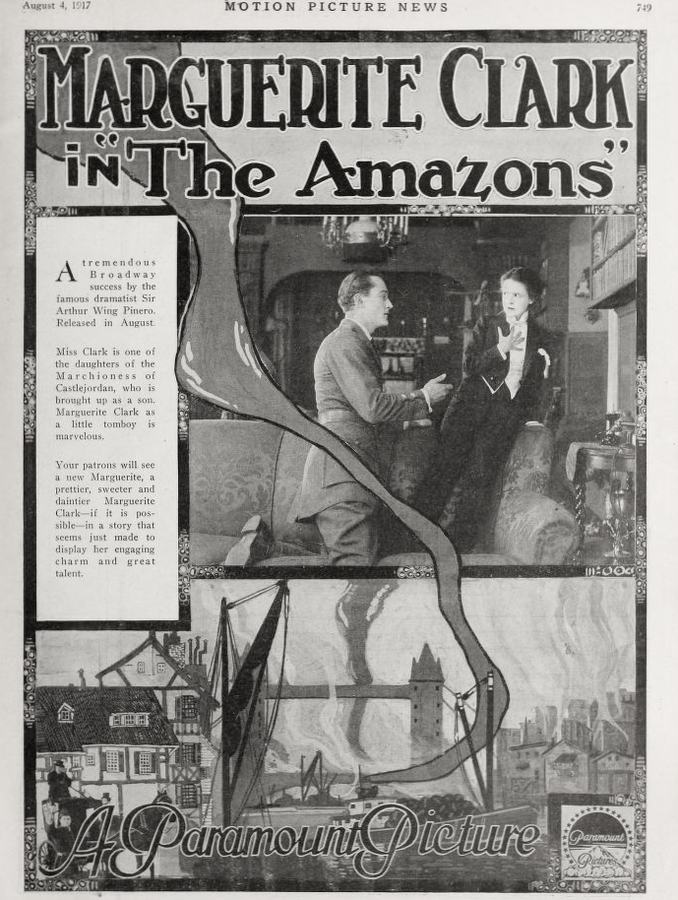
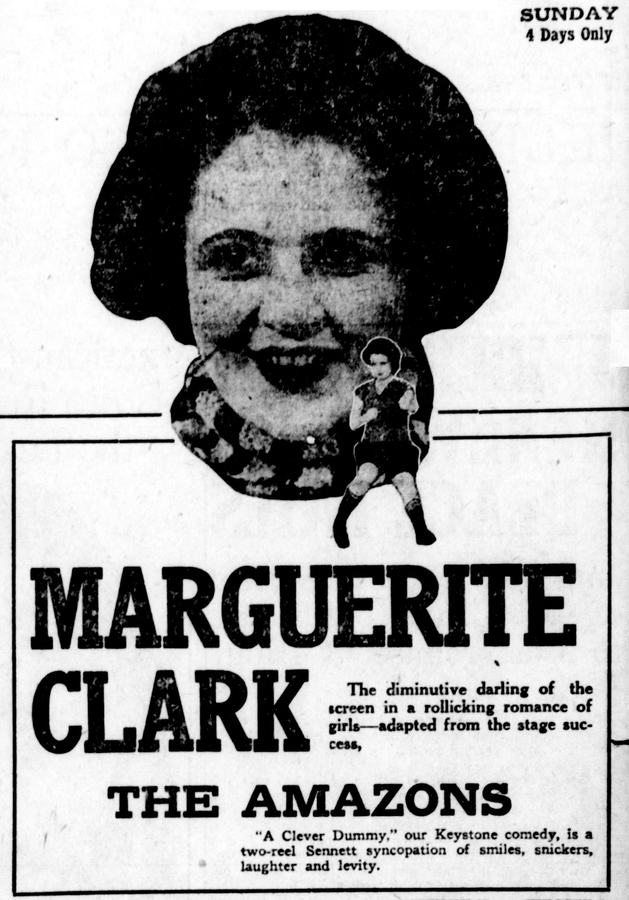
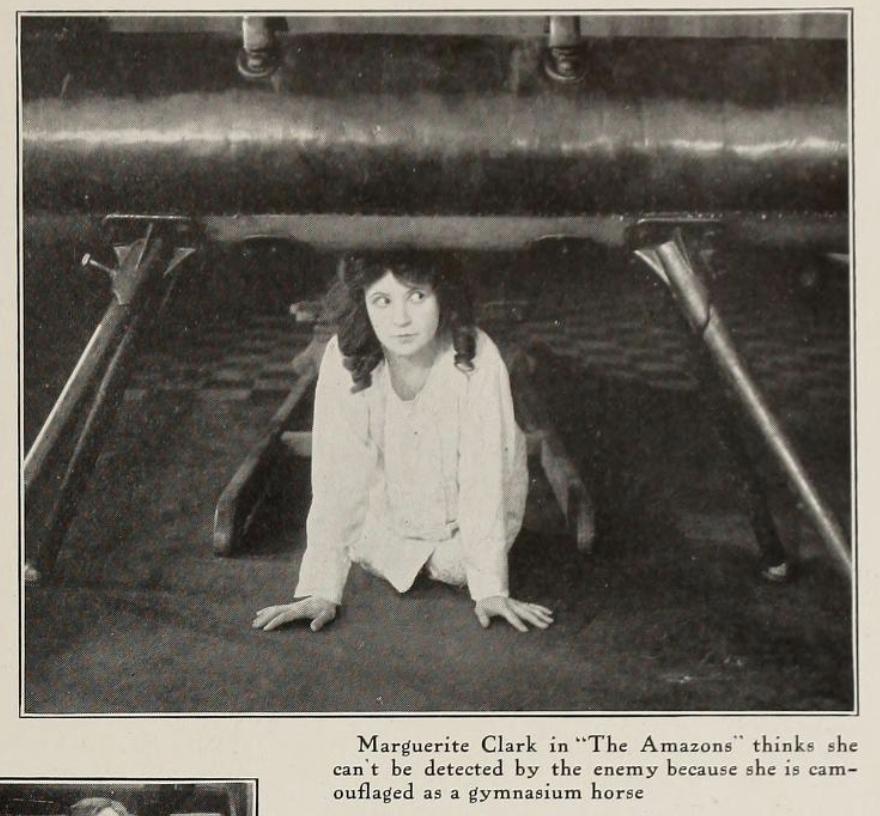
Three sisters, all raised as boys, have trouble fitting into male-dominated society.
Review Excerpt
"
Silence, spectators: the reels are humming, and the 20th century is about to fracture.
We open on a wind-lashed terrace where top-hauled clouds scud across the screen like guilty thoughts. Helen Greene—her gaze a bayonet—looms in medium-close-up, the grain of the 1917 stock freckling her cheekbones with meteor-showers of silver. She is Anthea, the eldest, the one who learned to shave with a cut-throat razor before peach-fuzz ever kissed her chin. Notice how cinematographer William Marshall sid..."