DbcultAccessing Vault...
6/10
Senior Film Conservator
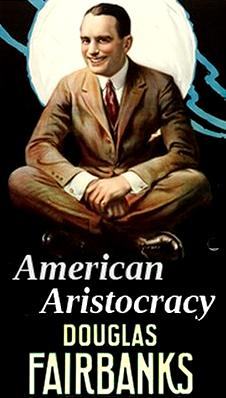
A definitive 6/10 rating for a film that redefined the boundaries of cult cinema. American Aristocracy remains a cornerstone of transgressive art.
Stepping back into the flickering glow of the early 20th century, one encounters films that, despite their age and the absence of spoken dialogue, resonate with an astonishing vitality. Among these cinematic treasures, 1916's American Aristocracy stands as a testament to the power of pure storytelling, a thrilling confection of adventure, romance, and social commentary, masterfully delivered by the inimitable Douglas Fairbanks. Directed by Lloyd Ingraham, this film captures Fairbanks in his nascent stardom, already embodying the athletic charisma and buoyant optimism that would define his legendary career. It’s a fascinating glimpse into the formative years of a Hollywood icon, showcasing his early prowess in crafting dynamic, relatable heroes.
The narrative, penned by the prolific and sharp-witted Anita Loos, is deceptively simple yet profoundly effective: a young man, embodying the quintessential American spirit of enterprise and self-reliance, finds himself embroiled in a dual quest. He must dismantle the nefarious operations of a piratical arms smuggler, a shadowy figure representing the antithesis of societal order, while simultaneously striving to win the affections of a wealthy industrialist's daughter. This dual challenge – one physical and dangerous, the other social and emotionally intricate – provides a fertile ground for Fairbanks' unique blend of derring-do and charm. Loos, known for her keen observations of human nature and ability to craft engaging plots, imbues the screenplay with a brisk pace and clear character motivations, ensuring that even without spoken words, the audience is fully invested in the protagonist's journey.
Douglas Fairbanks, even in these early roles, possessed an almost palpable magnetism. His portrayal of the unnamed young man in American Aristocracy is a blueprint for the swashbuckling heroes he would later perfect. He is not merely a strongman; he is agile, quick-witted, and possesses an infectious optimism that makes his struggles all the more compelling. Fairbanks' physical performance is, as always, a marvel. He leaps, climbs, and fights with an acrobatic grace that was revolutionary for its time, creating a cinematic language of action that captivated audiences worldwide. His expressive face conveys a gamut of emotions, from determined resolve to tender affection, making the lack of dialogue a negligible impediment to understanding his character's inner world.
The film’s title itself, American Aristocracy, hints at a deeper thematic undercurrent. It's not just about a rich man's daughter; it's about the clash between old-world notions of inherited status and the burgeoning American ideal of meritocracy. Our hero, presumably from more humble origins, must prove his worth through deeds rather than lineage. This struggle for acceptance, for a place at the table of the established elite, is a narrative thread that resonates deeply with the American dream, where hard work and courage are supposed to pave the way to success. This thematic richness elevates the film beyond a simple adventure tale, embedding it within a broader cultural conversation about class, ambition, and the evolving definition of 'aristocracy' in a democratic society.
The supporting cast plays a crucial role in enhancing the film's dramatic tension and emotional depth. Charles Stevens, as the piratical arms smuggler, delivers a performance that is menacing and effectively villainous. His portrayal provides a tangible threat, a dark counterpoint to Fairbanks’ bright heroism, making the stakes of the conflict feel genuinely high. The physicality of his presence, even without dialogue, conveys a sense of dangerous unpredictability. The struggle against such a formidable foe, whose illicit trade undermines national security and global stability, adds a layer of patriotic duty to the protagonist's personal quest.
Jewel Carmen, as the rich man's daughter, radiates a delicate charm, embodying the object of our hero's affection. Her character is not merely a prize to be won but a figure who, through her interactions with the protagonist, comes to recognize and appreciate his intrinsic worth beyond his social standing. The chemistry between Carmen and Fairbanks, while subtle by modern standards, is conveyed through meaningful glances and gestures, characteristic of silent film romance. The narrative avoids making her a damsel in distress in the most passive sense, instead allowing her character to be a catalyst for the hero's actions and a symbol of the world he aspires to inhabit. Other notable performances come from Albert Parker, C.A. de Lima, and Artie Ortego, who fill out the world with believable characters, contributing to the film's vibrant atmosphere. Even Douglas Fairbanks Jr. makes an appearance, a fascinating early credit for another future star, adding a layer of cinematic lineage to the production.
The contribution of writer Anita Loos cannot be overstated. Loos was a formidable talent in early Hollywood, her wit and narrative ingenuity shaping countless films. Her screenplay for American Aristocracy is a prime example of her ability to weave together action, comedy, and romance seamlessly. She understood how to build tension and resolve it satisfyingly, a crucial skill in the silent era where visual storytelling was paramount. Loos' influence on the pacing and character development is evident, ensuring that the film never drags and that each plot point serves a purpose in advancing the hero's journey. Her writing here, as in other works, demonstrates a keen understanding of popular appeal while subtly engaging with deeper social themes. This blend of entertainment and insight is a hallmark of her distinguished career.
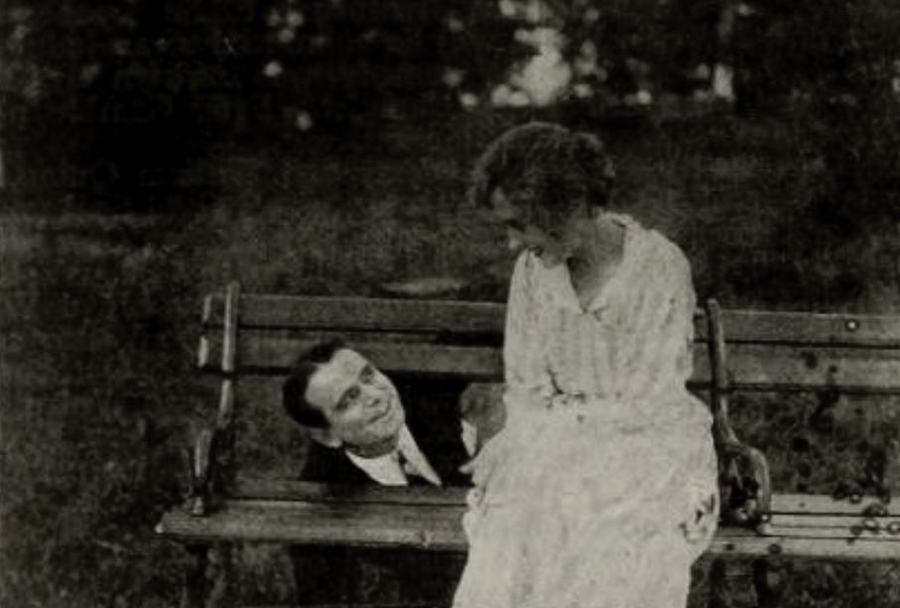
Technically, American Aristocracy showcases the evolving sophistication of silent filmmaking. The cinematography, though perhaps not groundbreaking for its era, is competent and effective, capturing the action sequences with clarity and framing the romantic moments with appropriate tenderness. The use of intertitles is artful, providing necessary dialogue and exposition without disrupting the visual flow. The direction by Lloyd Ingraham ensures a coherent and engaging narrative, allowing Fairbanks' energy to take center stage while maintaining a steady hand on the overall production. The film’s sets and locations, likely a mix of studio work and practical exteriors, effectively transport the audience into its world, whether it's the opulent home of the rich man or the shadowy docks where illicit deals are struck.
Thematically, the film explores the enduring allure of the underdog story. Our hero's battle against the arms smuggler can be seen as a metaphor for the fight against corruption and injustice, a universal struggle that transcends time and place. His pursuit of the rich man's daughter, meanwhile, speaks to the timeless quest for love and belonging, often complicated by societal barriers. This juxtaposition of high-stakes adventure and heartfelt romance is a formula that Fairbanks would master, and it's expertly deployed here. The film suggests that true aristocracy lies not in birthright or wealth, but in courage, integrity, and the willingness to fight for what is right and for whom one loves. This message, delivered with characteristic Fairbanksian flair, remains as pertinent today as it was over a century ago.
When considering American Aristocracy within the broader context of silent cinema, interesting parallels emerge with other films of the period. The theme of a protagonist striving to overcome significant personal and social obstacles for love and success is a recurring motif. For instance, films like The Spendthrift or Paid in Full often delved into the complexities of wealth, social standing, and personal integrity, albeit perhaps with a more pronounced focus on domestic or financial melodrama. While American Aristocracy injects a robust dose of adventure, the underlying tension between aspiration and societal constraint echoes through many narratives of the era.
The sheer physical dynamism of Fairbanks also invites comparison to other action-oriented films. While less overtly fantastical than some of his later works, the hero's confrontations with the smuggler share a spirit with films like Burning Daylight, which often featured strong, adventurous protagonists navigating dangerous landscapes or challenging powerful adversaries. The sense of a lone individual standing against a larger, corrupt force is a powerful narrative device common to both. Even the more dramatic stakes found in The Danger Signal, where peril looms large, find a counterpart in the life-threatening situations faced by Fairbanks’ character.
Furthermore, the exploration of social hierarchy and the pursuit of a partner from a different class finds common ground with films such as The Master of the House, which might explore domestic power dynamics, or even the more overtly criminal undertones in something like Sonka zolotaya ruchka, although the latter operates in a very different moral universe. American Aristocracy, however, manages to blend these elements with a distinctively American optimism, where even the most formidable obstacles can be overcome through sheer force of will and a good heart. This contrasts with the often darker, more fatalistic tone of some European productions of the time, such as Urteil des Arztes, which might delve into more psychological or somber themes.
The film's focus on a clear moral struggle, where heroism is unambiguous and villainy is distinctly defined, places it firmly within the popular narrative traditions of its era. This clarity of purpose, while perhaps less nuanced than later cinematic efforts, contributes significantly to its timeless appeal. It speaks to a fundamental human desire for justice and the triumph of good over evil. The romantic subplot, too, is quintessential, providing a powerful motivation for the hero's exploits and a satisfying emotional payoff. It's a classic example of how silent films, through expert visual storytelling and compelling performances, could evoke complex emotions and deliver rich, multifaceted narratives without relying on spoken dialogue.
More than a century after its release, American Aristocracy remains a compelling watch for enthusiasts of silent cinema and anyone interested in the foundational works of Hollywood. It’s a crucial piece in understanding the evolution of Douglas Fairbanks' screen persona, showcasing his early mastery of action-comedy and romantic heroism. The film’s narrative, while rooted in its time, possesses a universal quality that allows it to transcend its historical context. The themes of social mobility, the fight against corruption, and the pursuit of love against all odds are evergreen, ensuring its relevance even to modern audiences.
For those looking to explore the roots of cinematic adventure and romance, American Aristocracy offers a vibrant and engaging experience. It’s a reminder that even without the technological advancements of sound and color, the power of compelling characters, engaging plots, and charismatic performances can create truly unforgettable cinema. It stands as a vibrant testament to the ingenuity of early filmmakers and the enduring appeal of a good story told well. This film, with its blend of thrilling escapades and heartfelt sentiment, firmly establishes its place as a significant entry in the annals of early American filmmaking, a true aristocratic gem in the crown of silent-era entertainment.
IMDb 7.8
1927
Community
Log in to comment.