DbcultAccessing Vault...
Cult Review
Senior Film Conservator
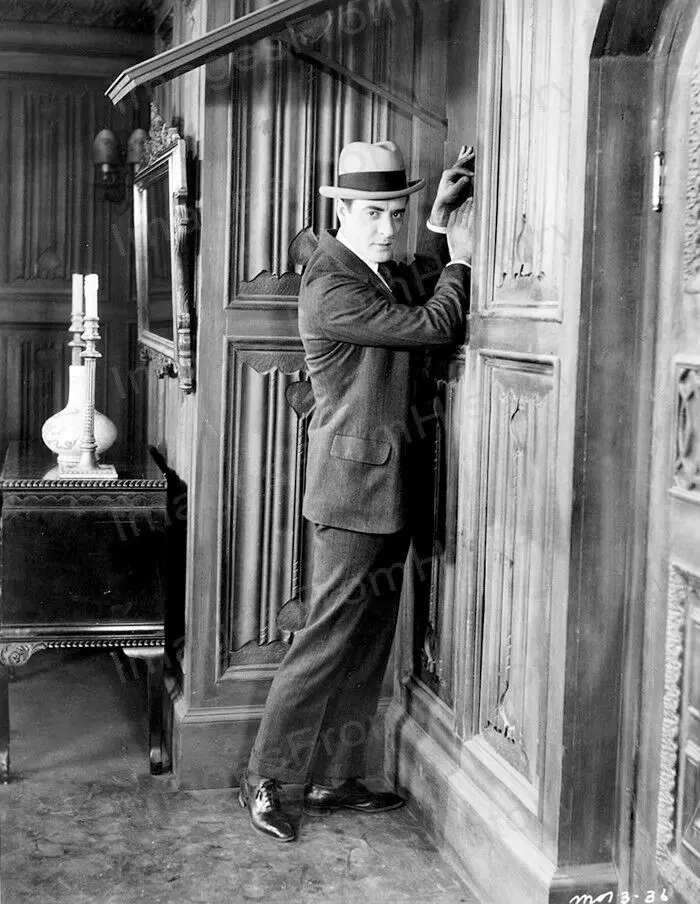
Stepping back into the cinematic landscape of 1924, one encounters a fascinating artifact in 'Just Off Broadway,' a silent melodrama that, despite its relatively obscure status today, offers a compelling window into the narrative conventions and star power of its era. This film, penned by the collaborative talents of Frederic and Fanny Hatton, plunges viewers into a world where desperation meets danger, where the glitz of the stage clashes with the grime of the underworld, and where love blossoms amidst the most improbable of circumstances. It’s a quintessential early 20th-century tale, brimming with the dramatic flourishes and moralistic undertones that characterized much of the period’s popular entertainment.
At the heart of this narrative is Jean Lawrence, portrayed with a poignant vulnerability by Marian Nixon. Jean is not merely an actress; she is a symbol of the myriad hopefuls who flocked to the bright lights of Broadway, only to find themselves swallowed by its unforgiving shadows. Her initial state of near-starvation isn't just a plot device; it's a stark commentary on the precarious existence of artists in an era without robust social safety nets, a theme that resonates with similar narratives of urban struggle seen in films like Montmartre, where artists navigate the fine line between creative ambition and abject poverty. Nixon imbues Jean with a quiet dignity, even in her lowest moments, making her subsequent entanglement with the criminal element feel less like a choice and more like a desperate act of survival. Her innocence, juxtaposed against the cynical backdrop of the underworld, becomes a powerful dramatic fulcrum.
Jean's salvation, or perhaps her deeper entanglement, comes in the form of Nan Norton, a character brought to life by Trilby Clark. Nan is no saint; she is explicitly labeled a 'gangland sweetheart,' a figure whose allure is as dangerous as her connections are deep. Her intervention isn't purely altruistic; it's steeped in the transactional nature of the underworld, yet it also suggests a flicker of empathy, a shared understanding of life's harshness that binds her to Jean. This kind of morally ambiguous rescuer is a fascinating archetype, one that challenges the simplistic hero-villain dichotomy often present in early cinema. Nan represents the seductive pull of easy money and dangerous living, a stark contrast to Jean's struggling artistry, and their dynamic offers a glimpse into the complex social fabric of the 1920s, where 'respectable' society often brushed shoulders with the illicit.
The counterfeiting ring itself serves as the narrative's primary engine of conflict and intrigue. It’s a classic cinematic trope, offering ample opportunities for suspense, double-crosses, and the exploration of moral compromises. The film, through its intertitles and visual cues, paints a picture of a sophisticated operation, hinting at the financial anxieties of the post-WWI era where the stability of currency could be easily undermined. Jean's unwitting involvement is crucial; it places her in direct peril, escalating the stakes and paving the way for the inevitable intervention of a hero. This dangerous milieu often characterized crime dramas of the period, from the more overt action of The Woman and the Beast to the more intricate plots of Stolen Moments, demonstrating a consistent fascination with the dark underbelly of society.
Enter Stephen Moore, a character tailor-made for the charismatic screen presence of John Gilbert. Gilbert, already a burgeoning star in the silent era, brings a compelling blend of aristocratic charm and rugged determination to the role. Moore's dual identity — a millionaire amateur detective masquerading as a counterfeiter — is a narrative device that, while familiar, is executed with a certain panache here. Gilbert navigates the subtle shifts required for such a performance, conveying both the cunning of a man infiltrating a criminal enterprise and the inherent nobility of a hero. This kind of disguised hero, often driven by a sense of justice or personal vendetta, was a beloved figure in early cinema, allowing for dramatic reveals and moral clarity. Gilbert's portrayal here, though perhaps not as iconic as his later romantic leads, showcases his early versatility and magnetic screen appeal, laying groundwork for the kind of complex male leads seen in films like Big Happiness.
The romance between Jean and Stephen is the emotional anchor of 'Just Off Broadway.' It's a classic case of love blossoming under duress, where initial attraction is complicated by deception and danger. The silent film medium, relying heavily on close-ups, glances, and gestures, was particularly adept at conveying the intensity of such burgeoning passions. Nixon's wide-eyed vulnerability and Gilbert's intense gaze create a palpable chemistry that transcends the lack of spoken dialogue. Their connection is forged in the crucible of shared peril, making their eventual union feel like a hard-won victory. This romantic arc, where a woman from humble beginnings finds love with a man of means, often after navigating significant obstacles, is a recurrent motif in silent cinema, reflecting societal aspirations and the enduring appeal of fairy-tale endings.
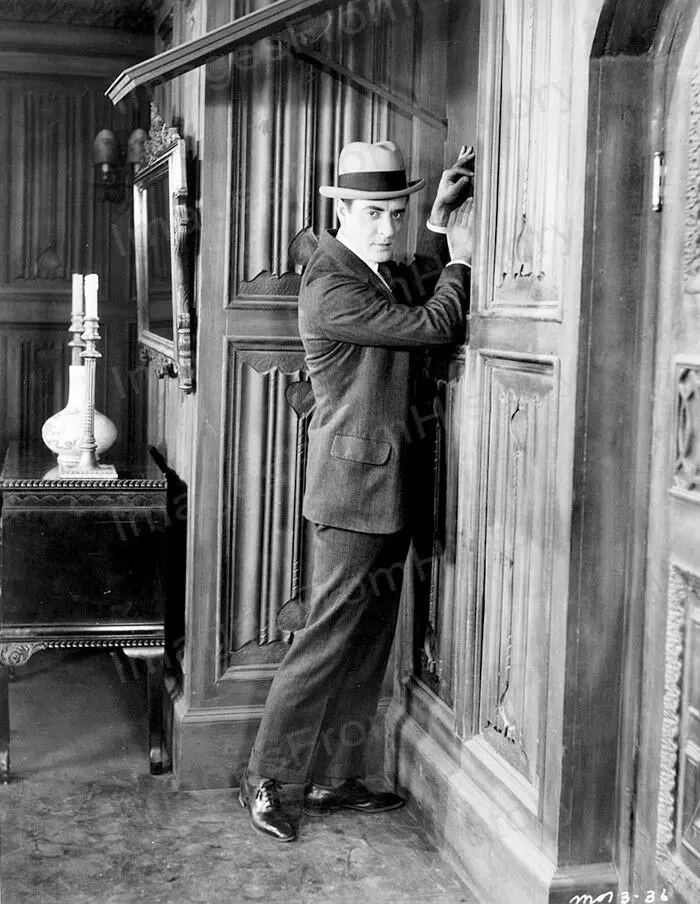
Beyond its plot, 'Just Off Broadway' offers a valuable insight into the filmmaking techniques of its time. The direction, while perhaps not groundbreaking, is competent, utilizing the established visual vocabulary of silent cinema to convey emotion and advance the narrative. The cinematography, though often limited by the technology of the day, effectively captures the contrasting atmospheres of Jean’s bleak existence, the shadowy operations of the counterfeiters, and the occasional glimpses of opulence. Intertitles are used judiciously, providing essential dialogue and exposition without overwhelming the visual storytelling. The pacing, typical of early features, might feel deliberate to a modern audience, but it allowed for a gradual build-up of suspense and character development. The film’s sets and costumes, particularly those reflecting the 'flapper' era and the more formal attire of the wealthy, serve as delightful historical markers.
Thematically, 'Just Off Broadway' touches upon several enduring concerns. The pursuit of justice, embodied by Stephen Moore, is a central pillar, reinforcing societal norms and the eventual triumph of good over evil. Jean's journey from poverty to marriage with a millionaire speaks to the potent American dream of social mobility, a narrative frequently explored in films of the period, offering hope to audiences grappling with their own economic realities. Her 'redemption' from the tainted world of crime, even as an unwitting participant, underscores the era's moralistic leanings. The film subtly explores the idea that appearances can be deceiving, not only in Moore's disguise but also in the initial judgment of Nan Norton. This fascination with dual identities and hidden motives is a thread that runs through many crime dramas, from the more direct confrontations in It Happened to Adele to the intricate webs of deceit in La faute d'Odette Maréchal, showcasing a timeless appeal for stories that peel back layers of pretense.
While Gilbert and Nixon anchor the film, the supporting cast, including Pierre Gendron and Ben Hendricks Jr., contributes significantly to the film's texture. Gendron, likely playing one of the more nefarious members of the counterfeiting ring, would have embodied the archetypal villainy necessary to provide a clear antagonist. Hendricks Jr., with his experience in numerous silent films, would have brought a reliable presence, whether as a henchman or a secondary character. In silent cinema, where gestures and facial expressions carried immense weight, the ability of every actor to convey their character's motivations without dialogue was paramount. Trilby Clark, as Nan, deserves particular mention for her portrayal of a character who could easily have been a one-dimensional villainess but instead carries a nuanced air of world-weariness and pragmatic self-interest.
Frederic and Fanny Hatton, the screenwriters, crafted a narrative that, while adhering to many genre conventions, maintains a brisk pace and sufficient twists to keep the audience engaged. Their ability to weave together disparate elements – the struggling actress, the gangland figure, the disguised hero, and the criminal enterprise – into a coherent and compelling whole speaks to their understanding of popular storytelling. The dialogue, conveyed through intertitles, would have been concise and impactful, designed to move the plot forward and highlight key emotional beats. Their work here is indicative of the craftsmanship that went into creating popular entertainment during the silent era, often balancing dramatic tension with moments of genuine sentimentality. This kind of robust narrative construction is crucial for films that rely solely on visual storytelling to captivate an audience, a skill that writers of the era, much like those behind Revelation or Miss Dulcie from Dixie, mastered to great effect.
'Just Off Broadway' might not be a household name today, overshadowed by the more celebrated works of its stars or the grander epics of the silent era. However, its importance lies in its representation of mainstream filmmaking during a pivotal decade. For cinephiles and historians, films like this are invaluable. They offer a tangible connection to the past, allowing us to understand the evolution of narrative forms, acting styles, and audience expectations. Rediscovering 'Just Off Broadway' is akin to unearthing a time capsule, revealing not just a story, but a reflection of the social anxieties, moral codes, and romantic ideals of the early 1920s. It reminds us that even in what might seem like a straightforward crime-romance, there are layers of cultural significance waiting to be explored.
In conclusion, 'Just Off Broadway' stands as a compelling example of silent era entertainment. It leverages the star power of John Gilbert and Marian Nixon, a gripping plot of crime and romance, and the dramatic conventions of its time to deliver a thoroughly engaging experience. While it may not challenge cinematic boundaries, it perfectly encapsulates the popular tastes and storytelling prowess of the 1920s. It’s a film that speaks to enduring themes of survival, deception, love, and justice, all wrapped in the unique artistry of silent film. For those willing to immerse themselves in its quiet drama, 'Just Off Broadway' offers a rewarding journey into a bygone cinematic world, a testament to the power of visual narrative and the timeless appeal of a well-told story, much like the enduring charm of a classic Western such as Colorado or the poignant character studies found in A Sagebrush Hamlet. Its echoes resonate even today, reminding us of the foundational narratives upon which much of modern cinema is built.
IMDb 6.2
1936
Community
Log in to comment.