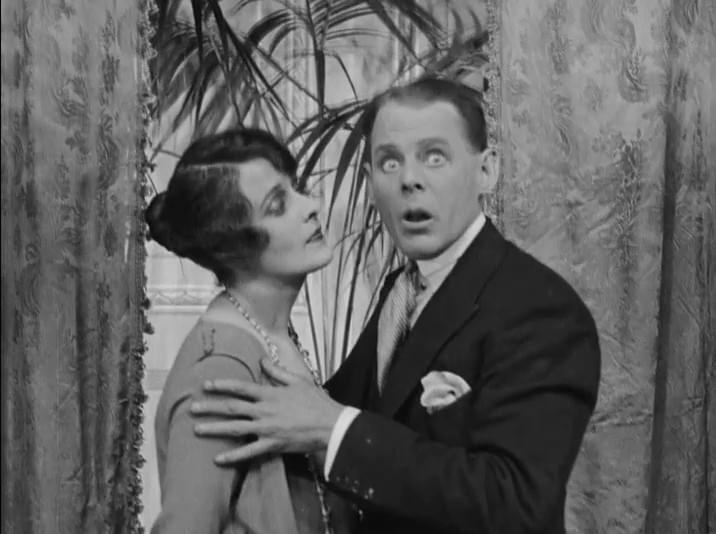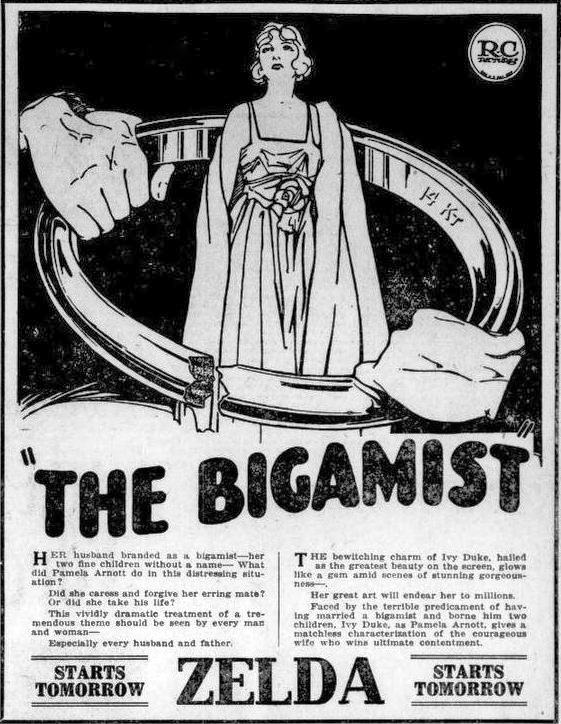
Herbert and Pamela are happily married with two children. Then Pamela gets a letter from Herbert's other wife.
London, 1921. A year before Hitchcock christened the thriller with Number 13, another British filmmaker—actor-auteur Guy Newall—slipped a cyanide capsule into the institution of marriage and recorded the contortions for posterity. The Bigamist arrives not as antique curio but as a scalpel still wet, dissecting masculi...
Comparing the cinematic DNA and archive impact of two defining moments in cult history.
Guy Newall
Victor Heerman
Community
Log in to comment.
" London, 1921. A year before Hitchcock christened the thriller with Number 13, another British filmmaker—actor-auteur Guy Newall—slipped a cyanide capsule into the institution of marriage and recorded the contortions for posterity. The Bigamist arrives not as antique curio but as a scalpel still wet, dissecting masculine cowardice with a precision that makes post-#MeToo dramas feel like they’re fumbling with blunt safety-scissors. Shot on shoestring sets that wobble when doors slam, the film no..."
Julian Royce
F.E. Mills Young, Guy Newall
United Kingdom