Summary
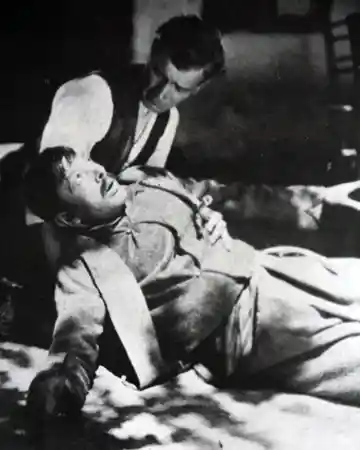
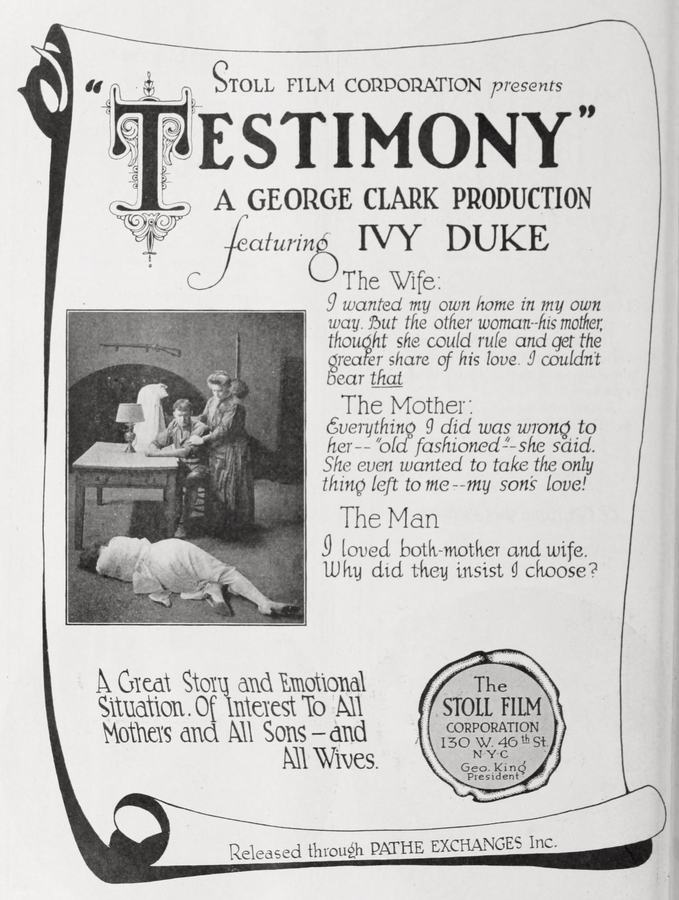
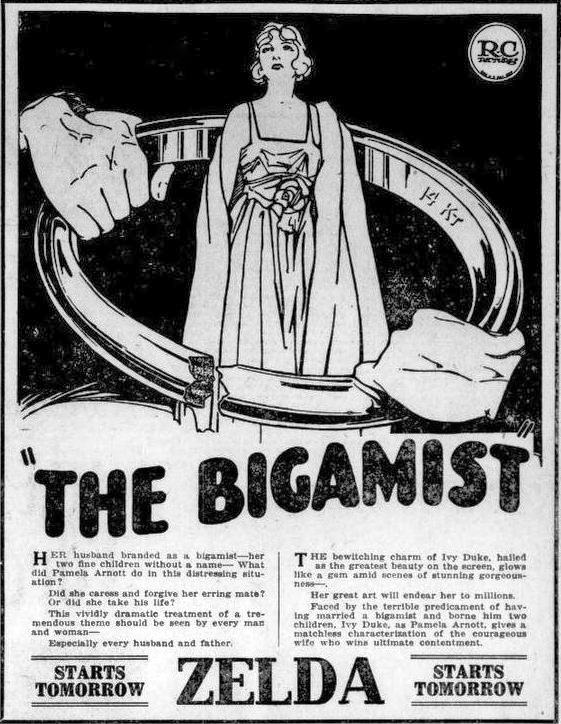
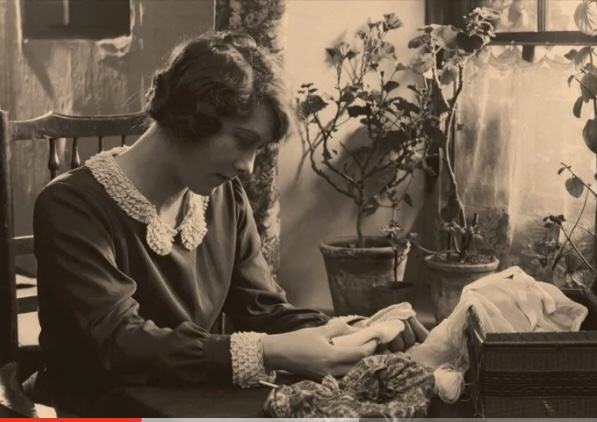
The cinematic tapestry, a stark and almost allegorical tableau, unfurls around a singular, profoundly symbolic act: the deliberate, almost surgical unraveling of a young woman's woolen vest by a discerning theatre patron. This seemingly innocuous gesture, executed with a methodical precision by Douglas Munro’s enigmatic figure, transcends mere destruction, becoming a potent metaphor for the stripping away of artifice, the raw exposure of vulnerability, and perhaps even the deconstruction of identity itself. Ivy Duke’s portrayal of the girl, initially cloaked in the protective, hand-knitted layers of her garment, transforms from a figure of unassuming innocence into one laid bare, exposed not just to the literal chill of the auditorium but to the piercing, critical gaze of a world that dissects and judges. Winifred Sadler’s presence, perhaps as a chaperone or a fellow performer, observes this quiet deconstruction, her silent reaction amplifying the unsettling implications of the patron's act, hinting at societal complicity or silent judgment. Guy Newall, beyond his foundational role as writer, might even subtly feature in the narrative's subtext, embodying the creative force whose work is subjected to this intimate, almost brutal deconstruction, thereby questioning the very fabric of artistic presentation and reception in a manner that resonates with the era's burgeoning self-reflexivity in nascent cinema. The vest, a humble object, thus becomes the powerful locus of a profound examination into superficiality versus essence, the public persona versus the private self, and the often-uncomfortable power dynamics inherent in the act of observation and the subsequent, often devastating, act of judgment.
A theatre patron unravels a girl's woolen vest.
Review Excerpt
"
The Unspoken Narrative of 'Beauty and the Beast' (1920s): A Deconstruction of the Gaze
In the annals of early cinema, where narratives often relied on bold gestures and clear-cut morality, Guy Newall's 'Beauty and the Beast' (1920s) presents a fascinating anomaly. Stripped down to an almost minimalist premise – a theatre patron unraveling a girl’s woolen vest – this film, even in its barest description, invites an intellectual excavation far beyond its apparent simplicity. It ..."