Summary
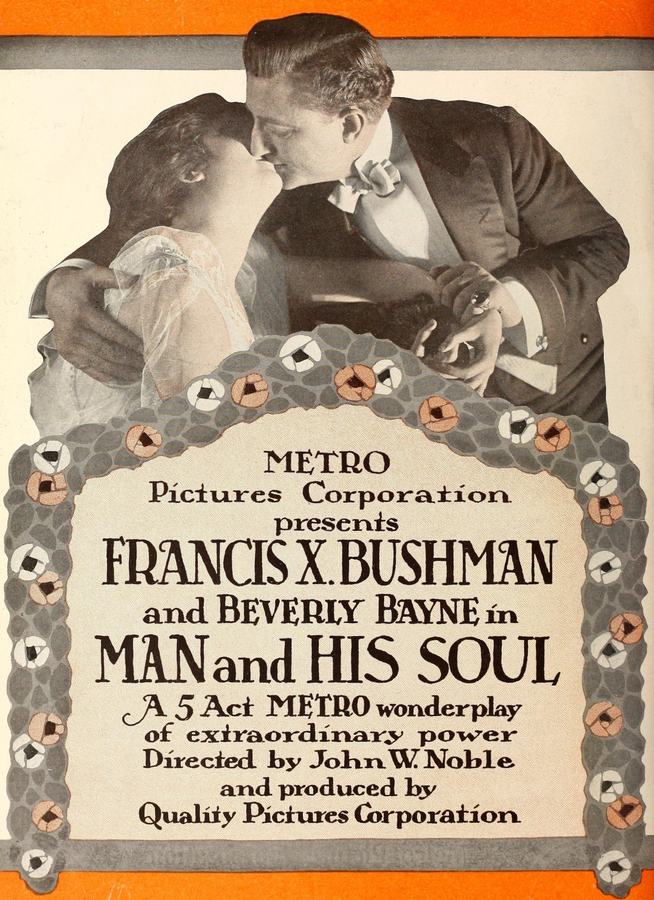
From flint to steel, from mortar to dynamite, Rupert Hughes’s The Bigger Man slings the entire dialectic of exploitation across a triptych that begins with hairy Neolithic brutes bashing one another over the right to hoard mammoth meat, glides through a sepulchral Judean desert where brick-ganged Hebrews sweat for Pharaoh’s granaries, and alights on a misty medieval fief where mud-caked serfs haul stone for their lord’s cathedral—all before the title card even flickers. Cut to the clangorous twentieth century: a steel colossus of a bridge claws across a fog-choked river gorge, its lattice of rivets and cantilevers a cathedral of capital, every beam paid for in human cartilage. John Stoddard, the square-jawed construction superintendent who can read a blueprint like Aquinas read scripture, walks the catwalks with the stoic burden of a man who knows that every foot of steel is mortared with someone’s crushed spine. Courtlandt Van Nest, the velvet-glooded financier in top-hat and spats, surveys the same span and sees only balance-sheet sublimity. Between them yawns an abyss measured not in feet but in calories: the workers’ daily ration of bread and sour coffee. When the men—filthy as frescoed apostles—demand a wage that could buy more than slow starvation, Van Nest answers with the serene cruelty of a Roman statue. Enter Lavinsky, fire-eyed agitator, pamphlets in one fist, dynamite in the other, preaching millenarian revolt. Janet Van Nest, corseted heiress with a conscience as fragile as bone china, descends into the shanty camp, her silk hem drinking up the mud, and is scandalized less by the stench than by her own complicity. In the flicker of an acetylene torch she locks eyes with Stoddard; class antagonism melts into erotic gravity. The strike erupts like a geyser of boiling pitch; the militia—janissaries of capital—level their rifles. Lavinsky fuses the blasting cap; Stoddard, crucified between love and solidarity, tackles the bomber, hurling the sizzling package into the river where it detonates in a geyser of white agony. Van Nest offers a Mephistophelian bargain: peace in exchange for Stoddard’s vow to renounce Janet. Honor-bound, he signs. Months later Janet, now apostate heiress, wanders the immigrant quarter doling out coins for steamer tickets; Van Nest stalks her to Stoddard’s humble rooms where genealogy—two branches from one root—proves that patrician and prole are separated only by the accident of deed. Edith, Stoddard’s saintly sister, stages a tableau: a gaunt riveter reunited with his Baltic wife, their tear-drenched embrace a living Pietà. Van Nest’s granite heart fissures; he consigns his dynasty to the proletariat’s most eloquent advocate. The coda returns us to allegory: blindfolded Justice, flanked by bloated Capital and brawny Labor, murmurs the film’s heretical gospel—neither can thrive alone, both are parasites on the other’s sinew.
Synopsis
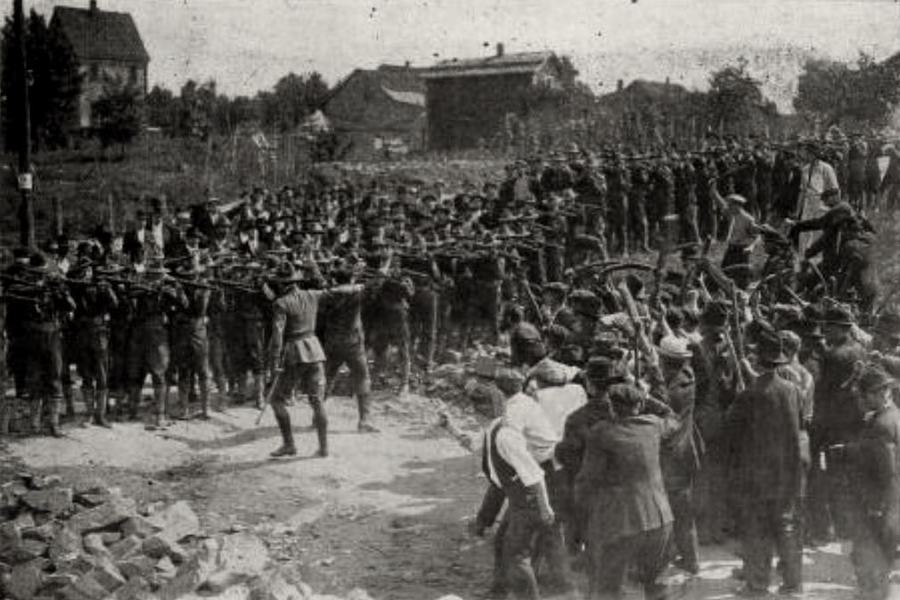
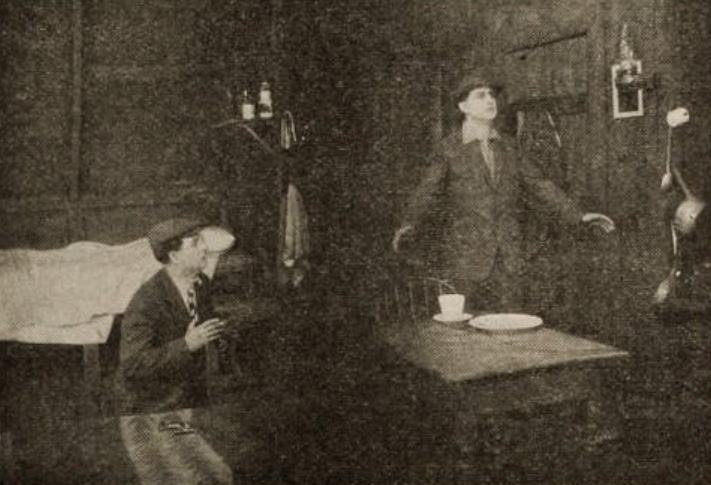
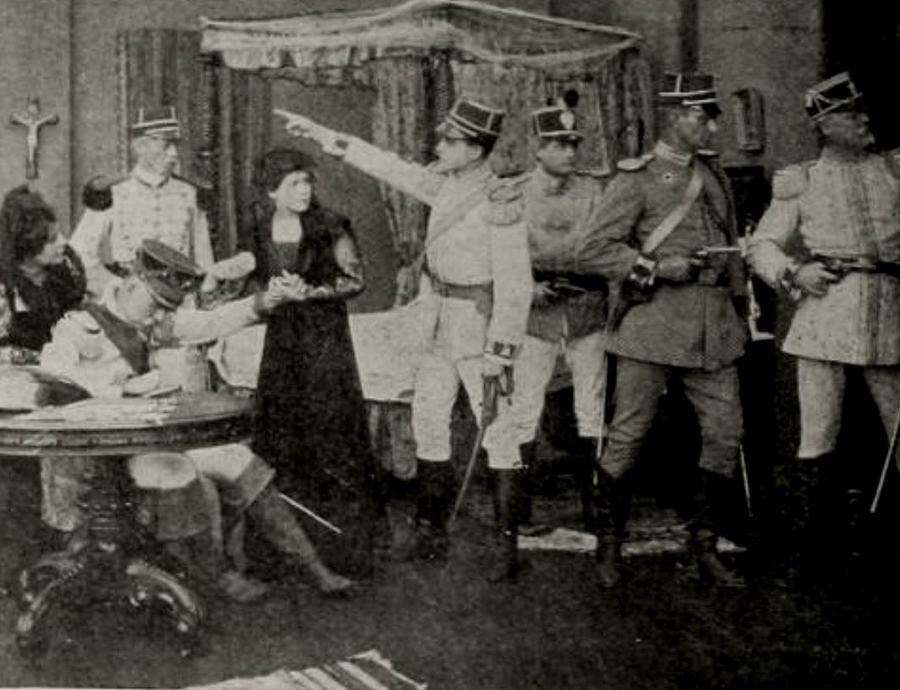
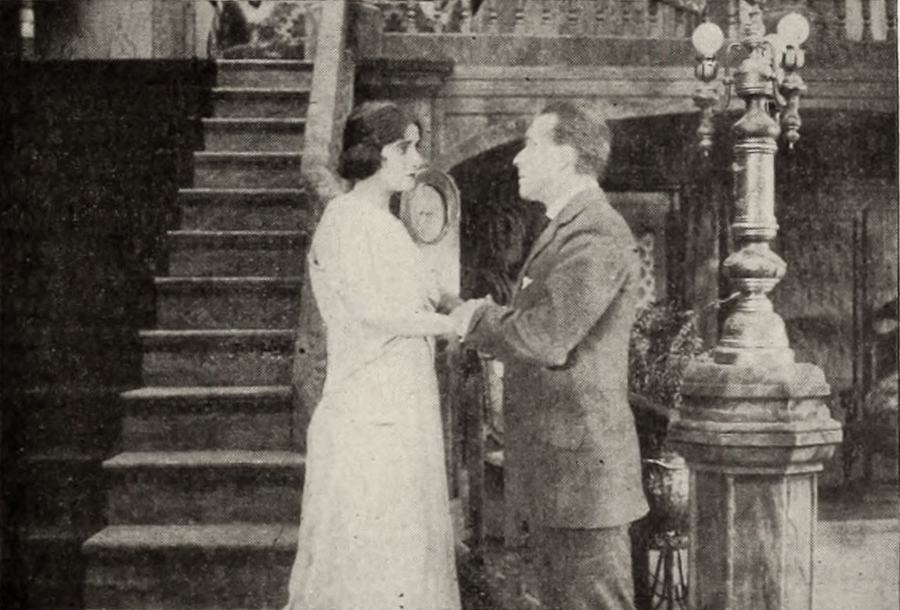
In a prologue, the relationship between capital and labor throughout history is shown in caveman days, Biblical times, and the feudal period. In the main story John Stoddard, a construction chief building a gigantic bridge for capitalist Courtlandt Van Nest, sympathizes with the workers' dissatisfaction with low salaries and subsistence conditions. When his attempts to negotiate with Van Nest fail, the workers, led by agitator Lavinsky, prepare to strike. Van Nest's daughter Janet, who is engaged to a militia captain, visits the site and is appalled by the squalor. Despite their differences, Janet and Stoddard fall in love. When the strike breaks, Van Nest sends in the militia. As they prepare to fire, Stoddard sees Lavinsky about to throw dynamite, and wrestles it away. He then agrees to Van Nest's demand for settling the strike that he refrain from seeing Janet. After Janet leaves home to help poor families, Van Nest looks for her at Stoddard's house where Stoddard demonstrates that because of their similar ancestry, he and Van Nest are not very different. When Stoddard's sister Edith allows Van Nest to witness the surprise reunion of a worker and his wife from Europe, to whom Janet had sent transportation money, Van Nest softens and agrees to Janet's marriage to Stoddard. An epilogue follows showing blindfolded Justice saying to fat Capital and burly Labor, "Why quarrel? You are worthless without the other."
Review Excerpt
"
The first time I saw The Bigger Man I walked out of the archive screening room with the taste of coal dust in my mouth—phantom grit, pure hallucination, because this 35-mm print hadn’t shed a single particle. That’s the sorcery Hughes accomplishes: he transmutes nitrate into nerve-ending.
Let’s talk scale. The prologue alone cost more than most independents spend on an entire feature today—mammoth pelts stitched by Inuit seamstresses, Mesopotamian tablets baked in a Brooklyn kiln, a full-scale..."