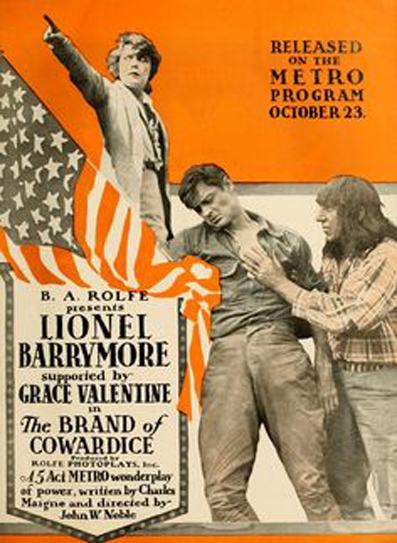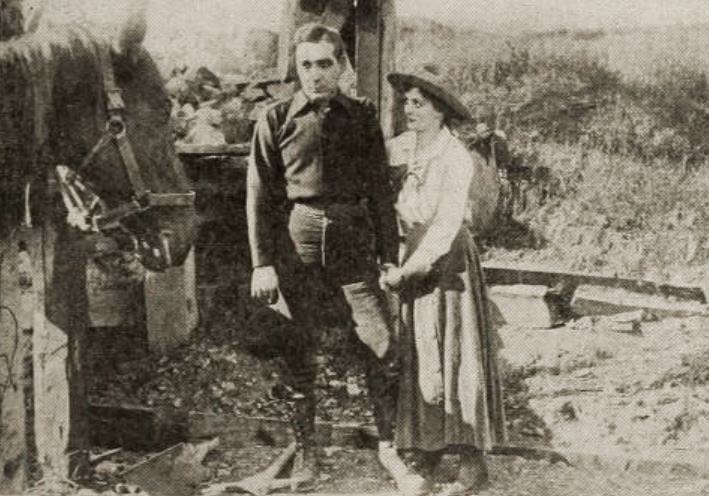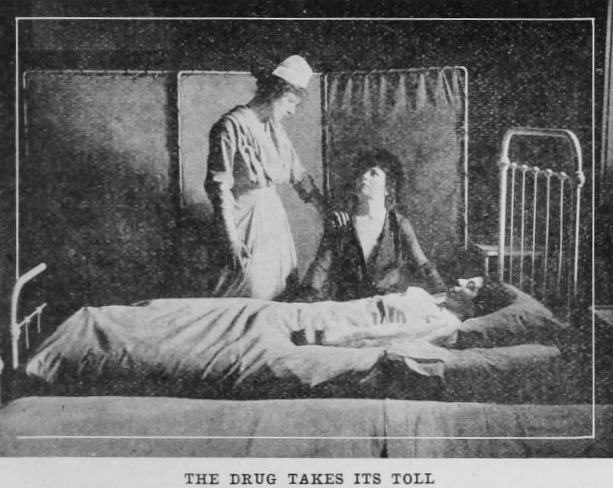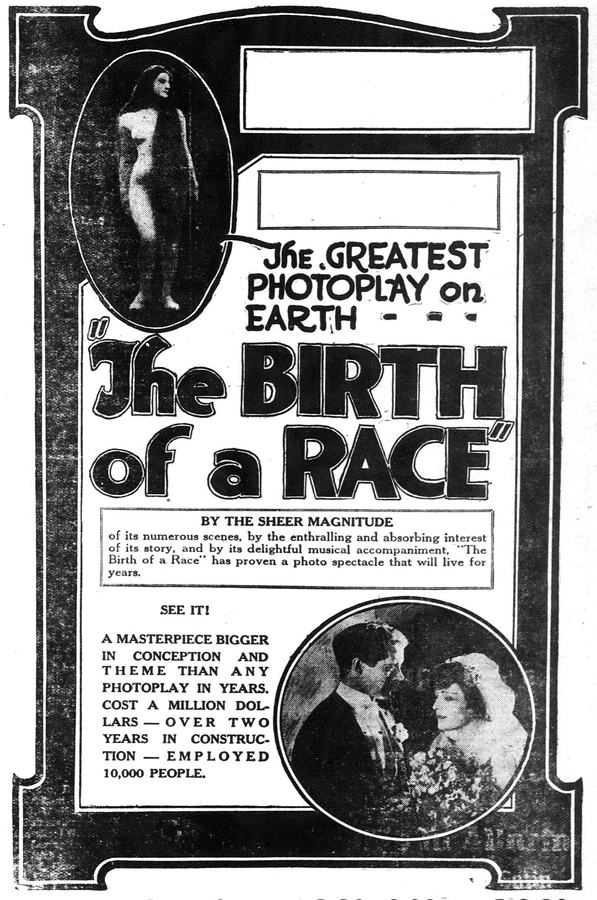
After a biblical and historical prologue detailing the evolution of the idea of democracy through the creation of the world, the flood, the crucifixion of Christ, the discovery of America, the signing of the Declaration of Independence, and the Civil War, the present-day threat to this idea by autocratic powers is dramatized. Fritz Schmidt, a German-American steel plant owner, and his son Oscar remain loyal to the Kaiser, while son George fights for the Allies.
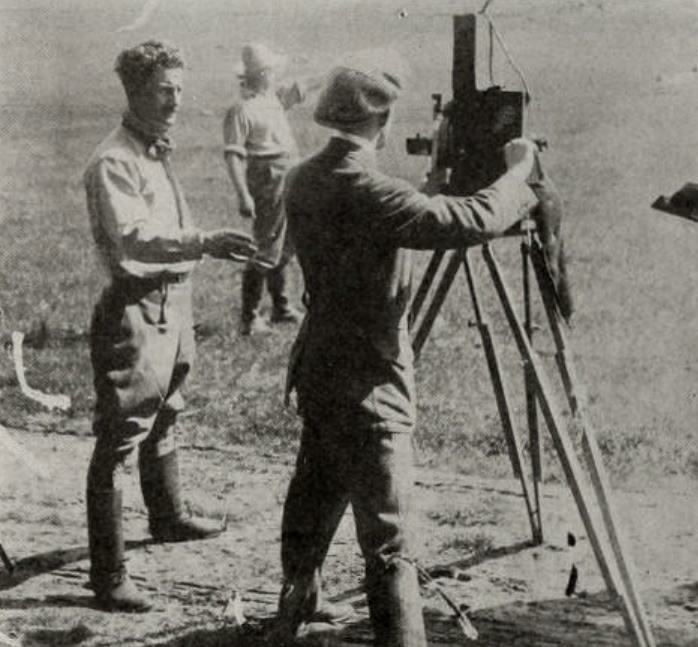
John W. Noble, Tom Bret, George F. Wheeler, Anthony Paul Kelly, Rudolph De Cordova
United States
Imagine, if you can, a film that opens with the cosmos still cooling, comets scratching the velvet dark, and ends with a widow clutching a telegram while the Star-Spangled Banner drips crimson from the rafters. That is the vertiginous leap The Birth of a Race demands of its audience—an odyssey that wants to be both Su...
Comparing the cinematic DNA and archive impact of two defining moments in cult history.
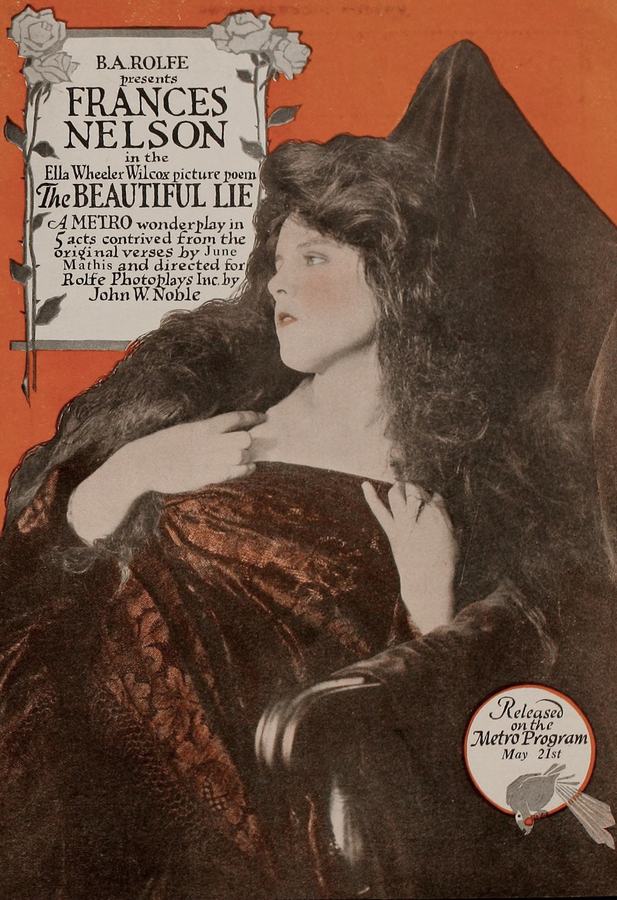
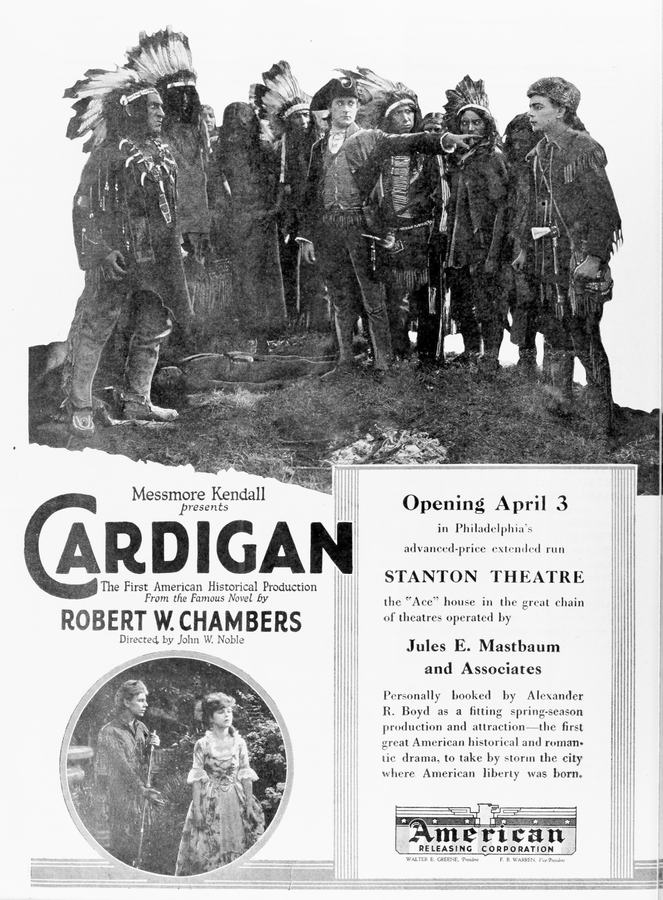
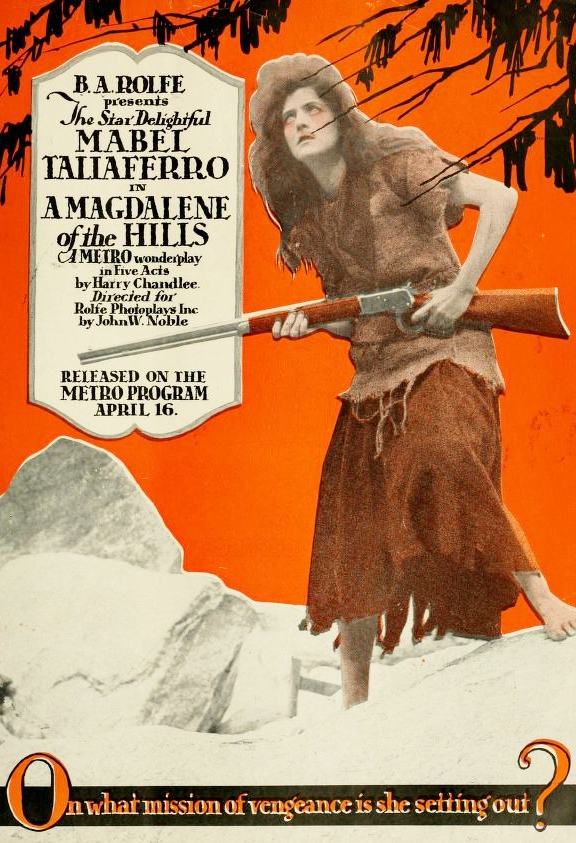
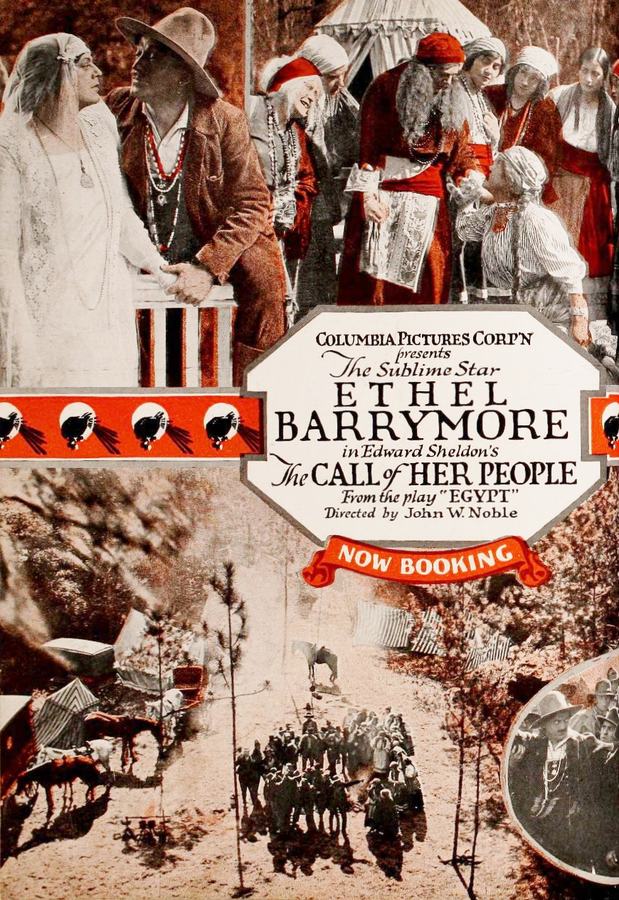
John W. Noble
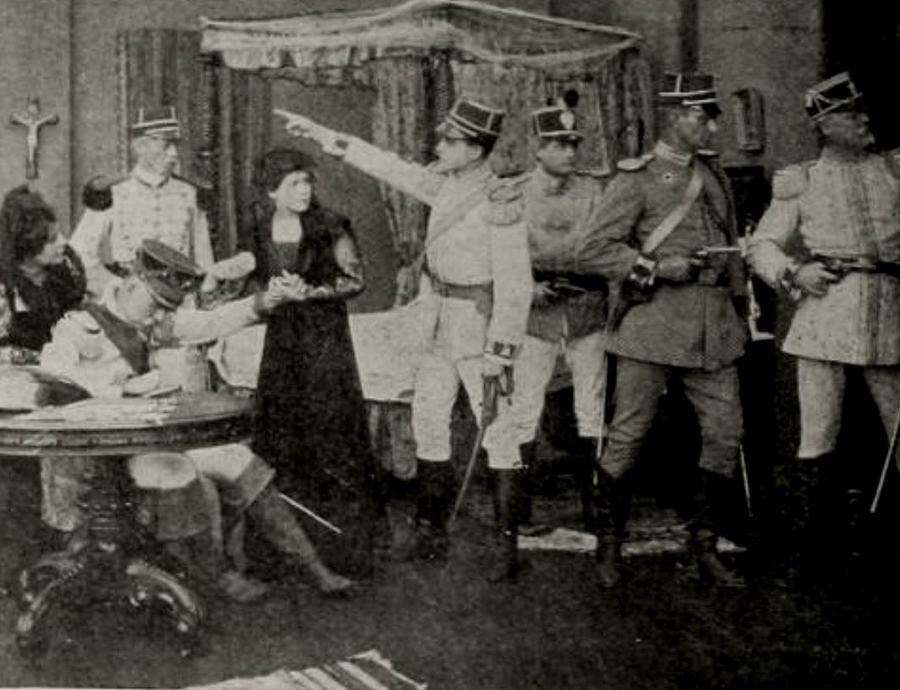
John W. Noble
Community
Log in to comment.
" Imagine, if you can, a film that opens with the cosmos still cooling, comets scratching the velvet dark, and ends with a widow clutching a telegram while the Star-Spangled Banner drips crimson from the rafters. That is the vertiginous leap The Birth of a Race demands of its audience—an odyssey that wants to be both Sunday-school pageant and newsreel shriek, both patricidal opera and recruitment poster. Released in the fevered summer of 1918, when influenza and jingoism competed for column inch..."
Deep dive into the cult classic
Discover similar cinematic experiences
A Directorial Spotlight on John W. Noble