Summary
A newly-wed Occidental bookbinder and his enigmatic Shanghainese bride alight from a gleaming locomotive into a dusk-drenched Suzhou where neon ideograms drip like molten calligraphy across canals. Their honeymoon idyll—promised as lacquered romance—mutates into a hall-of-mirrors when the bride’s ancestral home reveals a labyrinth of paper walls, each tear uncovering generations of smuggled silences: a grand-uncle who once forged passports for revolutionaries, a cousin trafficking vanished poets, a dowry chest that ticks faintly like a metronome counting down to dynastic collapse. The bride, schooled in the art of facial understatement, stages nightly shadow-puppet shows for her husband, casting silhouettes that grow longer, more maculate, until the silhouettes detach themselves and glide through the rice-paper corridors. Meanwhile, a chorus of cicadas performs a relentless funeral march; lotus leaves curl into origami threats; a white cat with mismatched eyes serves as both familiar and narrator, licking blood from porcelain teacups. When the groom discovers a cache of letters addressed to a woman who shares his wife’s name yet predates her by a century, the film tilts into chiaroscuro noir: honeymoon suites become interrogation cells, rickshaw rides morph into processions of the disappeared, and every moon-bridge reflection offers a counterfeit eternity. The couple’s final embrace dissolves into crimson confetti as the screen itself seems to burn, leaving only the afterglow of a marriage certificate fluttering upward like a moth too close to the paper lantern of history.
Review Excerpt
"
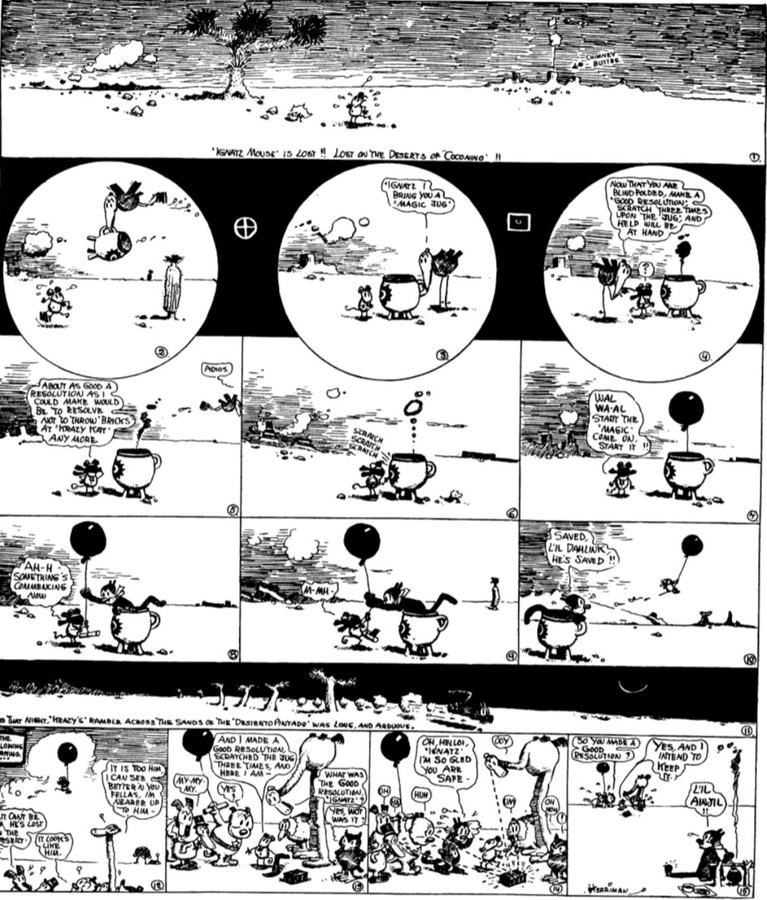
Imagine, if you can, a celluloid lantern slide left too close to the flame: edges blister, pigments migrate, and suddenly the quaint postcard of marital bliss becomes a smoldering palimpsest. That is the alchemical shock delivered by The Chinese Honeymoon, a 1925 curiosity once presumed lost in a Canton warehouse fire, now restored from a single nitrate roll discovered inside a lacquered wedding chest. George Herriman—yes, the same pen that birthed Krazy Kat’s shifting mesas—scripts here with c..."