DbcultAccessing Vault...
5.4/10
Senior Film Conservator
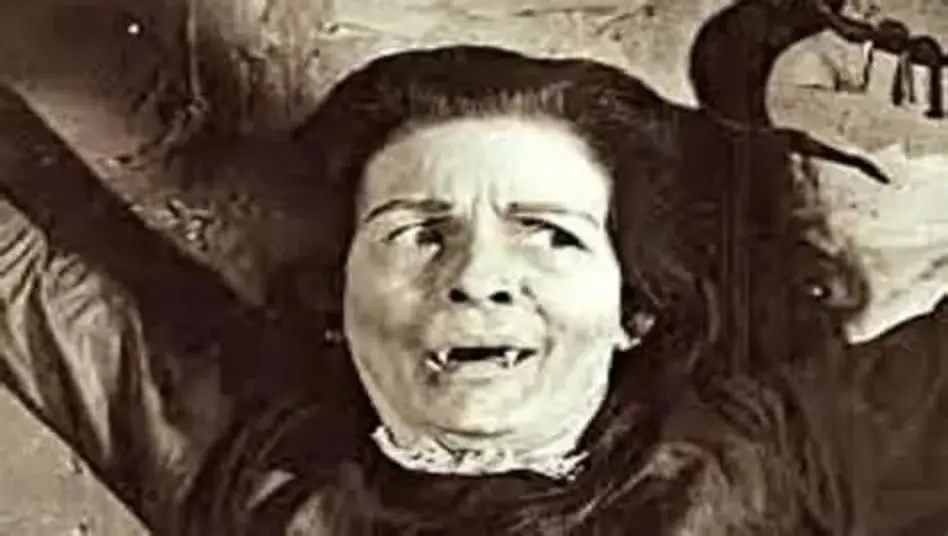
A definitive 5.4/10 rating for a film that redefined the boundaries of cult cinema. Ang manananggal remains a cornerstone of transgressive art.
Is Ang manananggal a film you should track down today? Short answer: Yes, but only if you are a dedicated film historian or a lover of lost cinematic treasures. This film is for the archival enthusiast who finds beauty in the grain and the origins of genre tropes; it is not for the modern horror fan who requires jump-scares and high-definition gore to feel a chill.
The significance of this 1927 production cannot be overstated. It represents the literal birth of Filipino horror, a genre that would eventually dominate the local box office for decades. While much of the film is lost to the ravages of time and tropical decay, its legacy persists in every winged monster that has since graced the screen. It is a ghost of a film, haunting the corridors of Asian cinema history.
This film works because it tapped into a primal, localized fear that had never been visualized on screen before, grounding the supernatural in the familiar textures of the Philippine countryside. This film fails because its silent-era pacing and primitive technical constraints make it a difficult sit for anyone used to the kinetic energy of contemporary cinema. You should watch it if you want to witness the genesis of Mary Walter, the legendary 'Queen of Horror,' before she became the industry's most beloved matriarch.
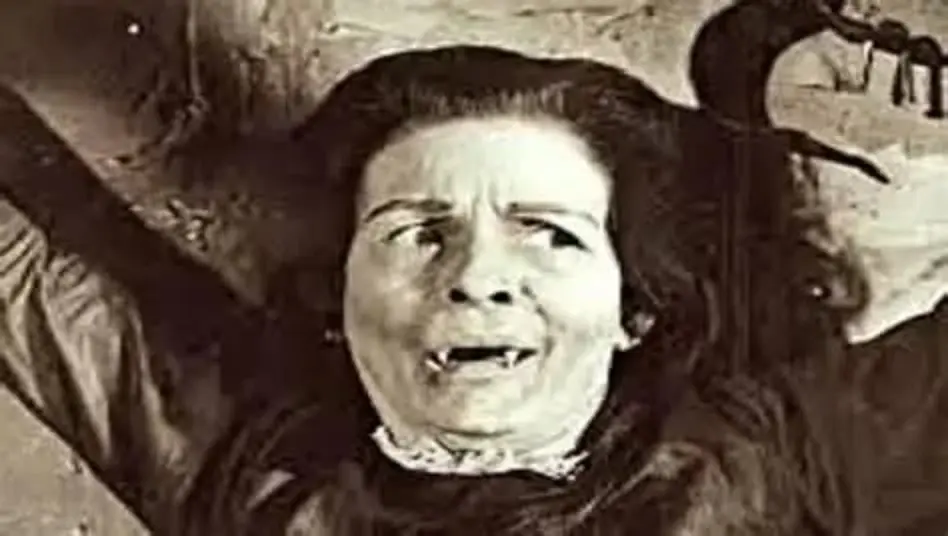
In 1927, Mary Walter was not yet the silver-haired grandmother of Philippine cinema. She was a vibrant, expressive young actress tasked with a role that demanded both vulnerability and monstrousness. In the surviving fragments and historical accounts of her performance, we see a masterclass in silent-era physical acting. Without the benefit of sound, Walter had to convey the agony of the transformation through her eyes and the contortions of her frame.
Consider the scene where her character first senses the moon rising. There is a stillness that Walter brings to the screen—a quiet dread that feels more sophisticated than the theatrical overacting common in other 1920s films like Maciste imperatore. While the latter relied on Herculean physicality, Walter relied on a psychological weight that made the subsequent 'split' feel like a tragic inevitability rather than a mere special effect.
Jose Nepomuceno, often called the Father of Philippine Movies, was working with extremely limited resources. To depict a woman detaching her upper body and flying into the night in 1927 was a monumental task. He used clever in-camera tricks, double exposures, and forced perspective to achieve what would later be done with CGI. The shadows in Ang manananggal aren't just lack of light; they are characters themselves.
The pacing of the film is deliberate, almost agonizingly so. It builds tension through the mundane rituals of village life, contrasting the peaceful morning chores with the nocturnal horror. This structural choice is similar to the patient world-building found in Les Misérables, Part 1: Jean Valjean, though applied to a much more visceral subject matter. Nepomuceno understood that for the monster to be scary, the woman had to be real.
The cinematography in Ang manananggal is a fascinating study in contrast. The outdoor shots utilize the harsh, natural sunlight of the Philippines, creating a bleached, realistic atmosphere that makes the nighttime sequences feel even more alien. The use of bamboo groves to create vertical lines of shadow was a stroke of genius, providing a natural cage for the protagonist as she struggles with her curse.
When compared to the polished, urban aesthetics of Dodging a Million, Nepomuceno’s work feels raw and unwashed. There is a grit here that isn't just a result of the film's age; it's a deliberate stylistic choice. He wasn't trying to emulate Hollywood; he was trying to capture the humidity and the mystery of the islands.
What makes Ang manananggal significant for modern audiences?
It serves as the definitive cultural blueprint for Southeast Asian horror. By watching it, you understand the visual language of the 'viscera sucker' myth. It provides a rare look at pre-war Philippine society through a genre lens. For anyone interested in how folklore transitions into mass media, it is an essential piece of history.
We cannot discuss Ang manananggal without acknowledging the tragedy of its disappearance. Like many films from this era, such as The Man Above the Law or Murphy of Anzac, the original nitrate prints have largely succumbed to the elements. What remains are memories, a few stills, and the profound influence it left on subsequent remakes.
This 'lostness' adds a layer of mystique to the film. We are forced to reconstruct it in our minds, making the 1927 version perhaps more terrifying than it actually was. It is a cinematic legend in the truest sense. It exists now as an idea, a foundation upon which an entire industry was built.
In 1927, cinema was undergoing a massive shift. While Hollywood was experimenting with lighthearted fare like Too Many Wives, the Philippines was looking inward, exploring its own darkness. Ang manananggal shares more DNA with the German Expressionism of the time than it does with the American comedies of the era. There is a sense of doom that pervades the frame, a feeling that the modern world (represented by the camera) is finally catching up to the ancient demons of the forest.
Even compared to other serious dramas of the period, like The Scarlet Road, Nepomuceno’s film feels more visceral. It doesn't just deal with moral failings; it deals with biological ones. The horror isn't just in what the character does, but in what she is. It’s a distinction that would define the genre for years to come.
Ang manananggal is a film that exists in the collective memory of a nation. It works. But it’s flawed. It is a skeleton of a masterpiece, stripped of its skin by time, much like its titular monster. If you have the patience to look past the technical decay, you will find a work of profound cultural importance. It is the root from which all Filipino horror grows. It is not just a movie; it is an archaeological site of the imagination. Final Rating: A historical essential.
IMDb —
1934
Community
Log in to comment.