DbcultAccessing Vault...
Cult Review
Senior Film Conservator
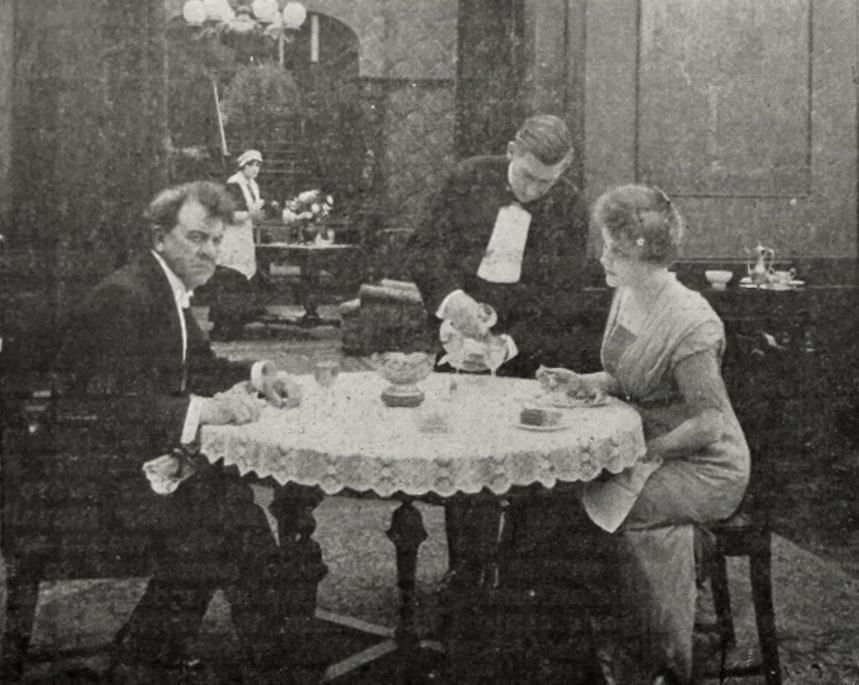
In the annals of silent cinema, certain films resonate with an almost primal force, their narratives echoing through the decades with undiminished intensity. The Corner, a compelling drama from 1916, stands as one such cinematic artifact, a stark and unvarnished examination of social injustice, economic tyranny, and the desperate measures to which humanity can be driven when pushed to its absolute breaking point. It is a narrative woven with threads of despair, avarice, and a chilling, almost inevitable, quest for retribution, offering a mirror to an era grappling with the harsh realities of industrialization and unchecked capitalism, themes that, regrettably, remain startlingly pertinent in our own complex times.
The film plunges us headfirst into a dystopian urban landscape, not of some distant future, but of a grim, immediate present. Here, the very sustenance of life – food – has become a weapon in the hands of a ruthless few. David Waltham, portrayed with chilling efficacy, embodies the apex of this predatory system. He is not merely a businessman; he is an architect of suffering, a titan who has systematically cornered the market, squeezing the lifeblood from the working class. His actions cast a long, dark shadow over the city, transforming bustling streets into thoroughfares of destitution, where the specter of starvation looms over every household. The film masterfully establishes this oppressive atmosphere, painting a vivid, albeit bleak, portrait of a society teetering on the precipice of collapse, driven there by the insatiable hunger of one man for profit. The visual language, even in its silent form, communicates the sheer scale of the suffering, making Waltham's casual cruelty all the more abhorrent.
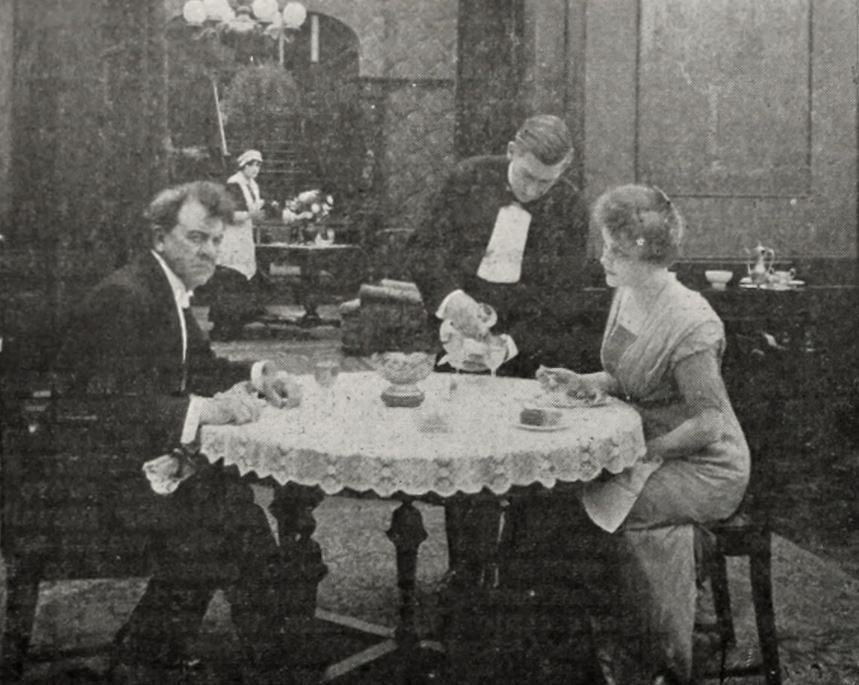
David Waltham is a character etched in the coldest hues of human ambition. His power stems not from innovation or philanthropy, but from a calculated, merciless exploitation of basic human need. He sees the populace not as individuals with families and aspirations, but as cogs in a machine designed to generate his wealth, or, more accurately, as pawns to be sacrificed. Even the entreaties of his own wife, who, with a flicker of conscience, begs him to consider the plight of the poor, fall on deaf ears. He is an unyielding force, a man whose moral compass has been utterly shattered by the pursuit of absolute control. This portrayal is crucial, for it lays the foundation for the audience’s burgeoning indignation. Waltham is not just an antagonist; he is the embodiment of systemic greed, a symbol of the detachment of power from its human cost. His very presence on screen, even without dialogue, exudes an aura of impregnable, self-serving authority, rendering him both formidable and utterly detestable. The film doesn't merely tell us he's merciless; it shows us the devastating impact of that mercilessness on the fabric of society.
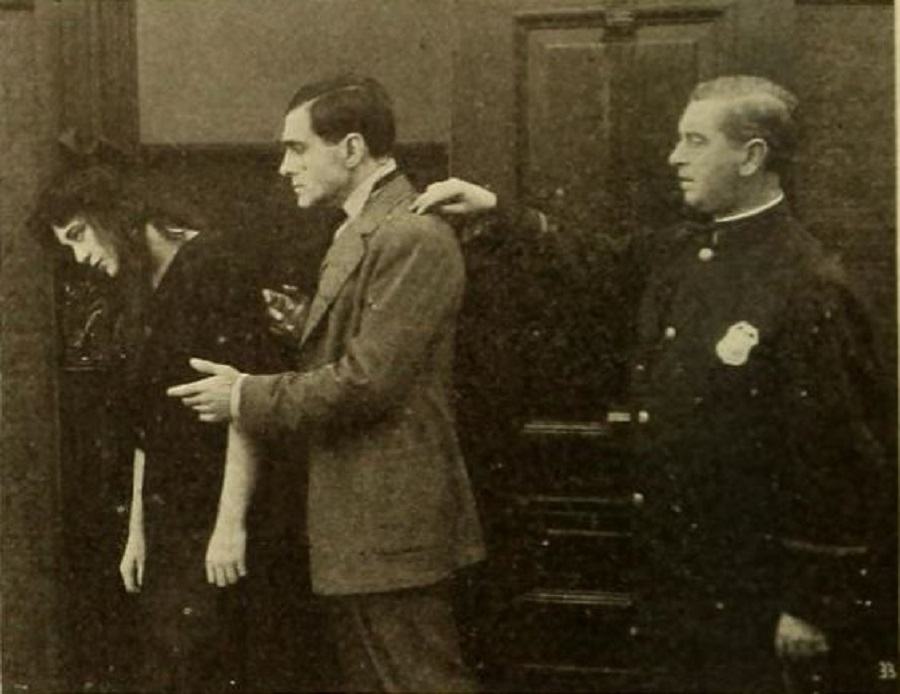
Into this maelstrom of economic despair steps John Adams, portrayed by the formidable John Gilbert. Adams is initially presented as an everyman, an engineer, a respectable member of the working class whose life is incrementally, then catastrophically, dismantled by forces beyond his control. His narrative arc is a harrowing descent into the abyss of poverty. First, the loss of his job strips him of his livelihood. Then, a devastating bank run obliterates his meager savings, the last vestiges of his financial security. These setbacks are not mere plot devices; they are visceral punches, illustrating the fragility of existence for those without a vast safety net. The Adams family, once a picture of modest stability, is reduced to the unbearable indignity of starvation. Gilbert’s performance here, relying on expression and gesture, conveys the crushing weight of a man watching his world crumble. His desperation culminates in the shattering of a bakery window – a primal act of survival, not malice – for which he is swiftly incarcerated. This sequence is particularly poignant, highlighting the cruel irony of a system that punishes the victim of its own failings. Adams’ journey through the workhouse represents not just a personal ordeal, but a symbolic imprisonment of the working class by the very structures meant to protect them. His transformation from a law-abiding citizen to a desperate criminal is a testament to the corrosive power of extreme want, and a powerful indictment of the society that creates such conditions.
During John's absence, the narrative takes an even darker turn, focusing on Mrs. Adams, a character whose plight encapsulates the brutal choices forced upon the most vulnerable. Left alone with her children, facing eviction, her struggle against destitution is relentless. The scene with the rent collector is particularly chilling. His offer of money, ostensibly for her children's sustenance, is cloaked in a thinly veiled predatory interest. Her reluctant acceptance marks the first step on a precipitous decline, a descent into a life of moral compromise. The film does not shy away from depicting the grim realities of her situation, culminating in her appearance in a 'low dance hall,' adorned in expensive clothes, her face painted – a stark visual manifestation of her lost innocence and dignity. Clara Williams, in this role, must convey a profound internal conflict through subtle expressions, embodying the torment of a woman sacrificing her very essence for the survival of her offspring. Her eventual confrontation with John upon his return is a masterclass in silent drama. The sight of her, a stranger in opulent attire, triggers a maelstrom of emotions in John. Her desperate plea, 'for the children's sake,' is a devastating justification, a raw articulation of maternal sacrifice that, while saving her life, irrevocably shatters John's soul. It's a moment that transcends mere plot, delving into the profound psychological scars left by poverty and the impossible moral quandaries it creates. This aspect of the film is a powerful commentary on how systemic economic injustice doesn't just starve bodies, but corrupts souls and fractures families, forcing individuals into unimaginable compromises. It echoes the stark realism found in other social dramas of the era, such as Penge, where the crushing weight of financial hardship similarly drives characters to desperate acts and moral compromises.
Beyond the personal tragedies of the Adams family, The Corner paints a broader canvas of societal suffering. The scenes depicting endless bread lines in the city's poorer quarters are harrowing, visceral representations of widespread destitution. Here, hunger transforms individuals, pushing them to desperate acts of deception and even violence. Men and women, once upright, now scramble for meager scraps, their dignity eroded by the gnawing emptiness in their stomachs and the cries of their starving children. These vignettes are crucial, illustrating that the Adams' plight is not an isolated incident but a symptom of a pervasive, systemic illness. The film effectively uses crowd scenes to convey the sheer scale of the crisis, making the audience feel the collective desperation. A particularly tense sequence involves three desperate men confronting Waltham in his opulent sanctum. Their impotence in the face of his masterful, condescending manner and threat of police action underscores the vast power imbalance and the futility of individual resistance against entrenched, ruthless authority. It's a stark reminder that in the face of overwhelming power, even righteous anger can be rendered powerless, setting the stage for Adams' more calculated, personal vengeance.
While no director is explicitly credited, the masterful execution of C. Gardner Sullivan's potent script in The Corner speaks volumes about the cinematic sensibilities at play. The film's visual storytelling is remarkably sophisticated for its era, harnessing the unique power of silent cinema to convey profound emotional and thematic depth. The cinematography, though perhaps rudimentary by today's standards, is keenly observant, lingering on the haggard faces of the starving, contrasting them sharply with the opulent, unfeeling grandeur of Waltham's world. This visual dichotomy is not merely aesthetic; it is a fundamental narrative tool, emphasizing the chasm between the haves and have-nots. Pacing is expertly controlled, allowing moments of quiet despair to build into surges of collective outrage and individual desperation. The use of intertitles, far from being mere expository text, often serves as a poetic or journalistic commentary, reinforcing the film's social critique and deepening the audience's understanding of the characters' internal states. The blocking and composition of scenes, particularly in the crowded bread lines or Adams' confrontation with Waltham, effectively communicate power dynamics and emotional tension without a single spoken word. The film's ability to evoke such strong feelings – empathy for the suffering, loathing for the oppressor, and a chilling understanding of the human capacity for revenge – is a testament to the skill with which Sullivan's narrative vision was brought to the screen. It's a powerful example of how early filmmakers, despite technological limitations, could craft narratives that were both deeply personal and broadly resonant, utilizing every tool at their disposal to create a visceral, unforgettable experience. This meticulous attention to visual detail and emotional nuance distinguishes The Corner as more than just a melodramatic tale; it elevates it to a significant piece of cinematic social commentary.
The thematic core of The Corner pulsates with an urgent relevance that transcends its turn-of-the-century setting. At its heart lies a scathing indictment of unchecked capitalism and the devastating consequences of economic inequality. Waltham's monopoly is not just a plot device; it's a metaphor for any system that prioritizes profit over human welfare, a critique that feels remarkably contemporary. The film explores the corrosive nature of power and the moral decay that can accompany absolute control. More profoundly, it delves into the psychological toll of destitution, illustrating how extreme suffering can erode dignity, corrupt morality, and ultimately push individuals to acts they would never have contemplated in more benevolent circumstances. The 'sacrifice' of Mrs. Adams, the desperation of the bread lines, and John's ultimate act of vengeance are all direct consequences of this systemic cruelty. The narrative also grapples with the complex ethics of revenge. Is John Adams' act justifiable, a desperate strike against an unjust oppressor, or does it merely perpetuate a cycle of violence? The film does not offer easy answers, instead inviting the audience to confront these difficult questions. The bitterness that fills John Adams' soul even after his wife's confession underscores the lasting damage inflicted by such experiences, suggesting that some wounds, once opened, can never truly heal. This exploration of moral ambiguity and the human cost of systemic injustice resonates deeply, much like the challenging narratives found in films such as The Power of Evil, which similarly explores the corrupting influence of societal pressures and personal failings. The raw, unflinching portrayal of human desperation and the subsequent quest for justice, however flawed, ensures that The Corner remains a powerful and thought-provoking cinematic experience, a testament to the enduring human struggle against oppression.
While The Corner is firmly rooted in its historical context, reflecting anxieties about trusts, monopolies, and growing urban poverty in the early 20th century, its central message remains remarkably timeless. The film serves as a potent cautionary tale against the dangers of unchecked corporate power and the devastating ripple effects of economic disparity. The concept of 'cornering the market' on essential goods is a practice that continues, albeit in more sophisticated guises, in various industries today. The suffering depicted in the film – the bread lines, the loss of jobs, the bank runs – are not relics of a bygone era but recurring nightmares in different forms across the globe. This enduring relevance is precisely what elevates The Corner beyond a mere historical curiosity into a vital piece of social commentary. It forces us to confront uncomfortable truths about human nature and the structures we build, or allow to be built, around us. The film implicitly asks: What is the true cost of progress when it leaves so many behind? What happens when the fundamental right to sustenance is commodified and controlled by a select few? These are not questions that have been definitively answered, making the film's narrative a perpetual echo, a reminder of the fragility of social contracts and the potential for widespread suffering when those contracts are broken by avarice. Its stark portrayal of a society on the brink serves as a powerful testament to the urgent need for ethical leadership and compassionate governance, lest history repeat its most brutal lessons. The visceral impact of seeing such injustice unfold on screen, even in a silent format, fosters a profound empathy and a renewed appreciation for the ongoing fight for economic justice.
The success of any silent film hinges significantly on the power of its actors to communicate complex emotions and motivations without the aid of dialogue. In The Corner, the ensemble cast rises to this challenge with remarkable intensity. John Gilbert, in particular, delivers a performance as John Adams that is both nuanced and gut-wrenching. His descent from hopeful engineer to desperate, vengeful man is portrayed with a raw authenticity that captivates. Gilbert’s expressive face and body language convey the incremental erosion of his dignity, the surge of paternal protectiveness, and the chilling resolve of his final act. His eyes alone tell a story of profound suffering and simmering fury. Similarly, Clara Williams, as Mrs. Adams, navigates a role fraught with moral ambiguity, portraying her character’s agonizing choices with a palpable sense of internal struggle and tragic resignation. Her transformation, from a caring mother to a woman forced into a life she despises, is heartbreakingly rendered. Even George Fawcett, as the merciless David Waltham, manages to imbue his character with a cold, calculating detachment that makes him a truly formidable and detestable antagonist. His very presence exudes an air of unassailable power and self-satisfaction, making his eventual fate all the more impactful. The supporting cast, including Thelma Salter, Willard Mack, and Louise Brownell, contributes to the overall authenticity of the film, populating the screen with believable figures of suffering and complicity. Their collective efforts ensure that the emotional stakes of the narrative are always acutely felt, drawing the audience deeply into the harrowing world of The Corner. It is through these dedicated performances that the film's powerful social commentary gains its most human and enduring resonance, making the abstract themes of injustice feel intensely personal and immediate.
In conclusion, The Corner is far more than a historical curiosity; it is a potent, unflinching drama that speaks to the enduring human struggle against economic oppression and moral decay. C. Gardner Sullivan's trenchant script, brought to life by compelling performances and a sophisticated visual sensibility, creates a narrative that is both deeply personal and broadly resonant. The film's exploration of themes like greed, desperation, sacrifice, and the complex ethics of revenge ensures its place as a significant piece of early cinema. Its ability to evoke such strong emotions and provoke serious thought about societal structures and individual responsibility is a testament to its enduring power. For enthusiasts of silent film, social dramas, or anyone interested in the historical roots of cinematic protest, The Corner is an essential viewing experience. It serves as a stark reminder that the corners of society where desperation festers can ultimately lead to a reckoning, a powerful cinematic cry for justice that echoes across the decades, demanding our attention and contemplation. This film, with its raw honesty and dramatic intensity, solidifies its position as a powerful and timeless work, prompting viewers to reflect on the cyclical nature of societal challenges and the unwavering human spirit in the face of adversity. Its narrative, though set in a specific historical moment, continues to resonate with a chilling familiarity, making it a powerful testament to the enduring power of cinema to reflect and critique the human condition.
IMDb —
1917
Community
Log in to comment.