DbcultAccessing Vault...
7.3/10
Senior Film Conservator
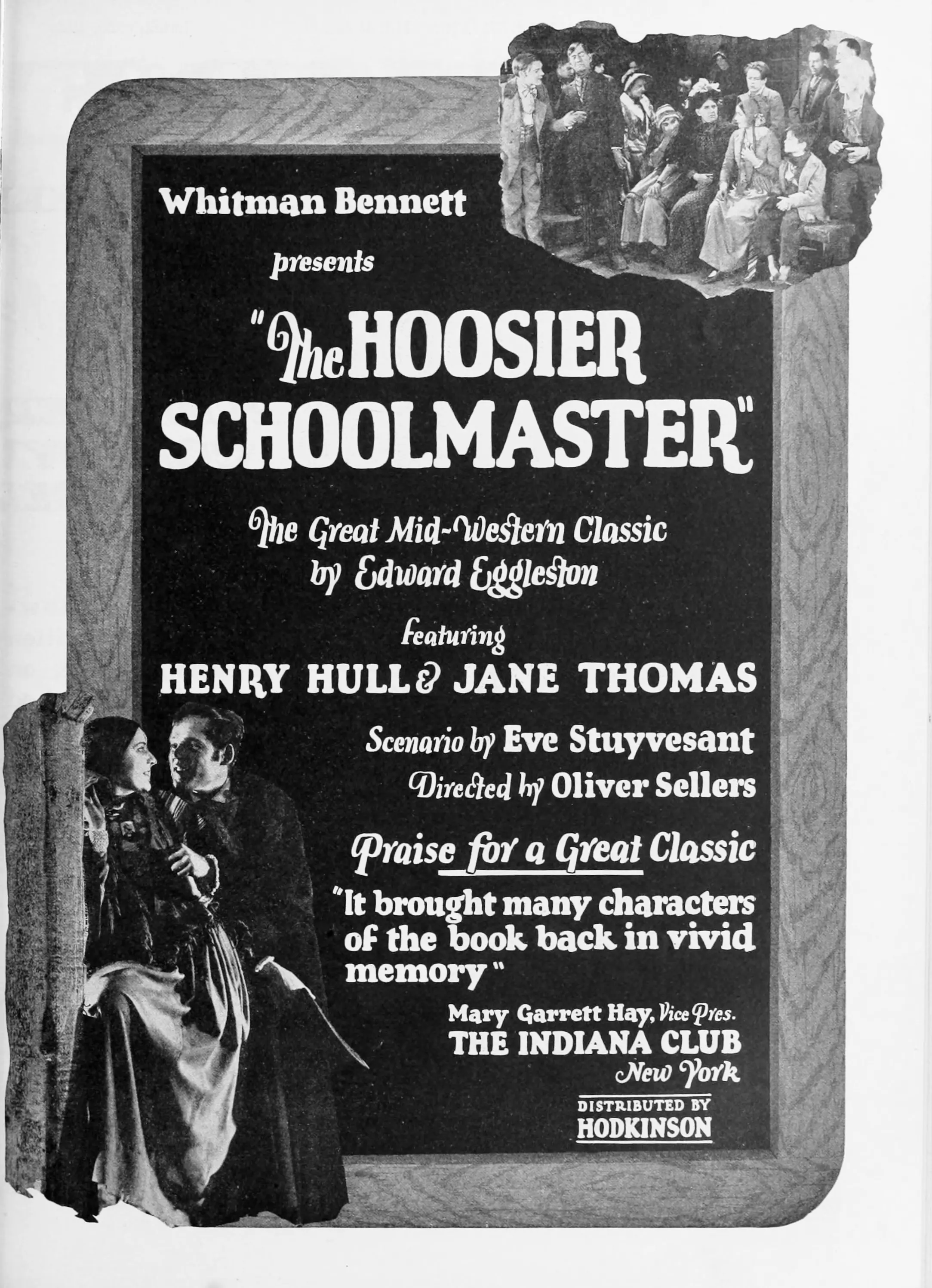
A definitive 7.3/10 rating for a film that redefined the boundaries of cult cinema. The Hoosier Schoolmaster remains a cornerstone of transgressive art.
Stepping back into the cinematic landscape of 1924, one encounters a fascinating artifact of American storytelling: The Hoosier Schoolmaster. This silent drama, adapted from Edward Eggleston's seminal novel and brought to the screen by Eve Stuyvesant's interpretation, plunges viewers into a moral crucible set against the seemingly idyllic backdrop of rural Indiana. It's a narrative that, despite its century-old vintage, resonates with timeless themes of integrity, corruption, and the redemptive power of love amidst societal machinations. The film serves as a potent reminder of an era when cinematic expression relied solely on visual poetry and the evocative power of intertitles, demanding a different kind of engagement from its audience, a silent communion with the unfolding drama.
The story commences with the arrival of Ralph Hartsook, portrayed with a compelling blend of youthful idealism and burgeoning resolve by Walter Palm, in the Flat Creek district. He is a schoolmaster, a beacon of enlightenment in a community that, beneath its rustic charm, harbors a surprising depth of intrigue and moral ambiguity. His initial lodging at the home of Old Jack Means, a prominent and affluent citizen, immediately establishes a central conflict. Means, eager to consolidate his influence and secure his family's future, envisions a marital union between Ralph and his daughter, Mirandy. This social expectation, a common trope in period dramas, immediately sets the stage for a clash between personal desire and societal pressure. Mirandy, though not extensively developed in the surviving fragments or historical accounts, represents the conventional path, a comfortable alliance that promises stability but perhaps lacks true affection. Such narrative devices were prevalent in early cinema, often serving to highlight the protagonist's moral compass and the purity of their eventual, genuine affection.
However, Ralph's heart is swiftly captivated by Hannah Thompson, a twenty-year-old orphan indentured to the Means household. Hannah, brought to life with understated grace by an actress whose name is not prominently featured in all records but whose character's plight is central, embodies resilience and quiet dignity. Her status as an orphan and a servant immediately positions her as an underdog, a figure of purity and vulnerability against the backdrop of rural power dynamics. This forbidden romance forms the emotional core of the film, a tender counterpoint to the escalating drama of corruption and injustice. The silent screen, through the expressive gestures and nuanced facial expressions of its actors, would have conveyed the burgeoning affection between Ralph and Hannah with a delicate intensity, a testament to the power of non-verbal storytelling. The audience would have been invited to discern the subtle shifts in gaze, the hesitant touches, and the silent promises exchanged between the two, a far cry from the overt declarations of love in later sound films.
The true genius of the narrative, however, lies in its unflinching portrayal of rural corruption. The film introduces Pete Jones, the political boss, and Dr. Small, the local physician, as the architects of a criminal enterprise. These characters, likely played with the broad, theatrical villainy characteristic of silent film antagonists, serve as the embodiment of moral decay. Their decision to frame war veteran John Pearson, played by George Pelzer, for the looting of toll-taker Dutchy Snyder's house, is a chilling demonstration of their ruthless efficiency in diverting suspicion. Pearson, a figure deserving of community respect, becomes a convenient scapegoat, highlighting the vulnerability of the innocent when confronted by organized malevolence. This element of the plot, the wrongful accusation and the subsequent struggle for vindication, is a recurring motif in cinematic history, from early melodramas to modern thrillers. One might draw a thematic parallel to films like The Rack, which, though later, also explores the devastating impact of false accusations on an individual's life and reputation, albeit in a different context of post-war trauma.
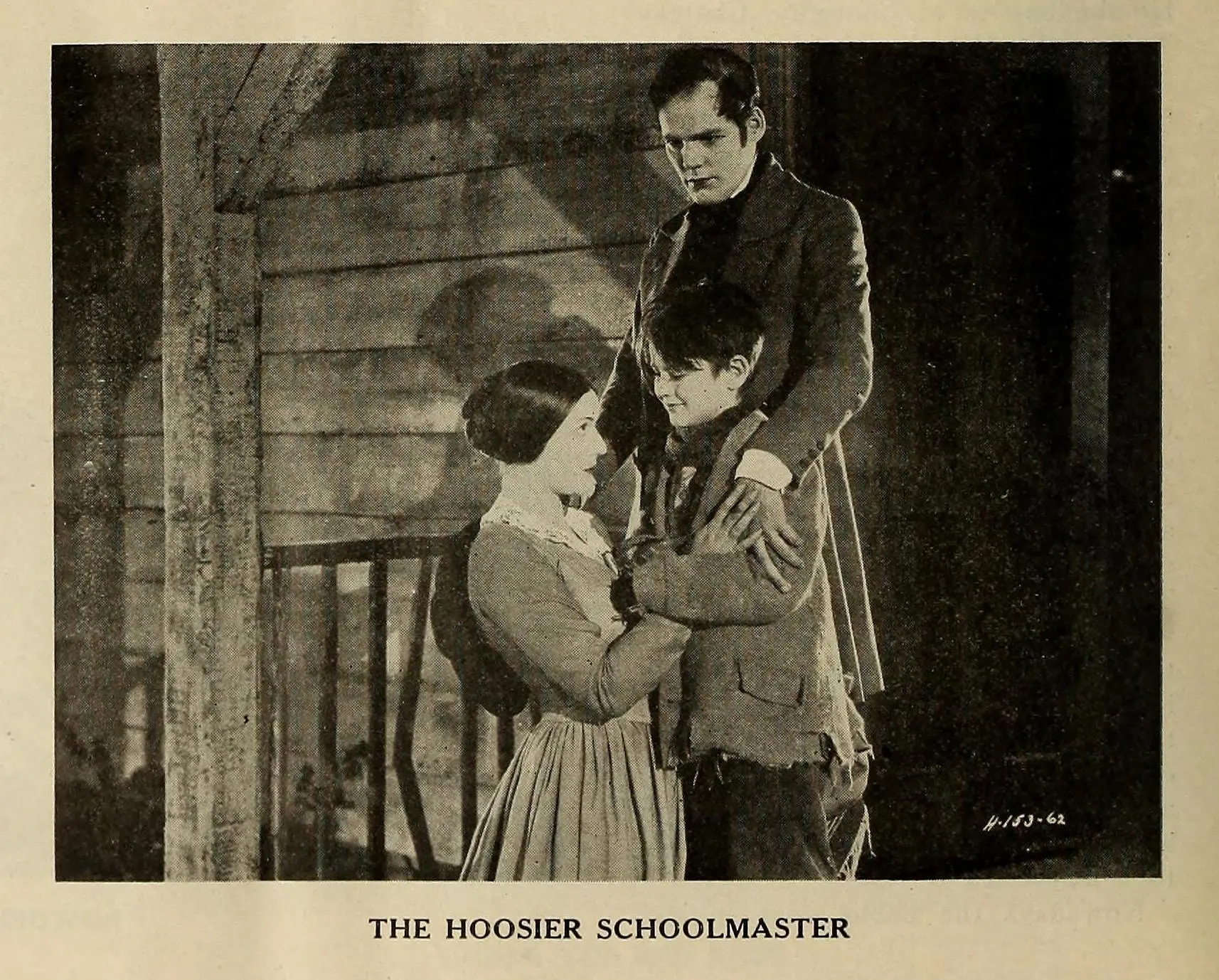
The dramatic tension escalates when a furious mob, inflamed by misinformation and prejudice, descends upon Pearson, intent on a summary lynching. This scene would undoubtedly have been a masterclass in silent film suspense, relying on rapid editing, close-ups of contorted faces, and the raw physicality of the actors to convey the palpable threat of mob violence. It is here that Ralph Hartsook, demonstrating a courage that transcends his initial scholarly demeanor, steps forward. Aided by Hannah's perceptive young brother, Shocky (likely portrayed by Harold McArthur, though cast specifics for Shocky are often debated), Ralph intervenes, saving Pearson from the brink of death. This act of heroism cements Ralph's character as not merely a scholar, but a man of action and unwavering principle. Shocky's involvement, often a device to introduce youthful innocence and insight, adds another layer to the unfolding drama, signifying that even the youngest members of the community are touched by its moral struggles.
The narrative takes a sharp, ironic turn when Ralph himself becomes the next target of the villains' machinations. Accused of the very crime he helped expose, simply because he was seen in the vicinity of Snyder's house on the night of the robbery, Ralph finds himself thrust into the unenviable position of defending his own innocence. This pivotal moment allows the film to explore themes of circumstantial evidence, the fragility of reputation, and the power of a single individual to stand against a tide of injustice. The trial sequence, a staple of legal dramas throughout cinematic history, would have been particularly compelling in a silent film format. The gravitas of the courtroom, the intense stares, the dramatic cross-examinations conveyed through intertitles, and the emotional weight resting on Ralph's shoulders would have held the audience spellbound. Characters like Nat Pendleton, Mary Foy, and Jerry Sinclair, among others listed in the cast, would have filled out the roles of jurors, witnesses, and legal figures, each contributing to the visual tableau of justice in motion.
Ralph, leveraging his intellect and moral conviction, mounts a successful defense. But the true turning point comes not just from his self-exoneration, but from the crucial testimony provided by Bud Means (likely Henry Hull, given his later prominence, though specific role allocations for some actors are fluid in historical records), Old Jack's son, who exposes Pete Jones and Dr. Small as the masterminds behind a pervasive gang of robbers. This revelation is the dramatic climax, a satisfying unraveling of the conspiracy that restores order and justice to Flat Creek. Bud Means's role is particularly significant; as a member of the influential Means family, his testimony carries weight and underscores the idea that even within seemingly corrupt systems, individuals can choose to uphold truth and morality. The defeat of the villains, often depicted with theatrical flair in silent films, would have provided a cathartic release for the audience, reinforcing the narrative's moralistic underpinnings. This resolution, where the good triumph and the wicked are brought to light, aligns with the popular sensibilities of the era, offering a clear distinction between virtue and vice, a narrative clarity that many contemporary films often eschew for more ambiguous conclusions.
With justice served and the forces of corruption vanquished, the film culminates in the long-awaited union of Ralph and Hannah. Hannah's release from her bonds of servitude at the Means home is not merely a legal formality but a symbolic liberation, signifying her transition from a state of dependence to one of true partnership. Their marriage is the emotional payoff, a testament to their enduring love, forged in the crucible of adversity. It underscores the film's overarching message: that true love, coupled with integrity, can overcome societal obstacles and personal trials. The final scene, likely a tender embrace or a shared hopeful gaze into the future, would have left audiences with a feeling of profound satisfaction, a belief in the inherent goodness of humanity and the triumph of moral fortitude.
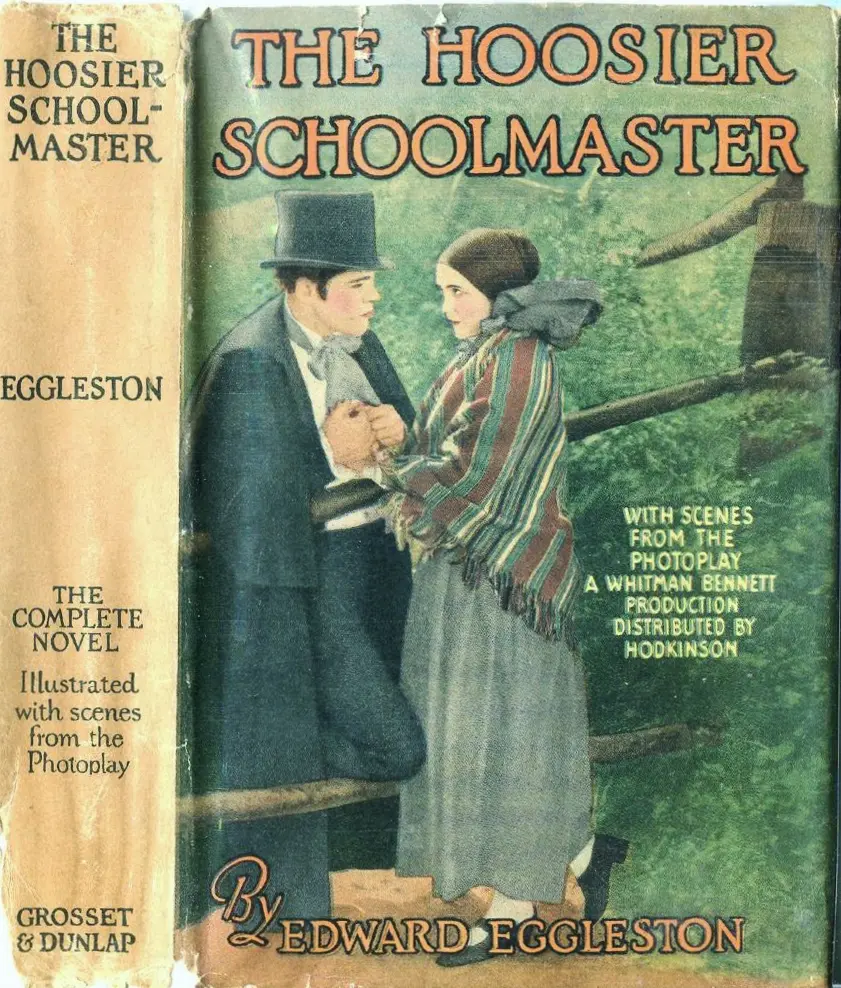
The Hoosier Schoolmaster, as a cinematic adaptation of a beloved American novel, exemplifies the narrative strengths of the silent era. It relies on strong character archetypes, clear moral conflicts, and dramatic visual storytelling to convey its message. The performances, while adhering to the more gestural style of the time, would have been crucial in communicating the internal lives of the characters without spoken dialogue. One can imagine Jane Thomas, Frank Andrews, Frank Dane, Tom Brown, Adolf Link, Dick Lee, Dorothy Allen, G.W. Hall, Arthur Ludwig, and Dorothy Walters, among others in the extensive cast, contributing to the rich tapestry of Flat Creek's inhabitants, each face telling a silent story. The film's enduring appeal lies not just in its historical significance, but in its ability to tap into universal human experiences: the struggle for justice, the search for love, and the confrontation of good versus evil.
In an era when cinema was still finding its voice, The Hoosier Schoolmaster stands as a robust example of narrative filmmaking. It eschews the more experimental or avant-garde tendencies seen in some European films of the period, opting instead for a straightforward, morally resonant tale designed to appeal to a broad American audience. The film, in its depiction of a small community grappling with its own moral failings, offers a unique window into early 20th-century American societal values and anxieties. It speaks to a deep-seated belief in the ability of individuals to effect change, to stand up for what is right, and to ultimately achieve personal happiness through virtuous conduct. This moral clarity, a hallmark of many films from this era, provides a comforting narrative in a world that was rapidly modernizing and often felt increasingly complex.
Compared to other films of its time, its focus on community justice and the triumph of the common man against entrenched power resonates with a particular American ethos. While films like Frisky Lions and Wicked Husbands or The Saleslady might have offered lighter fare or explored burgeoning consumerism, The Hoosier Schoolmaster delves into deeper, more foundational questions of ethics and governance at a local level. It presents a microcosm of the larger American experiment, where democratic ideals are tested by human foibles and greed. The film's portrayal of a community rallying, albeit initially misguidedly, and then correcting its course, speaks to a foundational optimism about the American spirit.
Writers Edward Eggleston and Eve Stuyvesant craft a story that is both deeply personal and broadly allegorical. Eggleston's original novel, published in 1871, was a pioneering work in American literary realism, and Stuyvesant's adaptation clearly sought to retain that authenticity while translating it to the visual medium. The film's ability to compress the novel's intricate plot and character developments into a coherent silent narrative is a testament to the skill of early screenwriters. It avoids the episodic pitfalls that could plague adaptations, instead focusing on a clear, escalating conflict that culminates in a satisfying resolution. The challenges of adapting a popular novel, especially one with significant regional dialect and social commentary, to a silent film format are immense, yet the film successfully conveys the essence of Eggleston's vision, proving that powerful stories transcend the medium.
In conclusion, The Hoosier Schoolmaster (1924) is more than just a historical curiosity; it is a compelling piece of cinema that speaks to enduring human values. It captures the essence of a particular time and place while simultaneously exploring themes that remain relevant today: the battle against corruption, the power of education, the strength of conviction, and the profound beauty of love found in unexpected places. The film's legacy lies in its ability to transport viewers to a bygone era, allowing them to witness a classic American narrative unfold through the unique artistry of silent film. It reminds us that even without spoken dialogue, stories can convey immense emotional depth and moral weight. For those interested in the evolution of American cinema and the power of narrative to reflect and shape societal ideals, a viewing of The Hoosier Schoolmaster is an enriching and illuminating experience, a quiet testament to the enduring power of virtue in the face of adversity. Its message, delivered through the eloquent silence of its performers and the stark beauty of its visual storytelling, continues to resonate, proving that some lessons, like true love and unwavering justice, are truly timeless.
IMDb —
1928
Community
Log in to comment.