Summary
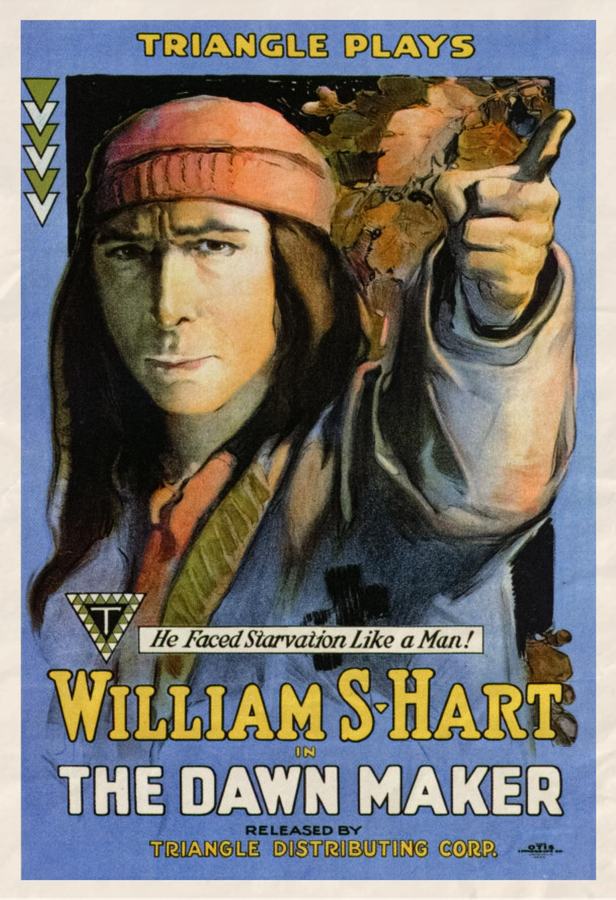
Joe Elk stands as a tragic sentinel of cultural liminality within the frost-bitten expanse of the Canadian frontier. A man of bifurcated heritage, Elk occupies a precarious social position at the Big Otter Trading Station, where he is both a protégé of the factor, Walter McRae, and the designated successor to his uncle, Chief Troubled Thunder. His existence is defined by a profound ontological yearning—a desire to synthesize the technological advancements of the white world with the ancestral spirit of his tribe. This ambition, sparked by a transformative journey to Montreal, manifests in a quixotic quest to establish a schoolhouse, an endeavor met with caustic skepticism by his kin and patronizing indifference by the object of his unrequited devotion, Alice McRae. When Alice’s preference for the refined Bruce Smithson becomes painfully evident, and his tribe ostracizes him for his 'white' ideals, Elk is cast into a psychological abyss. The subsequent narrative pivot occurs amidst a lethal blizzard, a literal and figurative white-out that strips away the veneer of civilization. As the tribe resorts to desperate larceny, leaving the McRae household to starve, Elk is forced into a crucible of ultimate sacrifice. His journey through the permafrost, characterized by a quiet, self-abnegating heroism, transforms him from a social pariah into the eponymous 'Dawn Maker,' a figure whose death facilitates the very enlightenment he could not achieve in life.
Synopsis
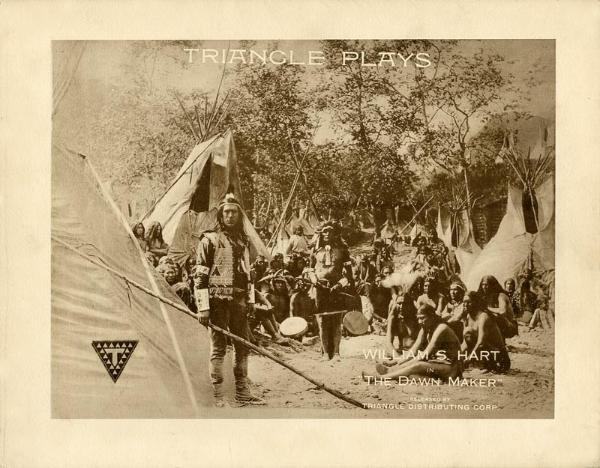
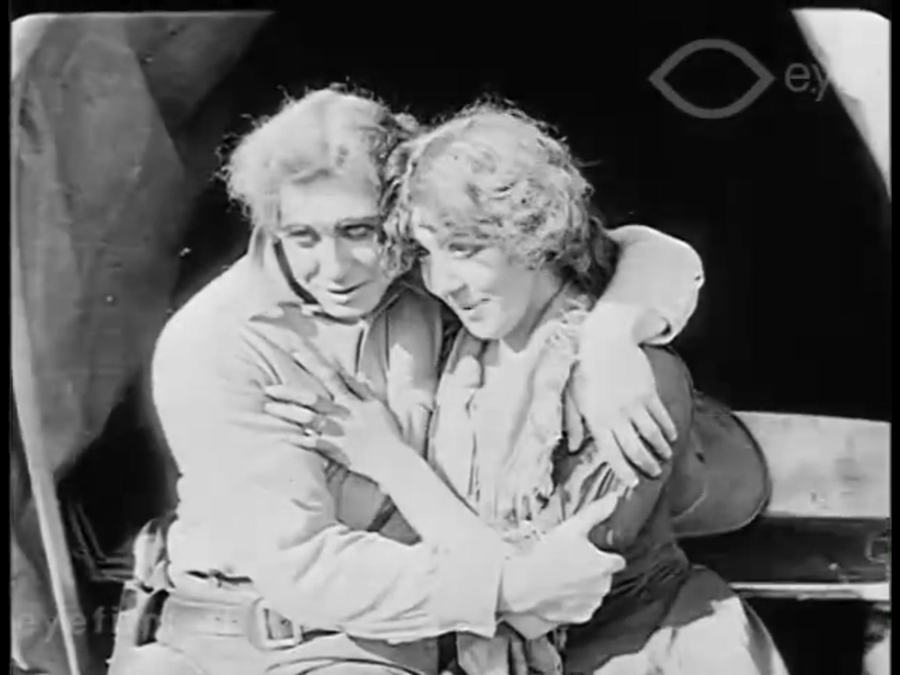
Joe Elk was a half-breed Indian and greatly admired by Walter McRae, factor of the Big Otter Trading Station, the farthest north of the outflung posts of the Hudson Bay Fur Company. Joe Elk, despite his white blood, had been accepted by the Indian tribe of which his uncle, Troubled Thunder, was chief, and it was settled that upon the death of the uncle, Joe Elk would become chief. Joe Elk had a great longing to visit the cities of the white men and above all worshiped at the shrine of McRae's daughter, Alice. She, unaware, of the feelings she inspired in the Indian, liked him impersonally, as did her father. Joe Elk visited Montreal with McRae, and when the factor, his daughter, and the Indian returned to the north, they were accompanied by Bruce Smithson, an acknowledged favored suitor for the girl's hand. Joe Elk brought back with him a determination to erect schools and give the children of his tribe the advantages of the white men he had seen in Montreal. The ideals of Joe Elk were not received in any too friendly a spirit by the Indians, however, and he met with no assistance in his desire to erect his schoolhouse. He learned that the feelings of the white girl for him were not the same as he held for her, but that, instead, it was Smithson who was the favored suitor for her hand. The unwillingness of his people to aid him in his desire to uplift them embittered Joe Elk, but encouraged by his white friends he stuck doggedly to his task and completed his schoolhouse. His determination to follow up the ideals of the whites, caused the tribe to cast him off. Then, he in turn, apprised by Alice McRae that he could never hope to win her, turned from the whites and sought to revert back to the ideals of the Indians. There came a blizzard. The Indians, shut off from their food supplies, robbed the storehouse of the company, leaving the factor, his daughter and Smithson without food. The protests of Joe Elk were unheeded and in the middle of the night, he was bound captive and forced to desert the outpost with the other Indians. A day's march away he was given his share of the stolen food and then offered the choice of accompanying the tribe or of returning to the whites. He chose the latter course. McRae, in attempting to protect the food, had been killed. The girl and Smithson faced death from starvation when Joe Elk suddenly appeared and took command of the situation. Followed many days of privation and untold suffering while the three walked many miles across the frozen lands of the north. Unknown to the others, Joe Elk saved his own meager food supply for them. When all three faced death, he forced his food on the man and the girl, sending them on, while he remained behind to meet his Maker. The girl and the man were saved and Joe Elk, though he died, was the Dawn Maker for his tribe, for the ideals for which he had really died were eventually carried out by the whites, whose devoted admirer he had been.
Review Excerpt
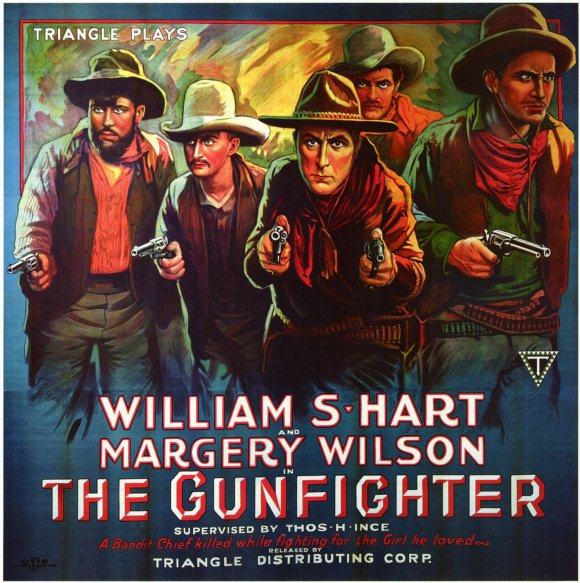
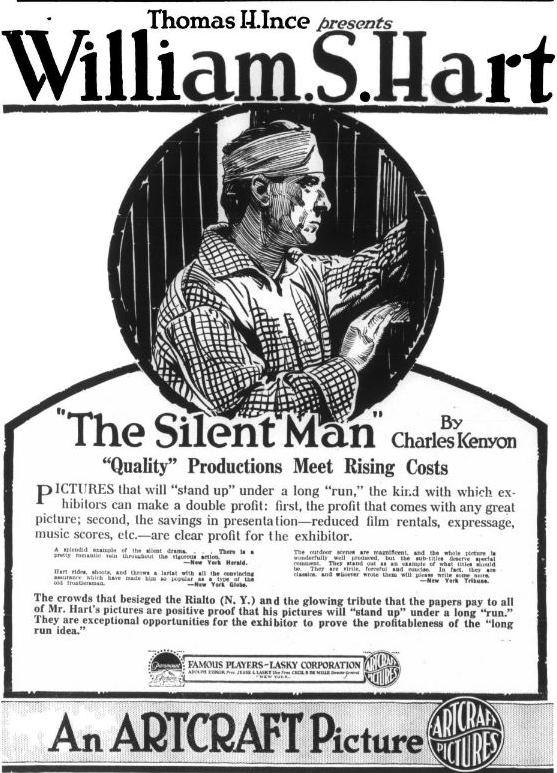
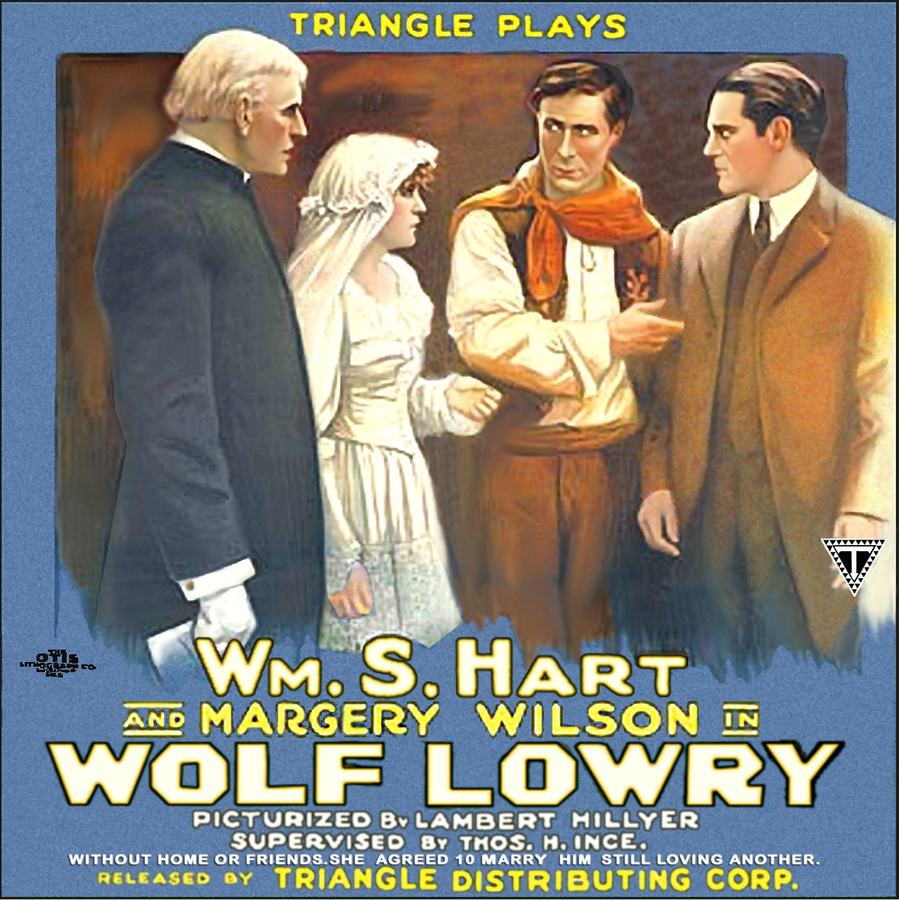
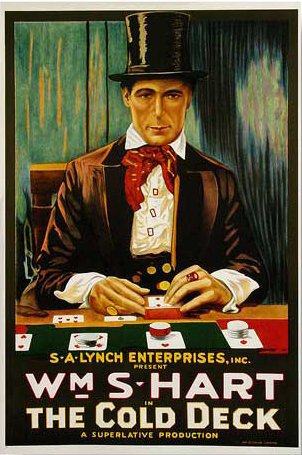
"In the pantheon of early twentieth-century cinema, few figures loom as large or as somberly as William S. Hart. While his contemporaries often leaned into the flamboyant artifice of the stage, Hart pioneered a brand of 'stark realism' that felt pulled directly from the dust and grit of the American West—or, in the case of The Dawn Maker (1916), the unforgiving permafrost of the Canadian North. This film, directed by Lambert Hillyer and penned by the prolific C. Gardner Sullivan, is not merely a ..."