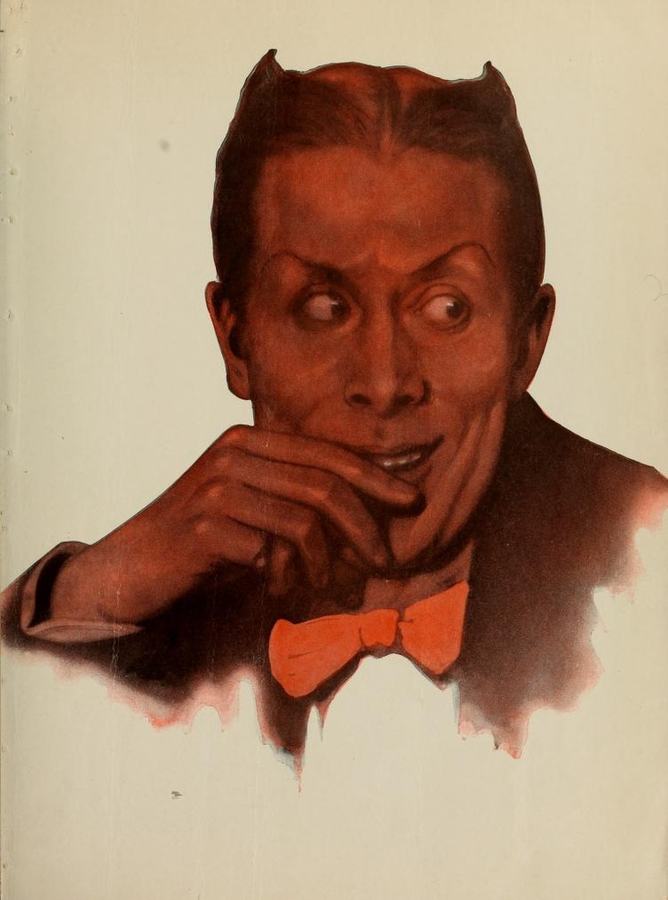
Good has always defeated Bad, so can Truth be overcome by Evil?.
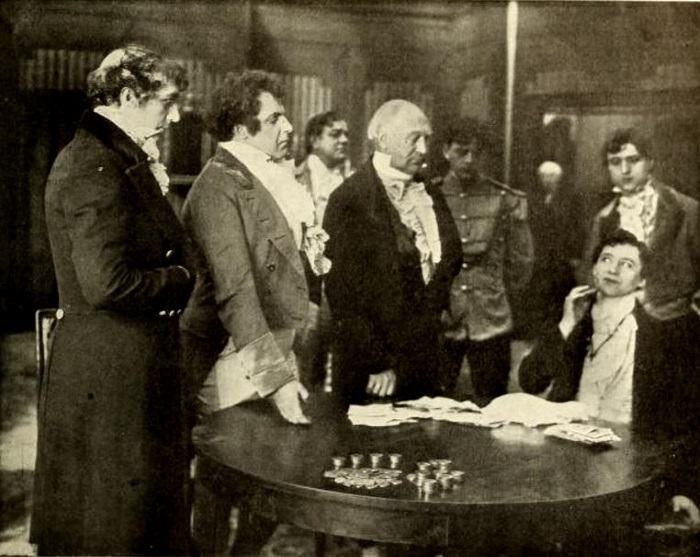
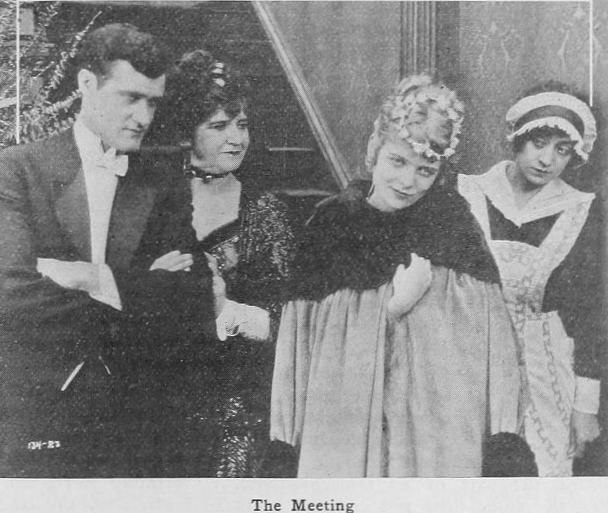
A cathedral of shadows There is a moment, roughly seventeen minutes in, when the camera forgets its characters and simply stares at a stairwell: iron ribs, gas-jet trembling, a single glove abandoned like shed skin. Edmund Goulding lets the shot linger until the silence grows fangs. You realize the staircase is not a...
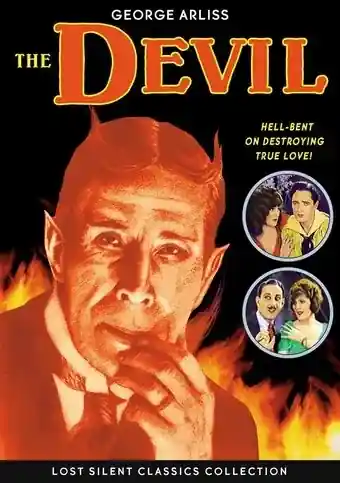
product
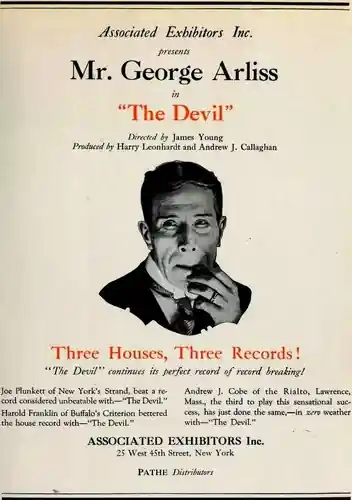
production_art
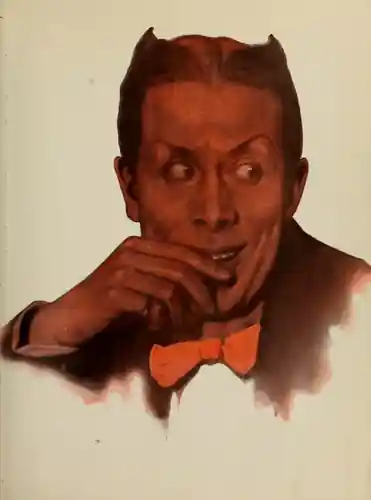
production_art
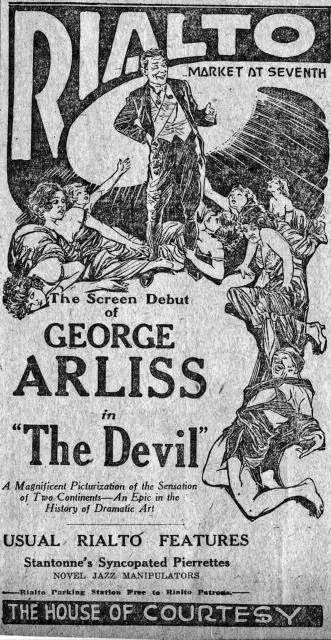
production_art
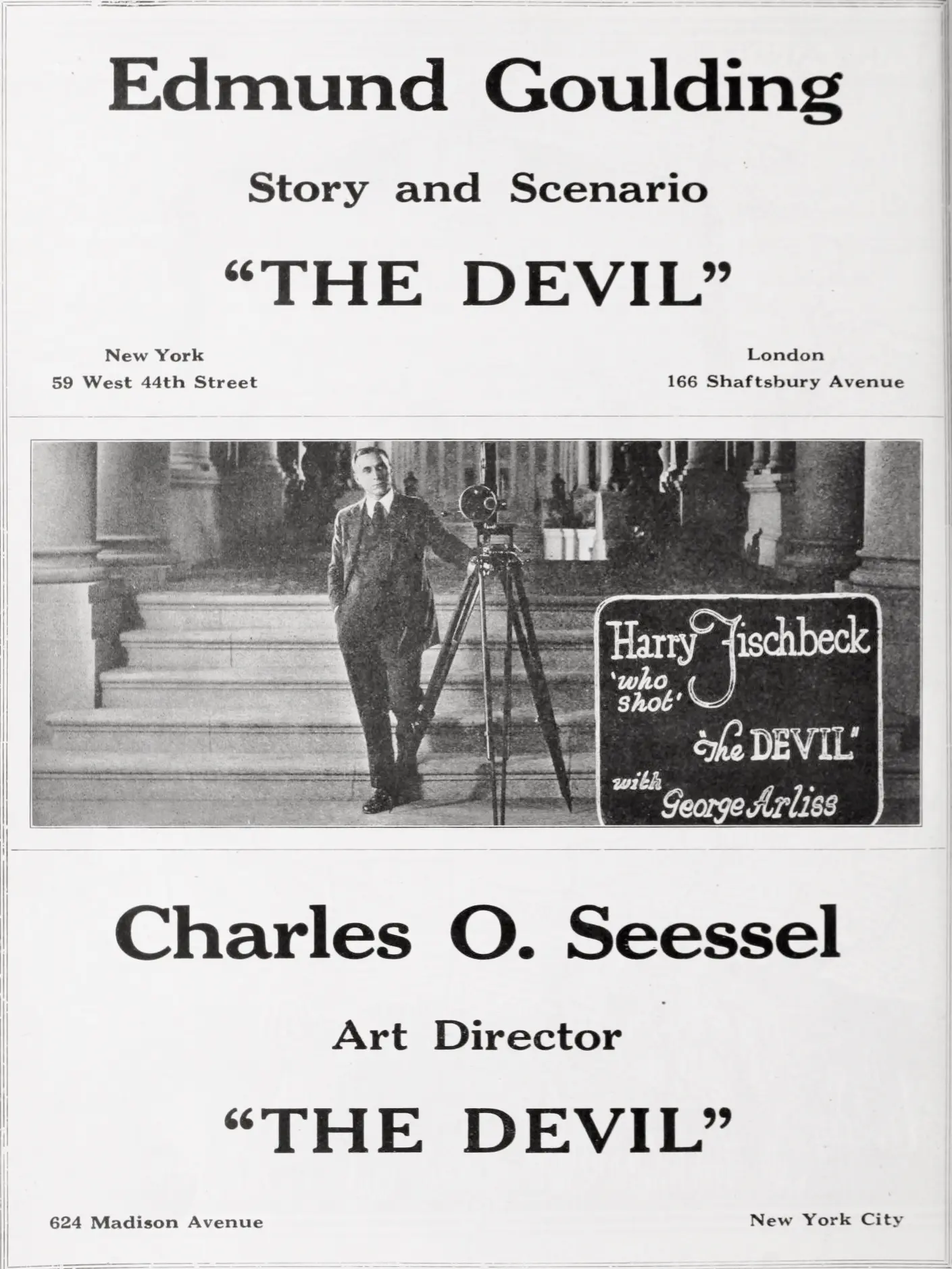
behind_the_scenes
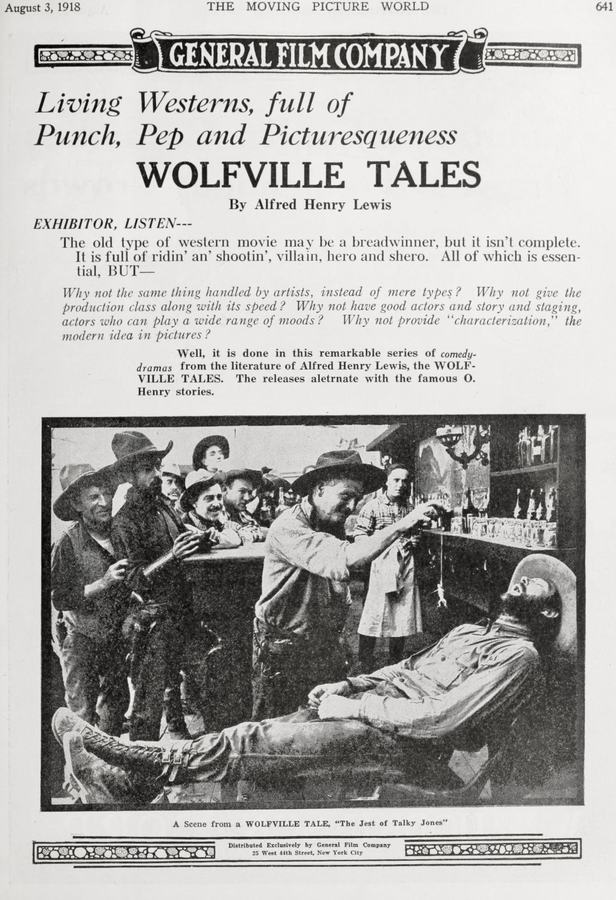
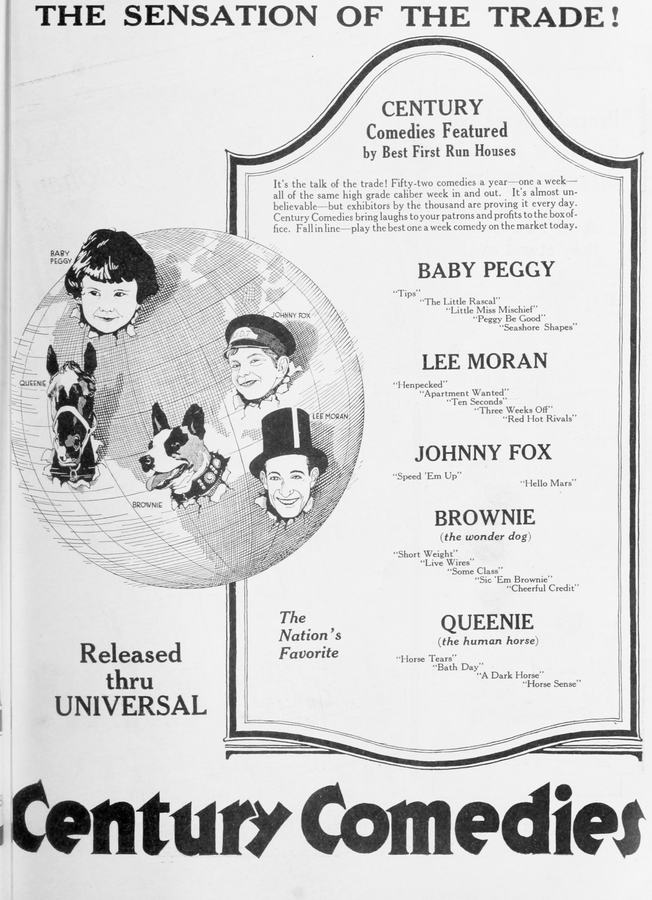
Comparing the cinematic DNA and archive impact of two defining moments in cult history.
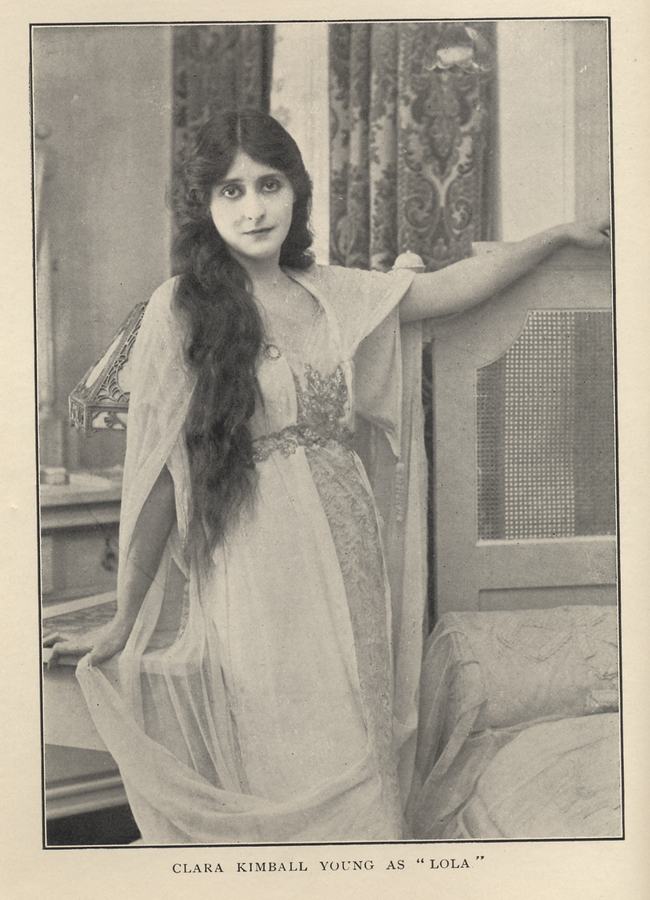
James Young
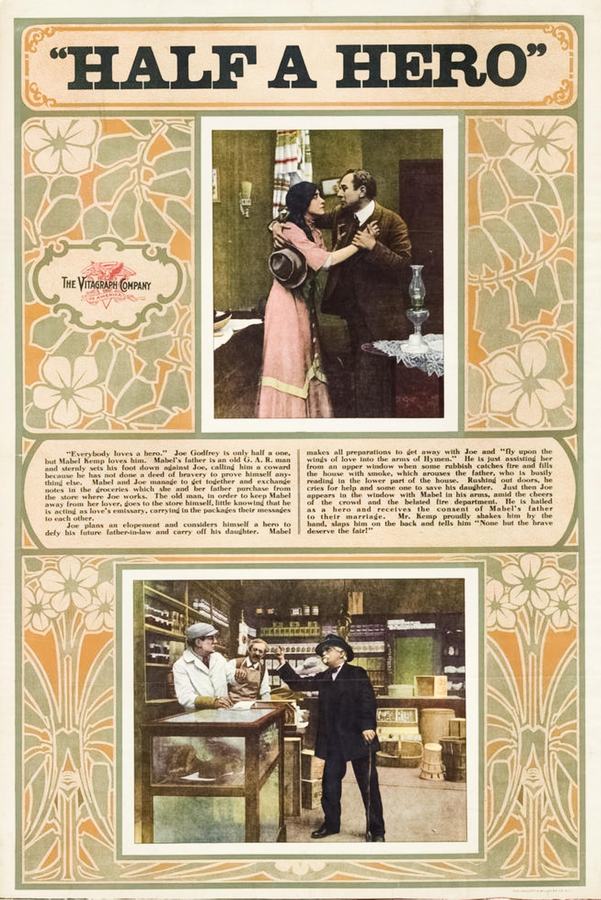
James Young
Community
Log in to comment.
" A cathedral of shadows There is a moment, roughly seventeen minutes in, when the camera forgets its characters and simply stares at a stairwell: iron ribs, gas-jet trembling, a single glove abandoned like shed skin. Edmund Goulding lets the shot linger until the silence grows fangs. You realize the staircase is not architecture but jurisprudence—every step a verdict, every banister a moral ledger. By the time Lucy Cotton glides upward, veil trailing like a comet’s tail, the space has already i..."
Oliver Herford, Ferenc Molnár, Edmund Goulding
United States