DbcultAccessing Vault...
3.8/10
Senior Film Conservator
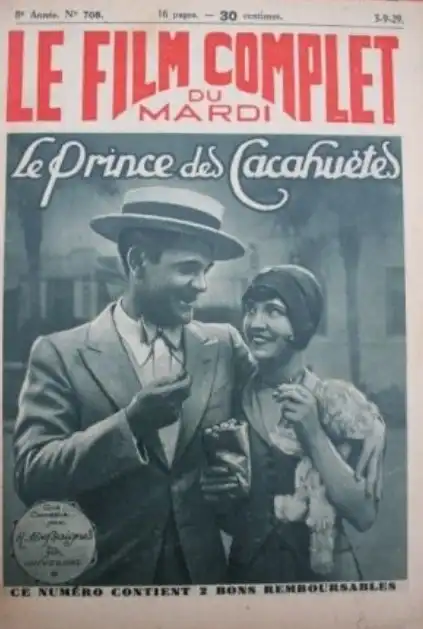
A definitive 3.8/10 rating for a film that redefined the boundaries of cult cinema. How to Handle Women remains a cornerstone of transgressive art.
Alright, let’s just get this out of the way: How to Handle Women. The title alone, even for 1928, feels like a punchline, or maybe a self-help pamphlet from a very dusty corner of history. If you're a die-hard silent film enthusiast, or someone endlessly fascinated by the weird corners early Hollywood could wander into, then yes, this might be worth a Sunday afternoon. For anyone else? Honestly, probably not. You’ll spend most of it either baffled or mildly amused by its earnest absurdity, and that's okay, but it’s a specific kind of viewing experience.
The plot, such as it is, hinges on peanuts. Yes, peanuts. Our hero, Leonard Higgins, is a commercial artist – a detail that feels almost secondary to his sudden pivot to international agricultural economics. He’s roped into saving the fictional Vulgaria, a country whose primary export seems to be… well, financial insolvency, until Higgins spots its untapped peanut potential. It’s a premise so utterly bonkers that you almost have to admire the sheer audacity of it. Almost.
The early scenes setting up Vulgaria's plight are a bit of a slog. There's a lot of hand-wringing and dramatic gesturing from the Vulgarian officials, all looking suitably distressed in their vaguely Eastern European-ish costumes. You get the sense the film is trying very hard to convince you that Vulgaria's bankruptcy is a weighty matter, but it's hard to take seriously when the solution is a glorified nut. One particular shot of Prince Hendryx staring pensively at a single, sad peanut on a table goes on for what feels like an eternity. Is he contemplating its protein content? Its shell integrity? It’s hard to tell, but the silence stretches until it’s less profound and more just… waiting for the next title card.
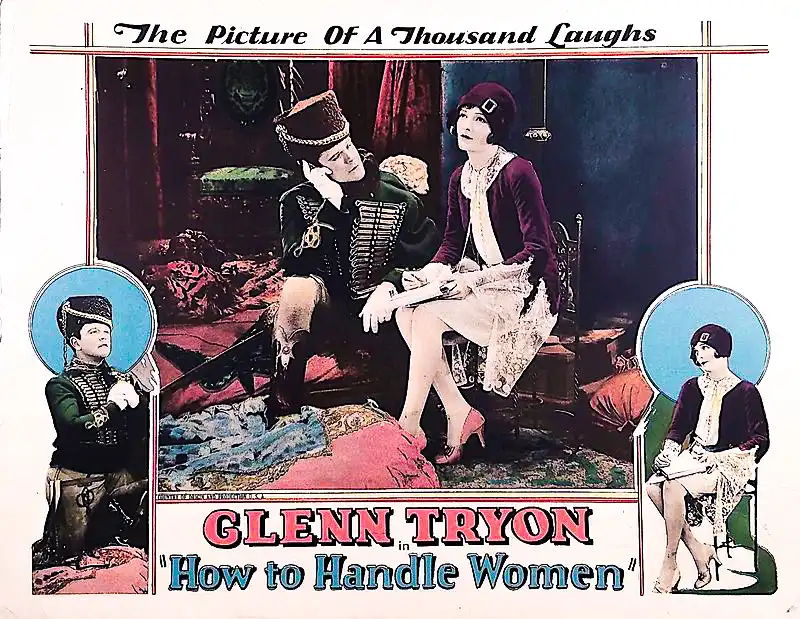
Leonard Higgins, played by Glenn Tryon, has this earnest, slightly bewildered charm. He’s not exactly a suave leading man, more like the guy who accidentally stumbling into saving a country. His attempts to woo Beatrice Fairbanks (Marian Nixon) feel similarly haphazard. There’s a scene where he tries to impress her with a drawing of a peanut processing plant, and her reaction shot is this wonderfully understated, almost bored expression. It makes you wonder what she was really thinking, stuck in a silent film where her suitor is pitching legumes.
The film’s pacing is a real rollercoaster. Moments of critical plot development, like the actual mechanics of the peanut trade, are often glossed over with a single, vague title card. Then, you’ll get a lingering close-up on a character’s face reacting to a minor inconvenience for what feels like ages. It’s uneven, which isn’t always a bad thing in these old films, but here it feels less like an artistic choice and more like they weren’t quite sure how to bridge the gaps.
And then there’s Bela Lugosi. Yes, that Bela Lugosi. He’s here, though blink and you’ll miss him in a fairly minor role as a diplomat or official of some kind. He doesn't get to do much beyond looking stern and occasionally nodding gravely. It's fascinating to see him before his iconic roles, just another face in the crowd, though even then, there’s a certain intensity in his gaze that hints at what’s to come. You almost wish he'd break out of character and just start monologuing about bats.
The 'handling women' aspect of the title is, thankfully, not as cringe-worthy as it could have been, mostly because it feels like an afterthought. Higgins's romantic pursuits are secondary to the peanut empire. It’s less about some grand patriarchal strategy and more about a guy trying to get the girl while also trying to not let a whole country go broke. The chemistry between Tryon and Nixon is… fine. It’s not electric, but they manage to convey a sort of comfortable, if slightly awkward, affection by the end.
One moment that genuinely caught me off guard was a brief, almost slapstick sequence involving a runaway cart of peanuts. It’s oddly out of place with the more dramatic (or attempting to be dramatic) scenes, but it’s also the most lively part of the whole film. It feels like a sudden burst of energy, a moment where the filmmakers just let loose a little, and it works. You almost wish the entire movie had embraced that slightly chaotic energy more often.
The sets are what you’d expect for the era – mostly functional, a bit theatrical. Vulgaria looks like a generic European country dreamt up by someone who’d only seen pictures. There’s a scene in a market that has an oddly sparse feel to it, like the extras budget ran out and they just hoped no one would notice the empty stalls. It doesn’t exactly immerse you in this struggling nation.
Ultimately, How to Handle Women is a curiosity. It’s a testament to the wild, anything-goes spirit of early cinema, where a plot about saving a country with peanuts could be greenlit. It’s not particularly good, no, but it’s not entirely without its charms either. If you approach it with the right mindset – that of an archaeologist digging up a strange artifact – you might find some enjoyment in its clunky sincerity and the sheer oddity of it all. Just don’t expect any profound lessons on, well, handling women. Or, for that matter, a masterclass in silent film pacing.
IMDb 6.8
1936
Community
Log in to comment.