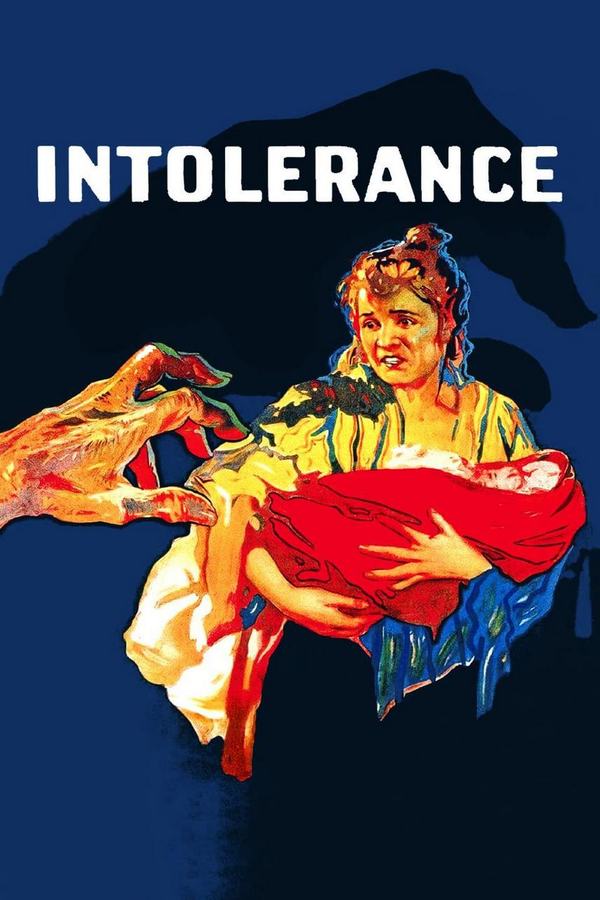
Summary
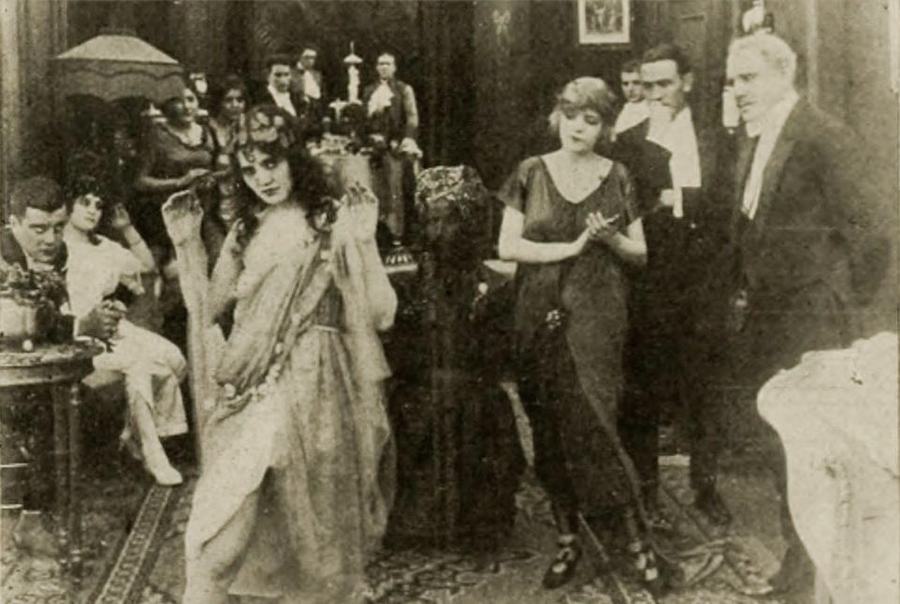
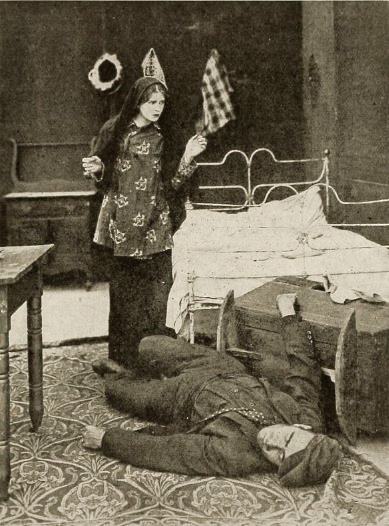
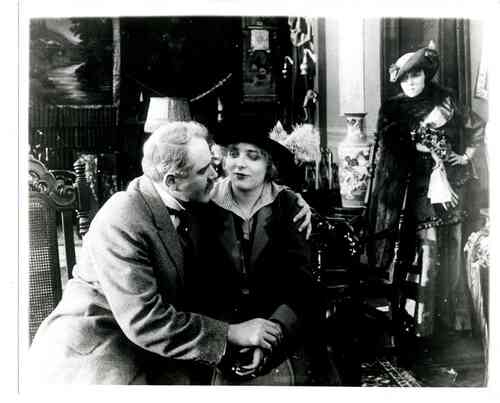
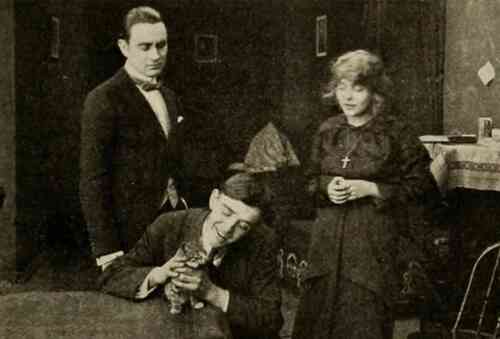
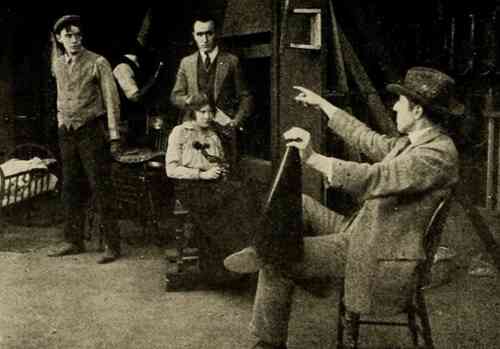
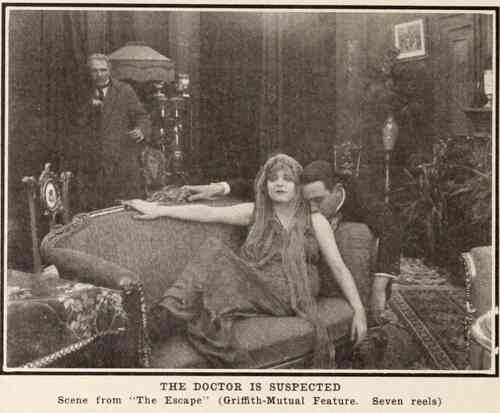
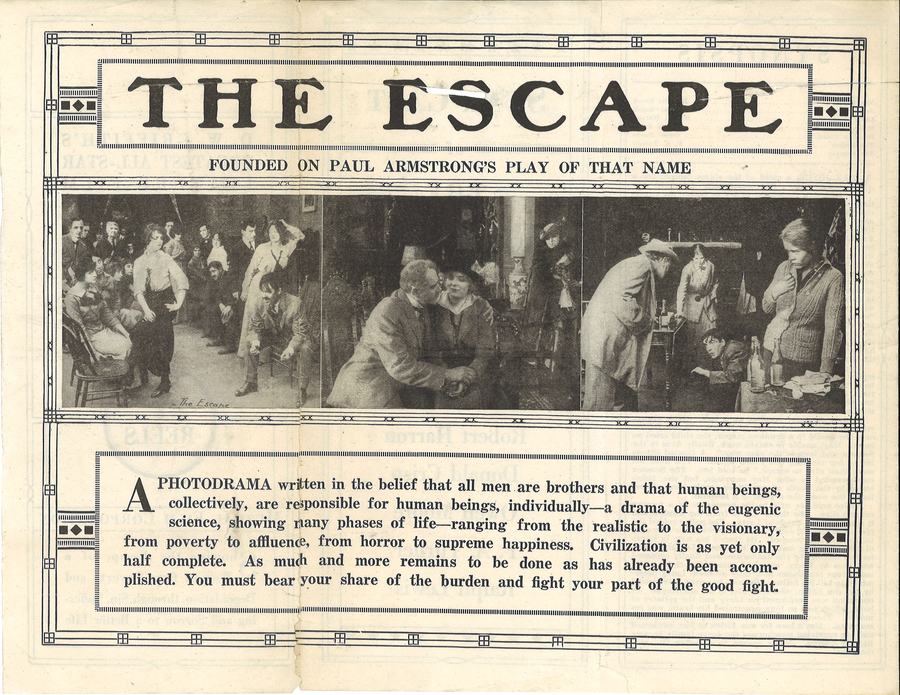
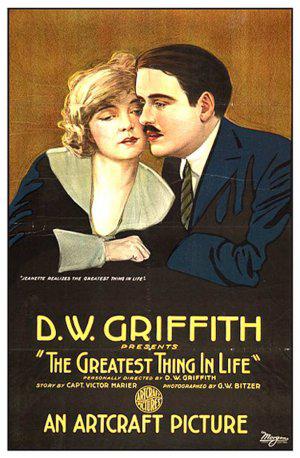
A primordial ballet unfurls inside a sun-bleached menagerie where stags lock antlers like dueling constellations, peacocks unfurl kaleidoscopic verdicts, and bowerbirds curate jewel-toned galleries to woo wary mates. Griffith splices these rites of claw, plume, and instinct against a Victorian parlour scented with piano-wire tension: two sisters—one radiant as dawn, the other pale as parchment—bicker over a taciturn suitor whose gaze already drifts toward the household’s flaxen governess. The father, a banker with a pocket-watch for a heart, auctions his eldest to a corpulent railroad man whose mutton-chop whiskers twitch like predator bristles. Meanwhile the governess, reading Darwin by candle, recognizes the same arithmetic of selection in her own tremulous pulse. A country-house dance becomes a courtship arena: chandeliers mimic stellar arrays, gloves perform proxy seductions, and a single dropped handkerchief triggers a stampede of rumor. The rejected sister bolts to the moors, is cornered by a poacher whose hunger is half-lust, half-survival, and bargains for her virtue with the same cool calculation a widowbird assesses nest potential. Back in town, the wedding banquet—filmed like a pagan sacrificial rite—collapses under the weight of its own pageantry when the groom’s ex-mistress storms in wearing a scarlet dress that screams of blood in the water. Stampeding stallions, thunderclouds shaped like uterine symbols, and cross-cut shots of caged canaries all chant the same Darwinian chorus: every coupling is a crucifixion of alternatives. The finale arrives not with a kiss but with a wide-shot of the escaped governess striding across a heath toward an uncertain horizon, her silhouette rhyming with the earlier image of a lone she-wolf abandoning a failed pack. No moral, no matrimonial balm—only the chill recognition that human hearts, stripped of lace and lit by flickering nitrate, behave exactly like the beasts we cage for spectacle.
A dramatic comparison between the mating habits of animals and the way humans choose their own partners.
Review Excerpt
"
A zoological fever dream masquerading as drawing-room melodrama, The Escape is the missing evolutionary link between Victorian parlor ethics and the raw Darwinian panic that would soon convulse a continent at war.
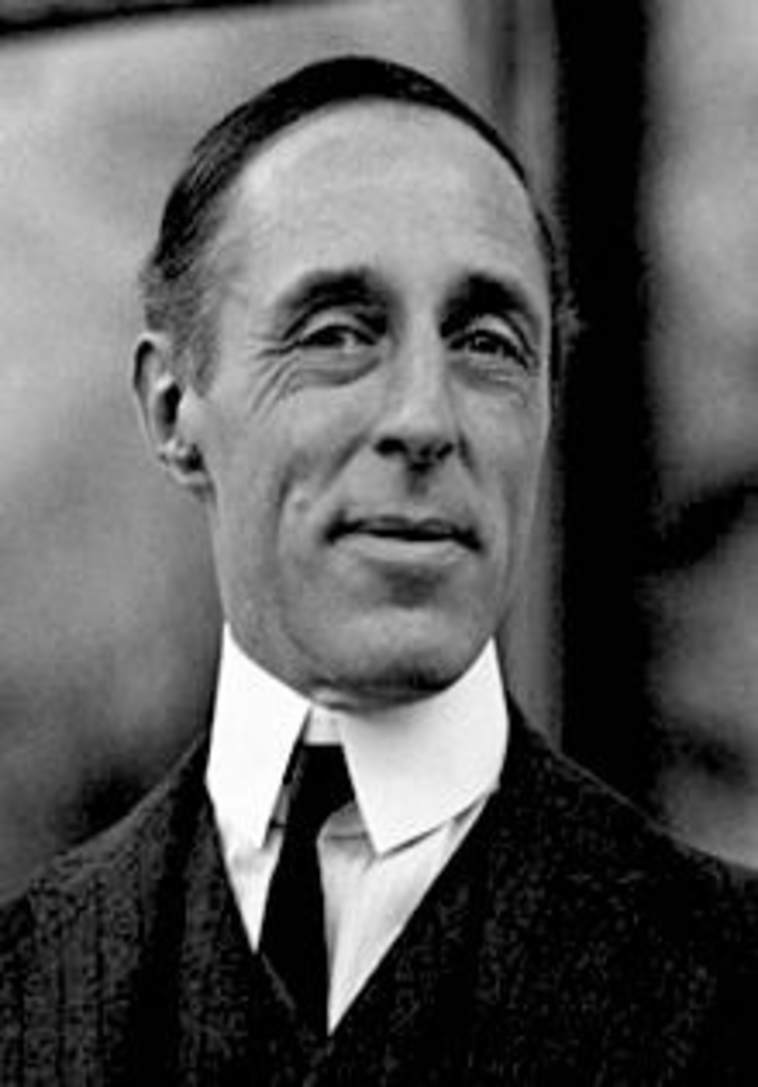
D.W. Griffith, ever the poetic sadist, begins inside a ramshackle zoo where iron bars score the frame like prison music. Donald Crisp’s veterinarian prowls the aisles, clipboard in hand, comparing the rut of elk to the courtship rituals of the moneyed class he will soon invade. The c..."