DbcultAccessing Vault...
Cult Review
Senior Film Conservator
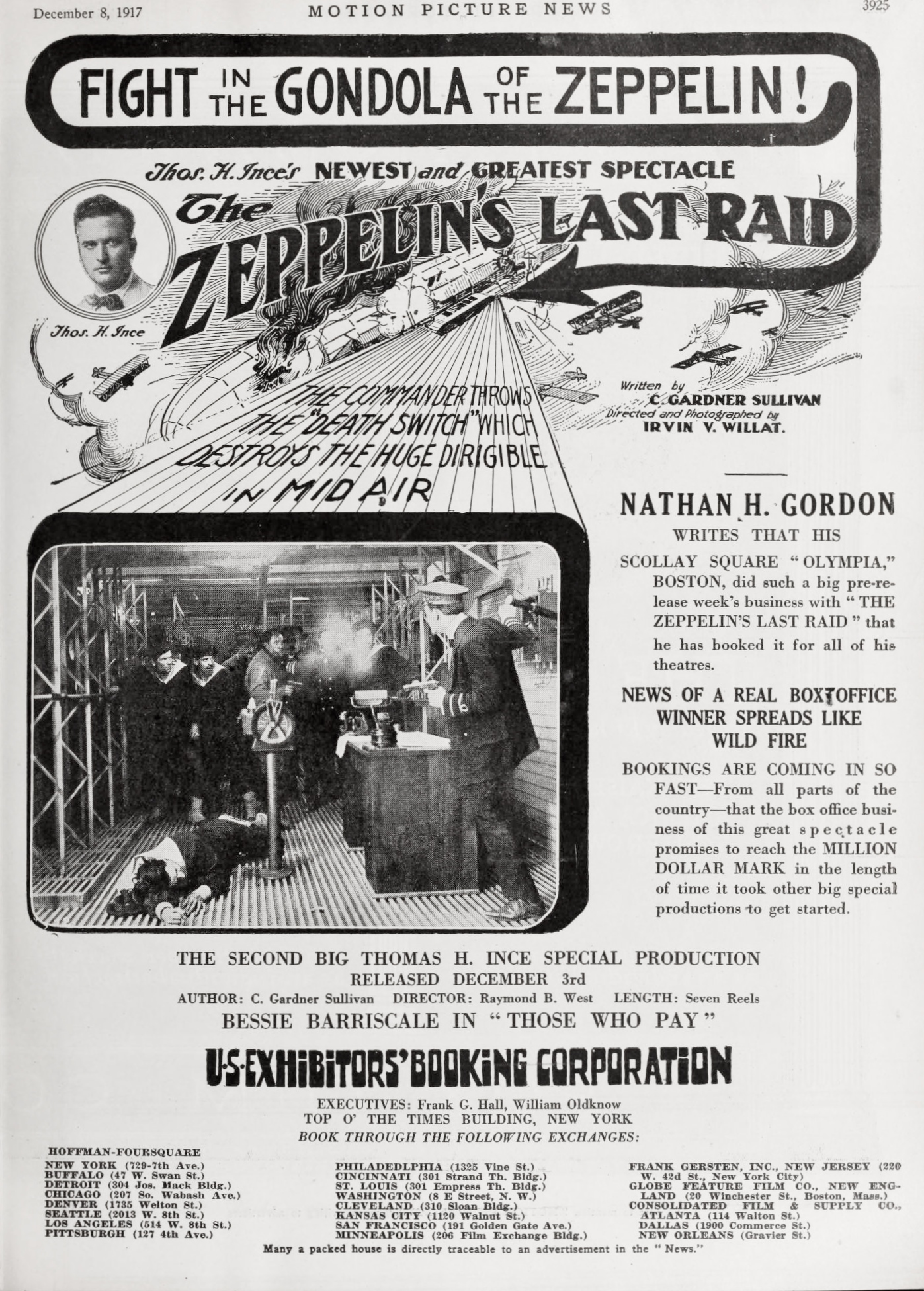
Ah, the silent era! A time when narratives, unburdened by dialogue, relied entirely on the visceral power of imagery, the nuanced expressions of its players, and the dramatic thrust of its premise. In this rich landscape, 'The Zeppelin's Last Raid' emerges as a fascinating artifact, a cinematic time capsule that offers more than just historical curiosity. It’s a film that plunges headfirst into the tumultuous currents of World War One, not merely as a backdrop for grand battles, but as the very crucible for a deeply personal, morally fraught conflict. This isn't just about bombs and airships; it's about the agonizing schism between duty and desire, patriotism and profound affection, all set against the crumbling edifice of an empire.
At its core, 'The Zeppelin's Last Raid' presents us with a taut, almost unbearable tension. Imagine, if you will, the young, ostensibly loyal commander of a German airship, his uniform gleaming with the authority of the Kaiser, his mission unambiguous: to rain destruction from the skies. Yet, his world is irrevocably complicated by the woman he loves, a beacon of light in a darkening world, who secretly champions a cause diametrically opposed to his own. She is a vital cog in a clandestine rebel network, meticulously plotting the overthrow of the very regime her sweetheart serves. It’s a premise dripping with dramatic irony, a narrative tightrope walk that C. Gardner Sullivan and Monte M. Katterjohn, the screenwriters, navigate with commendable skill for the period. The brilliance lies in its refusal to simplify, to paint characters in broad strokes of good versus evil. Instead, it delves into the ambiguity, the human cost of allegiance in a world where allegiances are shifting like sand dunes in a desert storm.
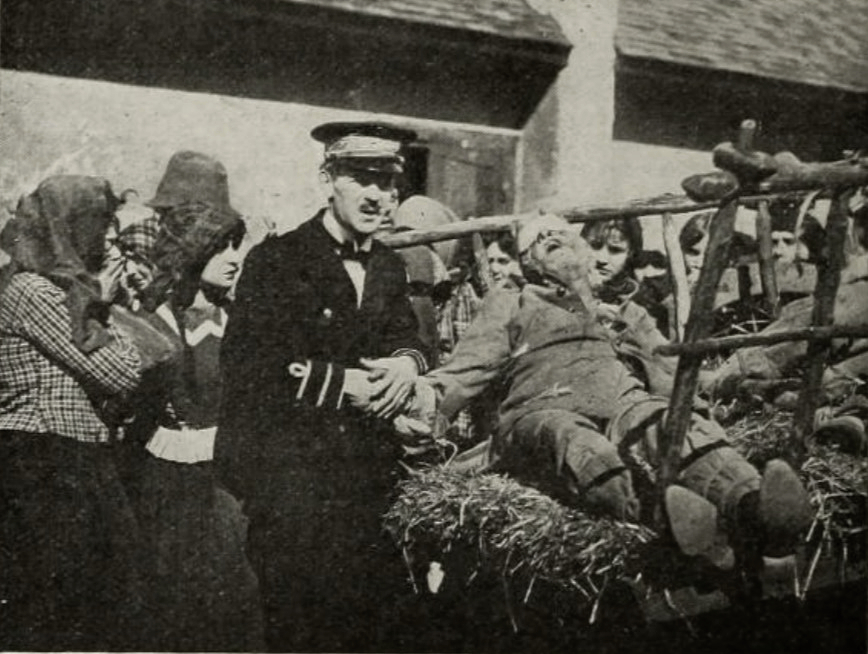
Alfred Hickman, as the conflicted Zeppelin commander, delivers a performance that, even through the lens of a century, resonates with a quiet intensity. His portrayal isn't one of overt theatrics, but rather a slow-burn agony, a man caught in an impossible bind. We see the weight of his command, the steely resolve demanded by his position, constantly battling the tender vulnerability exposed by his devotion to Enid Markey’s character. His eyes, in the close-ups, betray the internal struggle, the silent pleas for a world where love isn't a weapon against duty. It’s a nuanced take on the wartime hero, or anti-hero, depending on your perspective, that asks us to empathize with a man on the 'other side,' a remarkable feat of storytelling for an era often prone to jingoistic portrayals. His struggle might echo the profound moral dilemmas explored in films like The Conscience of John David or Conscience, where the internal ethical battle often eclipses external action in its intensity.
Enid Markey, a prominent figure of early cinema, brings a captivating blend of fragility and steel to her role. Her character isn't merely a damsel in distress or a romantic foil; she is an active agent of change, a woman driven by a fierce, almost revolutionary spirit. Markey imbues her with a quiet strength, a conviction that transcends the typical romantic entanglement. Her commitment to the rebel cause isn't presented as a whimsical choice but as a deeply held belief, a moral imperative that forces her to make unthinkable sacrifices, including potentially betraying the man she loves. The chemistry between Markey and Hickman, though subtle, is palpable, a silent testament to a love that defies the political chasm separating them. This kind of complicated, emotionally charged romance, where external forces threaten to tear lovers apart, finds resonance in the passionate portrayals seen in films like The Fires of Youth or The Lily and the Rose, though 'Zeppelin's Last Raid' adds the unique layer of direct ideological opposition.
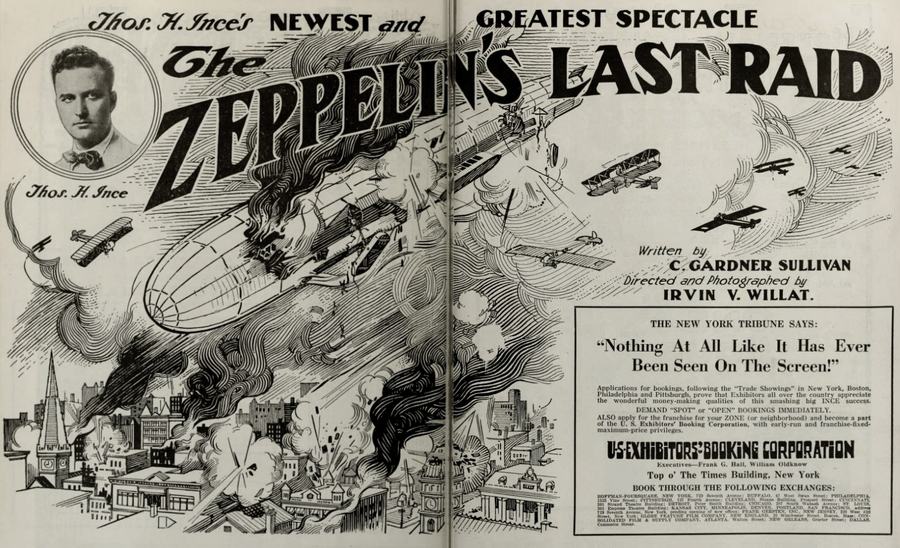
The film’s portrayal of the Zeppelin itself is noteworthy. In an age before sophisticated CGI, the sheer scale and menace of these aerial behemoths had to be conveyed through clever set design, miniatures, and judicious use of stock footage or carefully constructed sequences. The tension of the bombing raids isn't just about the explosions; it's about the ominous shadow cast by the airship, the vulnerability of the ground below, and the chilling detachment of warfare from above. The visual language employed to convey the vastness of the sky and the intricate workings of the airship adds a compelling layer of realism, grounding the dramatic personal narrative in a tangible, perilous world. While perhaps not as overtly adventurous as On the Spanish Main, the film nonetheless crafts its own brand of high-stakes suspense, albeit focused more on aerial threats than swashbuckling.
Beyond the individual performances, 'The Zeppelin's Last Raid' offers a fascinating glimpse into the zeitgeist of its creation. Released during or shortly after the war, it navigates the complex emotions of a populace grappling with the aftermath of global conflict. It dares to humanize the 'enemy' to a degree, prompting audiences to consider the shared humanity beneath the uniforms and ideologies. The rebel group, though vaguely defined in its specific aims, represents the burgeoning anti-establishment sentiment that swept across Europe, questioning the old monarchical orders that had led to such widespread devastation. This element of political awakening, juxtaposed with personal sacrifice, gives the film a depth that transcends simple melodrama, elevating it to a commentary on the forces shaping the 20th century.
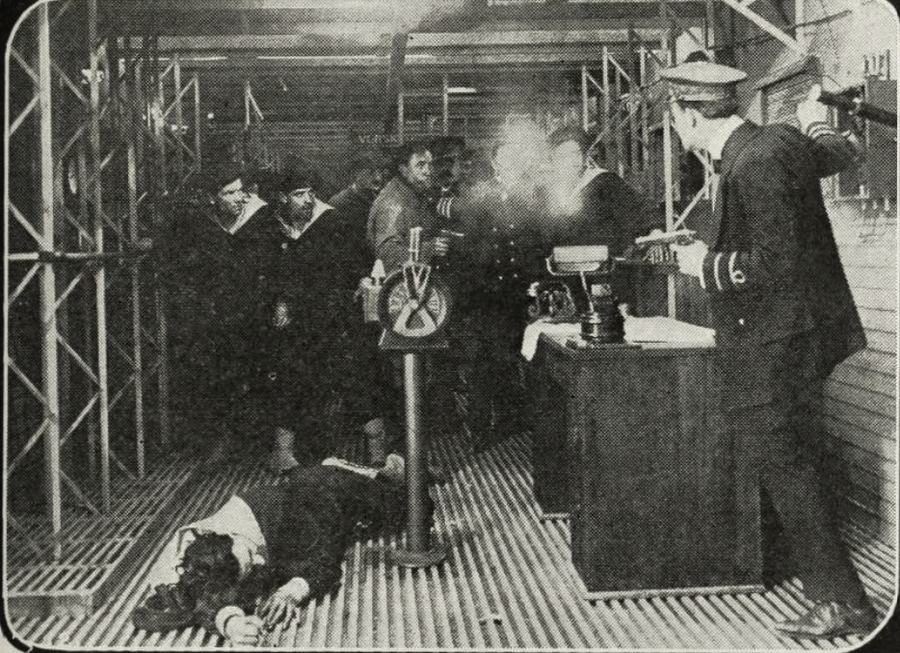
The pacing of the film, typical of the silent era, relies on a gradual build-up of suspense, punctuated by dramatic intertitles that guide the viewer through the narrative’s twists and turns. While modern audiences accustomed to rapid-fire editing might find it deliberate, there is a profound artistry in its measured rhythm. It allows the emotional beats to land with greater impact, giving space for the audience to absorb the moral quandaries and the looming threat. The visual storytelling, through composition and actor's gestures, is paramount, demanding a different kind of engagement from the viewer—one that rewards careful observation and empathetic interpretation. The film's ability to maintain tension without spoken dialogue is a testament to the directorial craft and the expressive power of its cast.
The ending, without giving away specifics, provides a resolution that is both poignant and, perhaps, inevitable given the tragic contours of the narrative. It doesn't shy away from the harsh realities of war and rebellion, nor does it offer overly saccharine conclusions. Instead, it leaves a lingering impression of the profound sacrifices demanded by loyalty, whether to a nation, an ideal, or a beloved individual. It's a conclusion that reinforces the film's central theme: that even in the grand sweep of history, personal choices carry immense weight, and the heart's allegiances can be the most dangerous battleground of all.
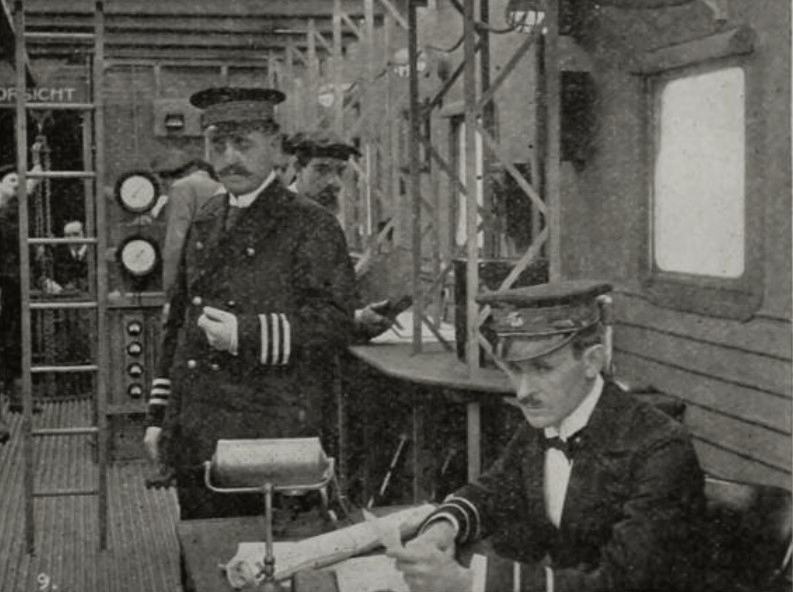
'The Zeppelin's Last Raid' might not be as widely celebrated as some of its contemporaries, but its thematic richness and emotional depth make it a valuable piece of cinematic history. It's a reminder that even in the nascent stages of filmmaking, storytellers were grappling with complex human issues, using the nascent power of the moving image to explore dilemmas that remain universal. The film serves as a compelling exploration of identity during wartime, a theme that has resonated through countless narratives, from the grand epics to the most intimate character studies. It forces us to consider the fluid nature of 'enemy' and 'ally,' and the tragic irony of conflict tearing apart the very fabric of personal connection. Much like other films of its era, such as A Yankee from the West or The Heart of the Hills, it captures a distinct historical moment while weaving a tale that speaks to enduring human experiences.
For those interested in the evolution of cinema, 'The Zeppelin's Last Raid' offers insights into early narrative construction, character development, and the burgeoning techniques used to convey spectacle and emotion without the aid of synchronized sound. It’s a testament to the ingenuity of filmmakers working under considerable technical constraints, yet still managing to craft a compelling and impactful story. The film's exploration of espionage and covert operations, while perhaps less intricate than later thrillers, nonetheless establishes a foundational blueprint for such narratives, demonstrating an early understanding of how to build suspense around hidden motives and secret alliances. Its depiction of a love tested by loyalty to conflicting causes is a timeless trope, given a fresh and urgent spin by its specific historical context. The moral ambiguity woven into its core makes it more than just a historical curiosity; it's a resonant piece of art that continues to provoke thought and conversation.
In a world still grappling with the complexities of geopolitical conflict and the personal costs of ideological divides, 'The Zeppelin's Last Raid' remains remarkably pertinent. It serves as a potent reminder that beneath the grand narratives of war and revolution lie individual hearts, torn between competing loyalties, striving to find meaning and connection amidst chaos. It’s a film that deserves to be rediscovered, not just for its historical significance, but for its enduring power to illuminate the human condition in its most challenging moments. Its ability to create such a profound emotional landscape without a single spoken word is a powerful testament to the universal language of cinema and the enduring artistry of its creators. The film’s quiet power, much like the slow, deliberate movement of the Zeppelin itself, builds to an unforgettable crescendo, leaving an indelible mark on the viewer long after the final frame has faded.

IMDb —
1923
Community
Log in to comment.