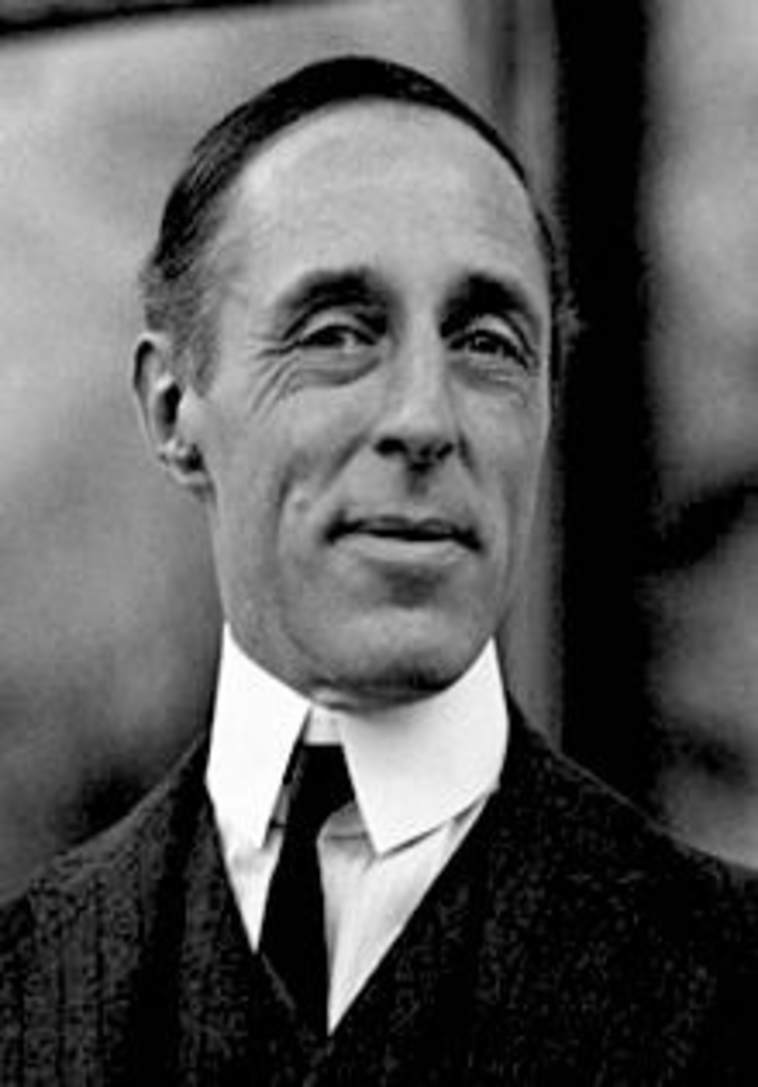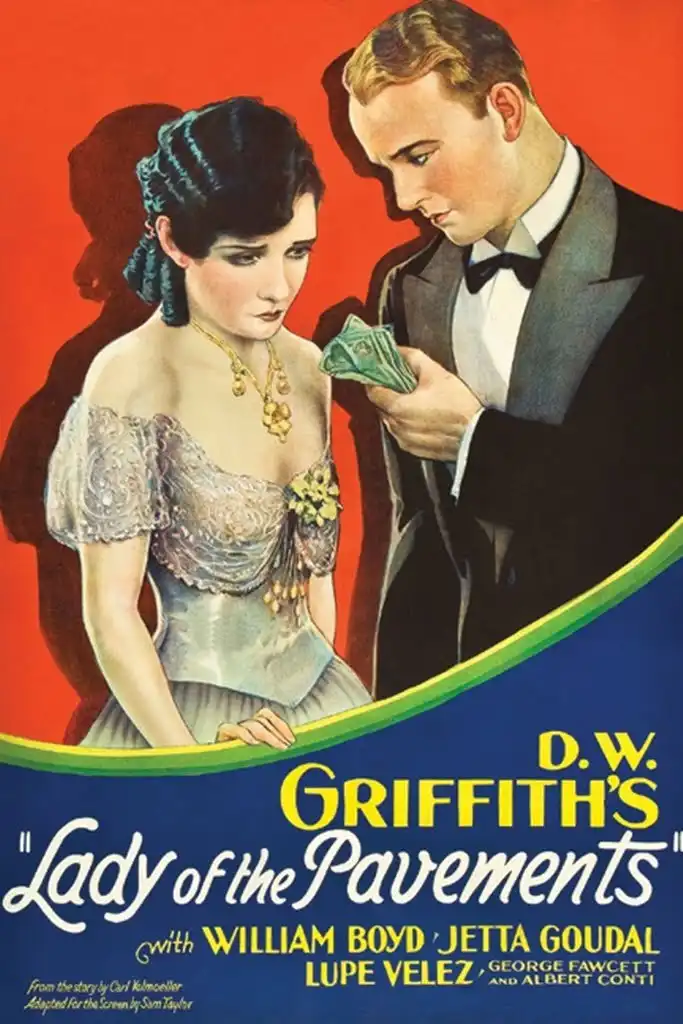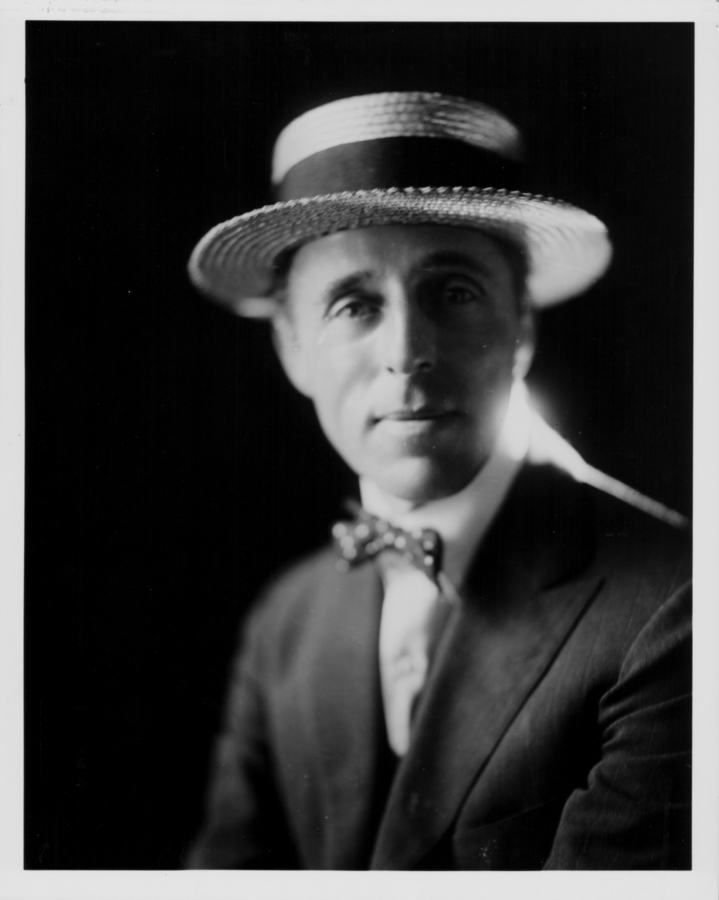
D.W. Griffith
director, producer, writer
- Birth name:
- David Llewelyn Wark Griffith
- Born:
- 1875-01-22, LaGrange, Kentucky, USA
- Died:
- 1948-07-23, Hollywood, Los Angeles, California, USA
- Professions:
- director, producer, writer
Biography
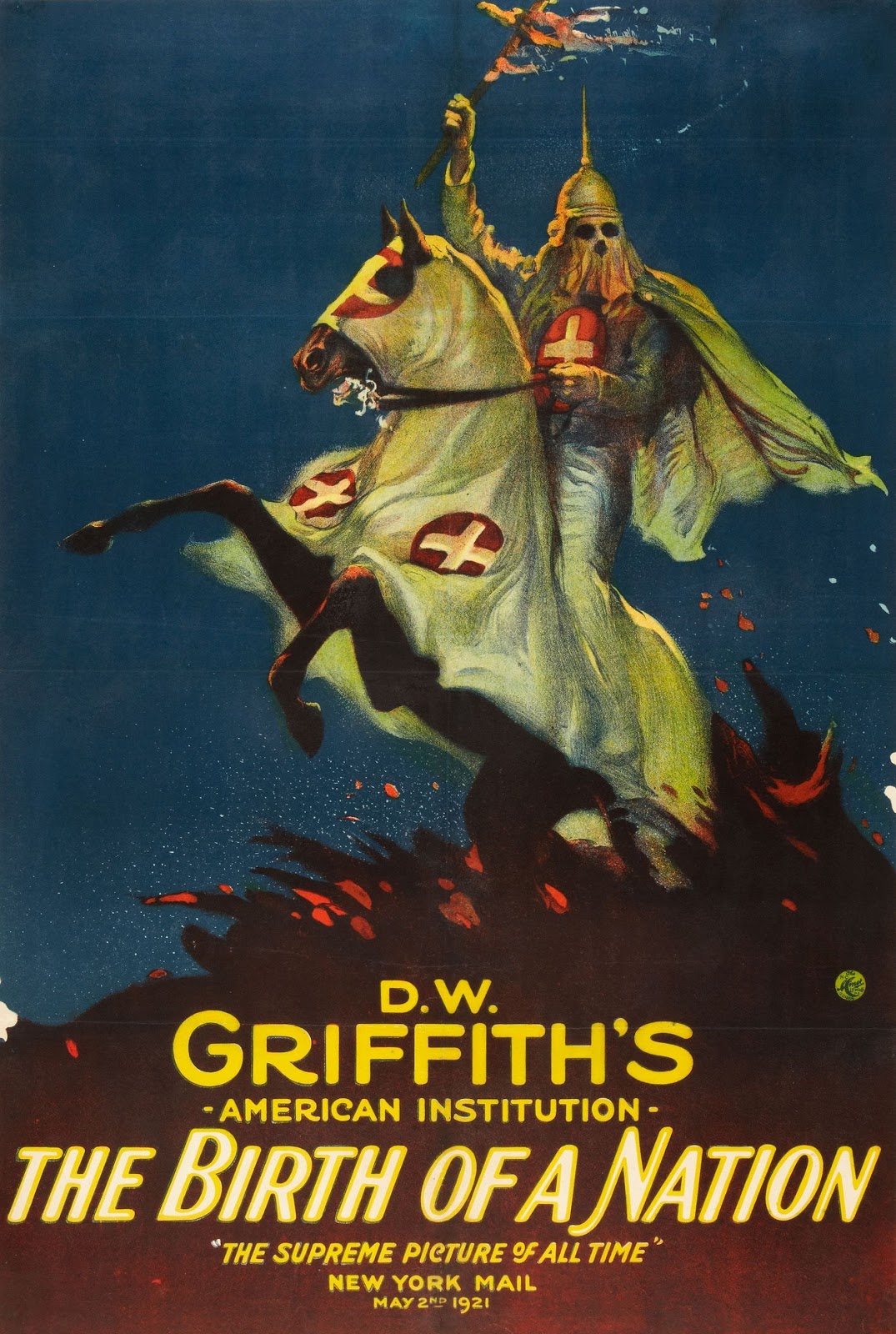
D.W. Griffith’s story begins in the Kentucky backwoods, where the future “father of film” first heard his father’s thunderous recollections of gray-uniformed cavalry charges and pored over florid dime-novels full of last-minute rescues—images that would later explode across the screen. In 1897 he chased the footlights to New York, scripting and acting in threadbare touring companies that barely kept the gas-jets lit. Broke but photogenic, he took a one-day job posing for Edwin S. Porter at Edison, expecting it to be a humiliating detour. Instead, the flicker of celluloid hooked him. American Mutoscope & Biograph, teetering on bankruptcy, handed him a camera and a dare: make two one-reelers a week. Between 1908 and 1913 he cranked out 450 miniature stories, turning every alley, farm, and riverbank into a laboratory. With cameraman Billy Bitzer he invented time-shuffling flashbacks, the iris that winks like a secret, the mask that hides and reveals, and the staccato cross-cut that made minutes feel like heartbeats. All the experiments fused in 1915’s The Birth of a Nation, a three-hour Civil War cyclone that rewrote the grammar of movies and, poisonously, the rhetoric of race. The picture earned fortunes and outrage in equal measure; Griffith, stunned by the backlash, spent the rest of his life answering protests with yet more film, but never again felt the earth shake beneath his feet. By 1931 the tickets had stopped selling. Studios politely declined his calls, and he slipped into the shadows of a medium he had once electrified. On a July morning in 1948, in a small Los Angeles hotel, the man who taught the camera to speak took his final bow—celebrated, condemned, and impossible to ignore.
Filmography
Directed (37)