Summary
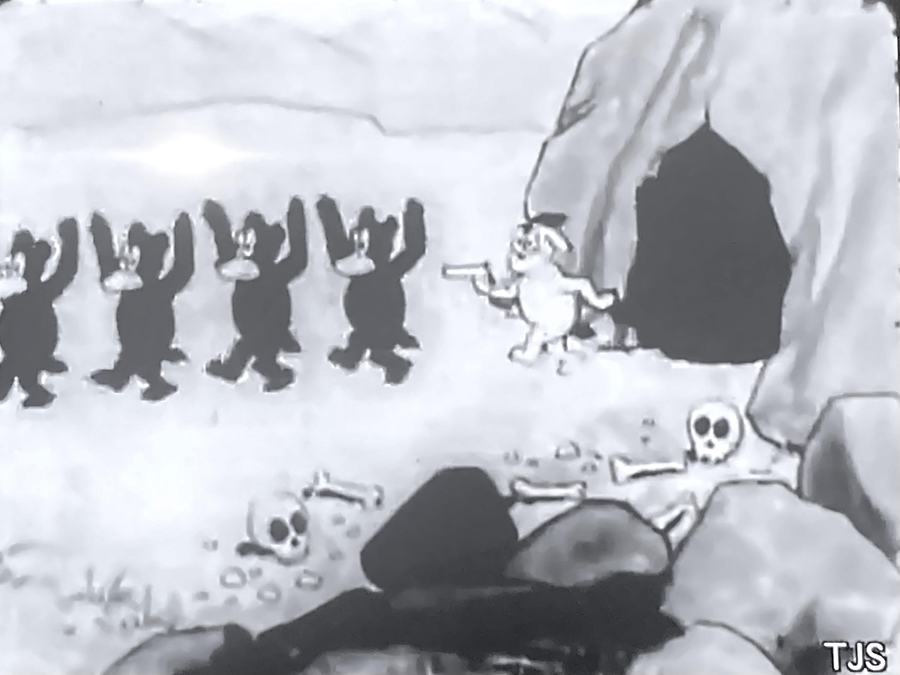
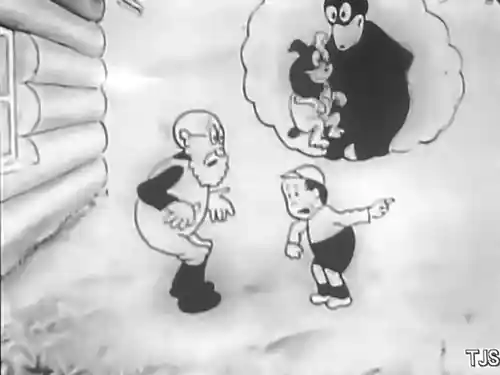
In a smoke-bent nickelodeon where the projector’s heart fibrillates like a trapped sparrow, Fearless Fido materializes: a mongrel whose coat is the color of last week’s headlines, trotting through a paper-dawn city stitched from yellowing newsprint and celluloid scars. He is both subject and camera—his snout a lens that sniffs out public shame, his tail a metronome keeping time for the metropolis’s guilty pulse. Each alley he traverses folds into another, Möbius-style, revealing hieroglyphs of bootleg desire: a chorus girl’s broken fan, a bootlegger’s blood-soaked spats, a child’s marble that rolls like a planet off its orbit. The city’s elite—oil-slick tycoons, porcelain debutantes, preachers with dice in their pockets—chase the dog not for the diamond collar he sports, but for the mirror he drags behind him; in that mirror their sins are spliced, double-exposed, projected back at twenty-four confessions per second. Fido leaps onto a midnight trolley whose destination sign reads ‘Nowhere—Transfer to Yesterday’; passengers clamber aboard clutching valises full of unpaid alimony, morphine syrettes, and love letters addressed to the wrong decade. At the terminus stands a derelict amphitheater where reputations go to be disemboweled: footlights flicker, a jazz band of skeletons plays a foxtrot in a minor key, the dog mounts the stage and—without a bark—unspools the city’s collective shame like a reel of nitrate. The final shot is not of Fido but of the audience inside the film, their faces melting into Georges Méliès moon-cheese, realizing they are watching themselves watching themselves, an endless mise en abyme that smells of wet ash and popcorn butter.
Review Excerpt
"
A dog, a diamond collar, and a city that refuses to blink first: meet the most subversive tail-wagger you’ve never heard of.
The first time I saw The Fable of Fearless Fido it was a 9.5-mm fragment spliced upside-down in a Rotterdam archive; the second time it was a rumor whispered by a projectionist reeking of ether. Both sightings felt like trespass. The film—if we can still call something a film when its own characters keep forgetting they’re fictional—runs a scant forty-three minutes, yet..."