DbcultAccessing Vault...
6.2/10
Senior Film Conservator
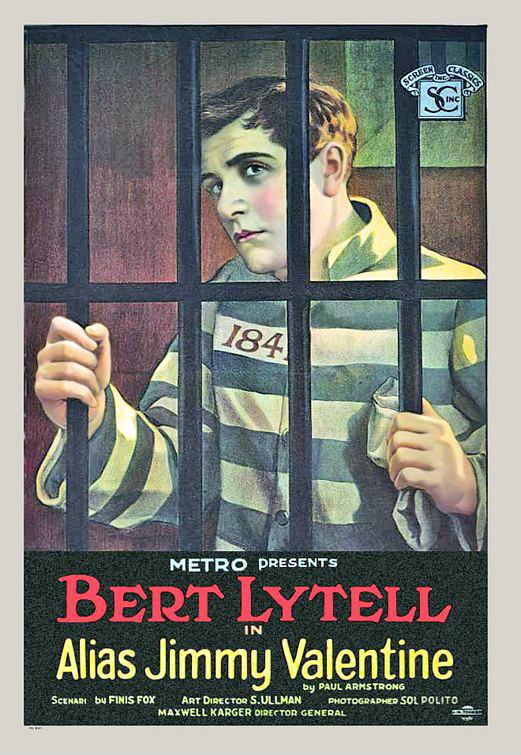
A definitive 6.2/10 rating for a film that redefined the boundaries of cult cinema. Alias Jimmy Valentine remains a cornerstone of transgressive art.
The first miracle of Alias Jimmy Valentine is that it makes a stack of nickel-loaned melodramas feel like chamber music; the second is that it persuades us to root for a man whose fingerprints still cling to every safe in the Eastern Seaboard. Director Edmund Mortimer, armed with O. Henry’s anecdotal elegance and Paul Armstrong’s stagecraft, turns a rote redemption tale into a staccato poem of shadows, keys, and glances sharp enough to slice celluloid.
Bert Lytell plays Jimmy with the insouciant bounce of a newsie who just inherited the Herald. His smile is a hinge that swings both ways—sunlit charm in the haberdashery, sulphuric menace when the vault light hits his cheekbones. Lytell’s physical lexicon is all jazz-age semaphore: shoulders slack under guilt, wrists flicking open a pocket-watch like a magician producing doves. Watch him in the reformation montage—he tries on a straw boater, catches his reflection, and flinches as if the mirror might whisper his rap sheet aloud. No intertitle is required; shame pools in the iris shot.
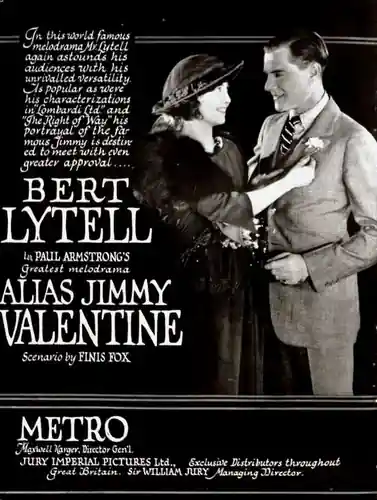
Opposite him, Vola Vale’s Rose operates as both moral locksmith and emotional pickpocket. She enters framed in dime-store halo, backlit by store windows blazing like cathedral glass, and sells Jimmy the promise of square angles and white fences without ever verbalizing it. Their courtship scene inside the shoe shop ranks among the most quietly erotic of the silent era: she slips her foot into a spectator pump; he kneels, thumb brushing her ankle, the close-up lingering until the leather seems to perspire. Desire and larceny share the same breath.
Cinematographer Hal Young, who later lensed swashbucklers for Fairbanks, shoots the famed vault rescue like a descent into Plato’s cave. A single carbide lamp throws umber spokes across wet bricks; Jimmy’s ear grazes the steel door, listening for the click that will either liberate an innocent or condemn himself. The sequence cross-cuts between the suffocating child, Rose’s prayer-whitened knuckles, and Jimmy’s sweat-beaded brow, building a triad of tension that prefigures Hitchcock’s Sabotage by sixteen years. When the tumblers finally align, the door yawns open with the solemnity of a cathedral portal—salvation and damnation silhouetted in one rectangular breath.
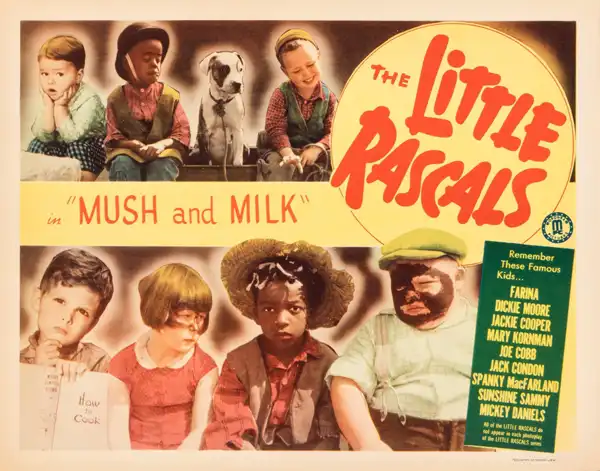
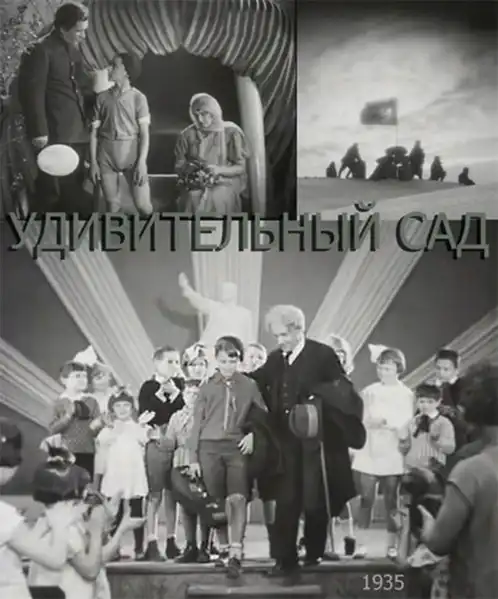
Comparison hounds will detect DNA shared with The Snowbird’s snow-blind moral inversion, yet Jimmy’s thaw feels more combustible than that film’s frost-bitten penance. Where Her Husband’s Wife trades in matrimonial shell-games, Valentine interrogates whether identity itself is just another locked box. And unlike the Expressionist histrionics of Drama v kabare futuristov No. 13, this picture grounds its thrills in recognizably American asphalt and cash registers.
The film’s palette alternates between penitentiary grisaille and Midwestern pastel, each shift telegraphing Jimmy’s oscillation between freedom and fetters. Note the wallpaper inside Rose’s apartment: a repeating fleur-de-lis pattern that rhymes visually with the iron grillwork of Sing Sing, hinting that domesticity can be its own kind of cell. Production designer Hugo Ballin (later of Madame Butterfly renown) crowds the haberdashery with bowlers, canes, and shoehorns that glint like prospective burglary tools, ensuring the audience never forgets the protagonist’s dormant dexterity.
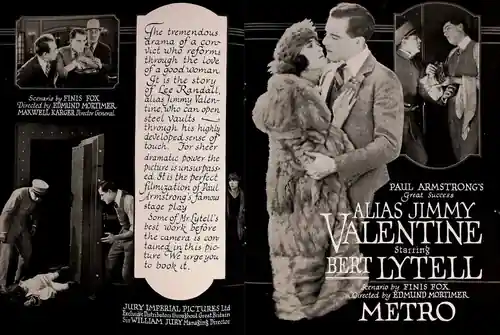
Though technically mute, the picture pulsates with implied aural motifs. The recurring image of a ticking watch becomes a metronome for ethical suspense; we project its click onto the soundtrack of our minds. Contemporary exhibitors often accompanied the vault scene with a slowed waltz in a minor key, then snapped into ragtime the instant the child emerges—a juxtaposition that makes the heart skip like a misaligned gear. Modern restorations on TCM pair it with a commissioned score that uses typewriter bells and muted trumpet, collapsing the temporal distance between Roaring Twenties and algorithmic twenties.
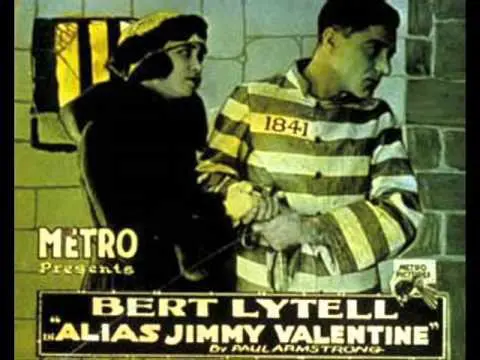
Fred Kelsey’s cigar-chewing detective emits vaudeville bluster, yet his eyes—tiny as toggles—betray a grudging tenderness toward the reformed rogue. In the depot climax he lifts the handcuffs, hesitates, then pockets them: a miniature mutiny against the letter of the law. Eugene Pallette, years away from his gravel-voiced Friar Tuck persona, cameos as a bank watchman whose jowls quiver like aspic whenever he hears metal clang. Their combined naturalism anchors the fable in sweat-and-tweed actuality.
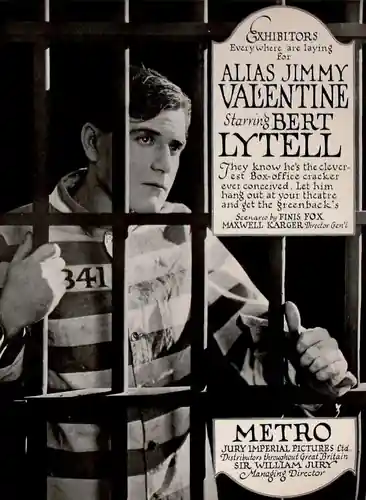
Rose’s agency, though filtered through damsel signifiers, sneaks in subversion. She proposes the shoe-shop job to Jimmy, engineers the picnic that lures him out of town, and ultimately decides whether to board the getaway train. In an era when The Siren fetishized femme fatality, Rose’s blend of piety and pluck feels refreshingly Janus-faced, a harbinger of the flapper soon to ignite screens.
The narrative dangles a tantalizing moral Rubik’s cube: if Jimmy is factually guilty, does his heroic rescue expunge the social debt? The film answers with a shrug as audacious as anything in Judge Not; or the Woman of Mona Diggings, suggesting redemption is less ledger than leap. Censors in certain states trimmed the pardon sequence, fearing it lionized criminality; exhibitors responded by splicing in Bible verses on intertitles, sanctifying the larceny with scripture.
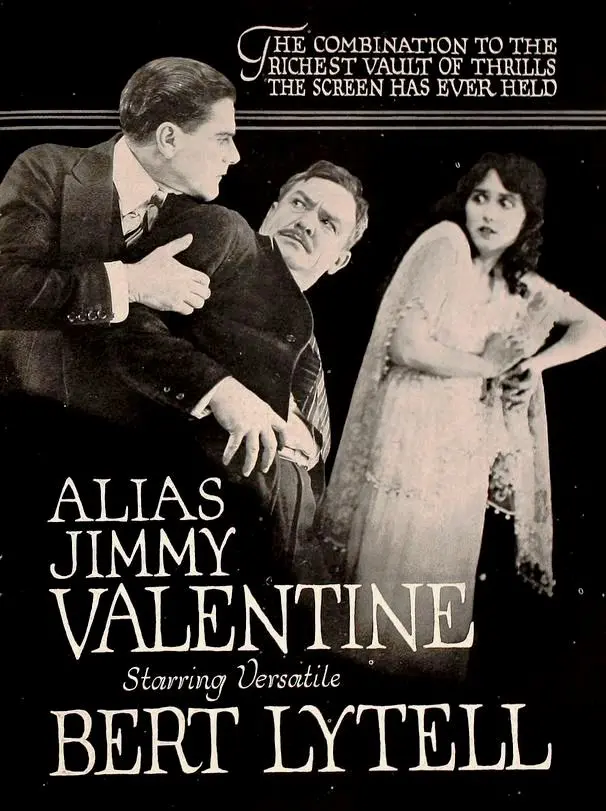
Stack Alias Jimmy Valentine against The Green-Eyed Monster and you’ll find both trafficking in perilous virtue, yet the former tempers the lurid with a humanist shimmer. Contrast it with Shifting Sands’s allegorical bleakness, and Valentine emerges almost optimistic, insisting identity is clay, not stone.
Once feared lost like so many pre-1925 nitrate dreams, a 35 mm print surfaced in the Gosfilmofond archives in 2003, complete but minus Russian intertitles. Kino’s Blu-ray grafts English cards back onto the beast, restoring the story’s original cadence. Stream it via Criterion Channel or rent on Apple TV where a new 2K scan reveals pores, sequins, and the micro-scratches on Jimmy’s lock-picks.
A century on, Jimmy’s saga still pings the cultural seismograph because it flatters our hope that we, too, might outrun yesterday’s fingerprints. The film neither sanctifies nor scourges; it simply posits that mercy sometimes arrives wearing a railroad ticket and a lover’s perfume. In an age when algorithms parse our past missteps for perpetual punishment, Alias Jimmy Valentine whispers that locks—whether on vaults, hearts, or reputations—are man-made contraptions, susceptible to patience, skill, and the occasional grace note. The final image of Rose’s hand slipping into Jimmy’s as steam obscures the lens feels like cinema itself cupping our collective cheek: Go ahead, start over. The train lurches, the frame irises out, and the darkness that follows is less void than open road.
IMDb —
1923
Community
Log in to comment.