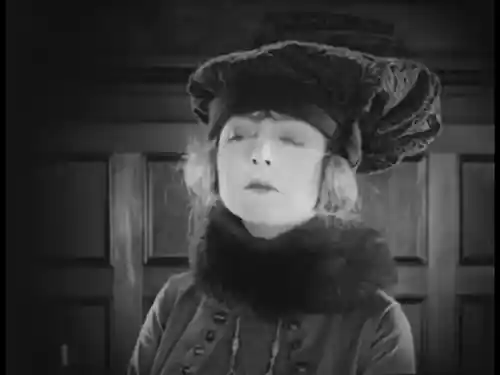
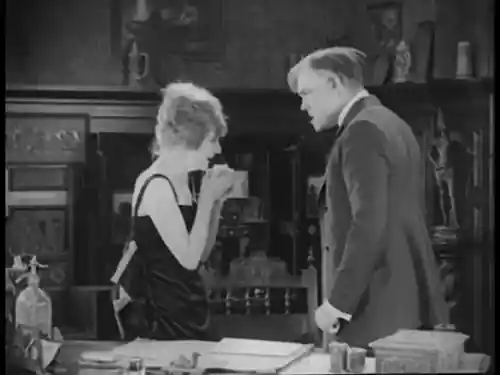
Roger Moran, a member of a gang of thieves headed by Mike Wilson, is released from prison after having served a two-year sentence. He has learned his lesson and vows to leave his life of crime, but his girlfriend Betty Palmer--also a member of the gang--won't leave "the false road".
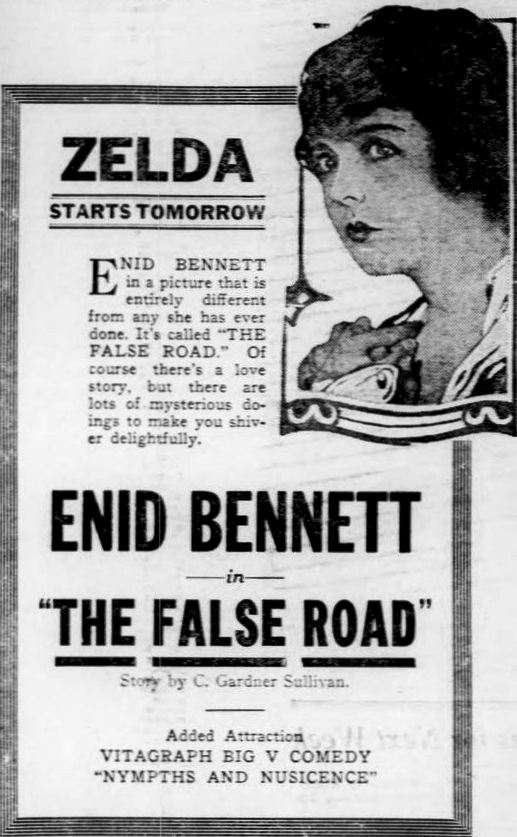
The cinematic landscape of 1920 was a crucible of moral exploration, and The False Road emerges as a seminal artifact of this era’s fascination with the 'reformed crook' archetype. Written by the prolific C. Gardner Sullivan, the narrative eschews the simplistic binary of good versus evil, opting instead for a nuanced ...
still_frame
still_frame
still_frame
still_frame
still_frame
still_frame
still_frame
still_frame
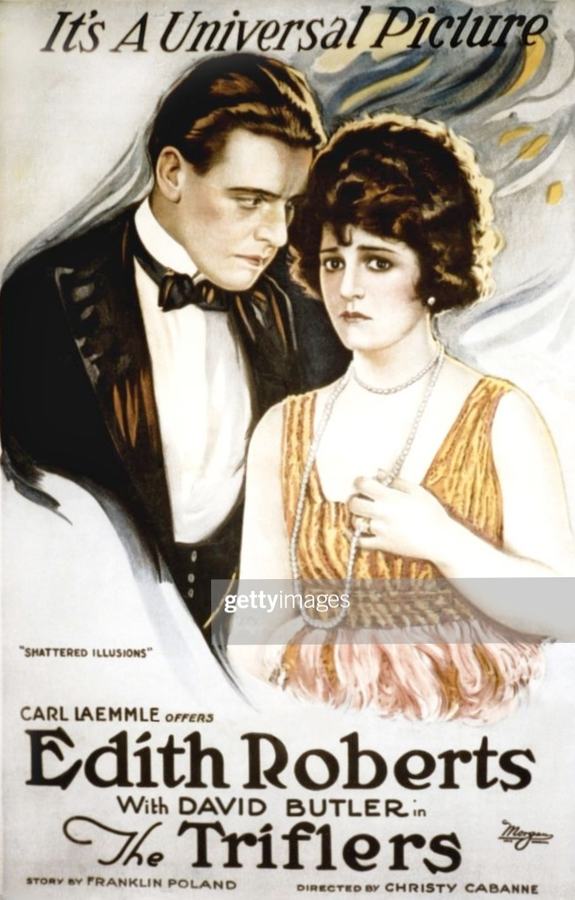
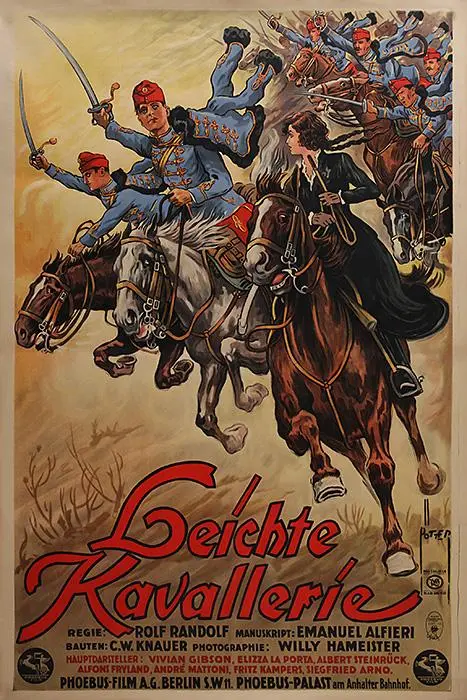
Comparing the cinematic DNA and archive impact of two defining moments in cult history.
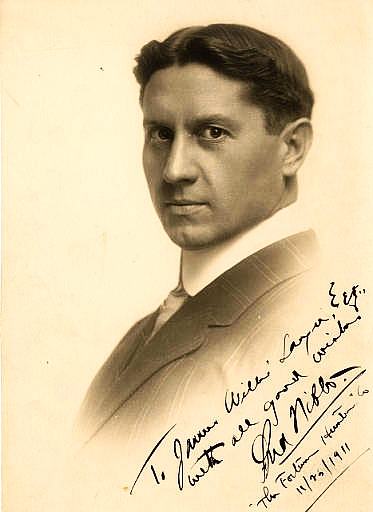
Fred Niblo
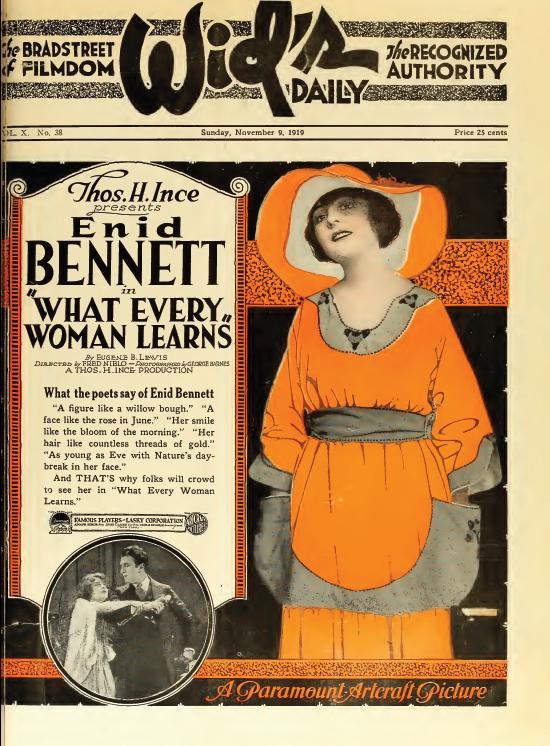
Fred Niblo
Community
Log in to comment.
"The cinematic landscape of 1920 was a crucible of moral exploration, and The False Road emerges as a seminal artifact of this era’s fascination with the 'reformed crook' archetype. Written by the prolific C. Gardner Sullivan, the narrative eschews the simplistic binary of good versus evil, opting instead for a nuanced interrogation of social mobility and the stickiness of criminal identity. Unlike the more whimsical or satirical tones found in Ruggles of Red Gap, this film operates with a somber..."
Gordon Mullen
C. Gardner Sullivan
United States
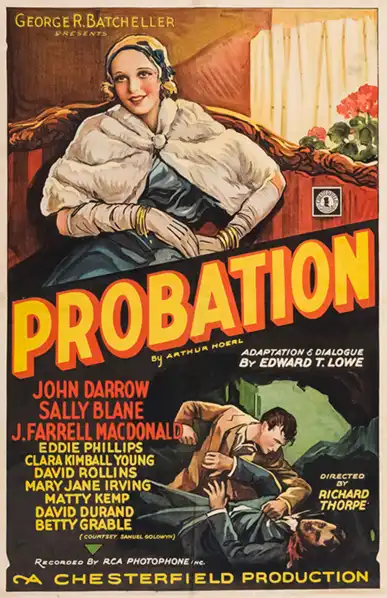
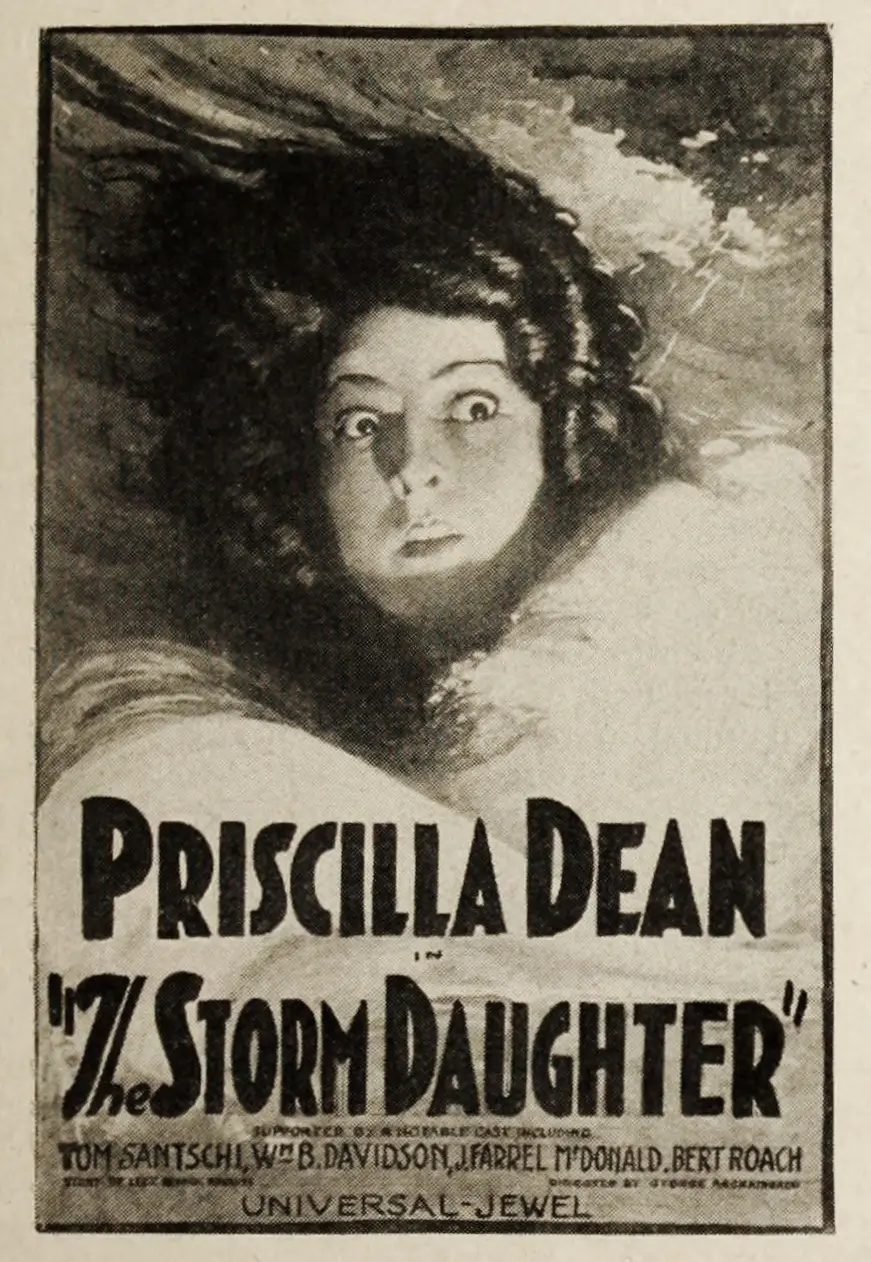
Deep dive into the cult classic
Discover similar cinematic experiences
A Directorial Spotlight on Fred Niblo