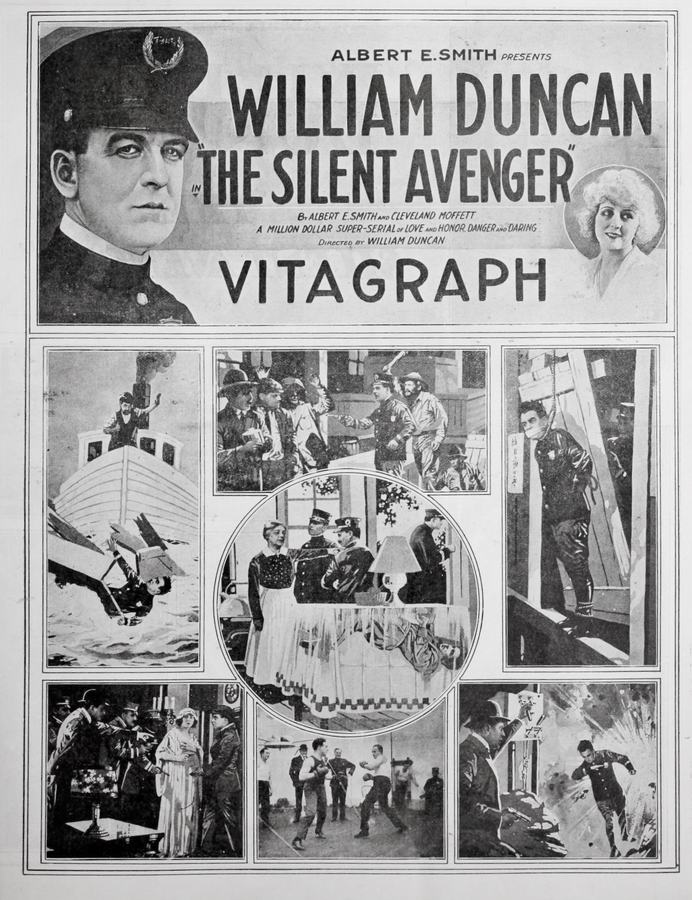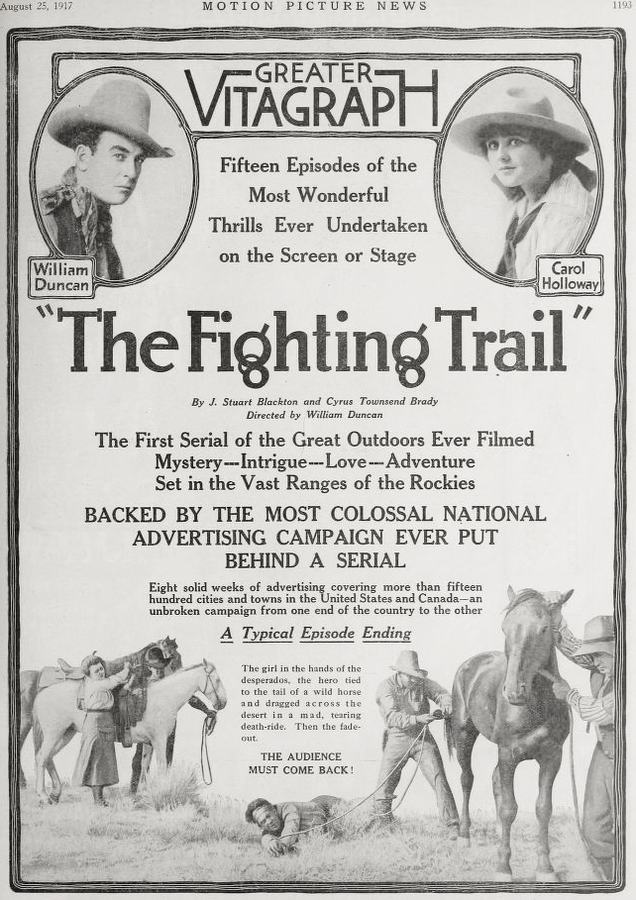
Cyrus Townsend Brady, Edward J. Montagne, J. Stuart Blackton, Garfield Thompson
United States
The first time I saw The Fighting Trail it was a 16-mm print spliced with Scotch tape that smelled like bootleg tequila. The bulb of my living-room projector overheated at reel three; the image buckled, the emulsion blistered, and suddenly Joe Ryan’s granite profile melted into a lava-flow of ambergrain. I thought th...
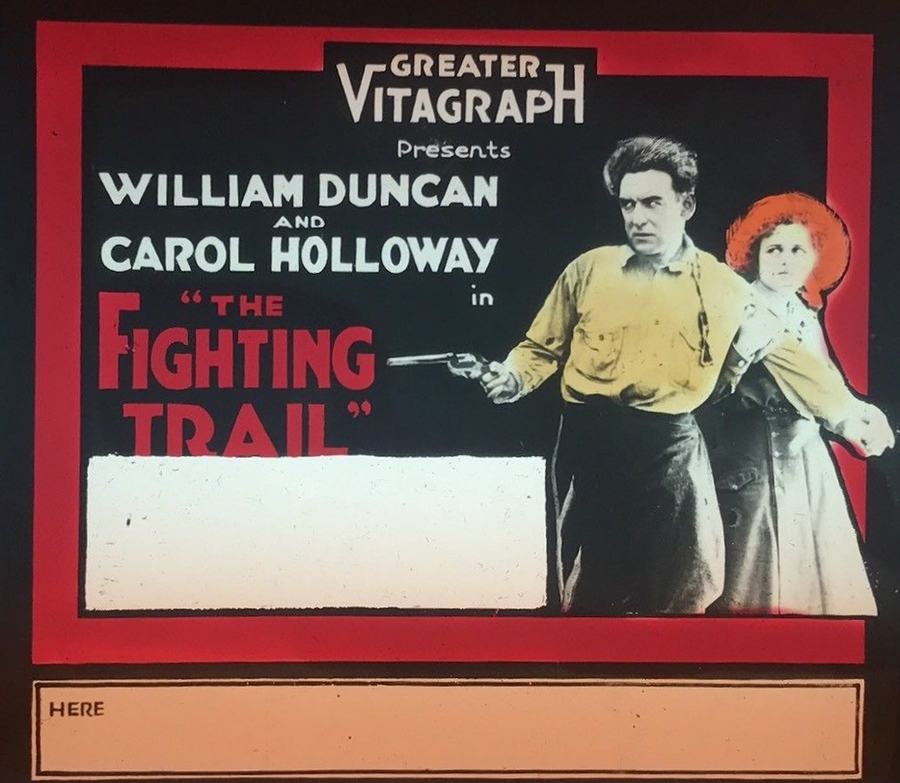
product
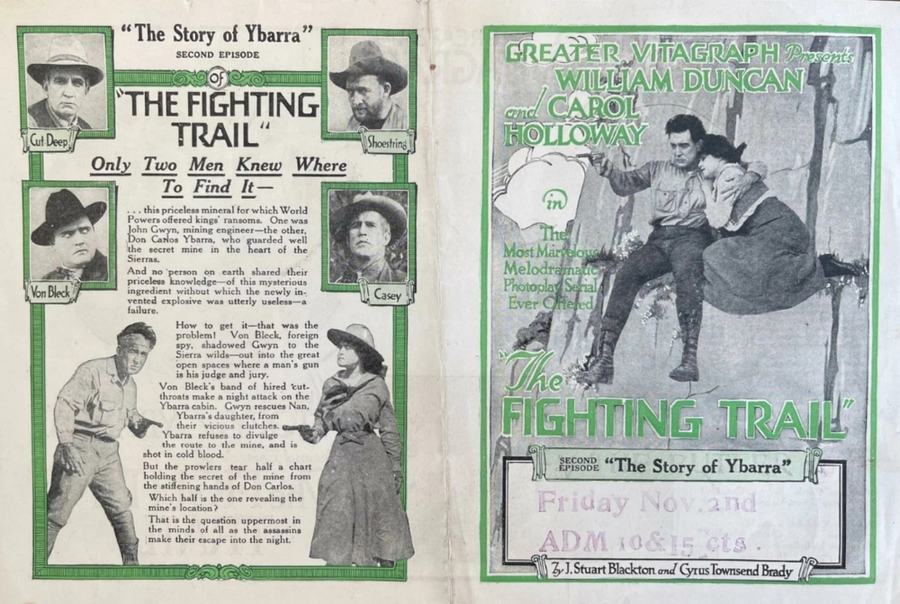
publicity
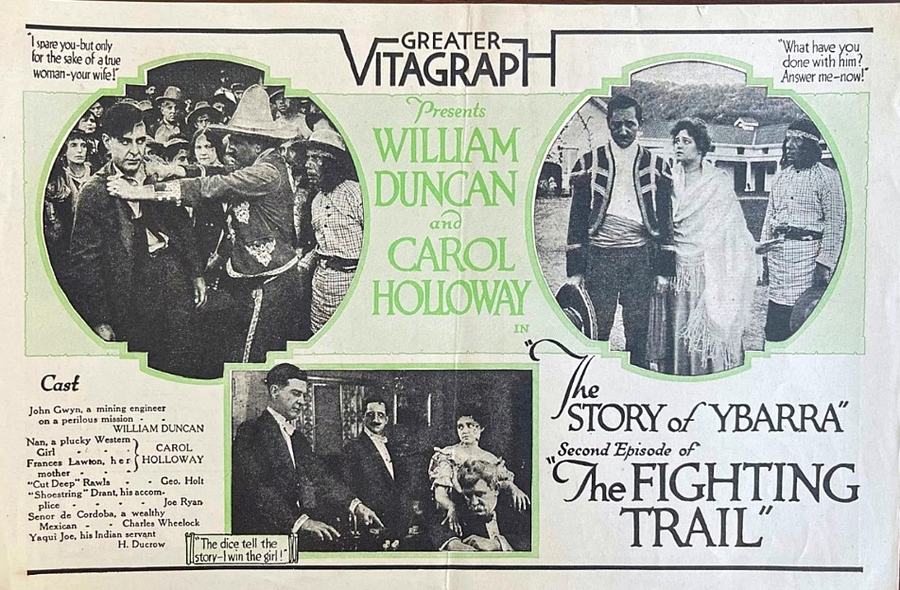
publicity
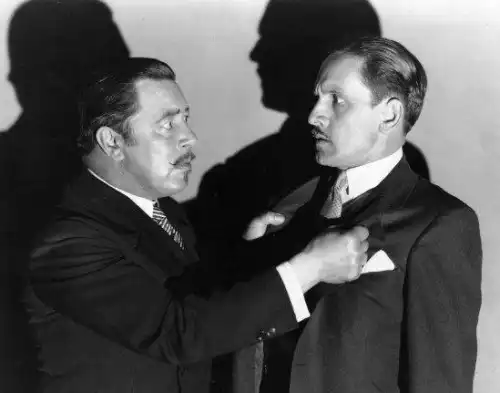
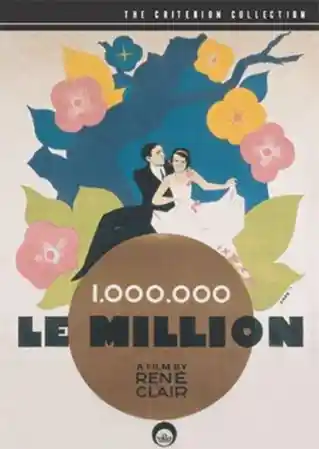
Comparing the cinematic DNA and archive impact of two defining moments in cult history.
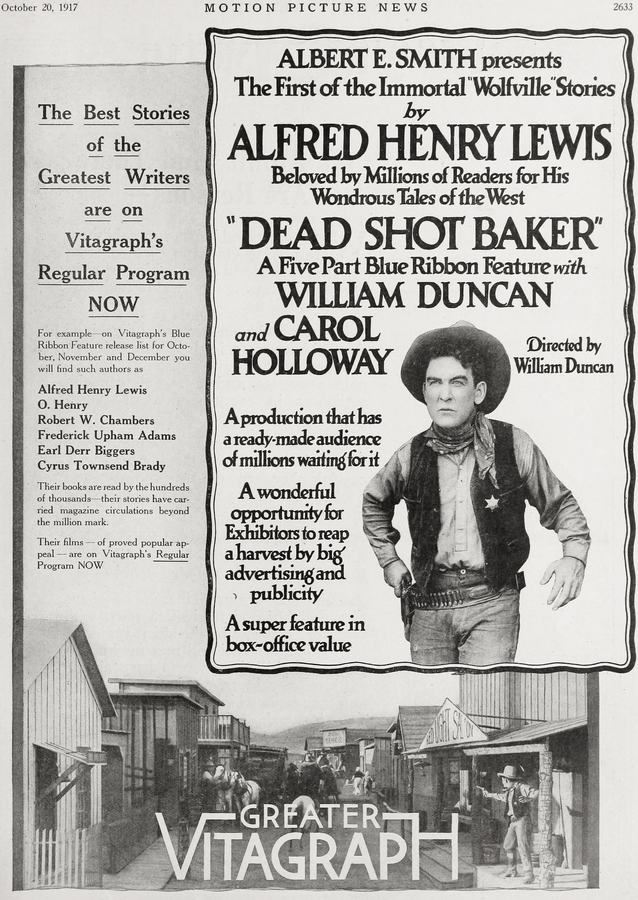
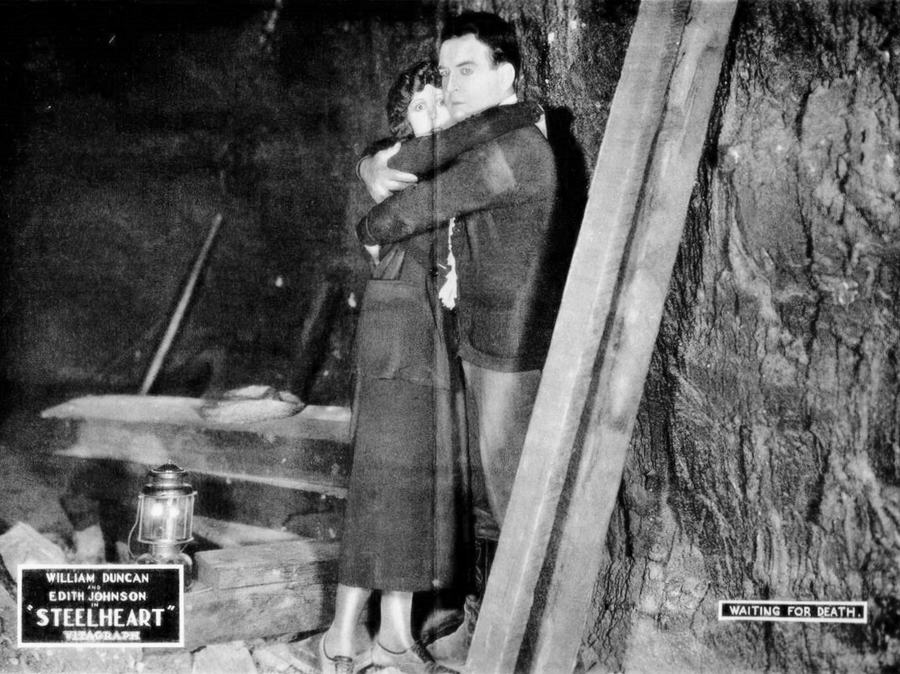
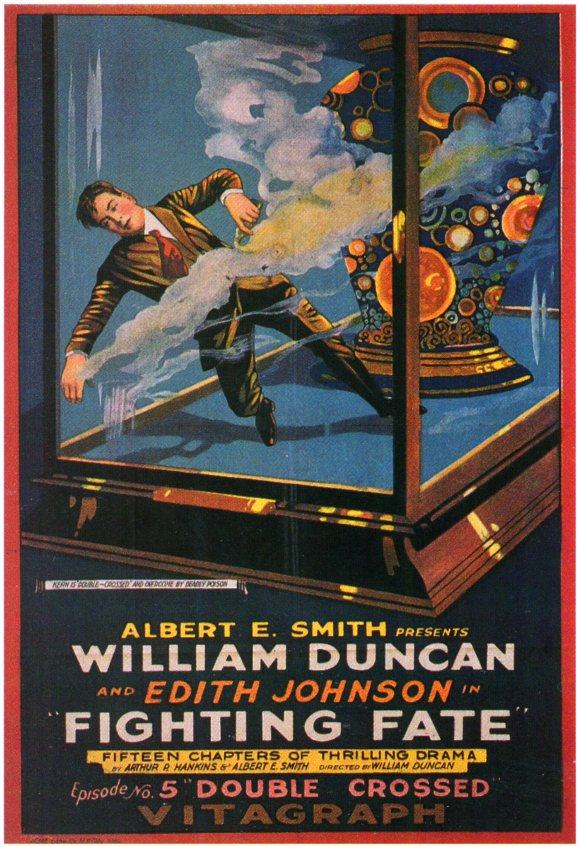
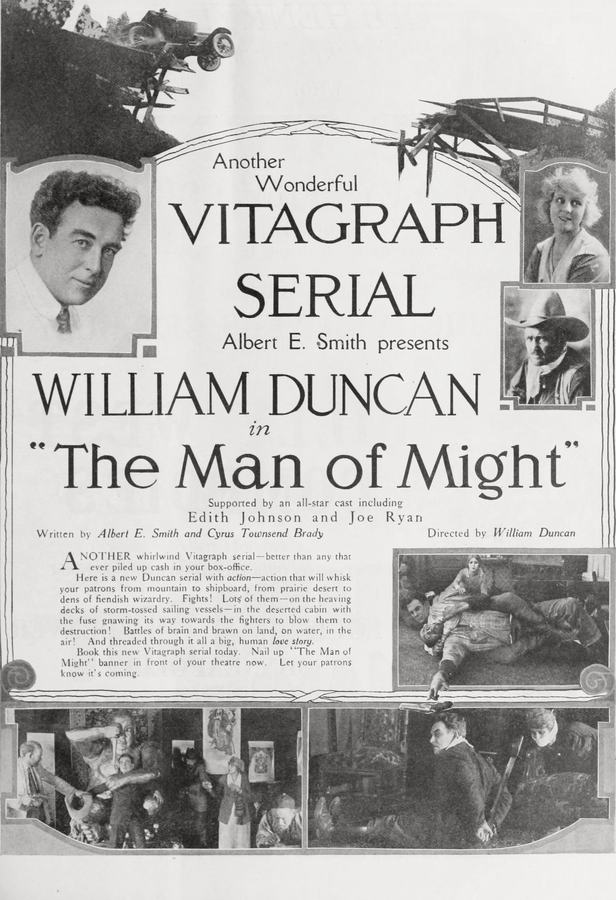
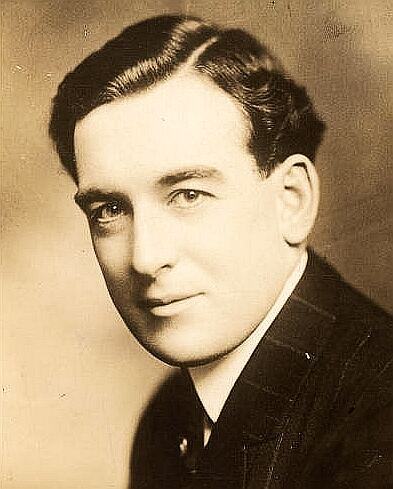
William Duncan
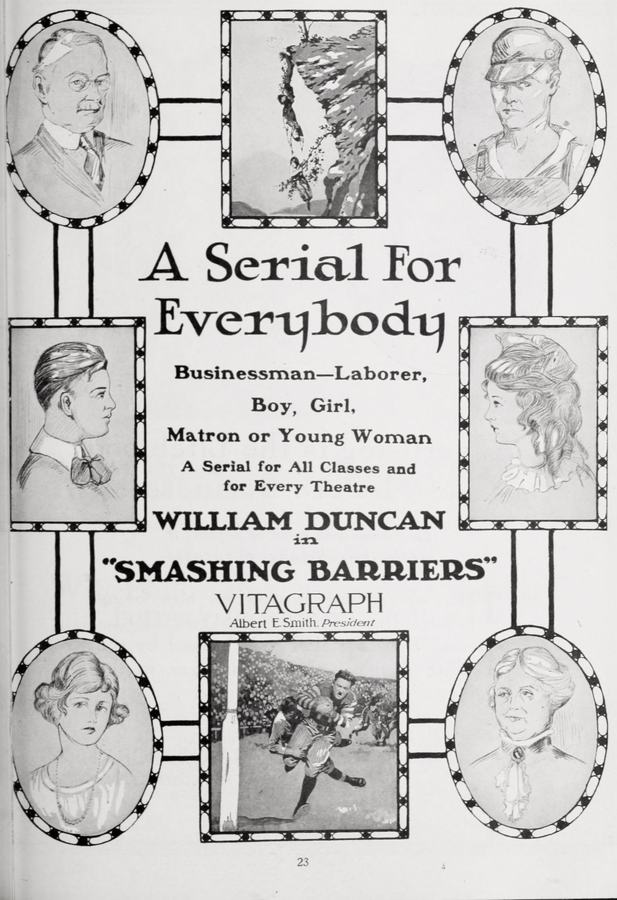
William Duncan
Community
Log in to comment.
" The first time I saw The Fighting Trail it was a 16-mm print spliced with Scotch tape that smelled like bootleg tequila. The bulb of my living-room projector overheated at reel three; the image buckled, the emulsion blistered, and suddenly Joe Ryan’s granite profile melted into a lava-flow of ambergrain. I thought the film had died. Instead it was transitioning—like a snake shedding skin—into its true form: a ghost story about the act of looking. Silent-era westerns usually march in straight ..."
Deep dive into the cult classic
Discover similar cinematic experiences
A Directorial Spotlight on William Duncan