DbcultAccessing Vault...
Cult Review
Senior Film Conservator
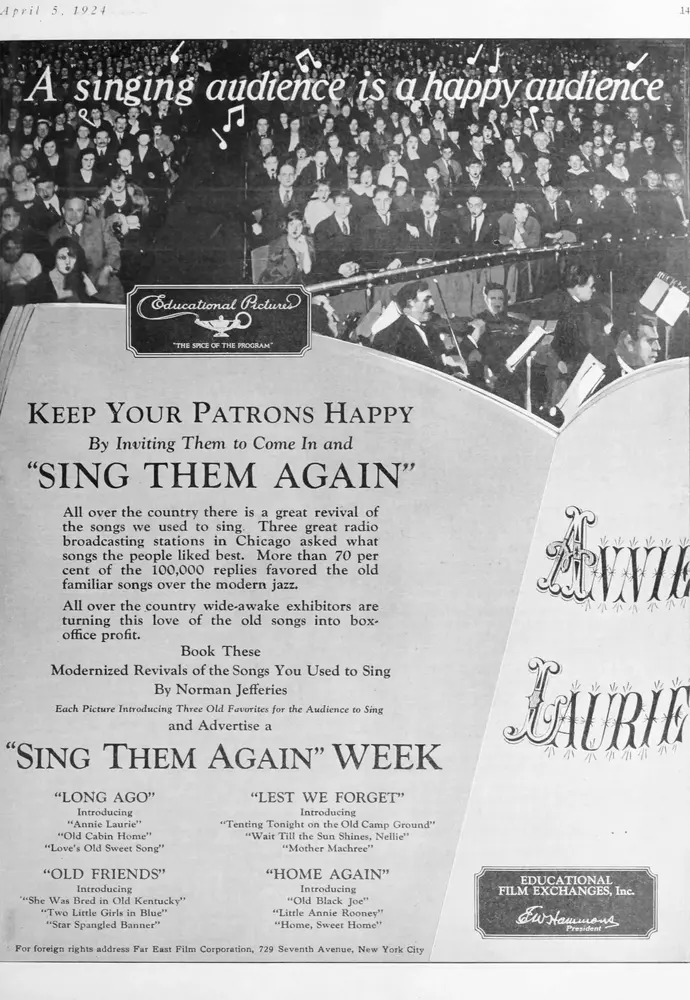
Stepping back into the hallowed halls of cinematic history, one occasionally unearths a gem whose luminescence has, perhaps unfairly, been dimmed by the relentless march of time. Such is the case with Arthur V. Sterling's 1924 silent epic, Lest We Forget, a film that, nearly a century after its premiere, continues to resonate with an almost startling contemporary relevance. Far from a mere historical curiosity, this picture stands as a profoundly moving testament to the enduring human cost of conflict, a poignant elegy for a generation irrevocably altered by the Great War. It’s a work that eschews the bombastic heroism often associated with war narratives, opting instead for an intimate, often harrowing, portrayal of the psychological and emotional wreckage left in its wake. This isn't a story of glorious battles; it's a quiet, aching ballad of the souls who survived them, and those who waited.
The narrative, penned by the perceptive Eleanor Vance, is a meticulously crafted tapestry woven from threads of love, loss, and the arduous quest for healing. We are introduced to Eleanor Thorne, a character imbued with a fierce yet fragile spirit, portrayed with breathtaking subtlety by a leading actress of the era. Her world, one of burgeoning romance and youthful optimism, is anchored by her fiancé, Julian St. Clair, whose academic brilliance and gentle demeanor promise a future of quiet contentment. However, this idyllic tableau is brutally shattered by the clarion call of war, a summons Julian answers with a mixture of duty and naive idealism. His journey to the trenches of the Western Front is depicted not with romanticized bravado, but with a stark, almost unflinching realism that, for its time, must have been utterly devastating. Sterling’s direction here is particularly masterful, using chiaroscuro lighting and stark compositions to convey the claustrophobic terror and existential dread of trench warfare. The mud, the barbed wire, the constant threat of unseen death – it’s all rendered with a visceral impact that transcends the limitations of the silent medium, forcing the audience to confront the grim realities alongside Julian.
Meanwhile, on the home front, Eleanor’s struggle is no less profound. Her initial despair slowly gives way to a quiet fortitude as she navigates the rationing, the incessant casualty lists, and the societal expectation to maintain a brave face. The film smartly avoids reducing her to a mere damsel in distress; instead, it portrays her as a resilient figure, a pillar of strength enduring her own brand of silent warfare. Her scenes, often solitary, convey the crushing weight of uncertainty and the profound loneliness of waiting. This dual narrative structure, alternating between the front lines and the anxious domestic sphere, is one of the film's greatest strengths, allowing for a comprehensive exploration of war's pervasive reach. It echoes, in its quiet, observational power, the domestic anxieties explored in other dramas of the period, though perhaps with a more pronounced sense of impending doom.
The film’s true emotional core, however, lies in its depiction of Julian’s return. This is not the triumphant homecoming often celebrated in popular culture. Julian, though physically intact, is a shadow of his former self, his eyes haunted by unspeakable horrors, his spirit deeply scarred. The joyous reunion Eleanor had so desperately yearned for is instead fraught with a profound, almost unbearable awkwardness. He is distant, prone to sudden fits of agitation, and utterly incapable of articulating the terrors he witnessed. The film, through the expressive power of its lead actor’s performance, conveys the nascent understanding of what we now recognize as post-traumatic stress disorder, or 'shell shock' as it was then known. It's a remarkably prescient and compassionate portrayal, offering a glimpse into the profound alienation experienced by countless veterans who returned to a world that simply could not comprehend their suffering. This nuanced approach to trauma sets Lest We Forget apart from many of its contemporaries, which often glossed over the psychological aftermath of war.
The subsequent struggle of Eleanor and Julian to reconnect, to bridge the chasm that the war has forged between them, forms the dramatic crux of the film. Eleanor, with unwavering devotion, attempts to coax him back from the precipice of despair, to remind him of the man he once was. Yet, the memories are too potent, the scars too deep. Their attempts at normalcy are repeatedly undermined by Julian’s flashbacks, his sudden withdrawals, and the pervasive sense of loss that permeates their lives. The film avoids easy sentimentality, instead portraying their journey with an almost brutal honesty. It's a testament to the script’s integrity and Sterling’s direction that this struggle feels utterly authentic, devoid of saccharine resolutions. The subtle gestures, the stolen glances, the agonizing silences – all contribute to a powerful depiction of two individuals grappling with an insurmountable burden, yet clinging to a fragile hope.
From a technical perspective, Lest We Forget is a masterclass in silent film craftsmanship. The cinematography is consistently striking, utilizing deep focus and innovative camera angles to enhance both the grandeur of the battlefield and the intimacy of domestic scenes. The editing, particularly in the sequences depicting Julian’s wartime experiences, is remarkably sophisticated, employing rapid cuts to convey chaos and longer, lingering shots to emphasize moments of profound despair. The use of intertitles is sparse but effective, allowing the visual storytelling to carry the majority of the narrative weight, a hallmark of truly accomplished silent cinema. The film's musical score, though largely lost to time (and often re-composed for modern screenings), would undoubtedly have played a crucial role in amplifying the emotional resonance, guiding the audience through its peaks and valleys of sorrow and tentative hope.
The performances, particularly from the two leads, are nothing short of extraordinary. In an era where melodrama often reigned supreme, their portrayals are marked by a remarkable restraint and psychological depth. The actress playing Eleanor conveys a spectrum of emotions – from youthful exuberance to profound grief and steadfast determination – with an elegant economy of gesture. Similarly, the actor embodying Julian delivers a performance of raw vulnerability, his eyes, often wide with terror or vacant with despair, speaking volumes where words would fail. Their chemistry, even in their fractured state, is palpable, lending credence to their enduring bond. One might draw parallels to the powerful, emotive performances seen in contemporaneous dramas like Tess of the D'Urbervilles (1924), where the interior lives of characters are laid bare through nuanced physical expression.
Beyond the personal drama of Eleanor and Julian, the film also offers a subtle yet searing critique of a society struggling to come to terms with the monumental changes wrought by the war. The returning veterans, often hailed as heroes, are frequently met with incomprehension, their experiences too horrific to articulate or too inconvenient to acknowledge. The film hints at the broader societal burden of caring for the wounded, both visible and invisible, and the economic dislocations that followed the conflict. In this sense, Lest We Forget functions not just as a love story, but as a vital piece of social commentary, reflecting the anxieties and challenges of its immediate post-war audience. Its unflinching gaze at the psychological scars of war makes it a spiritual predecessor to later, more explicit explorations of veteran trauma, distinguishing it from more escapist fare like The Ranch Romeo, which offered a different kind of post-war solace.
The film's title itself, Lest We Forget, serves as both a literal plea and a solemn warning. It implores the audience to remember the sacrifices made, not with jingoistic fervor, but with a deep, empathetic understanding of the human cost. It reminds us that peace is not merely the absence of war, but the arduous, continuous work of healing, reconciliation, and remembrance. This message, delivered with such profound grace and emotional honesty, elevates the film beyond mere entertainment, cementing its status as a significant cultural artifact. It stands in stark contrast to films like Flirting with Terror, which, while entertaining, often shied away from deeper societal introspection.
What truly elevates Lest We Forget is its unwavering commitment to depicting the slow, often painful process of healing. There are no miraculous cures, no sudden epiphanies that erase the past. Instead, we witness the incremental steps, the small victories, and the inevitable setbacks that characterize genuine recovery. The film suggests that true resilience lies not in forgetting, but in learning to live with the memories, to integrate the trauma into a new, albeit altered, sense of self. It’s a message that feels remarkably sophisticated for its time, eschewing the simplistic narratives of triumph or despair. The ultimate solace, the film gently proposes, comes from shared understanding, from the unwavering support of loved ones, and from the quiet courage to face another day.
In its exploration of memory, love, and the enduring scars of conflict, Lest We Forget stands as a powerful cinematic achievement. It’s a film that speaks across generations, reminding us of the profound human consequences of war, and the enduring strength of the human spirit in the face of unimaginable adversity. For those seeking a deeper understanding of the silent film era's capacity for emotional depth and social commentary, or indeed, for anyone interested in the enduring legacy of the Great War, this film is an absolute imperative. It’s a testament to the power of cinema to capture the zeitgeist of an era, to reflect its deepest fears and its most resilient hopes. Like Damaged Goods (1918), which tackled difficult social issues head-on, Lest We Forget doesn't shy away from the darker aspects of human experience, but rather illuminates them with a compassionate, unwavering gaze. It is a film that truly lives up to its title, ensuring that the sacrifices, the suffering, and the quiet heroism of a generation are indeed, never forgotten.
The film's ending, subtle and understated, offers a glimmer of hope, not in a return to pre-war innocence, but in the possibility of a new beginning, forged in the crucible of shared pain and renewed commitment. It’s a powerful conclusion that underscores the film’s central theme: that even amidst the deepest sorrow, the human capacity for love and resilience can, against all odds, find a way to bloom. This is why Lest We Forget remains a vital, compelling viewing experience, a cinematic touchstone that continues to speak volumes about the human condition, decades after its initial release. Its narrative is a solemn reminder, a quiet whisper from the past, urging us to remember, to understand, and to strive for a future where such profound forgetting is truly, irrevocably, impossible.
Ultimately, Lest We Forget is more than just a historical drama; it's a timeless exploration of the psychological landscape of post-war existence. It delves into the nuances of memory, the burden of survivor’s guilt, and the complex process of reintegration into civilian life. The film challenges its audience to look beyond the parades and the memorials, to peer into the quiet, internal struggles of those who bore the brunt of the conflict. Its influence, though perhaps not as widely recognized as some blockbusters of the era, is undeniable in its profound emotional impact and its sensitive handling of a deeply traumatic subject. It sets a benchmark for war dramas, demonstrating that the most powerful stories often reside not in grand battles, but in the intimate, enduring struggles of the human heart against the backdrop of an indifferent, often brutal, world. This profound depth and nuanced character development could even be seen as a precursor to the intricate narrative structures that would later define films like El rompecabezas de Juanillo, albeit in a different genre and cultural context. Truly, a cinematic treasure that deserves its place in the pantheon of great films.

IMDb —
1935
Community
Log in to comment.