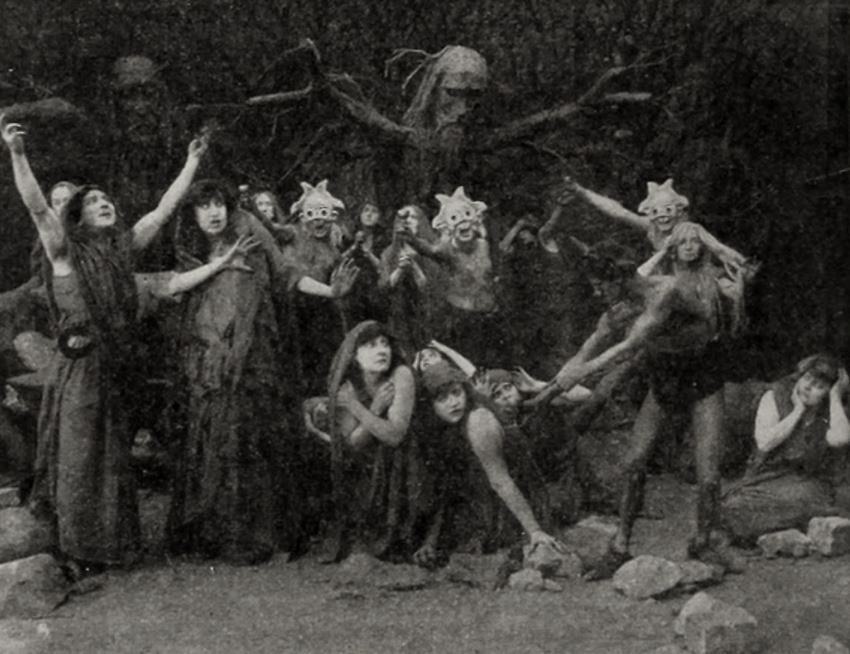
At the time of the Russian Revolution, Princess Natalya falls in love with Julian Ross, an American of Russian descent who has been imprisoned for writing revolutionary tracts. She arranges his release, telling him that she is a governess in the home of Prince Andrei Rostoff, who is actually her uncle.
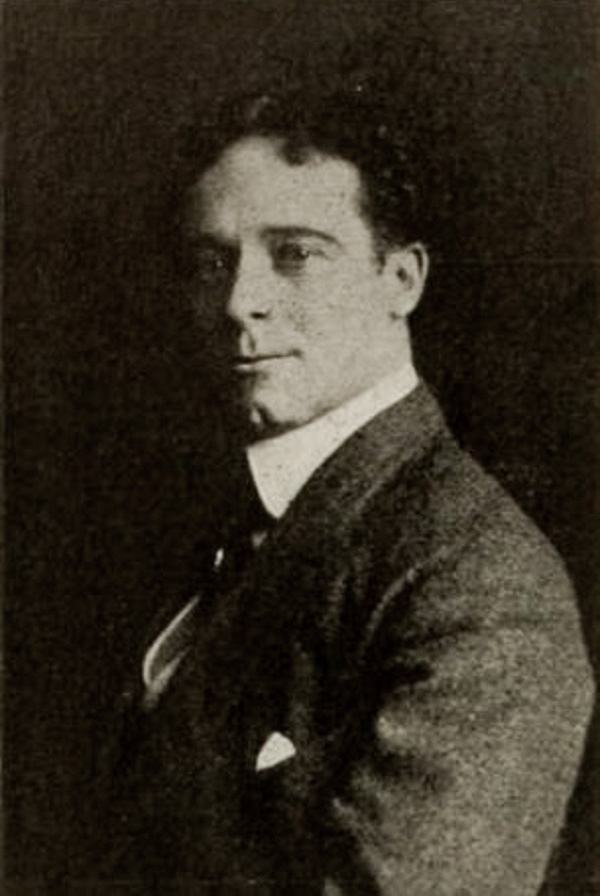
United States
The Crucible of Imperial DecayIn the pantheon of silent cinema, few films capture the sheer, unadulterated volatility of the early 20th century with the same histrionic intensity as The Firebrand. This is not merely a film; it is a celluloid fever dream born from the embers of the Romanov dynasty. The narrative archite...
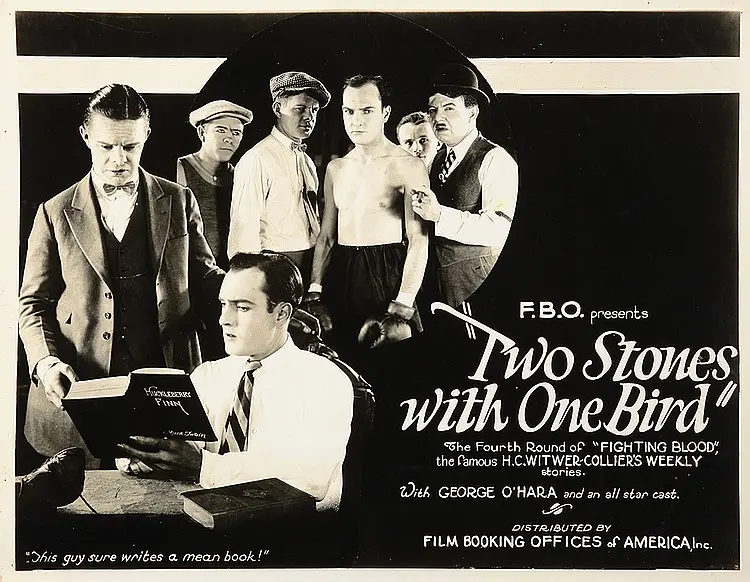

Comparing the cinematic DNA and archive impact of two defining moments in cult history.
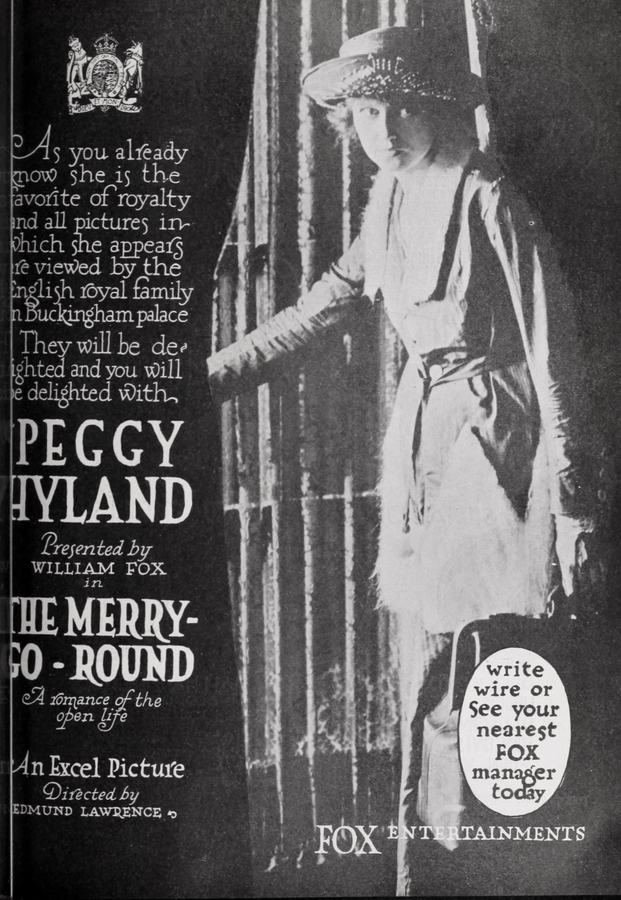
Edmund Lawrence
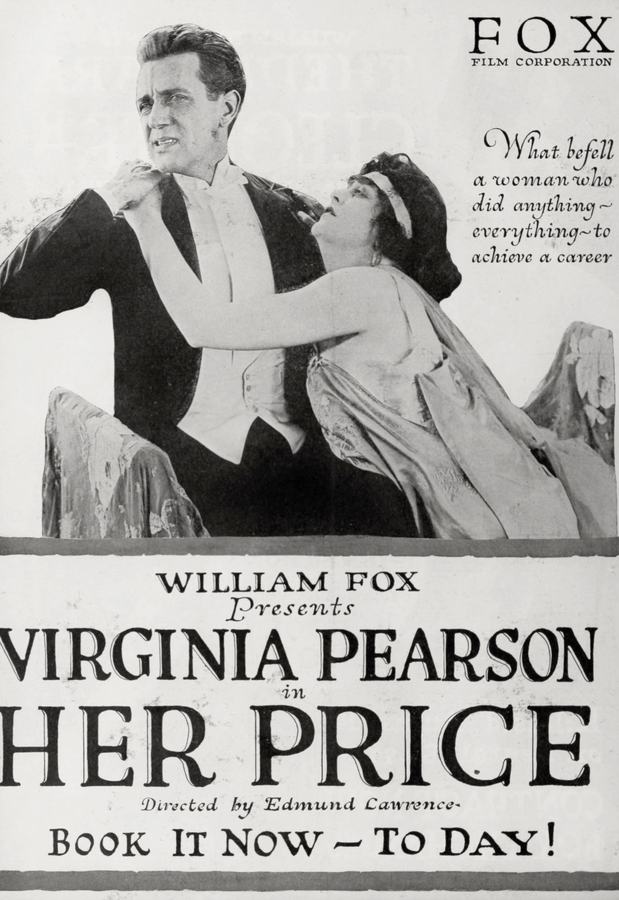
Edmund Lawrence
Community
Log in to comment.
"The Crucible of Imperial DecayIn the pantheon of silent cinema, few films capture the sheer, unadulterated volatility of the early 20th century with the same histrionic intensity as The Firebrand. This is not merely a film; it is a celluloid fever dream born from the embers of the Romanov dynasty. The narrative architecture is built upon the shifting sands of identity and the corrosive nature of political opportunism. Virginia Pearson, portraying Princess Natalya, delivers a performance that osc..."