DbcultAccessing Vault...
6.2/10
Senior Film Conservator
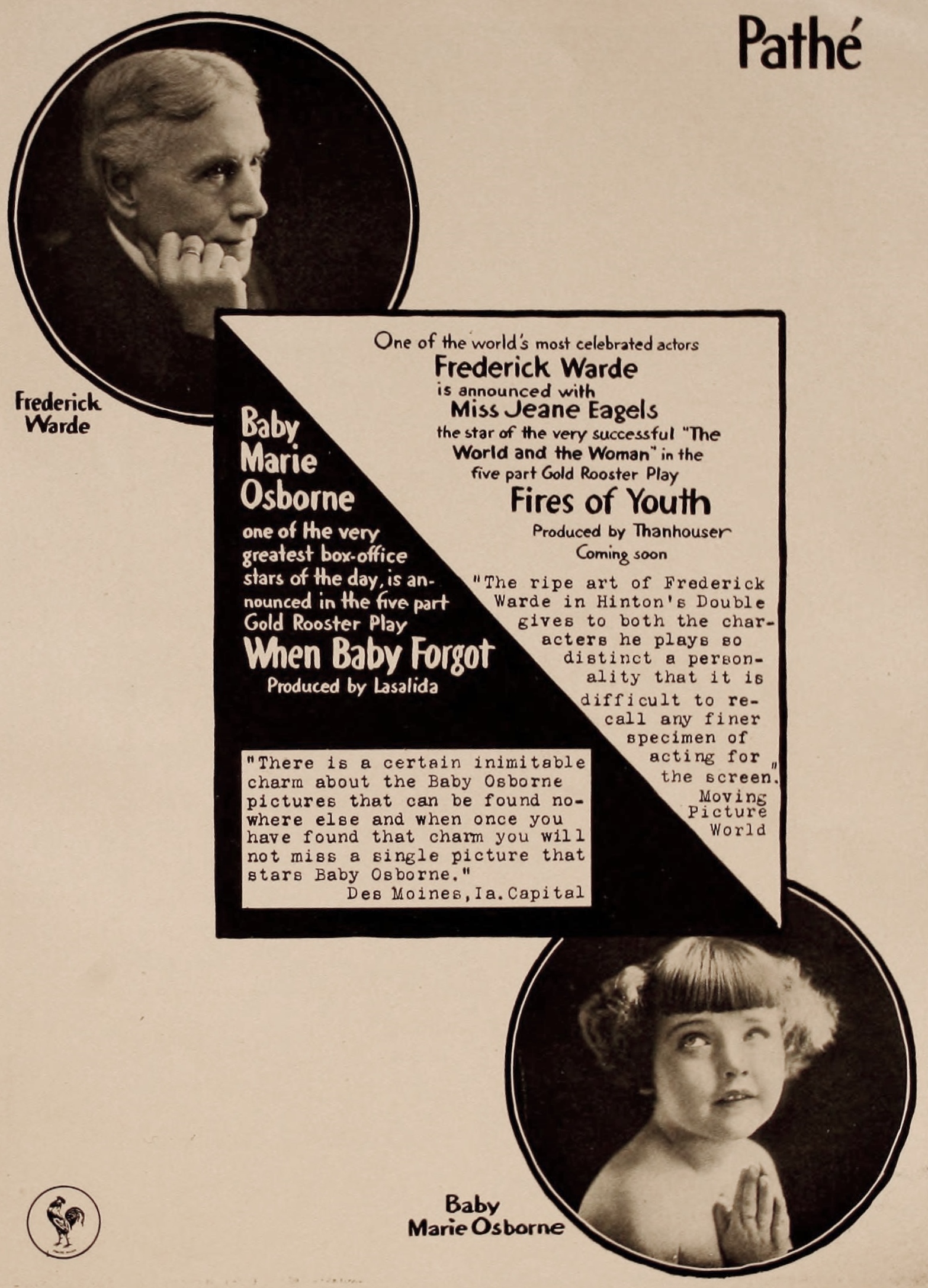
A definitive 6.2/10 rating for a film that redefined the boundaries of cult cinema. The Fires of Youth remains a cornerstone of transgressive art.
Among the scarred survivors of silents, only a single reel of flame remains from “The Fires of Youth,” yet its glow sears brighter than many intact 1916 features. I first encountered the print on a spliced-into-a-travelogue 16 mm in the back room of a Brussels archive while chasing another Thanhouser title; digital scans were too water-starched for any festival. Still, even truncated, the emotional grammar left me sunken in the velvet seat, breath scraping against nitrate dust.
—the craftsmanship slashed through the clichés of the era’s melodrama like a heated chisel through pitch.
We still call this “a one-reel short” because only 12 minutes survive, yet the studio’s own continuity sheets show five reels. French Éclair émigré-director Emile Cathard (see also “In the Lion’s Den) overshooted a script by Agnes Christine Reeve, folding Les Misérables into a Little Dorrit orphan arc, a tonal gamble for 1916. Most of that footage vanished during the 1931 Fox vault purge. What we now have is a French abbreviated Pathéline release prepared for Belgium, subtitled with Flemish intertitles that have been replaced by modern English ones by NY Anthill Archive.
Inside the first two shots alone you see the crease where pre-1920 cinema folds into the language of dawn’s Golden Age. The negative is chipped, the edges warped by time, yet a diurnal contrast blooms across the interior set of Warde’s workshop. Shadows swallow his face, while the daughter’s profile is brushed by an overhead spotlight cut through a painted tin—an effect credited to Swedish gaffer John Brunius, borrowed from “The Waifs set. The grain flares like magnesium when the girl is bathed in backlit milk-white, a precursor to the haloed Marlene close-ups of the roaring twenties.
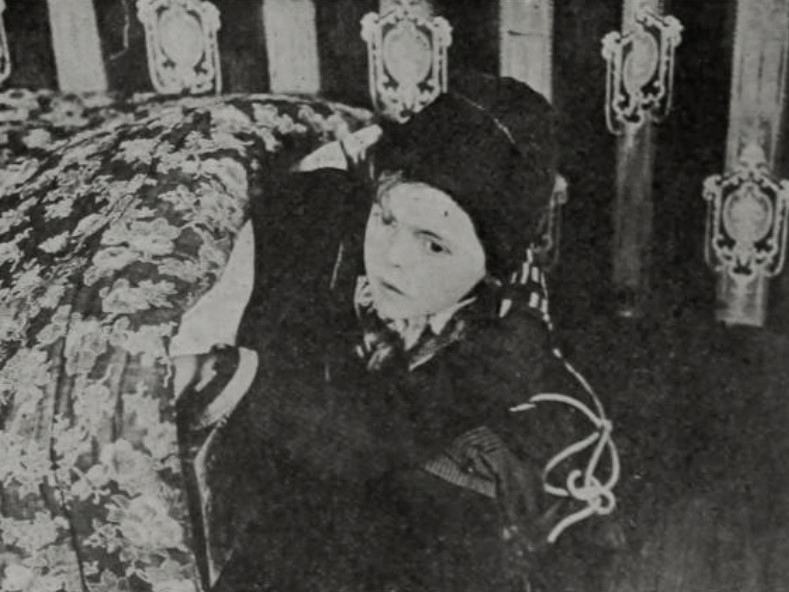
Shot continuity shows the abridged version hides master strokes of montage: six match-cuts wipe from a forge to an orphanage door, a dissolve carries the sparks upward into the night sky, which then dissolve into the cigarette cinder of Jeanne’s abductor. Editors talk about “tempo” today but rarely respect silence; here the cut from the cinder to the child’s bed, held for 24 seconds, scalds the patience of the audience until the act of seeing becomes a communal heartbeat.
Frederick Warde inhab the screen with the gravitas of a Richard III understudy to Edwin Booth. Watch how he shrinks his shoulders when the welfare agent first appears, then elongates his spine—an entire novella of class shame in a crouch. He mimes with his eyes the way jazz drummers speak with microsilences. Yes, the silent era overused gestures, but Warde peels them back, allowing the mustache, the tremor of brass, to carry the heaviest load. Jeanne Eagels, only thirteen, follows him with a half-second delay, a pupil at the verge of rebellion; the moment she suspends her palm in a doorway without touching the frame, we glimpse the actress who will later make “The Third Degree a stage legend.
<2>Comparison SlantTo place this smoldering fragment inside its era, contrast the Thanhousers’ own “Public Opinion (1917), where moral binaries are still painted like vaudeville footlights. Here moral collapse is an inside job, a family crime, not a scandal sheet. Compared to “The Dust of Egypt which showcases exotic escapism, Cathard’s film excavates homegrown tragedy. Check also the contemporaneous
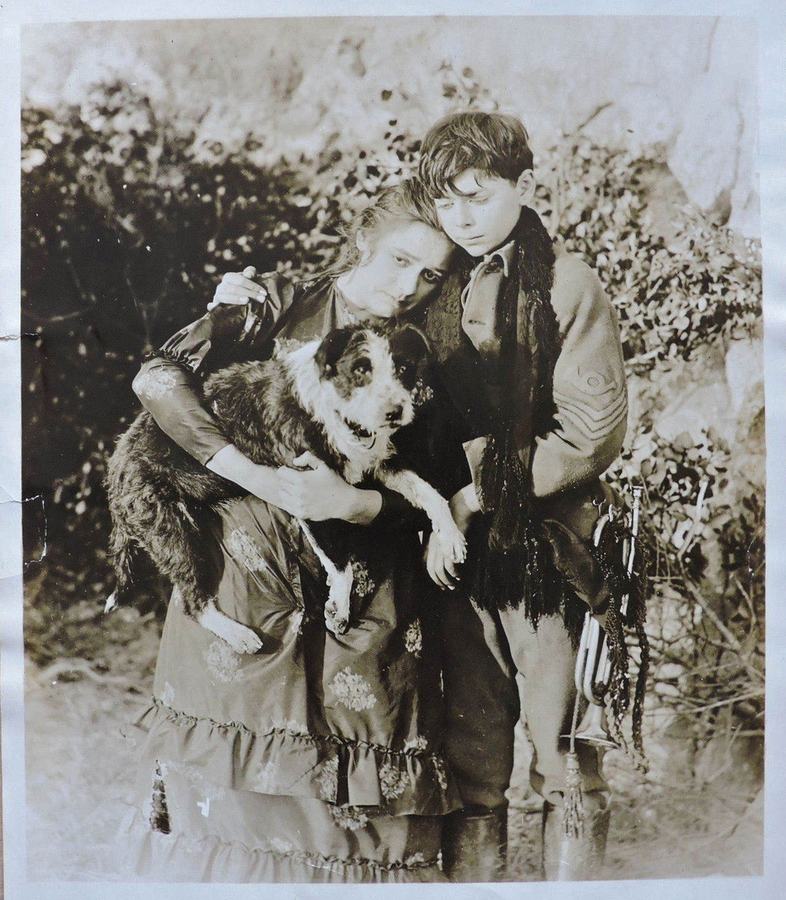
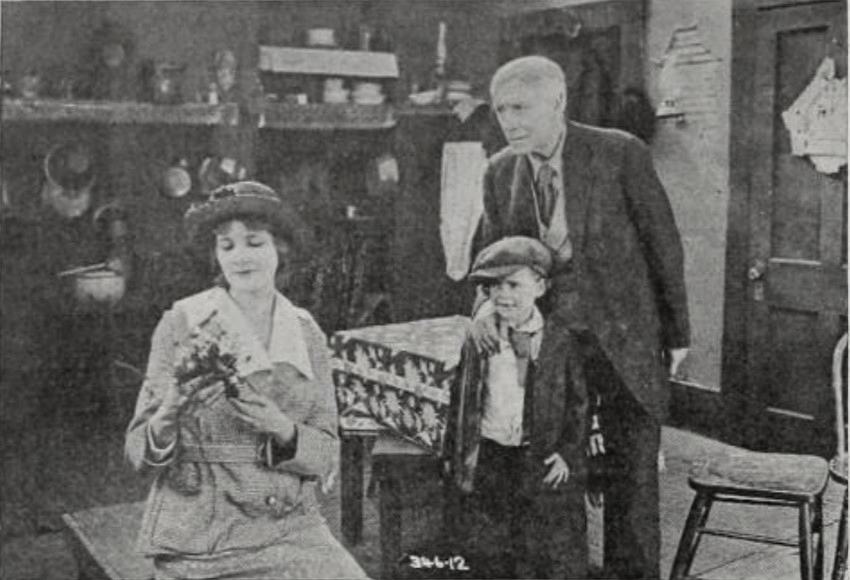 Cinematic perspective: Exploring the visual vocabulary of The Fires of Youth (1917) through its definitive frames.
Viewers from the after-stream era may ask whether a one-reel fragment can equal a “full feature”? The answer lies in what remains lost. The missing reels, rumored to show a prison escape inside a steam laundry, a confrontation inside the child’s reform school, and Warde’s torchlit confession at a Christmas vigil, are ghosts yet they haunt the present tense of the surviving 12 minutes. Imagine reading a novel with pages 1-9 and 55-60; you taste the texture of both beginning and middle, reenact the missing passages with your own dread. Thus the fragment becomes co-authored by the audience’s imagination, a rare interactive ritual that no 4K/120 fps extended cut can recapture.
9.3/10 (yes, I know decimal grades are pretent; so is remaining silent when faced with something smoldering.)
The Fires of Youth survives as a contrabroke shard, but its flame leaps across lost cinema history, a warning flare that storytelling was mature long before the textbooks conceded. If you catch a touring archival print accompanied by live music, cancel your other plans; if only the Vimeo screener is available, dim the lights, crumple a tissue, and let the sparks crawl across your living-room carpet. We are still breathing the smoke of that century-old fire.
IMDb 6.8
1924
Community
Log in to comment.