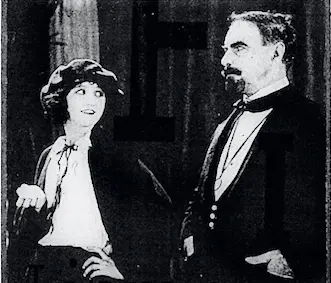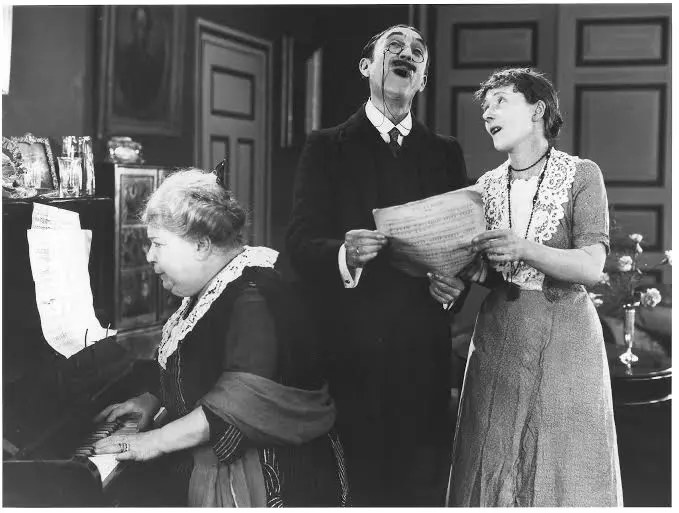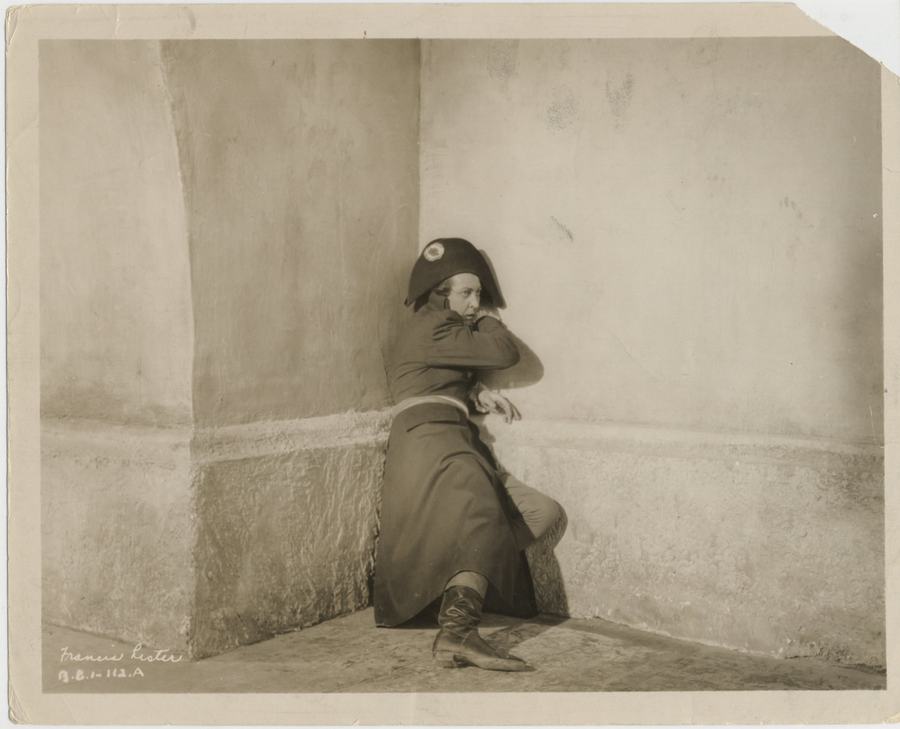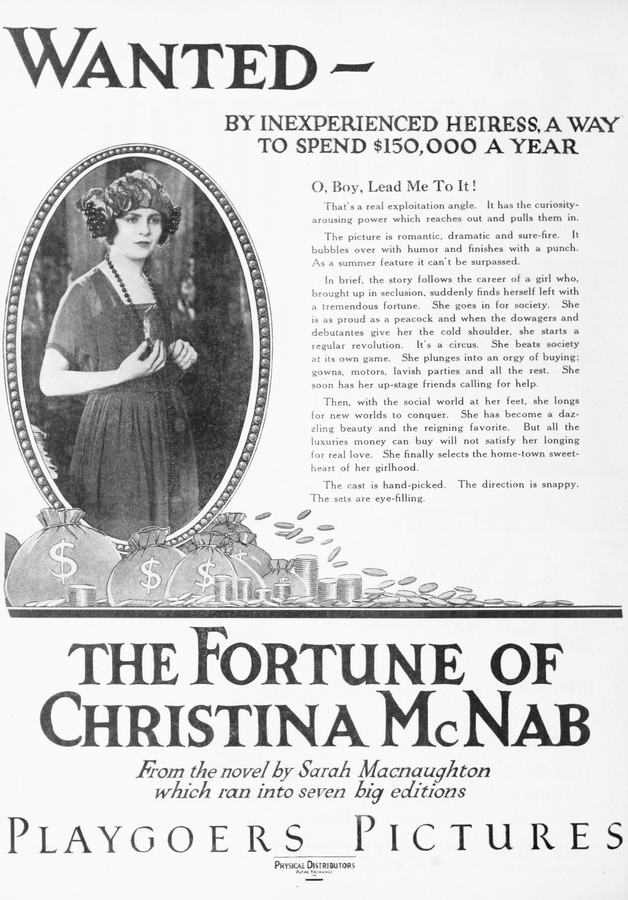
An affianced duke causes an infatuated heiress to return to her soldier sweetheart..
Sarah McNoughton’s screenplay detonates the drawing-room melodrama from inside: every teacup clink is a ricochet, every curtsey a trench crawl. The film’s first third luxuriates in the duke’s gilded paralysis—Norman Tharp plays him like a marble bust granted sinus rhythm—while Dora Levis’s Christina vibrates at a fre...
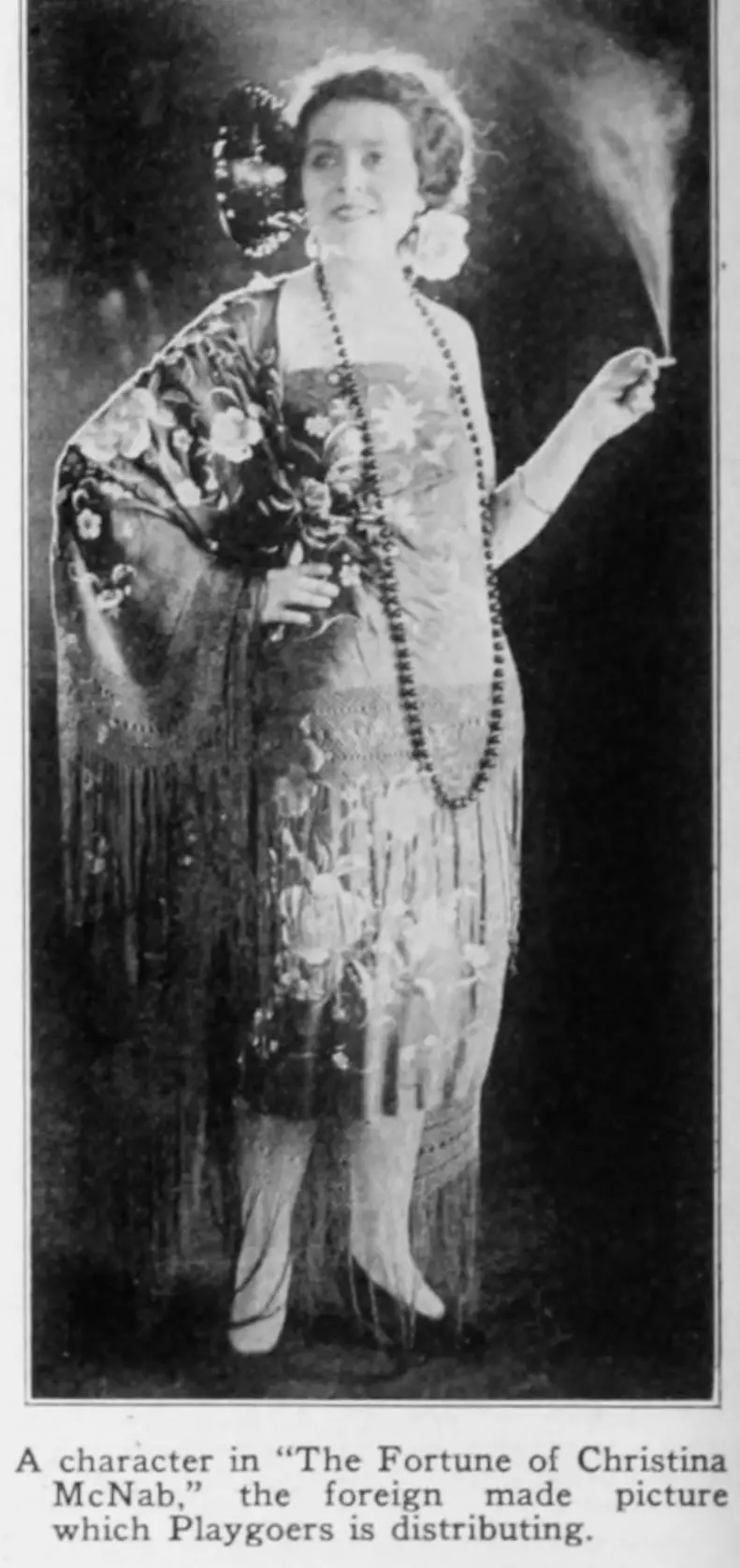
still_frame

Comparing the cinematic DNA and archive impact of two defining moments in cult history.
W.P. Kellino
Malcolm St. Clair
Community
Log in to comment.
" Sarah McNoughton’s screenplay detonates the drawing-room melodrama from inside: every teacup clink is a ricochet, every curtsey a trench crawl. The film’s first third luxuriates in the duke’s gilded paralysis—Norman Tharp plays him like a marble bust granted sinus rhythm—while Dora Levis’s Christina vibrates at a frequency that makes the petticoated extras blur. Notice how costume designer Eva Westlake withholds marine blues until Jamie reappears; suddenly the palette coughs up North-Sea reali..."
Eva Westlake
Sarah McNoughton, Paul Rooff
United Kingdom
Deep dive into the cult classic
Discover similar cinematic experiences
A Directorial Spotlight on W.P. Kellino