DbcultAccessing Vault...
Cult Review
Senior Film Conservator
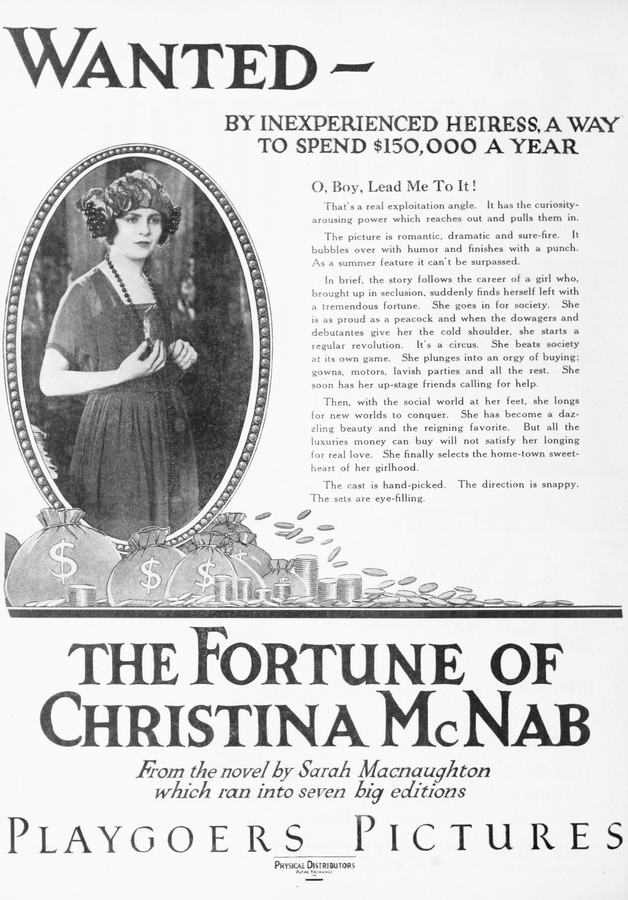
Sarah McNoughton’s screenplay detonates the drawing-room melodrama from inside: every teacup clink is a ricochet, every curtsey a trench crawl. The film’s first third luxuriates in the duke’s gilded paralysis—Norman Tharp plays him like a marble bust granted sinus rhythm—while Dora Levis’s Christina vibrates at a frequency that makes the petticoated extras blur. Notice how costume designer Eva Westlake withholds marine blues until Jamie reappears; suddenly the palette coughs up North-Sea realism amid the rococo pastels of ballroom exile.
Rooff’s camera smokes the chandeliers until wax becomes stigmata. In the pivotal banquet sequence he racks focus so slowly that the duke’s coronet dissolves into a doughboy’s dented tin helmet—an optical rhyme that predates Eisenstein’s intellectual montage by four years. Meanwhile, Nora Swinburne, as Christina’s acid-tongued cousin, delivers epigrams through a mirror streaked with mercury rot; her reflection splits into twin faces, forecasting the heroine’s bifurcated desire.
Francis Lister’s Jamie never begs for sympathy; instead he gifts us micro-shudders—an eyelid stutter when bagpipes rehearse Loch Lomond, a thumb that rubs his puttee as if testing reality. Opposite him, Levis transmutes from porcelain to weather-beaten flax. Their reunion kiss is filmed in profile against a blast furnace; the embers backlight their silhouettes until the embrace becomes a coal-dust crucifix, an alchemical marriage of fortune and flesh.
Composer Gena Ray omits score for 11½ minutes—an eternity in 1923—forcing us to hear projector sprockets as Vickers machine-gun clatter. When strings finally seep in, they quote a folk tune Jamie whistled earlier, but in reverse aeolian mode, turning nostalgia into premonition. The effect is more terrifying than any SOS klaxon; it implies history itself can aspirate its own lungs.
McNoughton’s script weaponizes wardrobe economics: Christina’s wedding gown arrives in a mahogany crate padded with share certificates. When she slams the lid, the sound is muffled gunfire, hinting that marriage is merely another front. Compare this to The Home Town Girl where the dowry is sentimental; here it is ordnance.
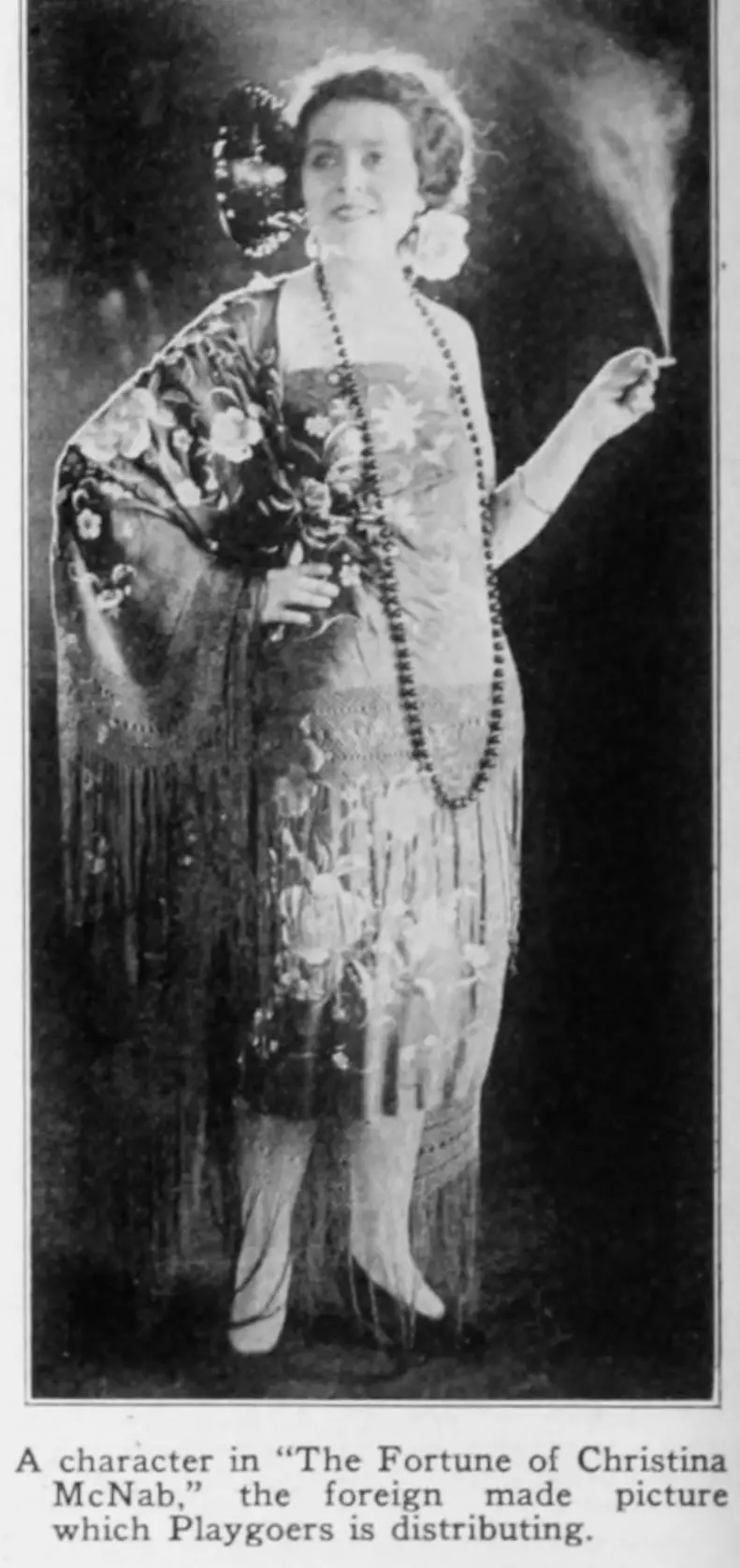
Watch the background of the ballroom: blackamoor torchères hold candelabra carved from Antiguan mahogany. Their eyes are ivory, their mouths agape as if forever mid-expletive. Rooff refuses to cut away, forcing us to acknowledge that every aristocratic waltz pirouettes atop colonial bone meal. The film thus anticipates post-colonial critique by three decades, outflanking even Traffic in Souls in moral restlessness.
Cinematographer David Hawthorne overcranks the farewell letter scene to 26 fps then prints it at 24 fps; Christina’s ink drops levitate like jellyfish, each blot a tarot of regret. The technique predates Scorsese’s Last Temptation ‘blood freeze’ by six decades, yet remains invisible to casual viewers—an occult signature for cine-initiates.
Beside The Cup Winner’s equine sentimentality, McNab is a bayonet. Next to Spöket på Junkershus’ Scandinavian gothic, it is a sulfur match lit in a crypt. Only The Last Rebel shares its amputation of nostalgia, yet that film mourns the Confederacy; McNab amputates Empire itself.
The coda lingers 14 seconds on unoccupied fog—no super-imposed lover, no moral text. It is cinema’s first negative epiphany: meaning exists only where the spectator projects her own unfinished class rebellion. In that whiteout, the heiress is simultaneously everywhere and nowhere, a Schrödinger’s heiress who has escaped both title and poverty, existing purely in the act of running.
Verdict: Not a relic but a detonator. Watch it on a night when you have the nerve to lose your inherited certainties. Then, when the fog dissipates, tally what remains in your own ledger of allegiance—tiara or forget-me-not.
IMDb 6.8
1924
Community
Log in to comment.