DbcultAccessing Vault...
Cult Review
Senior Film Conservator
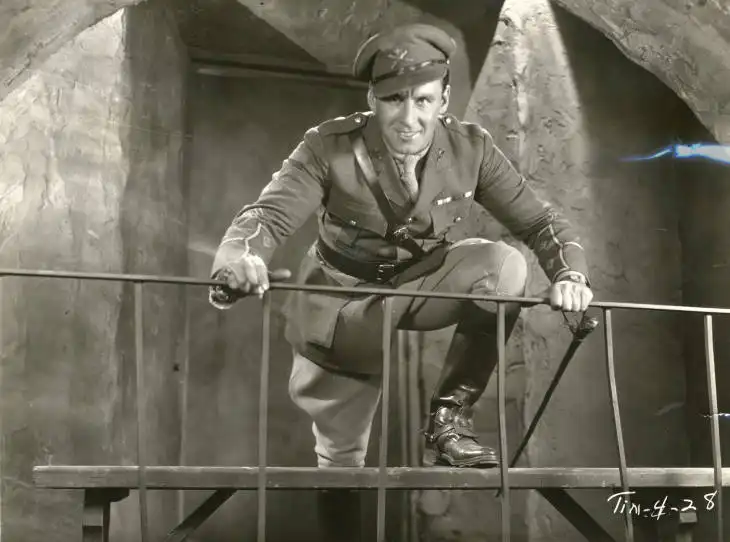
Alright, so “True Heaven.” Is it worth digging up today? Well, that depends *a lot* on what you’re looking for. If you’re into the sweeping, sometimes melodramatic stories of early cinema, especially wartime romances that take their sweet time, then yeah, maybe give it a go. But if you need fast cuts, modern sensibilities, or anything resembling snappy dialogue, you’re probably going to be a bit bored, maybe even frustrated.
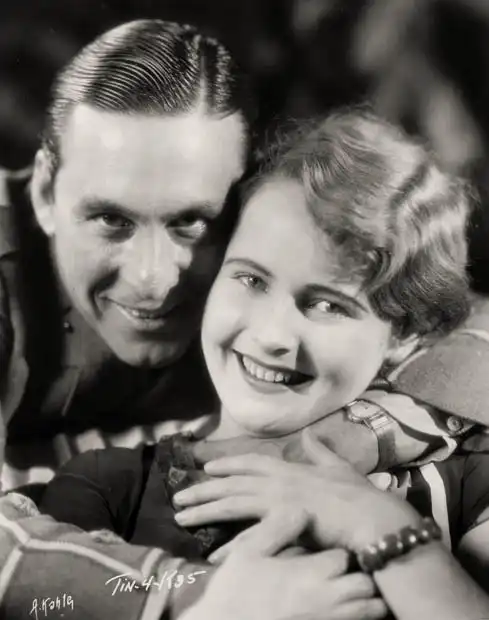
This one’s a real slow burn, a kind of antique relic that still has a glimmer if you squint right. It tells the story of Eileen, played by Lois Moran, and her soldier sweetheart, Jack (George O'Brien), as war pulls them apart. You know the drill: letters, longing gazes, and a world that feels like it’s just waiting for peace.
The film opens with this rather *oddly* extended shot of a train pulling away from a station. It just keeps going, steam billowing, for what feels like a good minute and a half. It really sets the tone for the pacing, which is to say, Day Dreams moves faster. But it also lets you feel that separation, that long journey ahead for Jack.
Lois Moran, as Eileen, she does a lot with just her eyes. There’s a scene where she’s reading a letter from Jack, and the camera just stays on her face. You can practically *feel* her trying to imagine his words, her slight smile, then that little shadow that crosses her face. It’s not over-the-top, just a quiet, almost sad understanding.
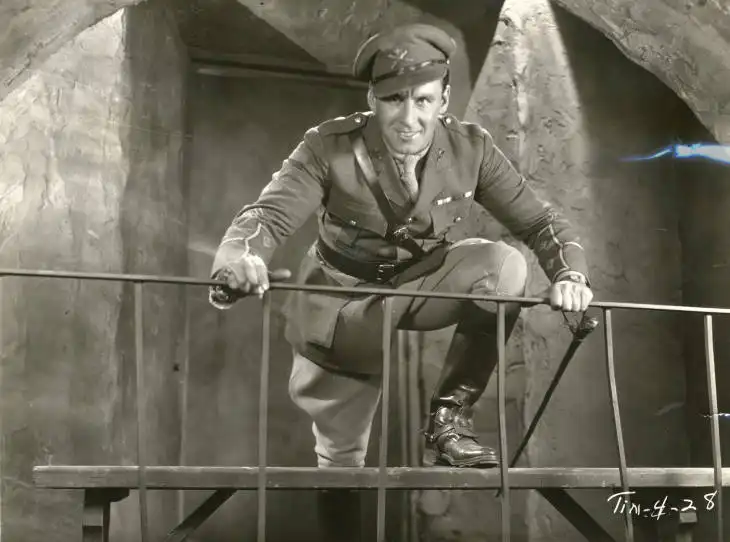
Then there’s Jack, George O'Brien, off at the front. His segments are starker, a lot of trudging through muddy trenches. There’s a moment, a really specific one, where he’s sharing a meager meal with another soldier, and he just stops chewing, staring off into nothing. It’s quick, but it sells the exhaustion, the utter weariness. Not a big dramatic cry, just a quiet, *heavy* pause. 😟
The villain of the piece, a rather slick fellow named Richard played by Phillips Smalley, he’s a bit one-note. He’s always lurking, always trying to worm his way into Eileen’s life back home. You can almost see the director telling him, "Now, look suspicious!" And he does. Every time.
There's this sequence involving a telegram. Eileen gets one, and the whole scene just *drags* out the tension. The messenger boy walking up the path, the door knock, Eileen’s slow approach. You know it’s bad news, but the film makes you sit with that anticipation, like you’re waiting right there with her. It’s effective, even if it feels a touch manipulative now.
One thing that kept catching my eye was the costume design. Eileen’s dresses, especially her 'waiting-at-home' outfits, they’re so delicate. And then you see Jack’s uniform, it gets progressively dirtier, more worn. It’s a nice visual shorthand for the different worlds they’re living in. Though, I did notice in one trench scene, his boots looked *remarkably* clean after a 'battle.' Little things like that.
The supporting cast, like Hedwiga Reicher as Eileen’s stern aunt, provides some needed friction. Her disapproving glances are pretty great. She’s the personification of 'what will the neighbors think?' and it’s a classic touch for these older stories.
Pacing is definitely something to adjust to. There are long stretches of quiet, just faces reacting. It forces you to really pay attention to the small gestures. Sometimes it works, sometimes you just want them to *get on with it*. The ending, without giving anything away, felt a little… neat. After all that struggle, it just wraps up in a way that feels a tiny bit too easy.
It’s not a film that’s going to redefine your understanding of cinema. It’s a snapshot, a sentimental journey back to a time when stories were told with a lot more patience. If you appreciate that, you might find something genuinely touching here. If not, well, there are plenty of other, faster-moving options out there. This one’s for the folks who don’t mind a bit of dust on their cinematic experience. ✨
IMDb 6.3
1935
Community
Log in to comment.