DbcultAccessing Vault...
Cult Review
Senior Film Conservator
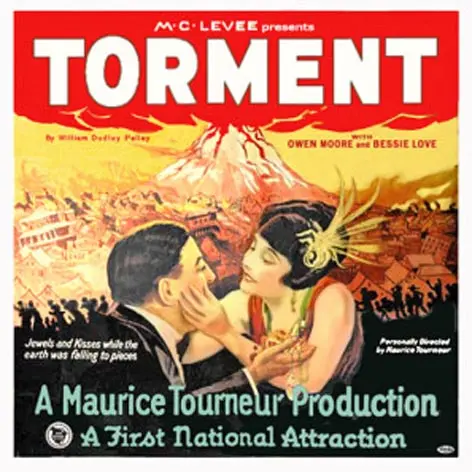
When we discuss the cinematic output of 1924, the conversation often gravitates toward the slapstick of Keaton or the burgeoning German Expressionism, yet Maurice Tourneur’s Torment stands as a towering, if somewhat neglected, monument to the era's ambition. This film is not merely a narrative; it is a visceral interrogation of greed and redemption, set against the backdrop of global upheaval. Tourneur, a master of visual composition, crafts a world where the shadows of the Russian Revolution stretch all the way to the shores of Japan, creating a bridge between political tragedy and personal salvation.
The film opens with a sequence that rivals the atmospheric tension of Passing Night. We see Count Boris, played with a weary nobility by Joseph Kilgour, fleeing the wreckage of his homeland. The crown jewels he carries are not portrayed as spoils of war, but as a heavy burden of duty. This isn't the romanticized theft found in Brigadier Gerard; it is a somber, desperate act of survival. Boris is a man out of time, an aristocrat trying to feed the very proletariat that dismantled his world. This complexity sets the stage for a story that refuses to lean on simple moral binaries.
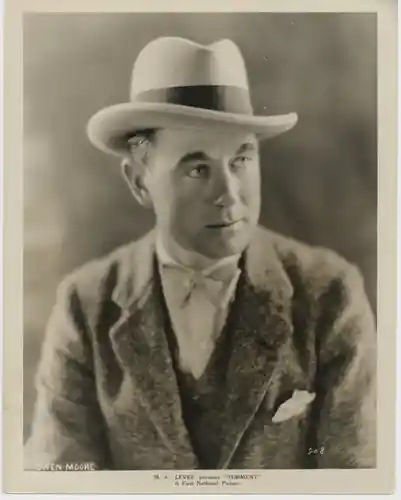
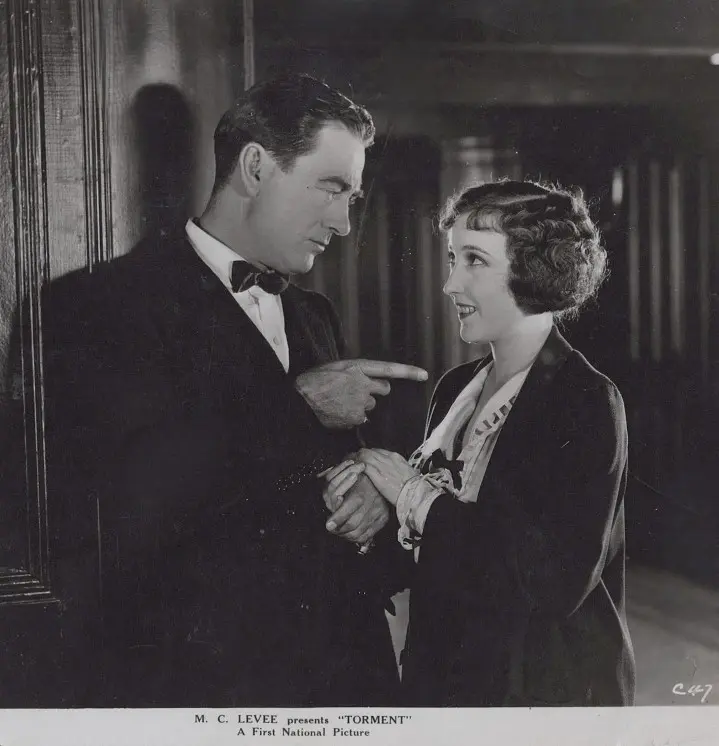
As the action shifts to Yokohama, we are introduced to the three crooks: Carstock, Hansen, and Fogarty. Unlike the more whimsical criminals in The Clean-Up, these men are driven by a hunger that borders on the pathological. Owen Moore’s portrayal of Hansen is particularly noteworthy. He possesses a rugged, conflicted charm that makes his eventual pivot toward morality feel earned rather than forced. His chemistry with Bessie Love’s Marie is the film's emotional anchor. Marie represents a purity that is increasingly rare in this cynical landscape—a theme we see echoed in Love's other works like Rose o' Paradise.
The cinematography during these middle acts is quintessential Tourneur. He utilizes deep focus and intricate lighting to emphasize the isolation of the characters. Even in crowded ports or bustling streets, Hansen and Marie seem to exist in a private bubble, a stark contrast to the predatory lurking of Carstock and Fogarty. The tension builds with a precision that reminds one of the slow-burn dread in The Ouija Board, though here the threat is entirely human and terrestrial.
Everything changes when the earth begins to scream. The earthquake sequence in Torment is a marvel of 1920s practical effects. It is not just a spectacle; it is a narrative pivot point that strips the characters of their pretenses. The destruction is wholesale, a chaotic leveling of social standing that forces the count and the criminal into the same dark hole. Trapped in a bank vault—a symbol of the wealth they all coveted—they are forced to confront their own mortality. This claustrophobic setting turns the film into a psychological chamber piece, far removed from the broader social canvases of The Good Provider or The Fotygraft Gallery.
Inside the vault, the air grows thin, and the true nature of each man is revealed. Count Boris, already weakened by his journey, becomes a martyr for his cause. His death is not a tragedy of failure, but a passing of the torch. When Hansen takes the jewels, it is no longer an act of theft; it is a baptism. He is no longer the man who sought to exploit the chaos, but the man who must now navigate it to do good. This transformation is handled with a subtlety that was often missing in the more didactic films of the period, such as Idolators.
The technical achievements of Torment cannot be overstated. The use of miniatures and double exposures to simulate the earthquake creates a sense of vertigo that still resonates. Tourneur’s background in painting is evident in every frame; the composition of the vault scenes, with light filtering through cracks in the stone, creates a chiaroscuro effect that heightens the spiritual weight of the dialogue cards. It is a visual language far more sophisticated than the theatrical staging found in From Gutter to Footlights.
Furthermore, the screenplay by Fred Myton and Marion Fairfax avoids the pitfalls of excessive sentimentality. While there is a romantic element, it is secondary to the themes of survival and ethical recalibration. The film shares a certain DNA with the grim realism of Tess of the D'Urbervilles (1924), particularly in its depiction of characters caught in the gears of fate. However, where Tess finds only tragedy, Hansen and Marie find a path to light.
In the final act, as the survivors are pulled from the rubble, there is a profound sense of catharsis. The jewels, which represented the old world's decadence and the new world's greed, are finally put to their intended use: aiding the destitute. This resolution provides a satisfying moral symmetry. It moves beyond the simple 'happily ever after' and suggests that true happiness is only possible after a thorough purging of one's past—a sentiment also explored in Chains of the Past.
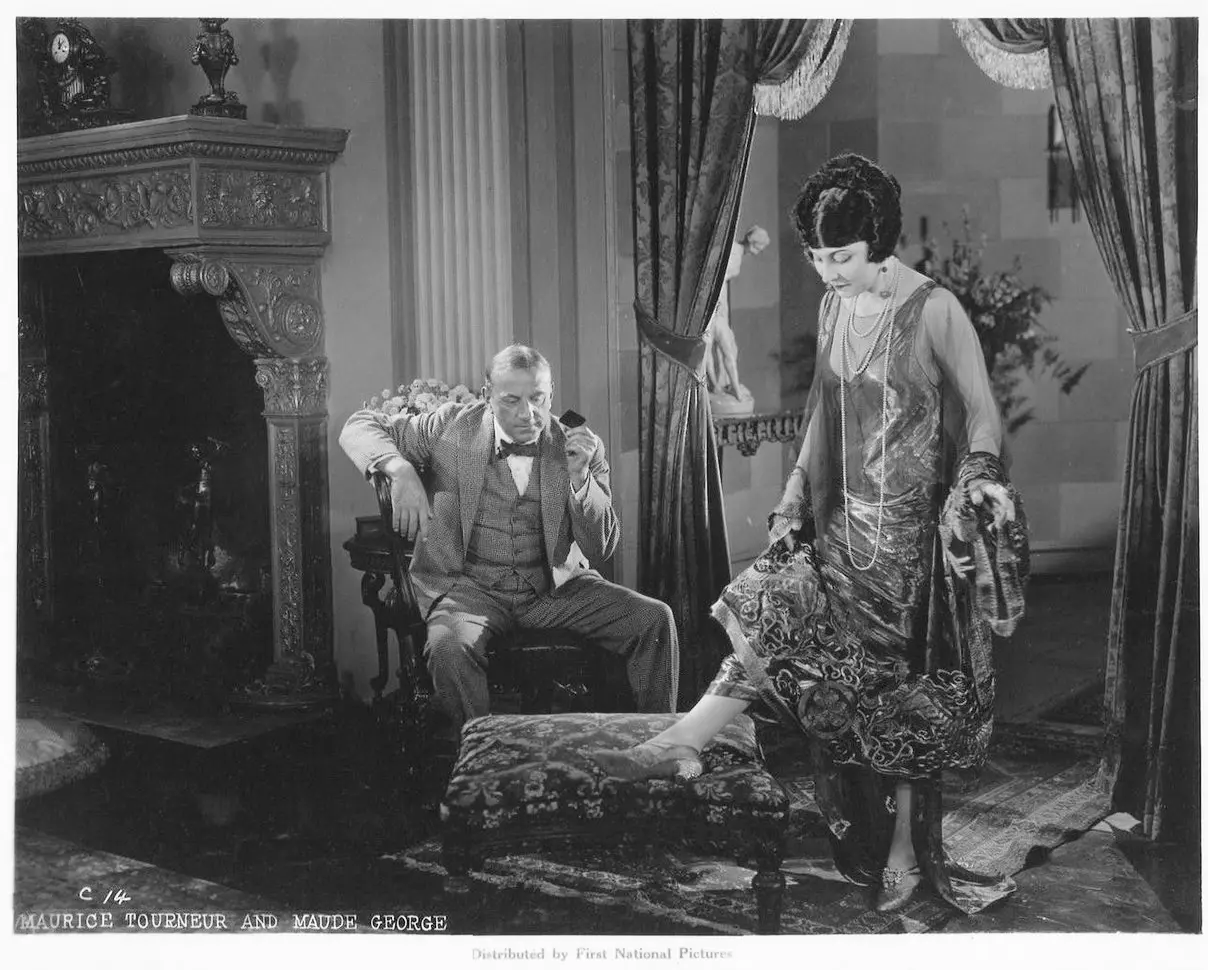
Owen Moore delivers perhaps the performance of his career here. He navigates the transition from a cynical opportunist to a man of purpose with a physical groundedness that anchors the film's more melodramatic flourishes. Bessie Love, similarly, provides a performance of quiet strength. She isn't just a damsel to be rescued; she is the catalyst for Hansen's moral awakening. Her presence in the film provides a necessary counterpoint to the masculine aggression of the heist plot, much like the delicate balance found in The Girl I Loved.
Ultimately, Torment is a film about the endurance of the human spirit when faced with the literal and figurative collapse of the world. It eschews the fluff of Silk Stockings or the cynical maneuvering of Kærlighedsspekulanten in favor of something much more substantial. It is a reminder that even in our darkest moments—trapped beneath the weight of our choices and the debris of our civilization—there is a possibility for a new beginning. Maurice Tourneur created a masterpiece that deserves to be viewed not just as a historical curiosity, but as a vibrant, breathing piece of art that still has much to say about the price of gold and the value of a soul.
Reviewer's Note: For those interested in the evolution of the disaster genre, Torment provides a fascinating early blueprint that prioritizes character development over mere destruction. It remains a high-water mark for the silent era's ability to blend genre thrills with high-art aspirations.
IMDb —
1921
Community
Log in to comment.