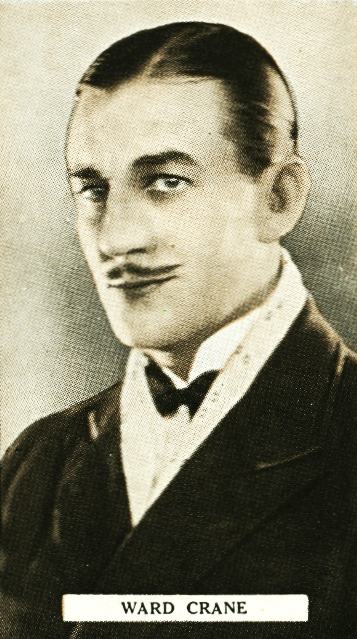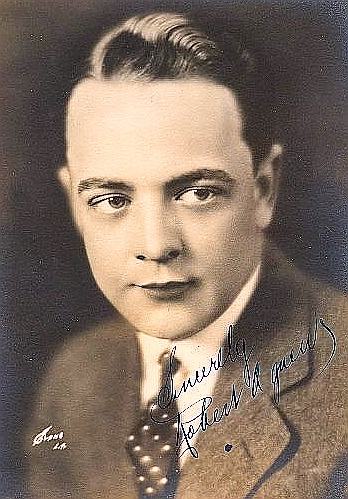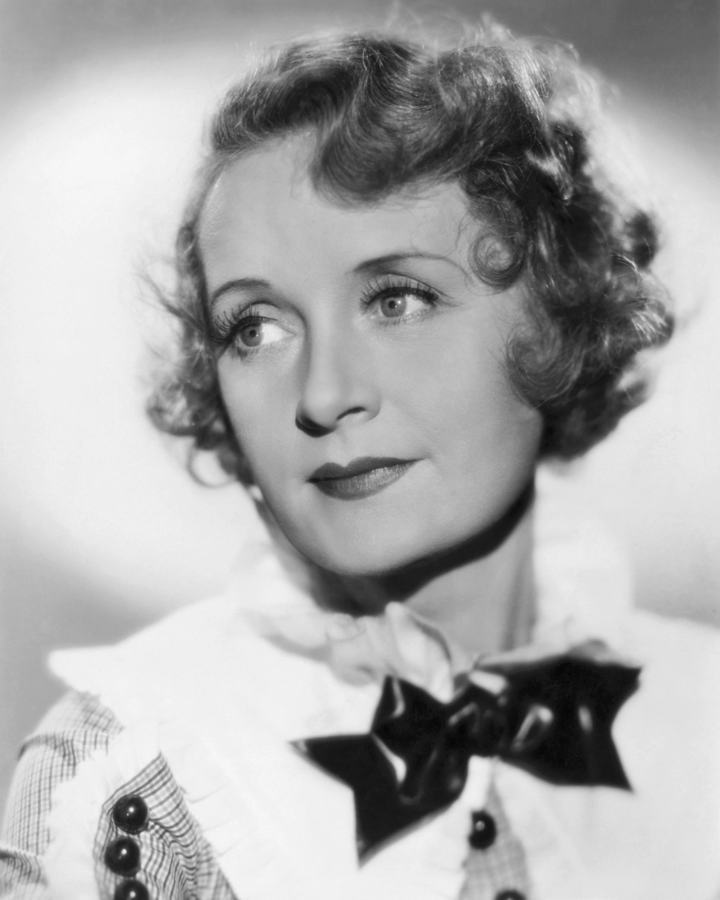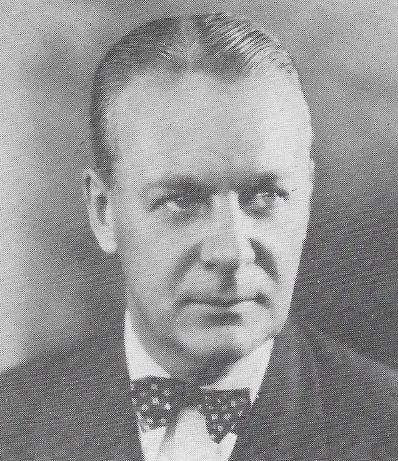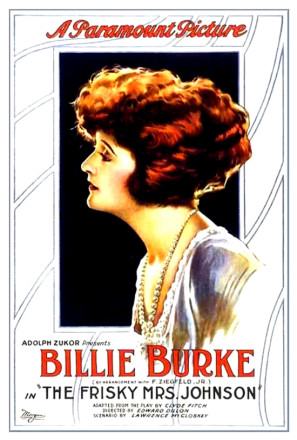
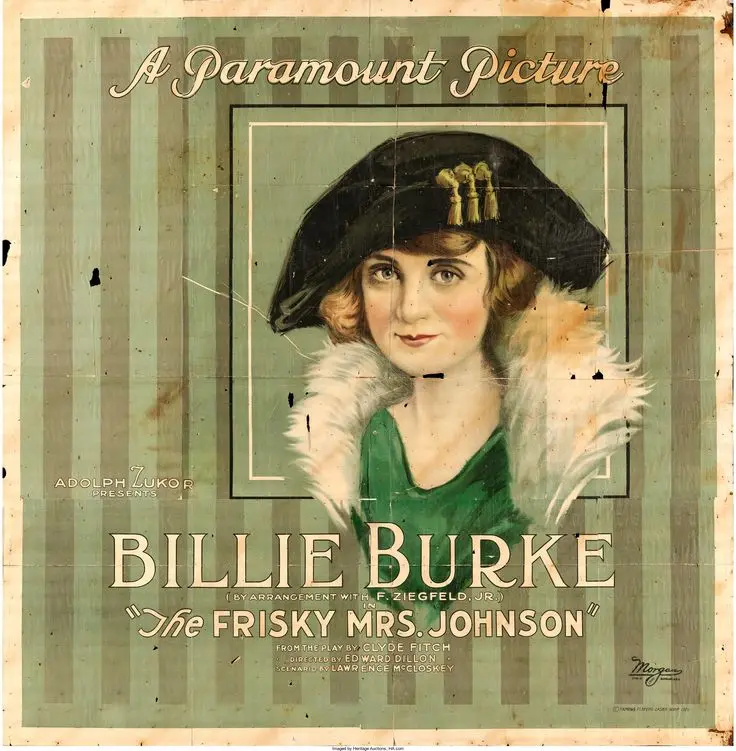
"The Frisky Mrs. Johnson" is a 1920 silent film comedy starring Billie Burke.
There is a peculiar ache that arrives only when you fall in love with a ghost. The Frisky Mrs. Johnson is such a ghost—four reels of nitrate laughter that once caught the light in 1920 and now survives only in the smoky after-image of lobby cards and breathless Motion Picture Herald adjectives. Yet the ache is delici...
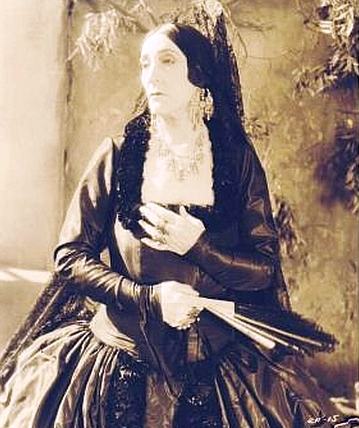
production_art
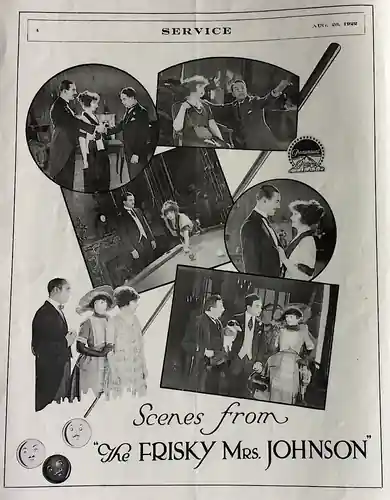
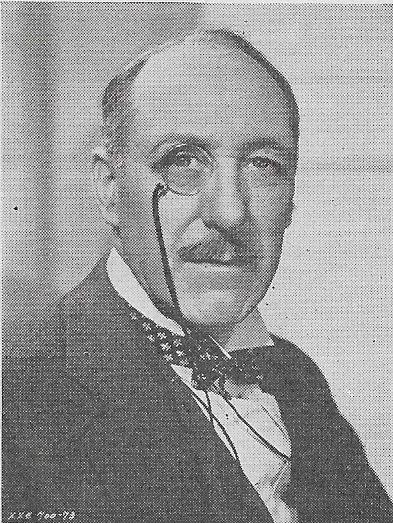
publicity
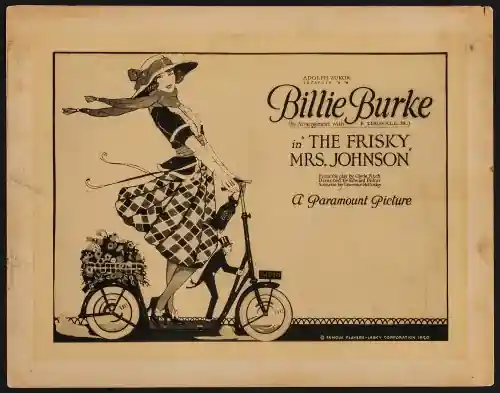
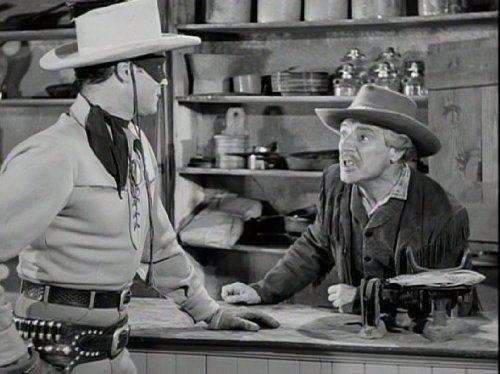
production_art
Comparing the cinematic DNA and archive impact of two defining moments in cult history.
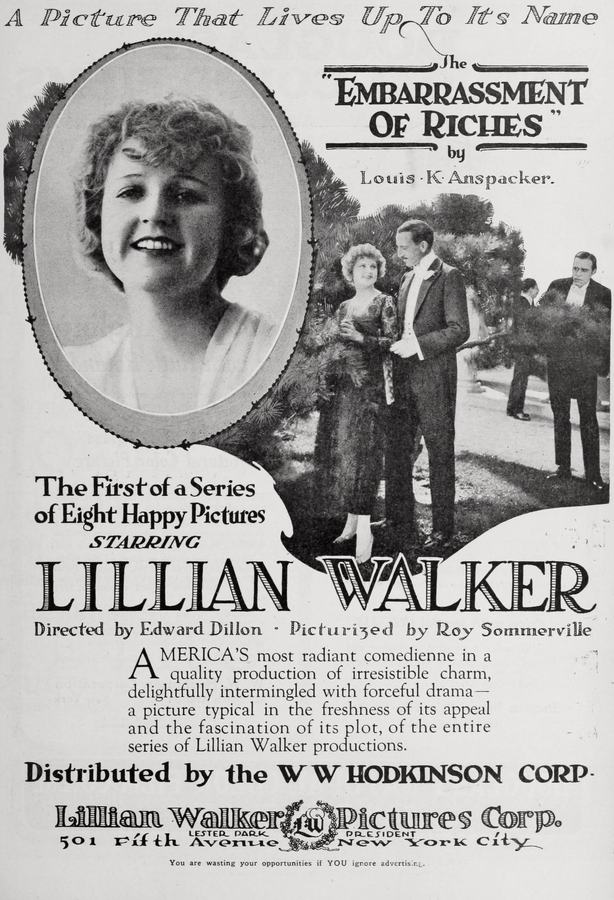
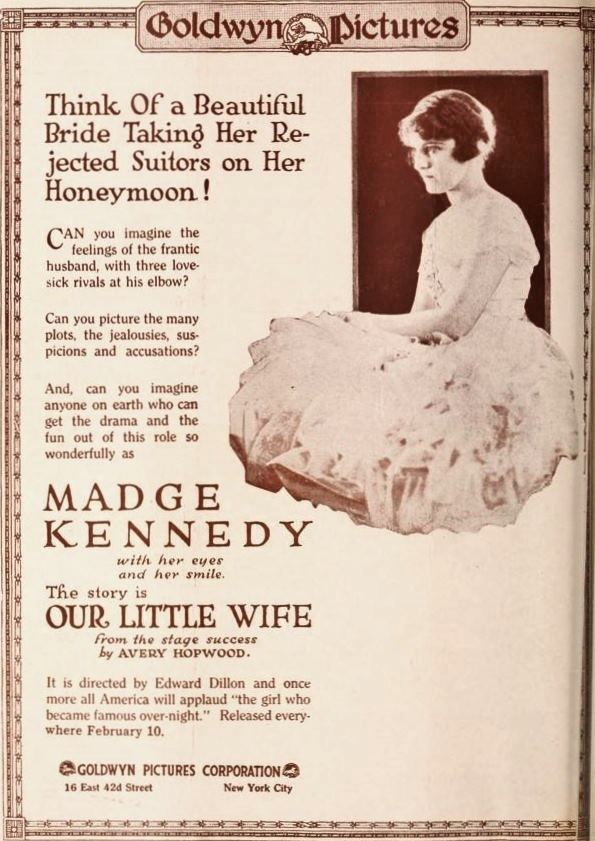
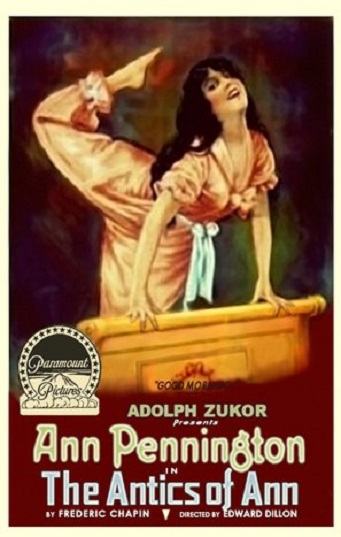
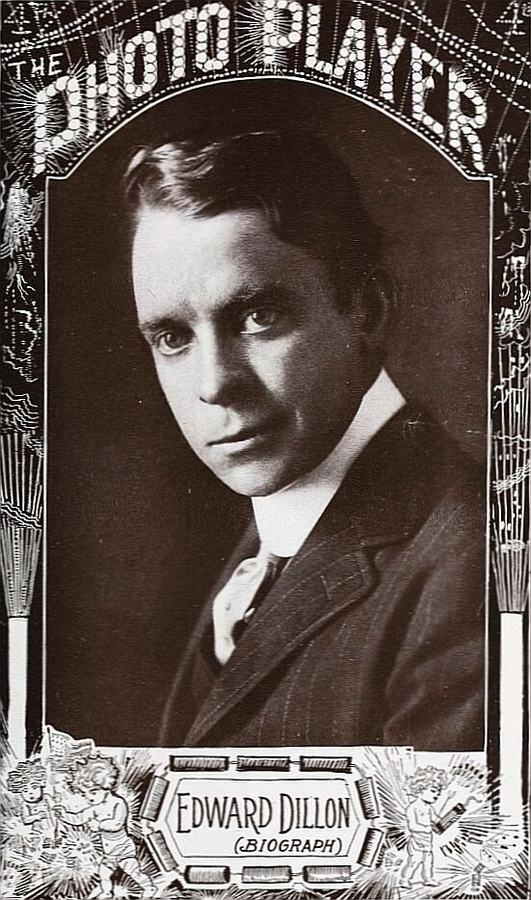
Edward Dillon
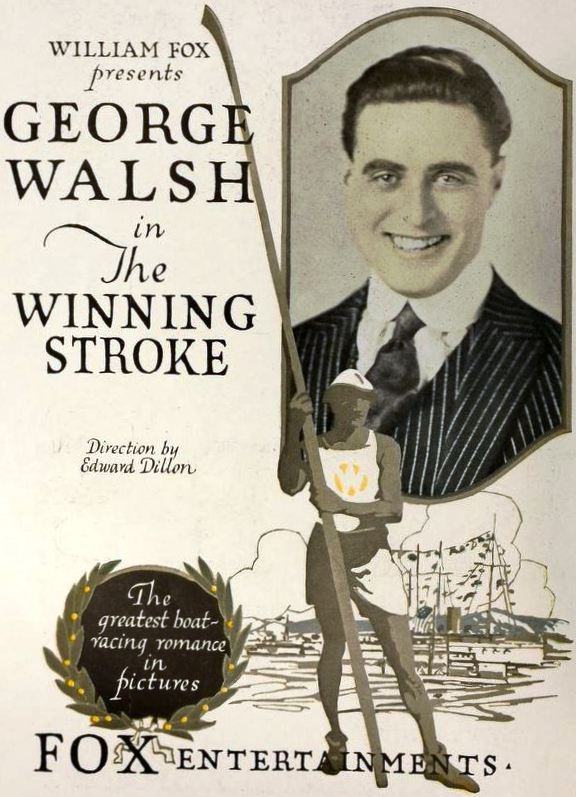
Edward Dillon
Community
Log in to comment.
" There is a peculiar ache that arrives only when you fall in love with a ghost. The Frisky Mrs. Johnson is such a ghost—four reels of nitrate laughter that once caught the light in 1920 and now survives only in the smoky after-image of lobby cards and breathless Motion Picture Herald adjectives. Yet the ache is delicious, because what we do know feels like a champagne cork popped inside a velvet satchel: irreverent, effervescent, hopelessly muffled by time. Let us begin with the poster: Billie..."
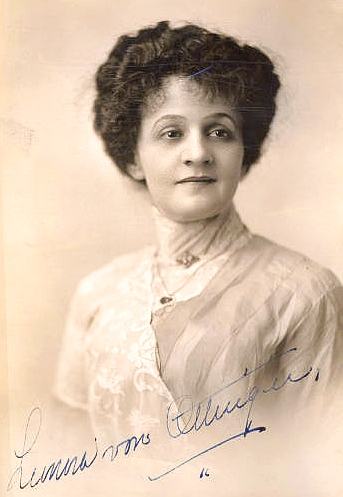
Leonora von Ottinger
Lawrence McCloskey, Clyde Fitch
United States
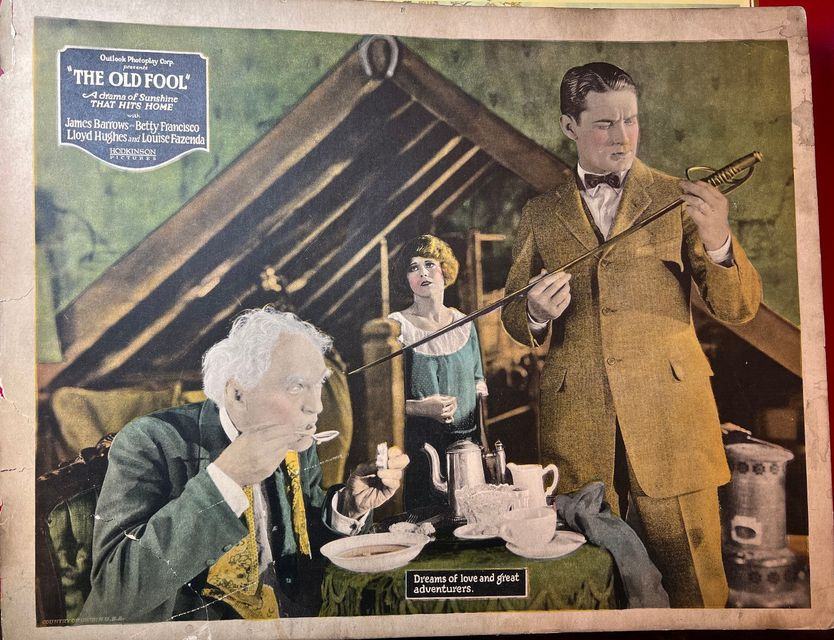

Deep dive into the cult classic
Discover similar cinematic experiences
A Directorial Spotlight on Edward Dillon