
DbcultAccessing Vault...
Recommendations
Senior Film Conservator
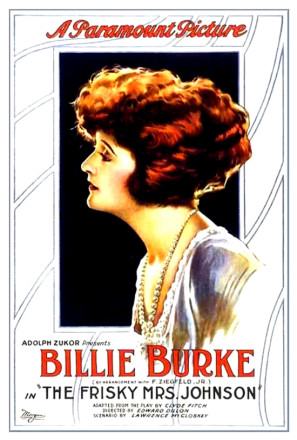
Exploring the stylistic flair in The Frisky Mrs. Johnson is a journey into United States cinema, the thematic layers of this 1920 classic invite a wider exploration of the genre. If Leonora von Ottinger, Jean De Briac, Huntley Gordon impressed you, these next recommendations will too.
With Edward Dillon at the helm, The Frisky Mrs. Johnson became to reinvent the tropes of Comedy cinema for a global audience.
"The Frisky Mrs. Johnson" is a 1920 silent film comedy starring Billie Burke. It was produced by Famous Players-Lasky and distributed through Paramount Pictures. It is based on a 1903 Broadway stage play by Clyde Fitch. On the stage Burke's part was played by Amelia Bingham. Burke's next-to-last silent film, it is a lost film.
Based on the unique stylistic flair of The Frisky Mrs. Johnson, our vault has identified these titles as the most compelling follow-up experiences for fans of Comedy cinema:
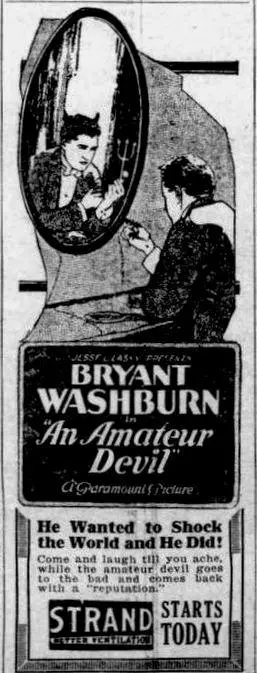
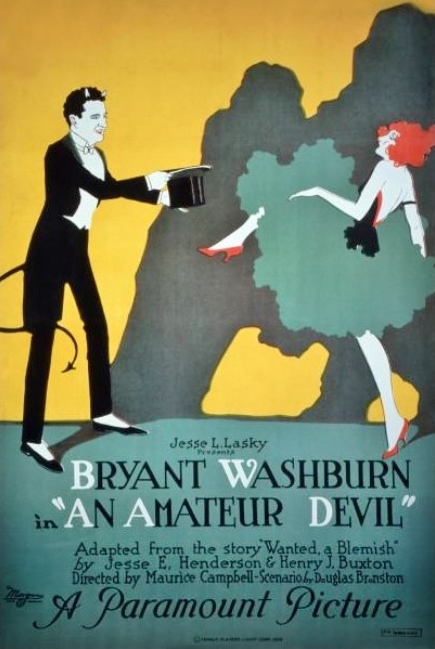
Dir: Maurice Campbell
Carver Endicott, a young sophisticate, is rejected by his fiancée for being too foppish and dull. When she feigns an interest in his father, Carver attempts to disgrace his family name by working as a farmhand and later as a busboy in a hotel. However, the newspapers only praise him for his self-sacrificing principles; and finding that he cannot bring shame to the family through menial labor, he takes up with a notorious actress. But when this maneuver also fails, he returns to his former fiancée, who has no further complaint about his being an inexperienced dullard.
View Details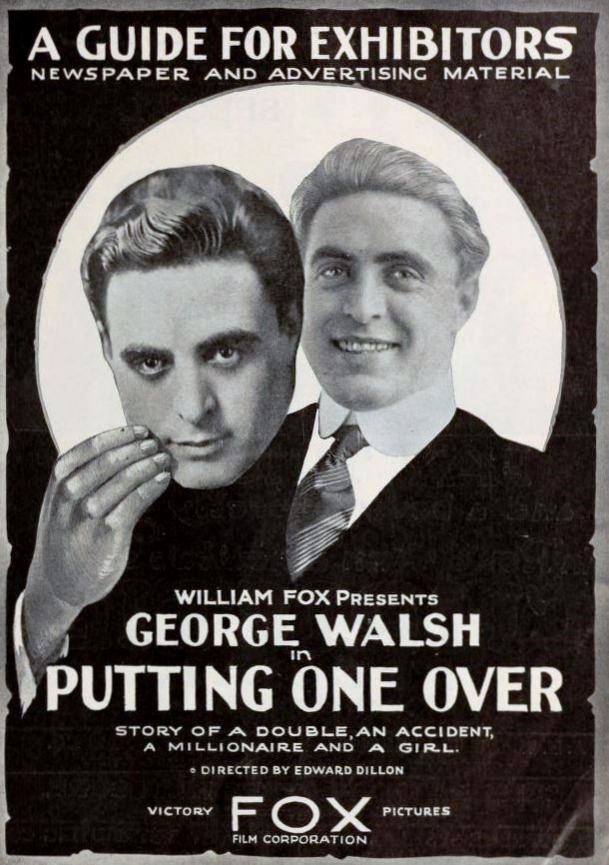
Dir: Edward Dillon
Traveling on a Pullman train are two strangers who, except for a difference in hair color, bear a striking resemblance to each other. Horace Barney, the heir to a fortune, is on his way to a mental sanitarium, accompanied by his unscrupulous guardian Maurice Claypool and Claypool's accomplices, Dr. Wallace and Thomas Farrel. Jack Trevor, an automobile salesman, is substituted for Barney when the train crashes and Barney is killed. When Trevor awakens from his unconscious state, he finds himself in a mansion and addressed as Barney. He falls in love with Helen Townsend, Barney's cousin who is next in line for the inheritance. Trevor realizes the fraud and sets out to save the estate for Helen. Claypool, who wants to marry Helen, tries to declare Trevor insane and commit him to an institution. A series of fights, chases, and misunderstandings ensue, but Trevor finally forces a confession from Claypool and wins both Helen and the fortune.
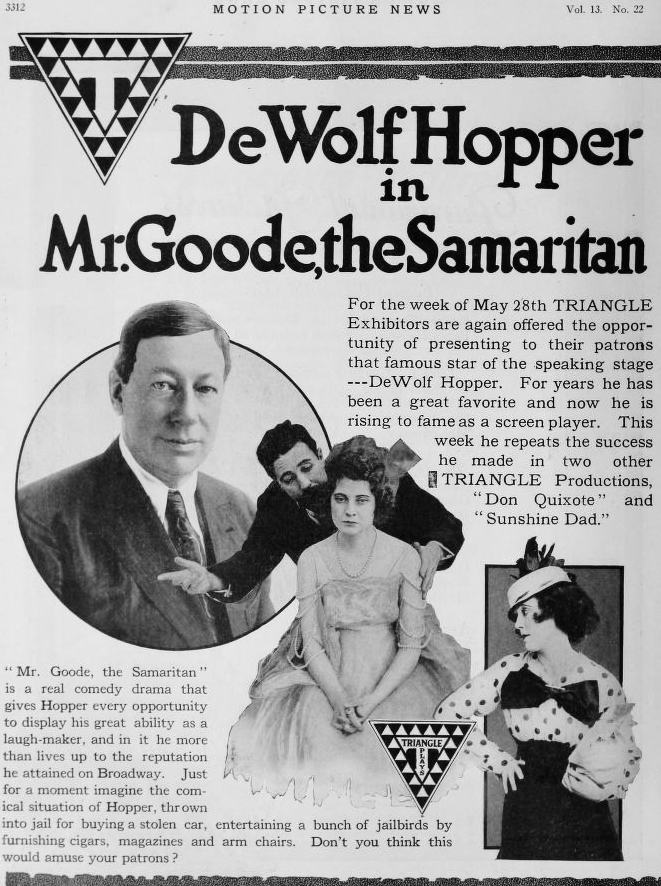
Dir: Edward Dillon
Mr. Goode, a wealthy old gentleman, takes his wife and daughter, Evelina, out for a spin in their automobile, but throwing in the wrong lever the machine backs into the side of the road and burns up. They continue their journey on foot. Meanwhile, Foxy Monte, a polished crook, has stolen a beautiful car that has been left standing at the curb in a nearby town, and as he whizzes by he sees the Goode family. He stops and offers them a lift. Of course, they gladly accept. And while the ride is continued he persuades Mr. Goode to buy the roadster. Mr. Goode is so easy, in fact, that Monte determines to impose on him again. When Goode is called out of town on business he makes the trip in his new machine. As an alarm has been sent out to the police by the original owner of the car he is immediately apprehended and thrown into jail. His family, believing he has been detained on business, make no inquiry about him, but go on entertaining Foxy Monte, who has come into their circle disguised by full beard and another alias. Ever making the best of his condition, Goode has the jail refurnished and otherwise contributes to the comfort of the inmates. Upon leaving at expiration of his sentence, he invites the jailbirds to come and visit him at the first opportunity. Shifty Ed and his best girl, Shorty Sal, come to the Goode home to pay that visit just as Mr. Goode is entertaining a very fashionable house party, Monte in the number. Sal recognizes Monte, and he, realizing he is in danger, informs the hostess that Ed and Sal are notorious crooks. Then he persuades Evelina, whose hand has been refused him by Mr. Goode, to elope with him. It is at this point that Ed Ed and Sal make a big return for the kindness of Mr. Goode, and there is a thrilling finish.
View Details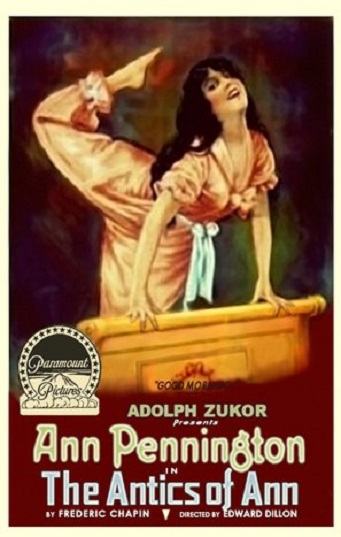
Dir: Edward Dillon
Ann Wharton, a rambunctious young student at the prestigious Bredwell Academy, is in trouble after a spoonful of cereal she flung at a classmate hits Mrs. Bredwell in the face. As she is being reprimanded in Mrs. Bredwell's office, a misunderstanding results in a member of the football team arriving at the office with Ann's clothes--she had left them behind when she changed into a football uniform so she could play football with the team--and Mrs. Bredwell writes to Ann's father notifying him that Ann is being expelled. She intercepts the letter, but her troubles are far from over.
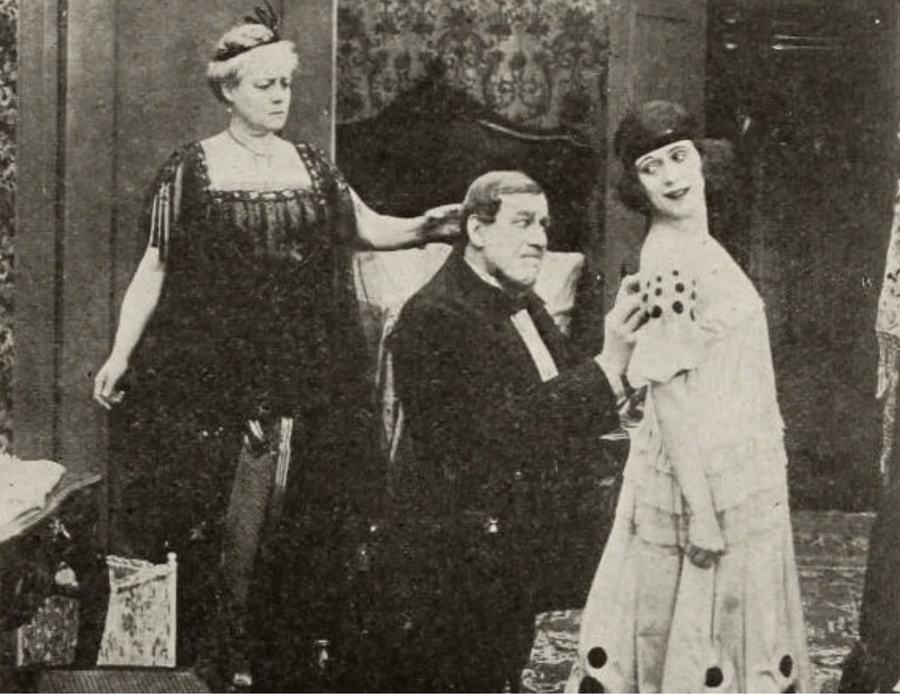
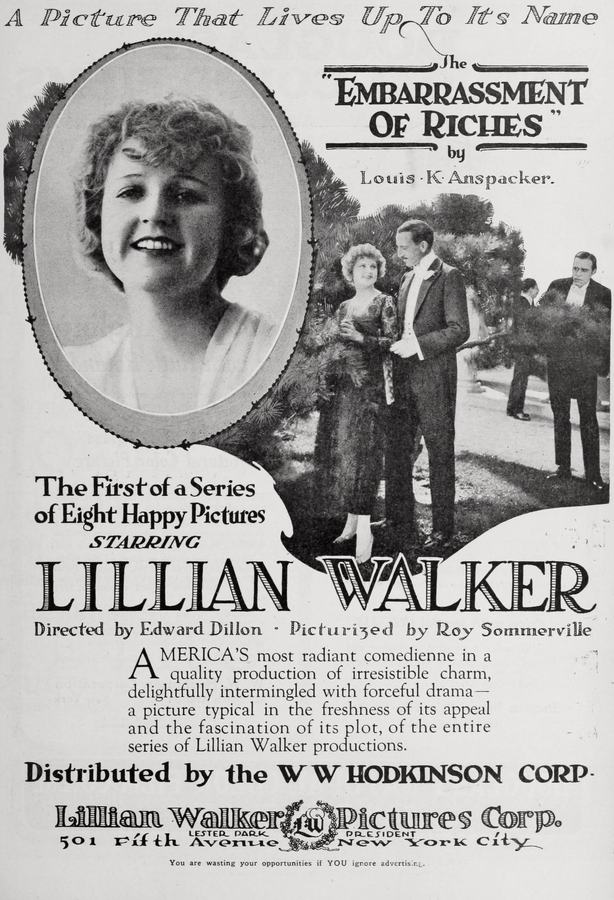
Dir: Edward Dillon
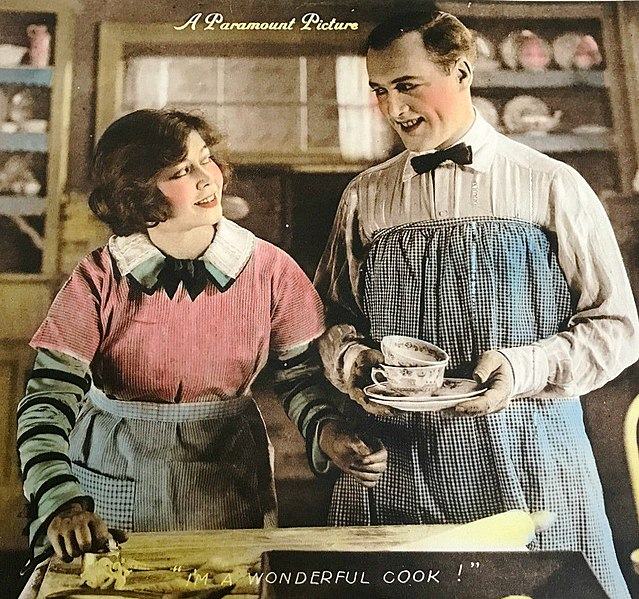
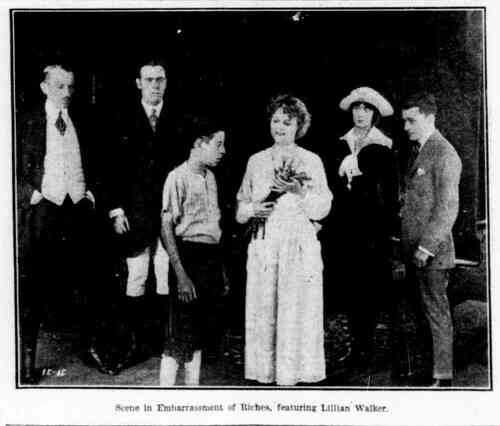
Through the death of a relative, New York sweatshop worker Lizzie Holt is transformed into Miss Elizabeth Holt, heiress. Elizabeth soon tires, however, of the shallowness of society life and occupies herself by working in a settlement house on the lower East Side. There she falls in love with John Russell, an idealist who despises the rich, and to escape his scorn, she identifies herself as Miss Holt's secretary. John's efforts to close up ward boss Ted Phelan's gambling house next door prove successful when the place is raided, but when several of Elizabeth's acquaintances on a "slumming party" seek her aid in escaping arrest, John discovers her true identity. He is about to change his mind about marrying her, when Elizabeth convinces him that her love and her character are true, and the two are united.
View Details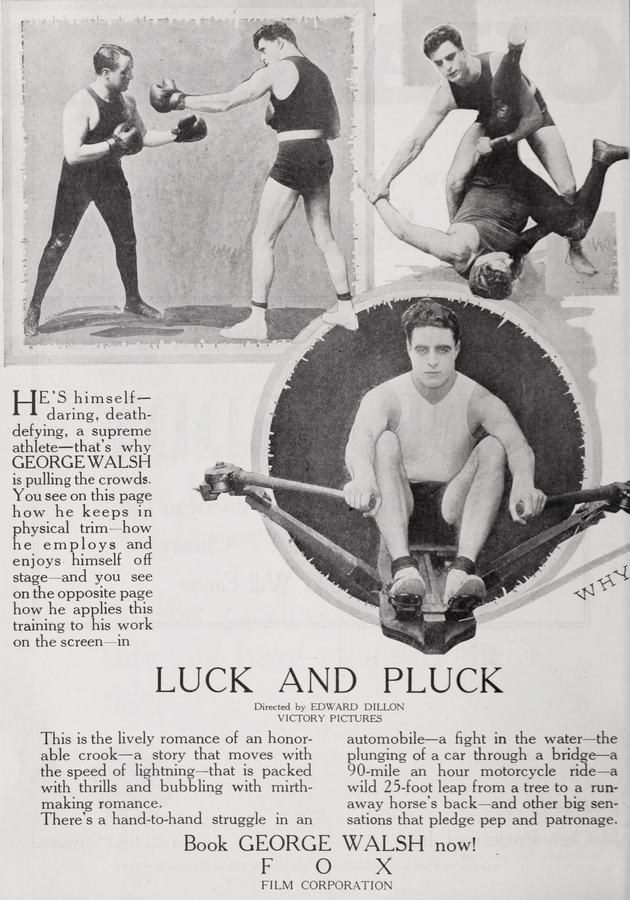
Dir: Edward Dillon
Professional thief Joe Grim is killing time in New York City's Central Park before he robs the Wall Street subtreasury. He spots pretty young Laura White on a runaway horse. He manages to rescue her. Falling for her, he tries to steal a photo of her but is discovered and held at gunpoint by Laura's friend Countess Briand--who, unbeknownst to Laura, is actually the head of a German spy ring, among whose members if Laura's fiance Karl Richter. The countess convinces Joe to steal plane for a new airplane by telling Joe that they're papers that are being used to blackmail Laura. But things don't go exactly as planned.
Dir: Edward Dillon
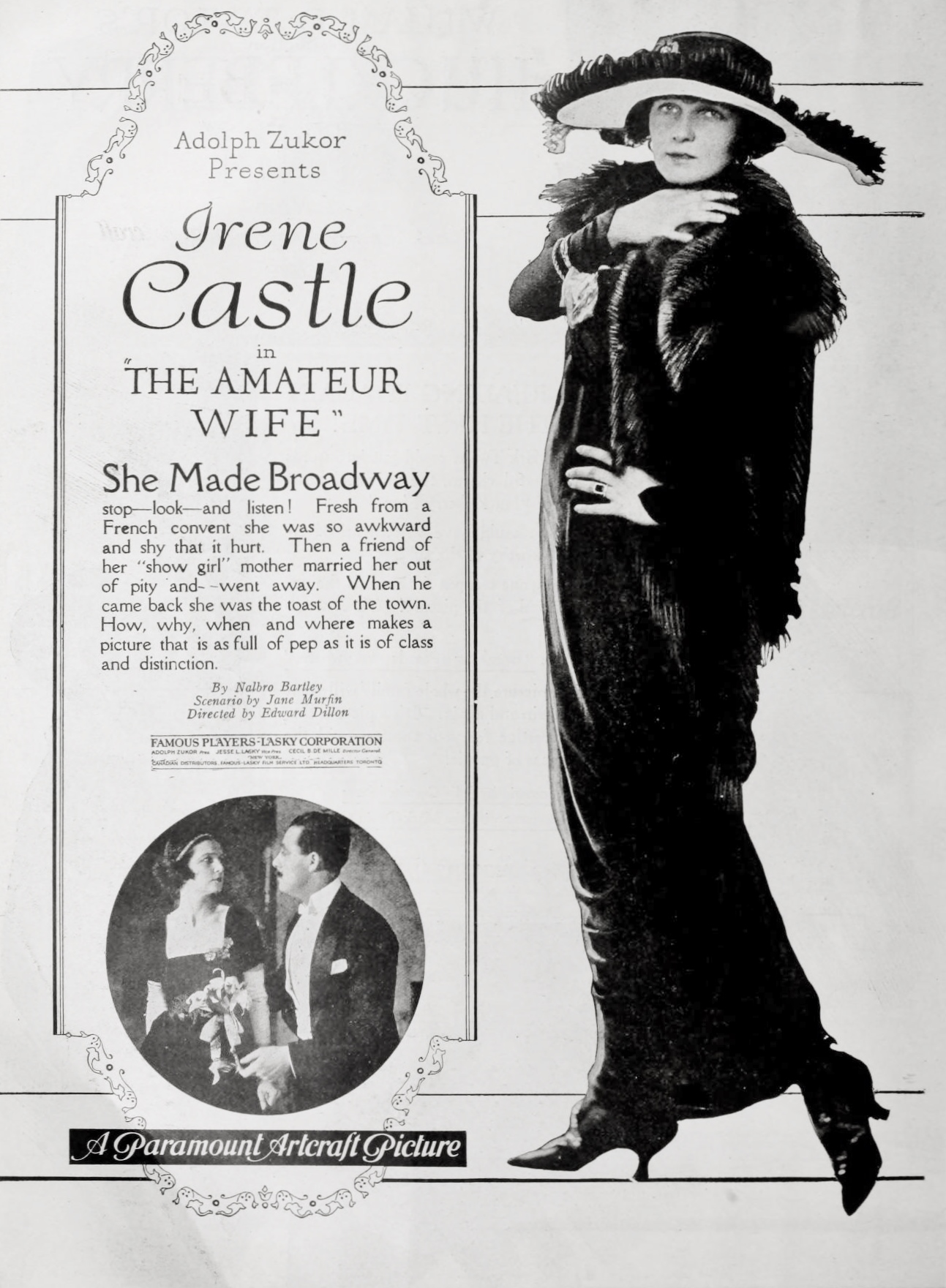
Her education in a French convent school completed, plain Justine Spencer returns to New York. There she is shocked to discover that her mother Dodo is a flamboyant musical comedy actress with many male admirers. Dodo, on the other hand, is dismayed to find Justine priggish and dowdy. One of Dodo's suitors is Billy Ferris, who, in a fit of jealousy, murders her and slays himself. Out of pity, Cosmo Spotiswood, another admirer of Dodo, marries Justine, but soon tires of his platonic marriage and leaves for Europe. Upon his return, Cosmo finds Justine transformed. Under the tutelage of Dodo's maid Loti, she has bobbed her hair and donned fashionable apparel. Thus changed, Justine is surrounded by suitors. Stung by jealousy, Cosmo falls in love with his sophisticated wife.
View Details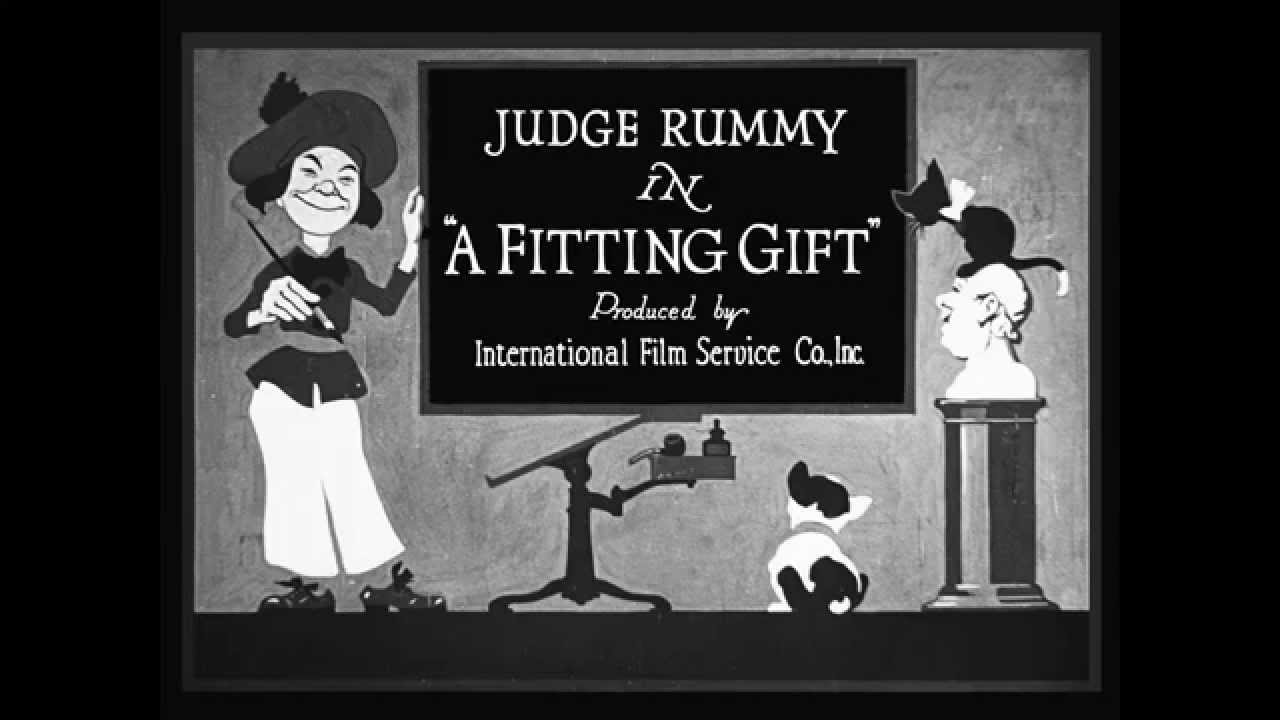
Dir: Unknown Director
The Judge needs a present for his wife's birthday, so Harry suggests a new corset. They go to the shop, but he's so embarrassed to ask the saleslady he hides in a phone booth.Harry goes in, but finds a GUY wearing one, and runs out.They both dress as women to get back in, but Mrs. Rummy gets there and chases him out.
Dir: Edward Dillon
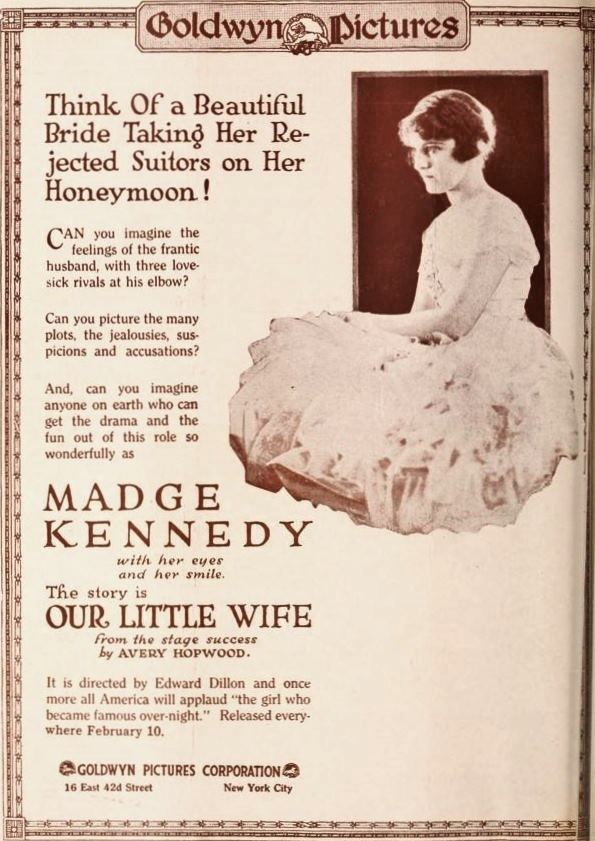
Dodo Warren, an ingenuous young bride, decides to take her three rejected suitors - Bobo Brown, Tommy Belden, and Dr. Elliott - along with her and her husband Herb on their honeymoon. Herb's protests fall on deaf ears, and soon all five are comfortably ensconced in a Florida resort. Herb finds Dodo in what appears to be a compromising position with Dr. Elliott, but her heartfelt explanation convinces him of her innocence. A year later, Dodo tries to rescue Angie Martin, who has quarreled with her fiancé Bobo and therefore plans to attend a party with George Haywood. After calling Dr. Elliott, Dodo asks Bobo to accompany her to the party, which Angie fails to attend, and later that evening, the well-meaning young wife is locked into Haywood's apartment. Following a new round of explanations, Dodo promises never to look at another man again.
View Details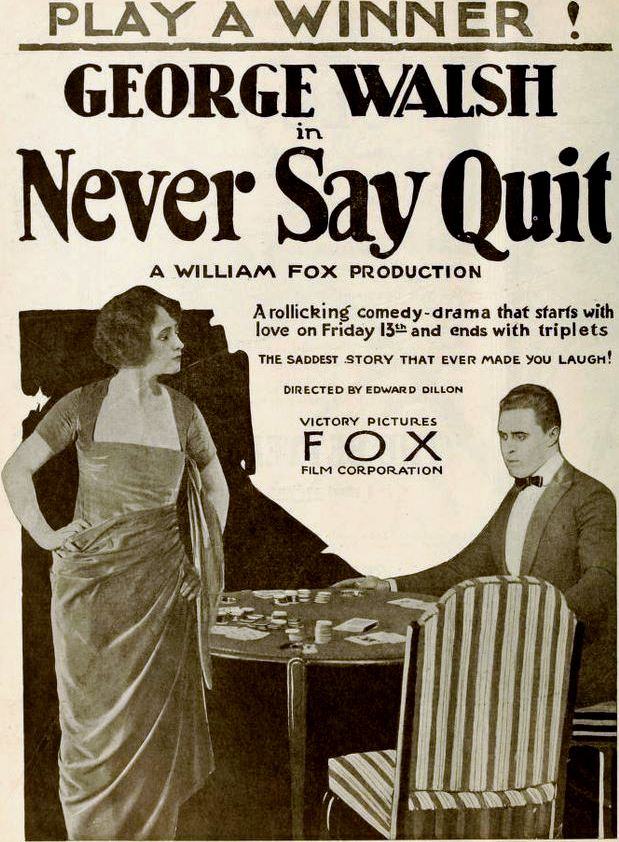
Dir: Edward Dillon
Born on Friday the thirteenth with thirteen letters in his name, Reginald Jones has been plagued with bad luck his entire life. Attempting to escape his jinx, Reginald attends a chauffeur's ball, where, after he helps a girl whose companion is berating her, the girl hits Reginald for interfering. After Reginald loses at matching coins, is sold out in the stock market, and is fleeced of his money in a badger game, he loses his inheritance of $999,998.60 when he gets arrested for fighting, and misses his aunt's funeral. Reginald then boards a schooner and meets millionaire Professor Lattimore and his daughter Helen, supposedly there to look for buried treasure. After falling in love with Helen, Reginald discovers the ship captain's plot to hold Lattimore for ransom. Reginald fights off all the crew members and forces the wireless operator to signal a U. S. Destroyer, which arrives and saves them. Reginald and Helen marry.
View DetailsAnalysis relative to The Frisky Mrs. Johnson
| Film Title | Atmosphere | Complexity | Similarity |
|---|---|---|---|
| An Amateur Devil | Tense | Linear | 98% Match |
| Putting One Over | Gothic | Dense | 87% Match |
| Mr. Goode, Samaritan | Gothic | Dense | 87% Match |
| The Antics of Ann | Gritty | High | 92% Match |
| The Embarrassment of Riches | Ethereal | Linear | 95% Match |
This guide was algorithmically generated using the cinematic metadata of Edward Dillon's archive. Last updated: 8/17/2026.
Back to The Frisky Mrs. Johnson Details →