Summary
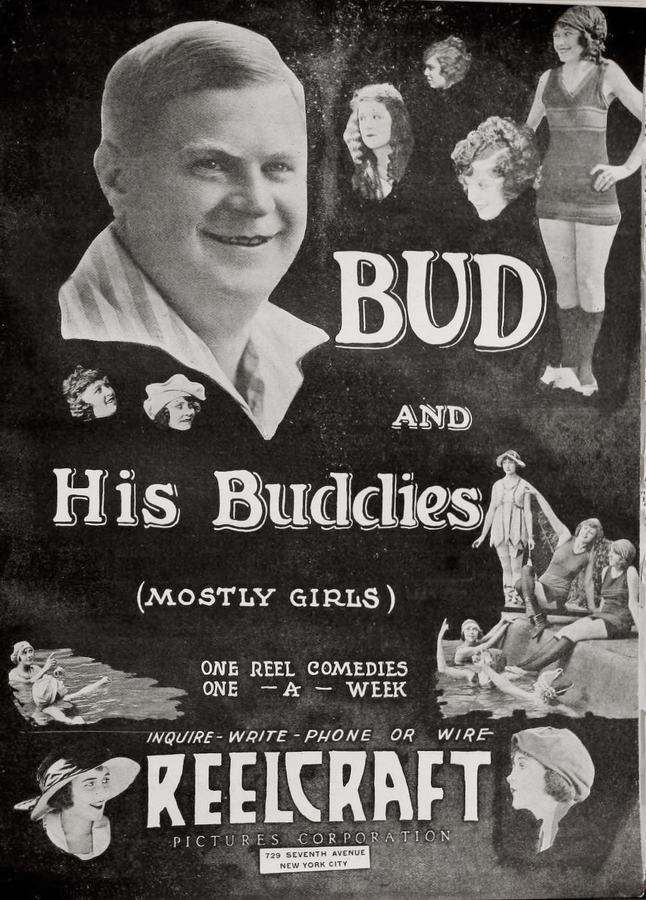
In a dust-caked whistle-stop where the railroad sighs like an aging accordion, Bud Duncan’s nameless proprietor presides over a clapboard emporium that stocks everything from tinned peaches to pre-war guilt. The film unspools like a feverish ledger: every cracked jar, every warped floorboard tallies the moral overdraft of a town that bartered its soul for credit. When a phantom locomotive—part mirage, part manifest destiny—lurches past each dawn, its whistle re-animates the store’s ghosts: a lovesick telegrapher who tap-dances in Morse, a seamstress who unstitches her own shadow, a boy who pays for licorice with counterfeit years. Duncan, equal parts Prospero and penniless Faust, begins to inventory not nails and calico but the unspoken debts of his clientele, chalking sins on the walls like markdown prices. The narrative coils inward: shelves become confessionals, the cash register a wheezing polygraph, the storeroom a sepulcher of unpaid vows. A traveling cinematographer sets up his hand-cranked contraption on the porch; the resulting flicker reveals the town’s future burning inside each face, a premonition spliced into celluloid. The final reel is a riot of barter: a thunderstorm auctioned for a wedding ring, a childhood swapped for a single cigar, the last train ticket bartered for the memory of laughter. By the time the camera retreats, the store has become a palimpsest—every object overwritten by what it once meant, every customer turned into unpaid footnote. The General Store General is not a story; it is a balance sheet of absences, a kinetoscope elegy for American hunger.
Review Excerpt
"
The first time I encountered The General Store General it was a single water-warped nitrate reel at an estate clearance in Oxnard, the perfume of mildewed cedar shavings clinging to the can like gossip. I expected another nickelodeon trifle; instead I surfaced two hours later gasping, as though Bud Duncan’s mournful grin had siphoned the oxygen from the room. The film shouldn’t exist—no trade-paper ads, no copyright ledger, no cult—yet here it is, a celluloid poltergeist rattling the china of ..."