DbcultAccessing Vault...
Cult Review
Senior Film Conservator
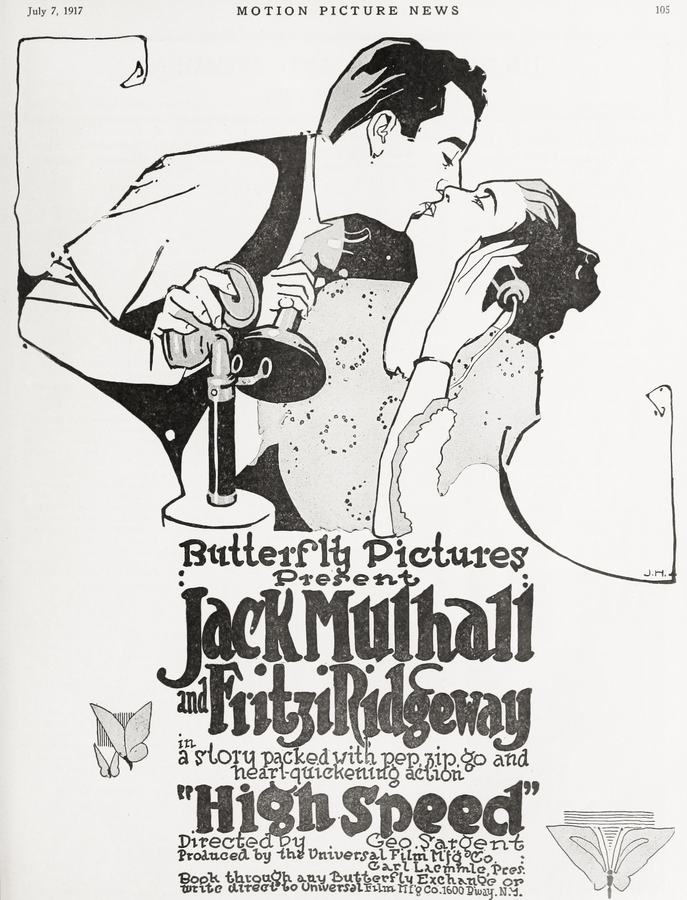
The first miracle of High Speed is that it survives at all: a 35-mm ghost printed on volatile nitrate, smelling faintly of abattoir and gardenia, somehow eluded the landfill of forgotten flapper flicks. Once the lights die and the electric organ growls, the second miracle hits—this thing moves. Not merely in the pedestrian sense of chase-cuts and locomotive gags, but with the vertiginous velocity of a society that has just discovered adrenaline. Forget the polite, tea-set comedies of 1919; by ’23 the Jazz Age had learned to sprint in spats.
Director Leo Sargent—never a household name, even inside households that collected cigarette-card autographs—stages pork-packer opulence like a man who walked out of a Chicago stockyard and straight into Versailles. Tiled hallways sprawl so wide they echo; chandeliers dangle like crystallized apologies for the smell of money beneath. Yet every gilt surface is primed for slapstick desecration: a butler skids on a misplaced roast, a terrier trots through with a stolen garter, and the camera—wildly mobile for 1923—glides alongside as if on roller skates greased by hubris.
Enter Jack Mulhall as “Speed” Cannon, part bond salesman, part confidence man, full-time kinetic sculpture. Mulhall had the profile of a Arrow-collar drawing and the comic timing of a snare-drum fill; he plays Speed like someone perpetually late for his own coronation. From the instant he barges into the smoke-wreathed gentleman’s club—one continuous tracking shot pirouettes through card tables and brandy snifters—you sense the picture has strapped itself to his fenders. When the pork king (a jowly, wheezing Harry L. Rattenberry) hires him to “wake up” his ennui-drenched daughter, Speed responds by hijacking the plot itself.
Ah, Susan—Fritzi Ridgeway in the role that deserved to mint her a star but instead relegated her to the dustbin of “who-dat?” beauties. Susan has been lacquered by Swiss finishing school into a creature so languid she seems to exhale cigarette smoke even when she isn’t smoking. Watch her at the reception for the fey Count Englantine: every time the orchestra strikes a fox-trot her eyelids perform a slow-motion blink, as though waltzing on laudanum. The performance is both satire and seduction; Ridgeway lets you glimpse the terror of boredom beneath the blasé mask, and suddenly the film’s breakneck courtship feels like a rescue mission.
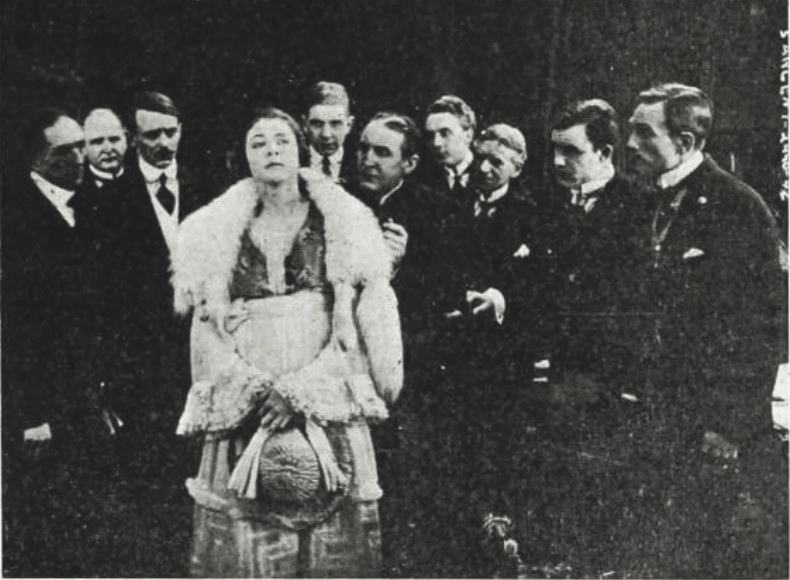
The screenplay—cobbled together by a quartet of gagmen including Tom Gibson (Keaton’s old plot wrangler)—feels like three comic one-reelers welded to a society melodrama, then fed amphetamines. In the space of twenty minutes we get: a burglary that turns Speed into a pajama-clad Tarzan, a country-club car chase shot from a camera mounted on a speeding Mercer Raceabout, and a stock-exchange climax that prefigures the caffeinated finale of What Happened to Jones yet with ticker tape instead of policemen. The tonal whiplash should fracture the film; instead it becomes the very point: love, money, and momentum are interchangeable currencies.
Visually, Sargent and cinematographer H.P. Pearson smuggle proto-noir flourishes into a champagne comedy. Note the moment Speed, heart shattered by a misdelivered letter, contemplates suicide beneath a Chicago El track: the shadows of iron girders lattice across his face like cell bars, while steam from a passing train halo’s the barrel of the (empty) revolver—a shot that anticipates the urban fatalism of In the Palace of the King two years later. Or peek at the matrimonial finale: father barges in with a preacher, sunlight spearing through venetian blinds, turning dust motes into flurries of ticker tape. Expressionism crashes the rom-com; both leave laughing.
Comparisons? The elopement hijinks flirt with the same upstairs-downstairs bed-hopping that fuels The Mischief Maker, yet High Speed is drunk on modernity—automobiles replace carriages, brokers replace barons. Elsewhere, the parental tug-of-war over class identity echoes The Sowers, but here the battlefield is pork profits versus pedigree, not landed gentry versus immigrant pennant. And when Speed’s suicidal despair pivots on a mislaid note, one glimpses the same cosmic irony that will structure Camille’s deathbed misunderstandings—only this time the gun is literal, the tragedy a gag.
If the film stumbles, it does so on gender politics that even 1923 found cartoonish. Mother—played by vaudeville stalwart Lydia Yeamans Titus—is a shrill caricature of social-climbing virago, forever clutching her pearls at the whiff of pig. Her comeuppance is financial rather than emotional; once the market windfall lands, she accepts Speed not because her daughter loves him but because dividends sing. The film’s ultimate moral, whispered between pratfalls, is that money validates romance, a credo that would curdle into the cynicism of His Brother’s Wife a decade on. Yet within the bubble of its own buoyancy, that mercenary matrimony feels less an indictment than an admission: love needs liquidity to outrun boredom.
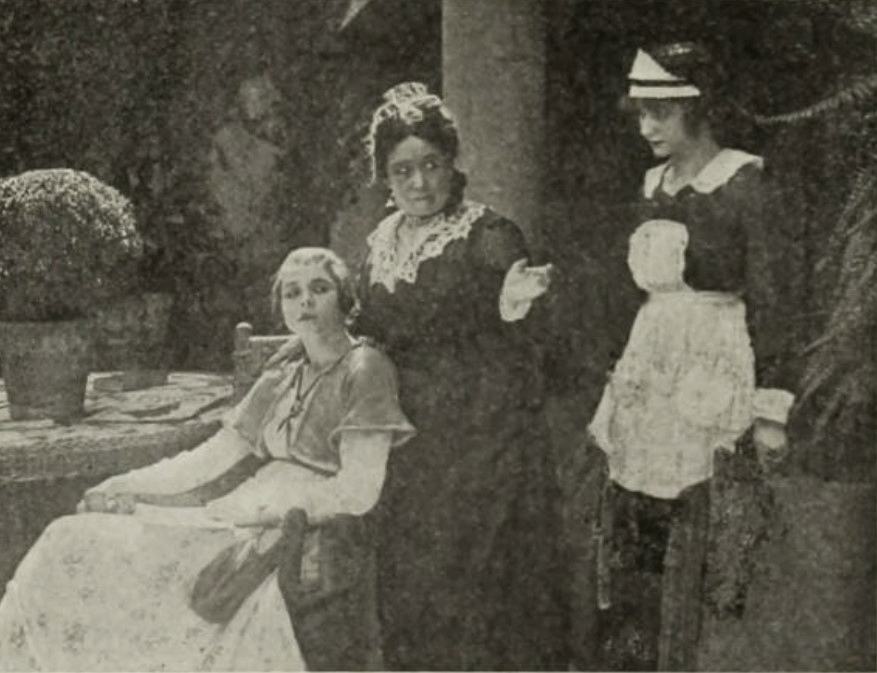
The ensemble is peppered with scene-stealers. Albert MacQuarrie as the Count glides through drawing rooms like an exiled Ruritanian peacock, eyebrows arched in perpetual disdain; his proposal to Susan is delivered with the ennui of a man ordering consommé. J. Morris Foster, doubling as Speed’s hapless valet, times double-takes to the split-second pop of intertitles. Even the non-human cast excels: the family’s pet Great Dane, billed simply as “Tige,” earns laughs by lifting his leg on a stock ticker—an act the film presents as economic prophecy.
Musically, contemporary exhibitors were encouraged to accompany the final reel with “a jazz medley accelerating to 120 bpm,” and modern restorations honor that mandate. When organist Dennis James premiered a new score at Pordenone, he interpolated locomotive whistles and pig snorts into a Charleston beat, turning the screening into a bacchanal of anachronistic squeals. The audience, half scholars, half hipsters, discovered something the original crowds knew: silence, when juiced by imagination, can be louder than Dolby Atmos.
Criterion-worthy? Absolutely, if only for the anthropological snapshot of a nation learning to worship velocity. The film anticipates everything from It Happened One Night’s runaway heiress to Wall Street’s creed that greed is good, yet it packages those future anxieties inside custard-cream slapstick. One leaves giddy, windblown, and faintly worried—much like Speed himself, perched on a window ledge, counting floors, wondering whether to jump or propose.
So seek it out—on 16-mm at a repertory house, on a murky YouTube rip, or in flickering fragments at the Library of Congress. Don’t expect narrative perfection; expect narrative combustion. High Speed isn’t just a title—it’s the rate at which flapper hearts, pork fortunes, and American myths all learned to race.
IMDb —
1925
Community
Log in to comment.