DbcultAccessing Vault...
Cult Review
Senior Film Conservator
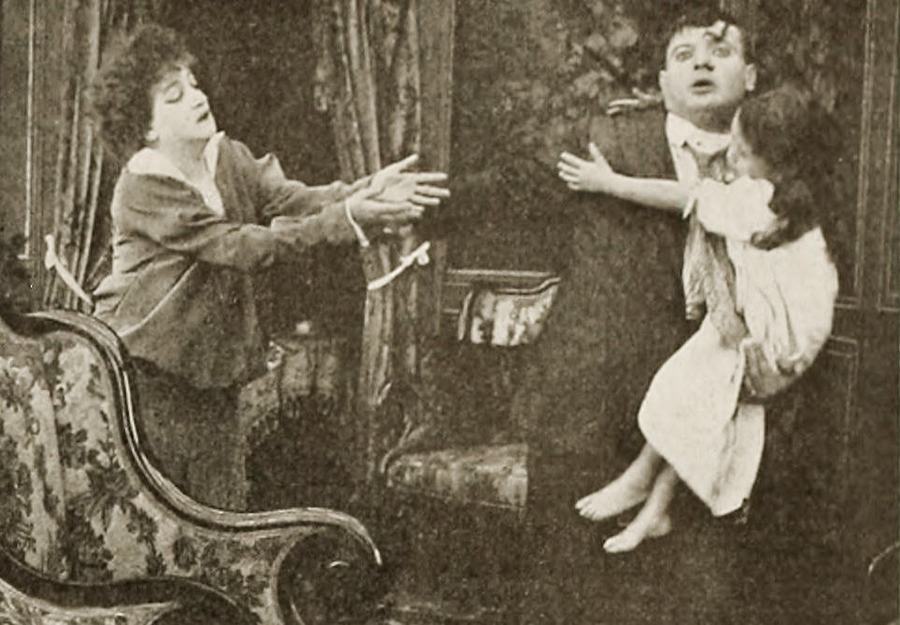
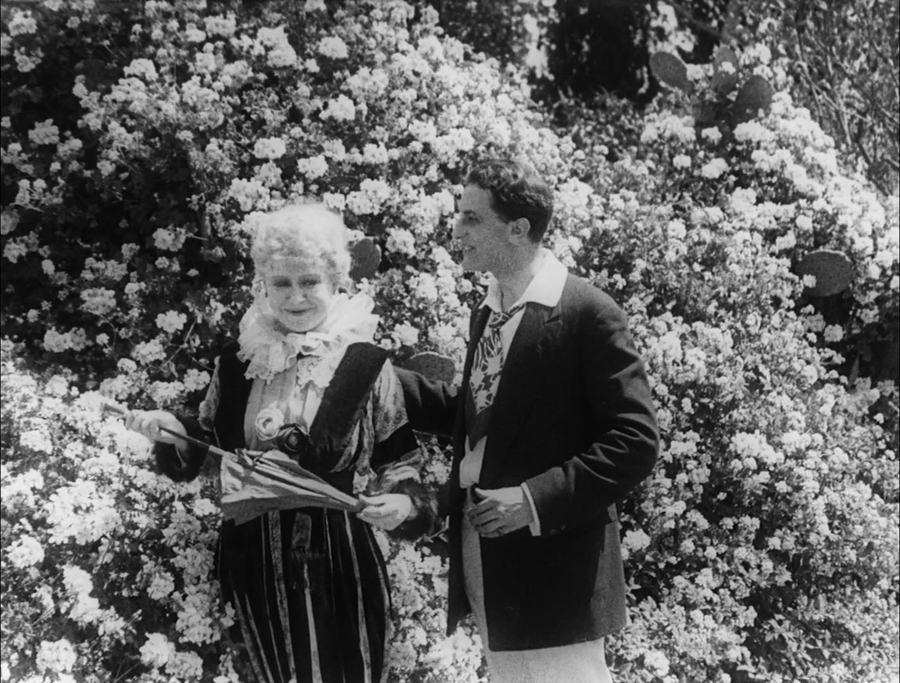
Picture 1914: Europe is a powder keg, D.W. Griffith is about to stretch time itself with intercutting, and out of Fort Lee—America’s first Tinseltown—comes The Great Mistake, a melodrama so unapologetically venomous it feels marinated in absinthe. The film doesn’t ask for your tears; it wrings them out like a loan-shark collecting interest. What survives is a 67-minute nitrate fever dream, spliced and re-spliced until the emulsion itself seems bruised. Yet within those frayed frames pulses a morality tale that could teach Machiavelli new shades of blush.
The plot, Byzantine even by penny-dreadful standards, pivots on the oldest swindle in capitalism: signature as self-slaughter. William Collins—played by Harold Vosburgh with the granite jaw of a man who buys islands the way you buy penny candy—believes he is signing away guilt. Instead he signs away breath. Landau, his junior partner, embodies the emergent managerial class: smooth gloves hiding arsenic fingernails. Their struggle beside the mahogany desk is a miniature of industrial-era class warfare—one man clings to honor, the other to ledger ink. The camera, frozen in tableau, nonetheless vibrates with tension because we recognize the archetype: the trusted lieutenant who learns that loyalty is merely an undervalued stock.
Time jumps—those jagged ellipses that silent cinema borrowed from the newspaper serial—hurt us forward a decade. Hazel, once the neglected child, now glides through high-society ballrooms in gowns the color of candle smoke. Julia de Kelety plays her with the regal fatigue of someone who has read every room before entering it. Landau circles her like a moth that has forgotten it once fed on her fortune. Their waltz is framed through an archway, so the black of the screen eats their outlines, turning them into living cameos. It’s a visual whisper: predator and prey share one silhouette.
Yet the film’s true engine is Martha—half-sister, doppelgänger, cautionary echo. Virginia Bates lets her eyes go feral long before the script demands it; when she perishes on rain-dark pavement, the gutter becomes a baptismal font for everyone’s guilt. Her mistaken burial under Hazel’s name is the titular mistake metastasized: identity itself becomes fungible currency, easily forged like a signature or a lover’s vow.
Director Keni Liptzin—a name more forgotten than most—leans into theatrical space: deep, boxy interiors where chandeliers hang like decapitated suns. But Liptzin also seeds proto-cinematic devices. Note the cabaret sequence: a mirror ball scatters shards of light across faces, prefiguring German Expressionism by a full five years. The rotating globe of reflections turns the dancers into a fresco of cracked marble—morality fractured by modernity.
Compare this visual grammar with contemporaneous Americana like The Pride of the Firm, where comedy deflates class tension, or the biblical pageantry of From the Manger to the Cross. The Great Mistake refuses both uplift and sanctity; it opts for the secular chill of The Conspiracy and the operatic doom of Locura de amor. Yet unlike those European imports, its anguish is pragmatic, rooted in stock transfers and real-estate plats. The villainy isn’t pre-ordained by bloodline but stapled together in boardrooms smelling of cigar ash and carbon paper.
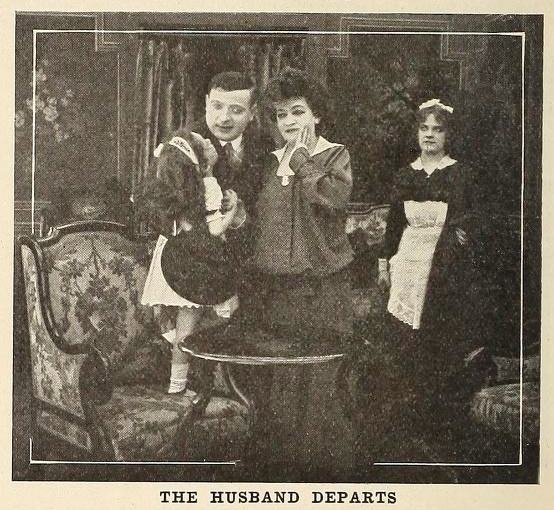
Harold Vosburgh’s Collins ages from bullish tycoon to spectral penitent without the aid of latex—just posture. Watch the shoulders fold inward after Lily’s death, as though the spine itself were foreclosing. Franklyn George’s Landau, by contrast, swells like a bullfrog in mating season; each deceptive triumph adds a new bounce to his stride, a glint to his monocle. Yet George never slips into mustache-twirling caricature; he plays Landau as a man who has read the ledger of the cosmos and found it begging for emendation.
Among the women, Julia de Kelety essays Hazel with the quiet ferocity of a cathedral gargoyle—serene from afar, fearsome in proximity. Virginia Bates’ Martha is all nervous voltage; when she collapses outside the saloon, her fingers still twitch toward an invisible cigarette, the last gesture of a flapper who never got to Charleston.
Beneath its potboiler skin, the film catalogues the anxieties of emergent corporate capital. The 1910s saw American wealth migrate from family farms to fungible shares traded under the echoing domes of Wall Street. The Great Mistake literalizes that migration: a signature on watermarked paper reroutes rivers of money, turning bloodlines into subsidiaries. The female body becomes contested terrain—Lily the adventure-commodity, Martha the runaway debenture, Hazel the inherited asset no trustee can protect.
Notice how the courtroom is never shown. Legal validation happens off-stage; power instead flows through private ledgers and gentlemen’s agreements. The implication? Law is merely the theatrical curtain behind which capital forges its real weapons. When Landau forges the second will, he isn’t subverting legality so much as unveiling its core fiction: ownership is a collective hallucination, easily redrawn.
Though monochromatic, surviving prints carry tinting cues—amber for interiors, cerulean for night exteriors, rose for the cabaret. Restored digital scans approximate these with amber gels that make opulence feel feverish, nocturnal blues that chill the marrow, and flashes of vermilion whenever violence ruptures the frame. The palette thus obeys a moral code: wealth gilds, night numbs, blood clarifies.
Some intertitles read like haikus of dread: "Landau smiled—Collins signed—Death witnessed." Others overflow with Victorian curlicue: "The west wind carried her perfidy across the plains." The tonal whiplash is intentional; the film wants you to feel the strain between polite diction and carnal impulse, between the world as it describes itself and as it dismembers itself.
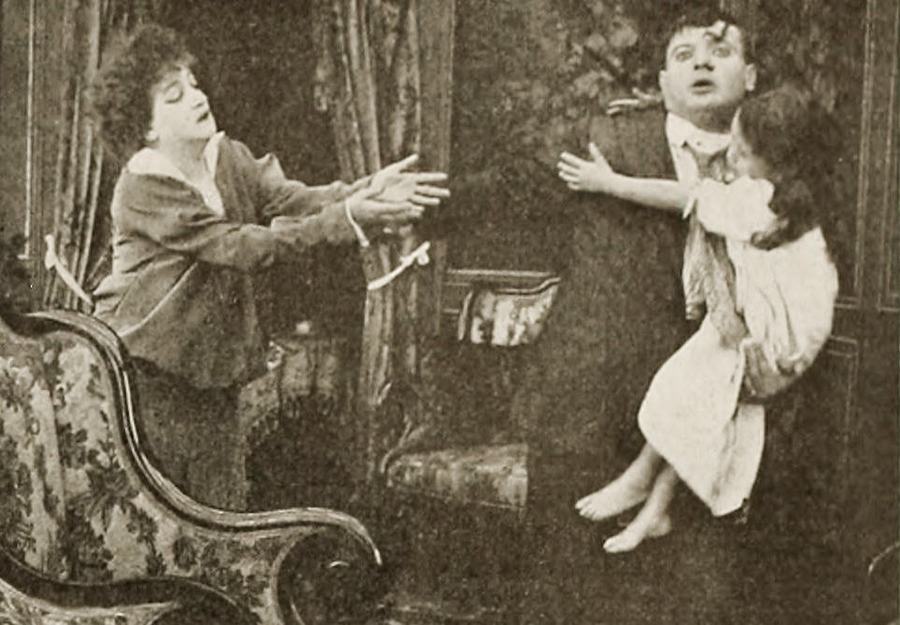
History filed The Great Mistake under ephemera, yet its DNA coils through later dramas of financial apocalypse—Wall Street, Margin Call, even Succession. The image of the forged will resurfaces in noir classics like Out of the Past, where signatures again become slayers. Meanwhile the cemetery-mistake motif echoes in Hitchcock’s Vertigo, another tale of a man burying the wrong woman and being haunted by the right one.
For modern viewers, the film’s greatest jolt is its speed. Scenes slam into each other like subway cars, propelled by a percussive piano score (newly commissioned by the Eye Institute) that alternates ragtime frenzy with Satie-esque dread. The pace foreshadows the cocaine-cutting rhythms of 21st-century prestige television; bingeing feels baked into its DNA.
A 2K restoration premiered at Pordenone in 2018; the Museum of Modern East holds a 35 mm duplicate negative. Streaming is scarce, but Kanopy rotates the restoration during silent-film awareness months. For physical media hounds, the Milestone label teased a Blu-ray with commentary by Shelley Stamp, though pandemic delays shelved the project—keep petitions humming.
Does the film indict capitalism? Not explicitly—its characters are too busy scheming to theorize. Yet the accumulation of betrayals—sexual, fiduciary, filial—paints a world where human value is denominated in square footage and stock options. The final suicide of Landau plays less as divine justice than as ledger balancing: once debits outweigh assets, the only exit is a bullet in the study.
Still, The Great Mistake reserves a sliver of grace for those willing to squint. Hazel’s reclamation of her fortune is also reclamation of narrative authorship; after reels of being pawn, she becomes player. The cemetery scene—where two bereaved spouses recognize each other across a fog of mistaken identity—offers the kind of catharsis that only silent cinema can deliver: wordless, tear-streaked, transcendent.
So revisit this orphan of film history—not as homework, but as exorcism. Let its tungsten glow remind you that every contract hides a coffin, every kiss a clause, every fortune a forgery waiting to be unmasked. And when the final intertitle fades, you may find yourself checking your own signature—just to be sure it still belongs to you.
IMDb 6.2
1929
Community
Log in to comment.