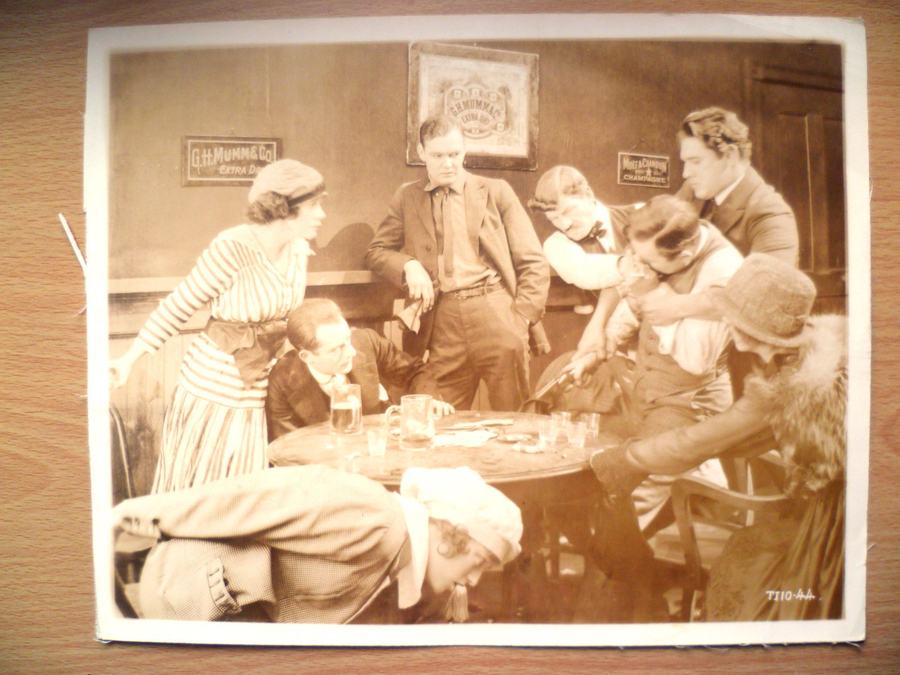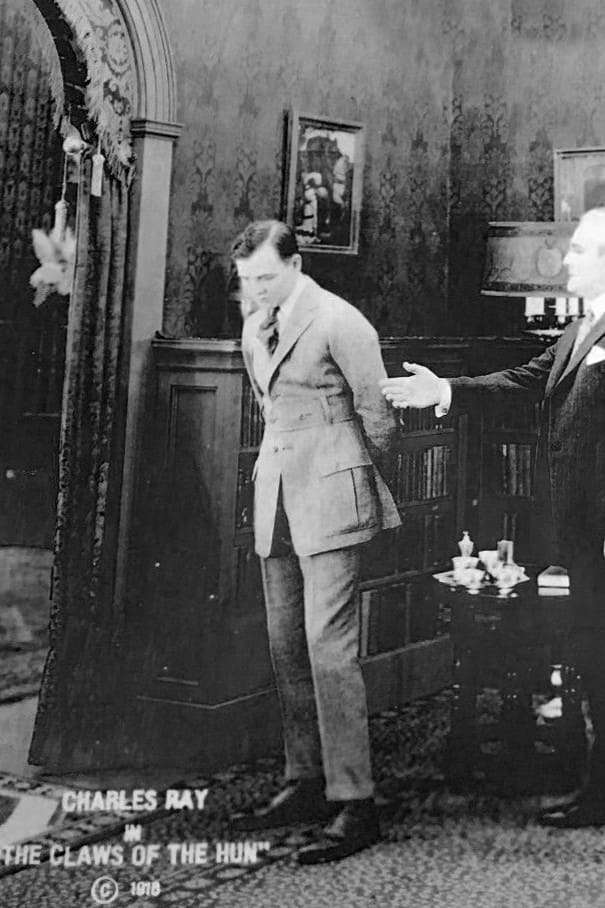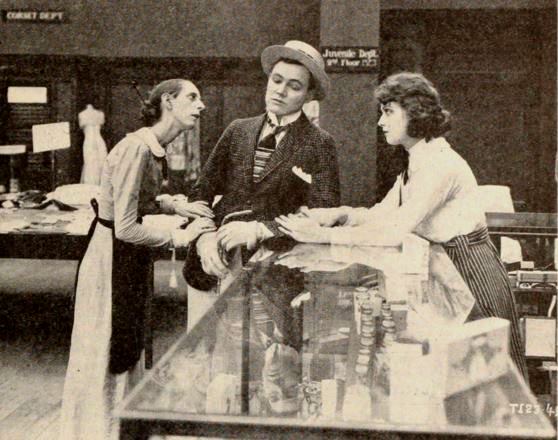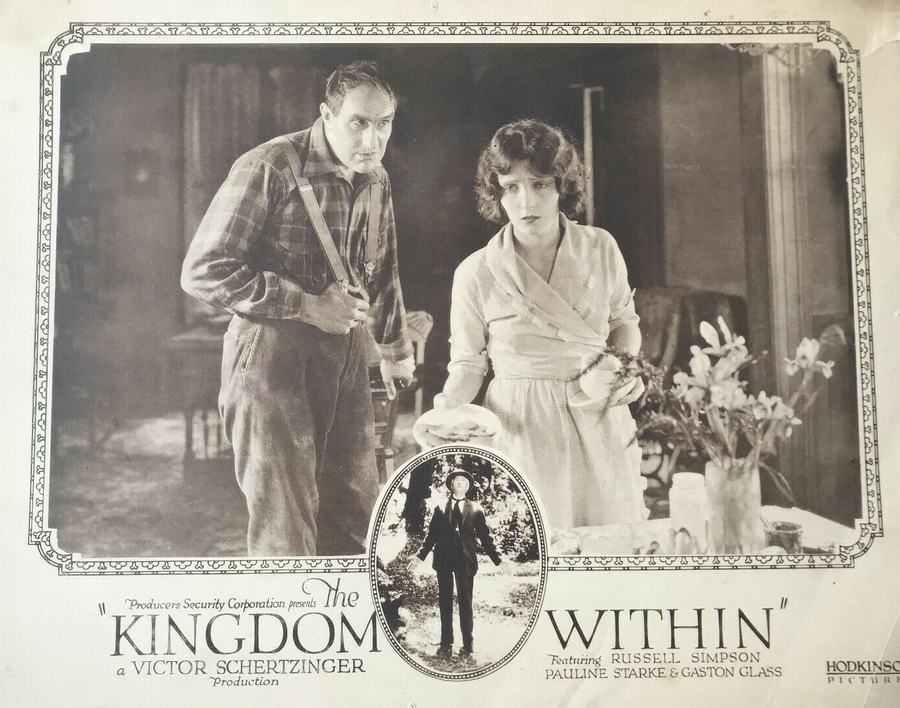
Hated by his blacksmith father because of his crippled arm, Amos Deming grows up with a keen spiritual insight and a talent for making toys for children. Emily Preston, who lives next door to the Demings, is ostracized by the community because her brother is in jail, but Amos is able to break down her wall of bitterness.
Kenneth B. Clarke’s script reads like parchment soaked in kerosene: strike a match of empathy and the whole parable erupts into light. Yet the burn is slow, aromatic, never gratuitous. We smell pine shavings, hot iron, and the sour sweat of a town that weaponizes gossip. Director J. Gordon Russell refuses the era’s ...
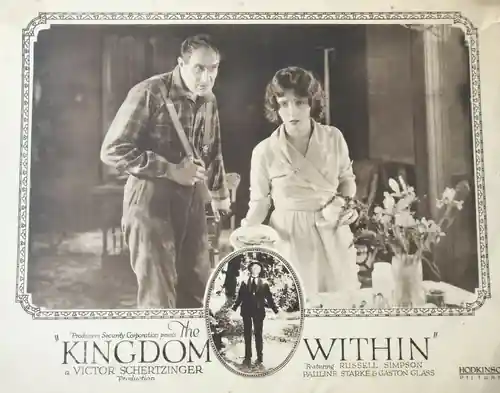
still_frame
publicity
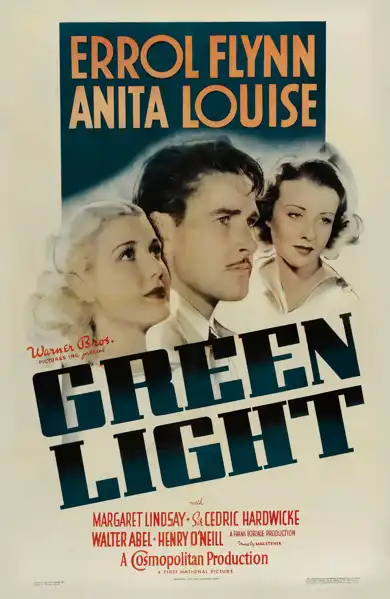
Comparing the cinematic DNA and archive impact of two defining moments in cult history.
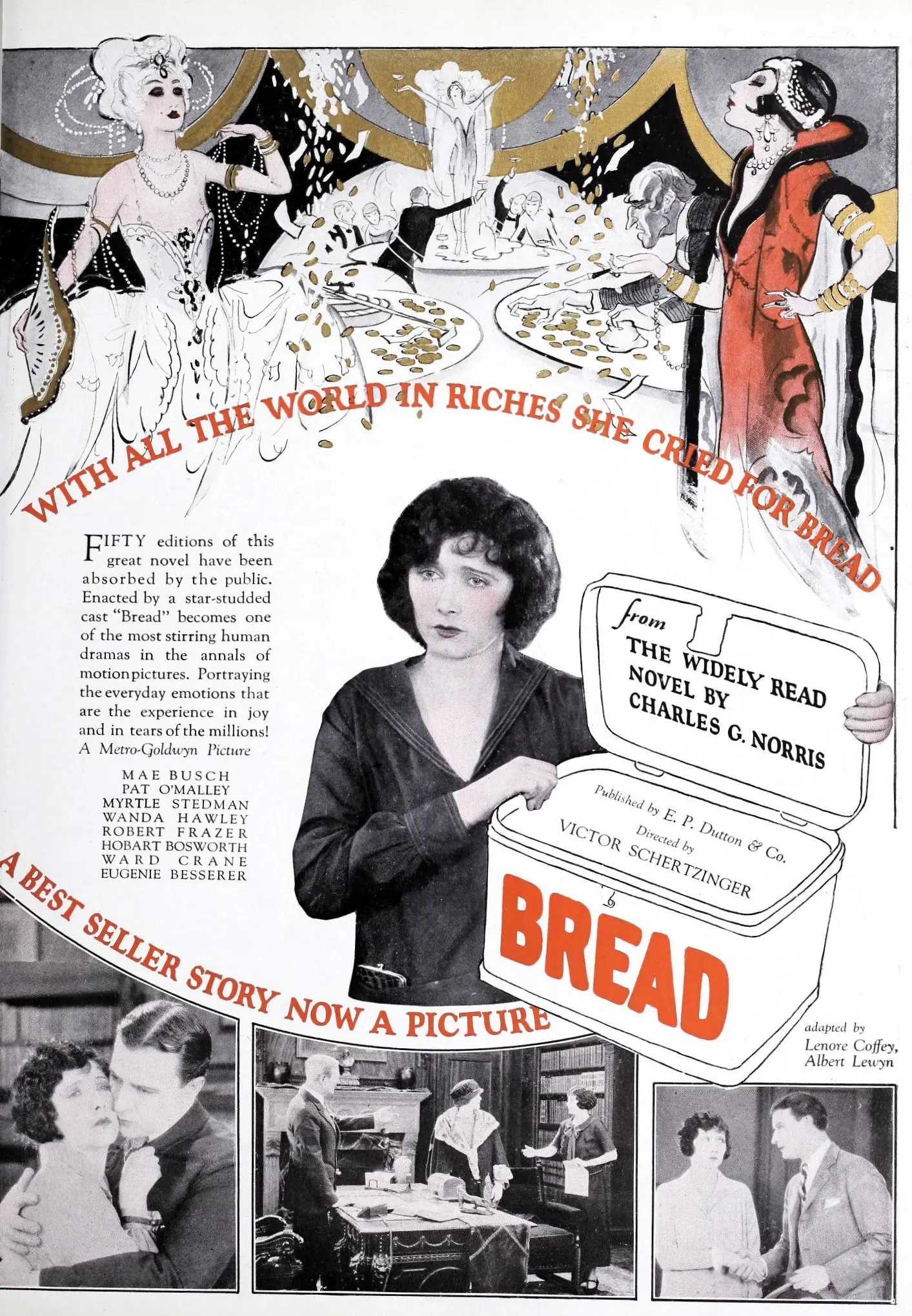
Victor Schertzinger
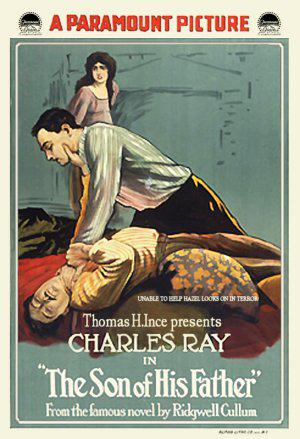
Victor Schertzinger
Community
Log in to comment.
" Kenneth B. Clarke’s script reads like parchment soaked in kerosene: strike a match of empathy and the whole parable erupts into light. Yet the burn is slow, aromatic, never gratuitous. We smell pine shavings, hot iron, and the sour sweat of a town that weaponizes gossip. Director J. Gordon Russell refuses the era’s customary histrionics. Instead of flailing arms and swooning maidens, faces fill the frame—Marion Feducha’s Amos carries a gaze so heavy with yearning it seems to sink the corners ..."
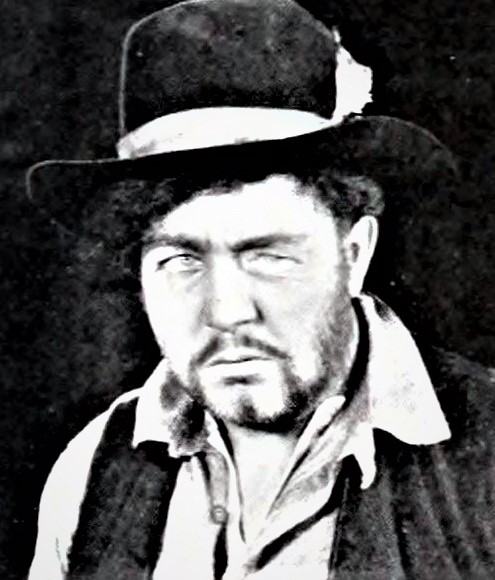
J. Gordon Russell
Kenneth B. Clarke
United States
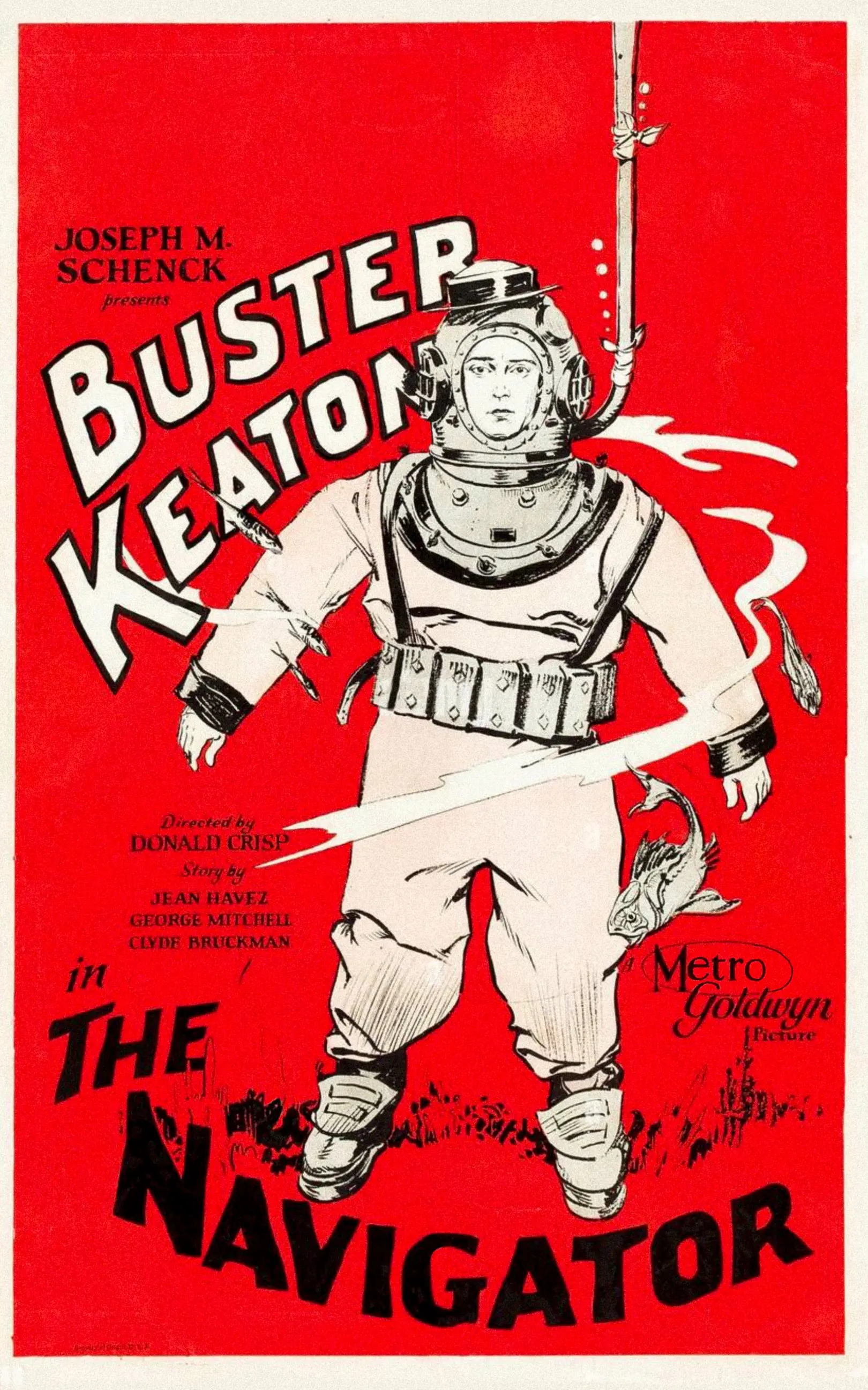

Deep dive into the cult classic
Discover similar cinematic experiences
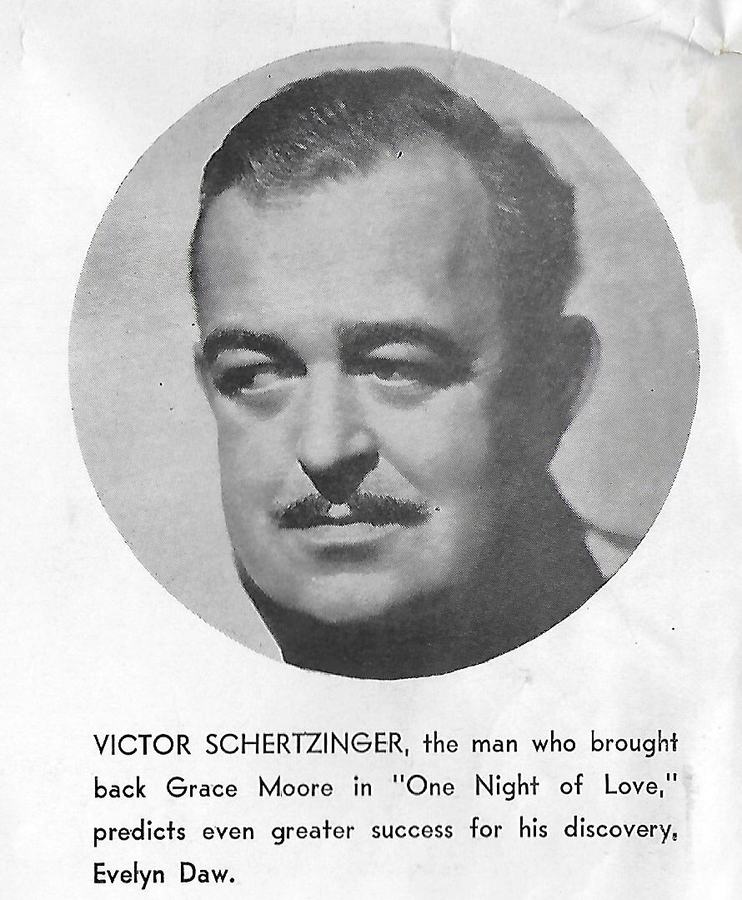
A Directorial Spotlight on Victor Schertzinger