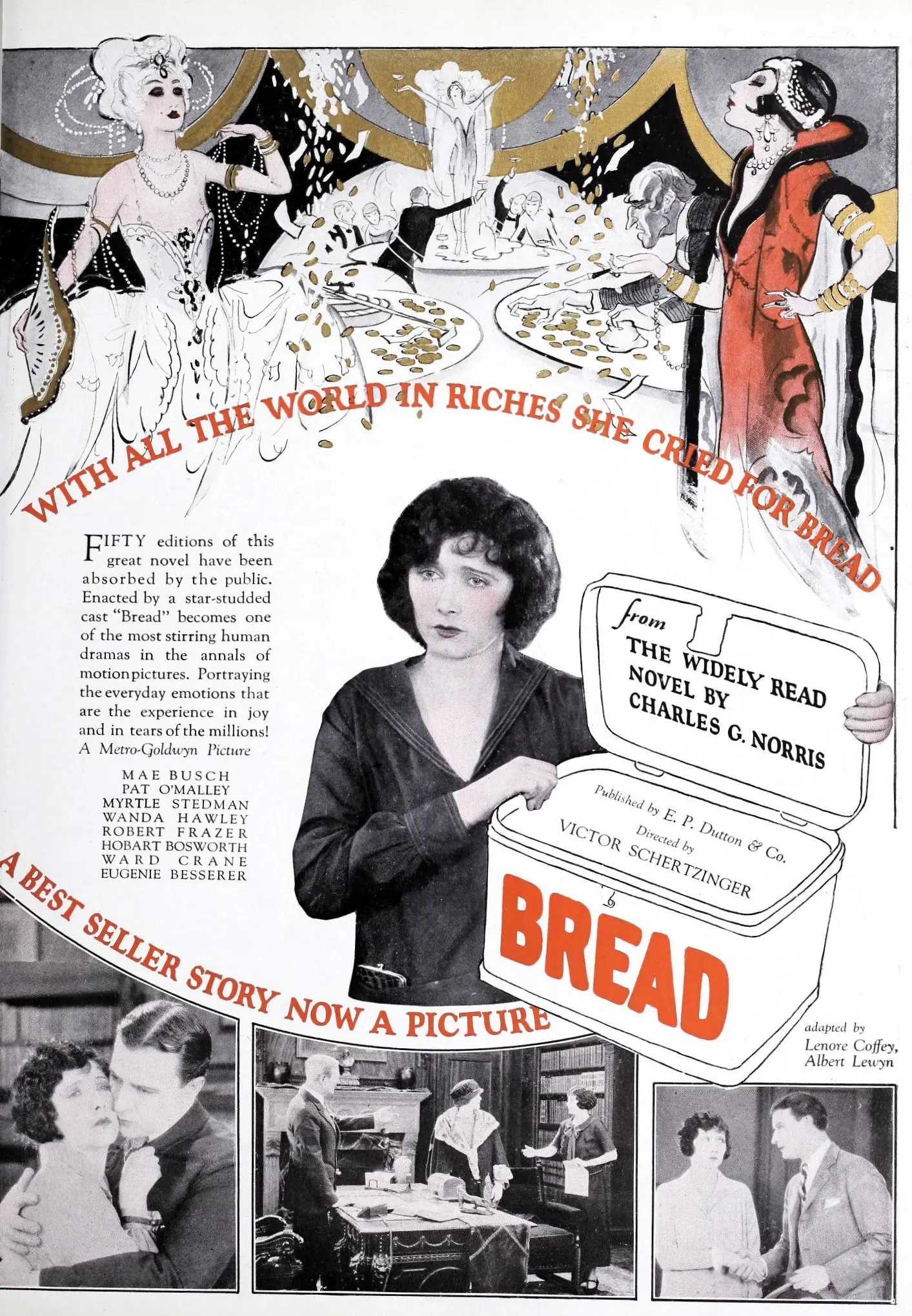
To relieve the burden placed on their mother, Alice Sturgis (Wanda Hawley) marries and has several children, while her independent sister, Jeanette (Mae Busch), goes to work as a stenographer. Eventually, she is forced to marry a persistent salesman to avoid a scandal.
A Timeless Loaf: Unpacking the Enduring Resonance of "Bread" (1924) Stepping back into the nascent days of cinematic storytelling, before synchronized sound irrevocably reshaped the medium, one encounters a profound and surprisingly modern narrative in Charles G. Norris's 1924 silent drama, Bread. Far...

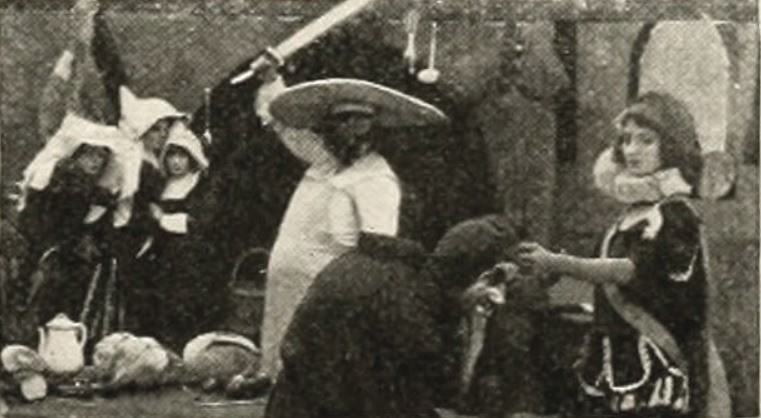
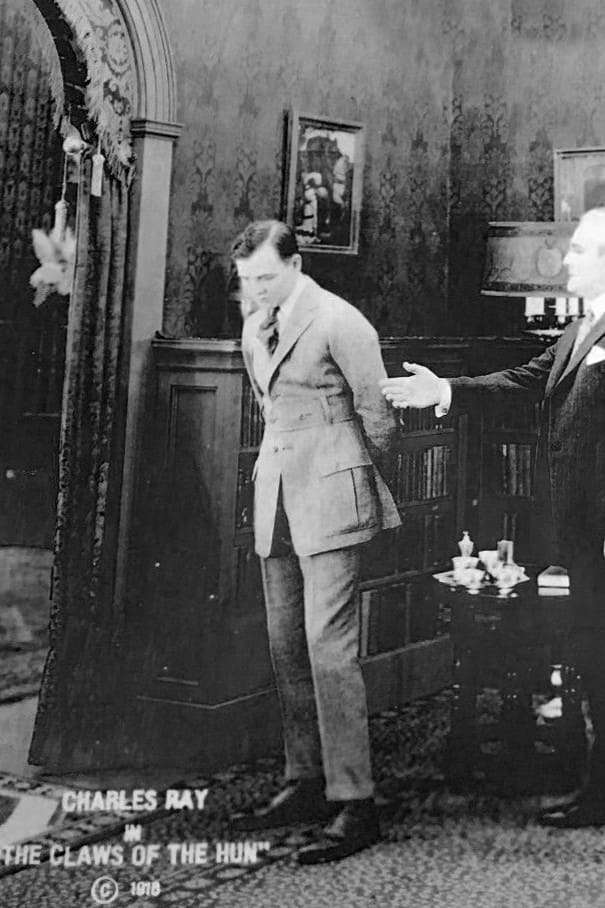
still_frame
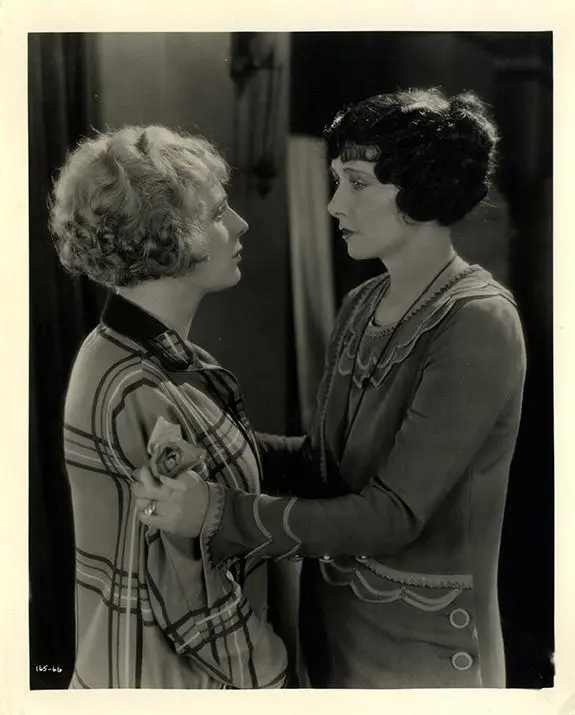
still_frame
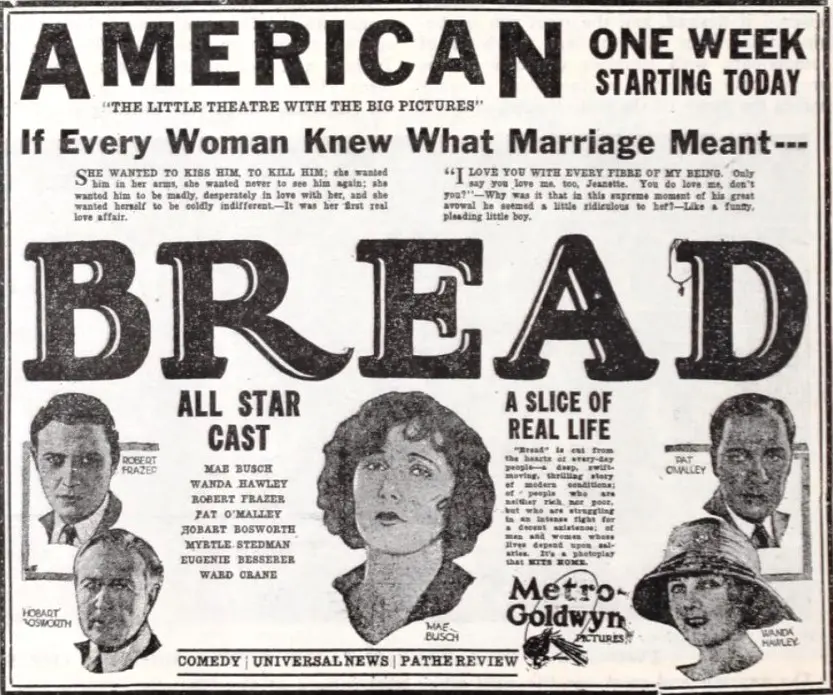
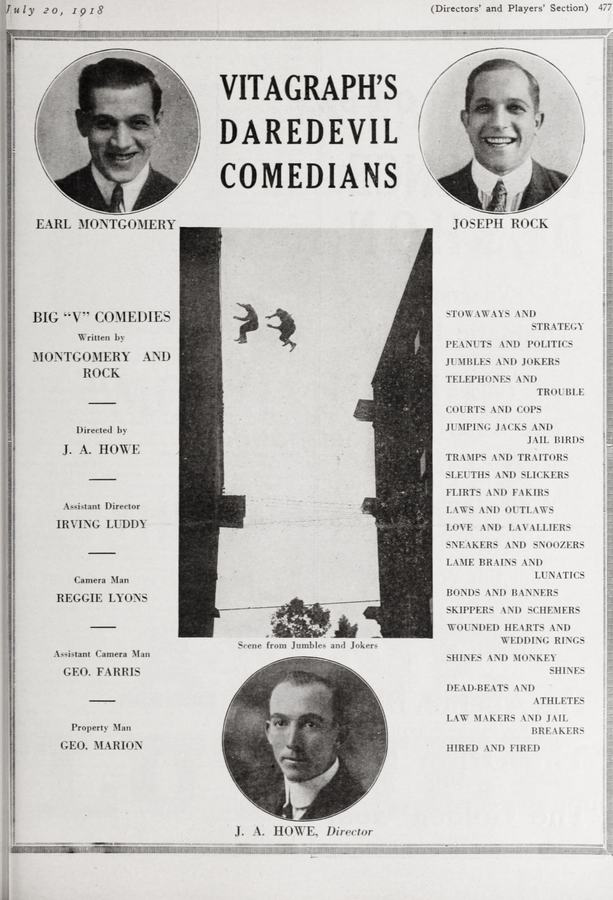
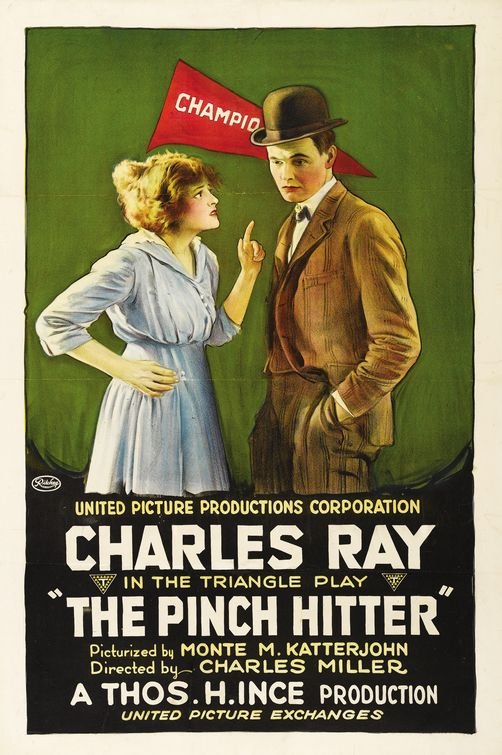
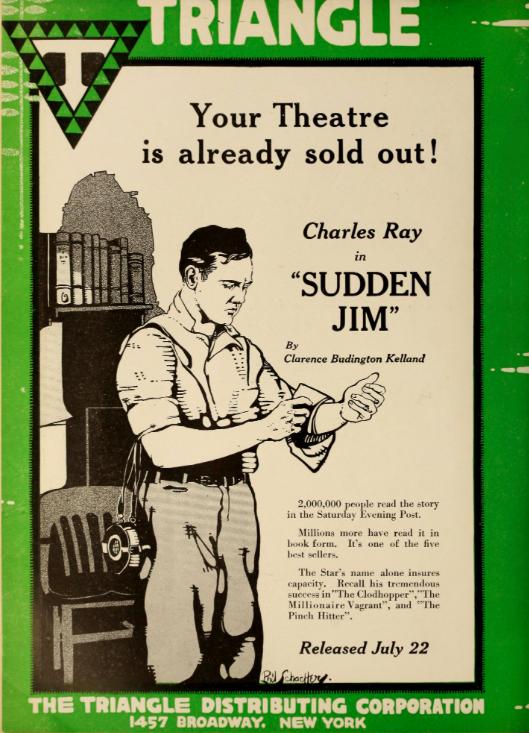
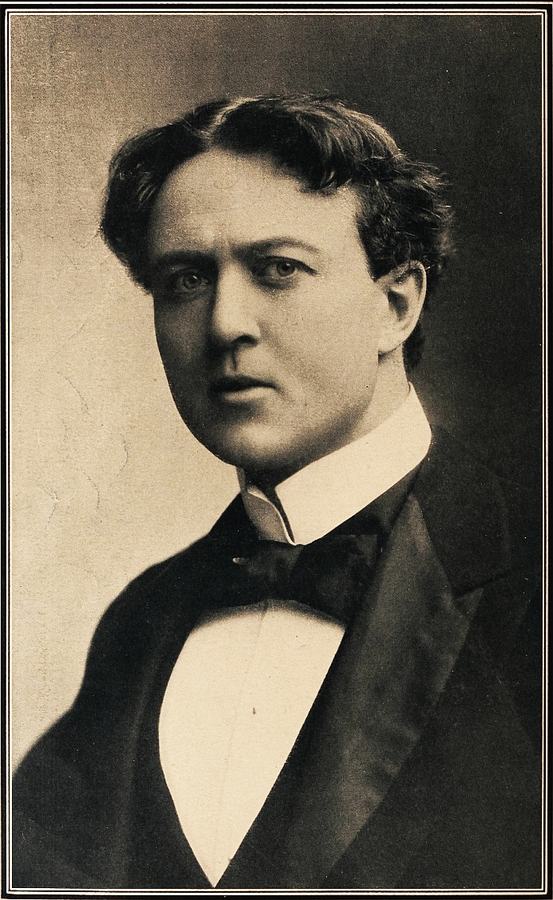
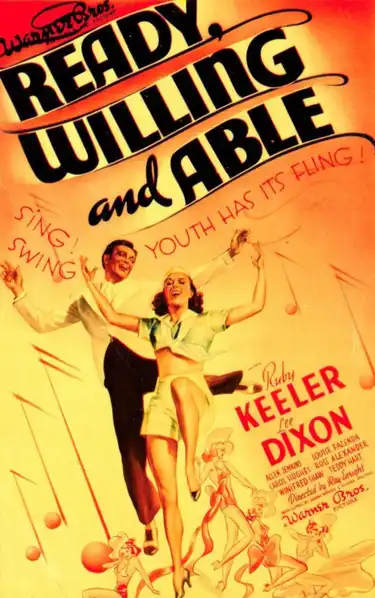
publicity

still_frame
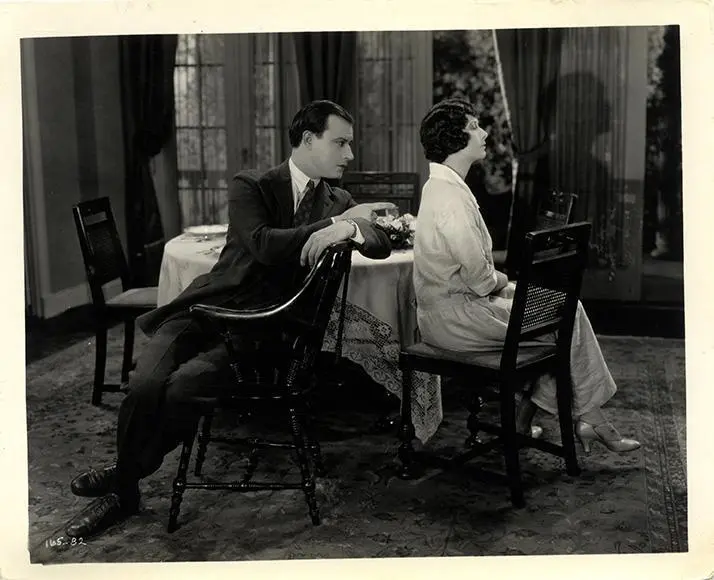
publicity
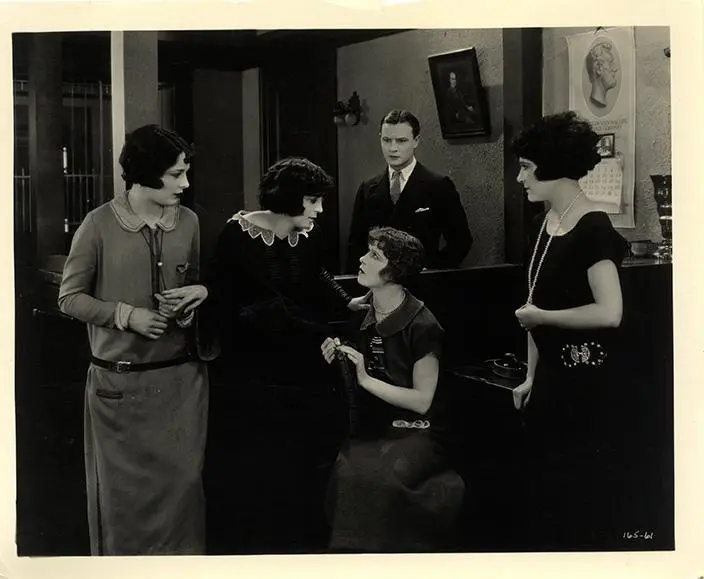
still_frame

still_frame
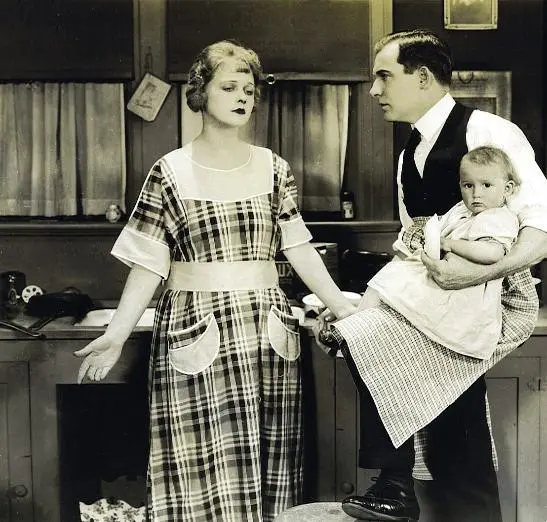
still_frame
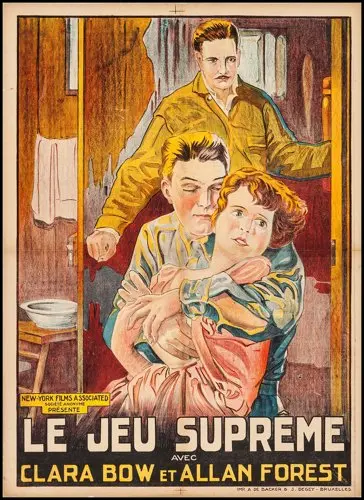
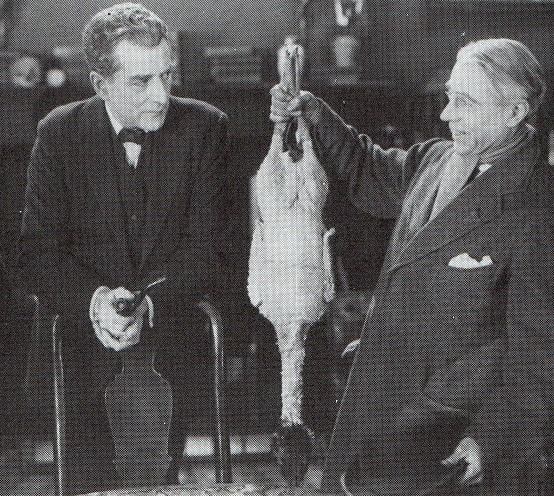
Comparing the cinematic DNA and archive impact of two defining moments in cult history.
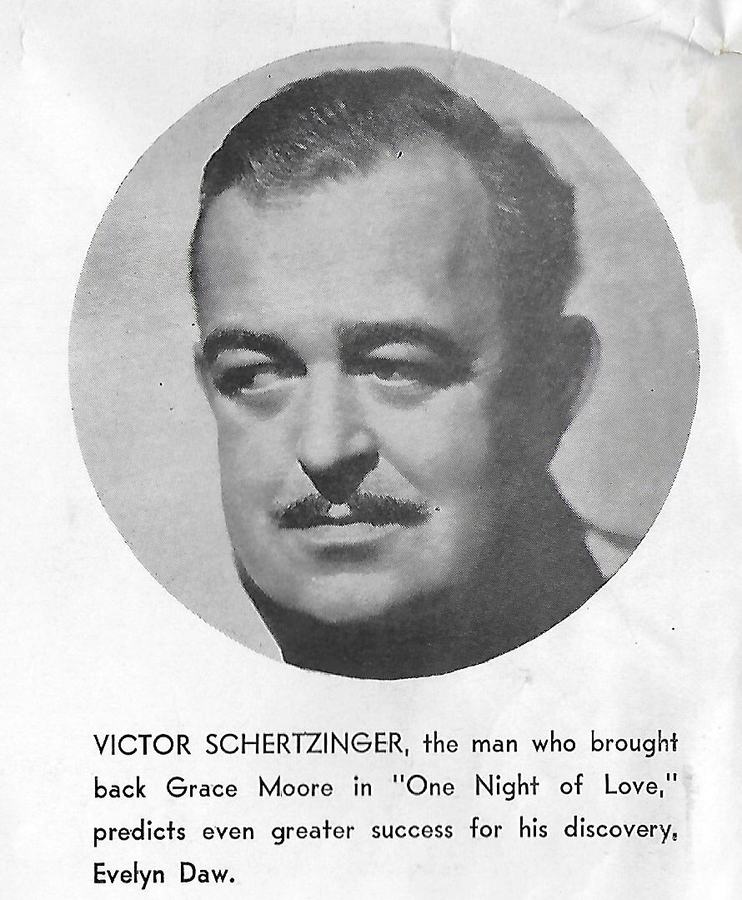
Victor Schertzinger
Victor Schertzinger
Community
Log in to comment.
" A Timeless Loaf: Unpacking the Enduring Resonance of "Bread" (1924) Stepping back into the nascent days of cinematic storytelling, before synchronized sound irrevocably reshaped the medium, one encounters a profound and surprisingly modern narrative in Charles G. Norris's 1924 silent drama, Bread. Far from a mere historical artifact, this film, adapted from Norris's own novel, offers a deeply empathetic and unflinching look at the societal crucible in which women's lives were f..."
Mae Busch
Albert Lewin, Lenore J. Coffee, Charles G. Norris
United States