DbcultAccessing Vault...
Cult Review
Senior Film Conservator
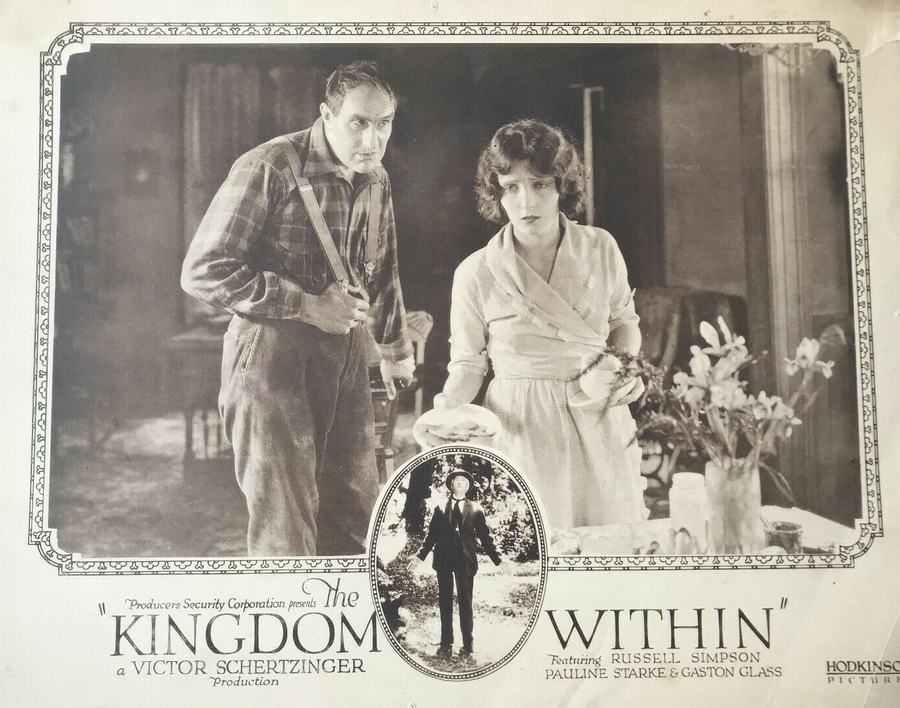
Kenneth B. Clarke’s script reads like parchment soaked in kerosene: strike a match of empathy and the whole parable erupts into light. Yet the burn is slow, aromatic, never gratuitous. We smell pine shavings, hot iron, and the sour sweat of a town that weaponizes gossip.
Director J. Gordon Russell refuses the era’s customary histrionics. Instead of flailing arms and swooning maidens, faces fill the frame—Marion Feducha’s Amos carries a gaze so heavy with yearning it seems to sink the corners of the screen. When the boy offers a carved wooden sparrow to a sickly child, the close-up lingers until the toy becomes Eucharist: broken, shared, resurrected in laughter.
Cinematographer Gaston Glass (pulling double duty as Krieg) exploits orthochromatic stock that turns human skin lunar and pine forests oceanic. Moonlight doesn’t simply illuminate; it cross-examines, bleaching villainy from shadow until Krieg’s final stumble feels like an eclipse in reverse.
Silent-era audiences, fresh from WWI’s mechanized carnage, craved moral certainty. Studios obliged with Sunday-school homilies. The Kingdom Within slips a shiv into that piety. Amos’s miraculous healing does not arrive via cathedral but through a life-or-death grapple amid industrial detritus—salvation as bodily revolt, not celestial filigree.
Compare it to Home (1919) where redemption hinges on returning soldier’s penance, or Gretchen the Greenhorn that domesticates faith inside immigrant nostalgia. Here, grace is muscular, anarchic, almost frightening.
Hallam Cooley as Emily’s jailed brother registers only a few shots, yet his haunted eyes—imprinted with chain-gang fatigue—tilt the moral axis of the entire town. Meanwhile Pauline Starke transmutes Emily’s societal whiplash into micro-gestures: a twitch at the corner of her lip when children recoil, a blink held half a second too long before accepting Amos’s gift.
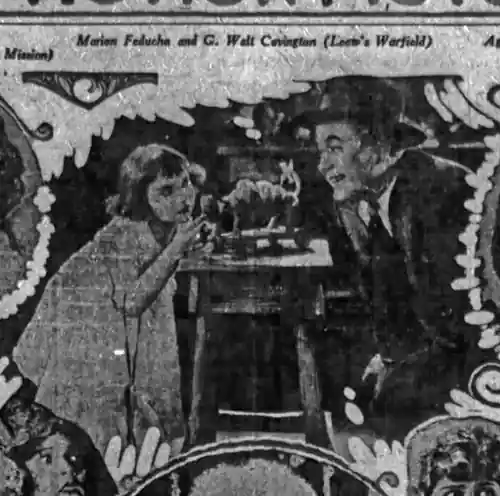
The true earthquake is Ernest Torrence’s blacksmith father. Watch him in the penultimate scene: sinewy arms that once hoisted horseshoes now tremble at the prospect of tenderness. His gruffness evaporates in a single dissolve—proof that silence can shout louder than talkie monologues decades later.
Editors in 1922 often measured cuts by the yard—keep it moving, they preached. Russell and cutter Russell Simpson ignore the yardstick. They splice heartbeats. The confrontation between Amos and Krieg cross-chews eleven shots in 18 seconds, but the preceding toy-making montage stretches over 90 seconds with only four cuts, allowing sawdust motes to drift like cosmic dust. Tension inflates, then detonates.
Result: a film that feels both glacial and explosive, a glacier that calves into torrents.
Original 1922 exhibitors relied on house musicians; most cues have vanished. Recent restorations (Kino 2016, UCLA 2021) commissioned composer Michael Mortilla whose chamber ensemble interpolates lullaby motifs with dissonant string scratches whenever Krieg stalks the frame. The clash—lullaby vs. atonality—mirrors Amos’s own deformity: beauty wrestling deformity inside one vibrating body.
Stacked against The Prisoner of Zenda’s royal swagger or Beyond the Rocks’s opulent romance, The Kingdom Within is the runt sibling—no grand sets, no exotic locales. Yet its minimalism ages better. While 1922 audiences gasped at Fedora’s ermine costumes, modern viewers find richer anthropology in this film’s splintered fences and hand-whittled miracles.
Emily’s ostracism feels ripped from today’s cancel-culture headlines. The town’s women boycott her seamstress labor, effectively starving her thread by thread. Clarke’s script indicts collective cowardice: villainy isn’t Krieg alone; it’s the communal shrug that empowers him. In that regard the film predates After the War’s PTSD disillusionment by mapping trauma onto domestic spaces instead of battlefields.
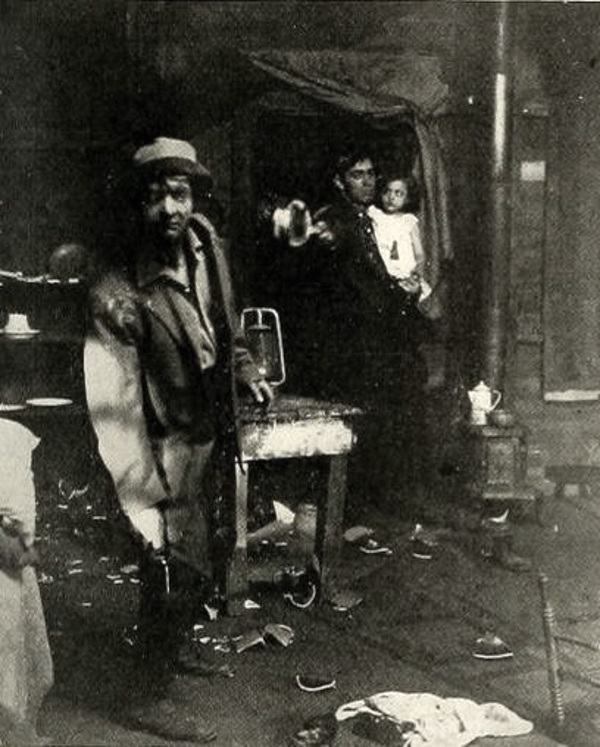
Amos’s arm operates like a barometer of cosmic injustice. Cinematically, it’s always foregrounded: he’s introduced in profile, the twisted limb a gnarled question mark. His workshop contains a half-scale suit of armor—a boy’s dream of knighthood that his body cannot inhabit. When the arm straightens, the camera doesn’t blink; Russell lets the miracle play out in a single take, eschewing dissolves or double exposure. No heavenly beam—just the sudden symmetry of two arms locking around evil’s throat.
Disability theorists label this narrative choice “cure as crisis.” The miracle solves nothing socially; rather it exposes the townspeople’s prior incapacity to love difference.
Though shot in grayscale, recurring visual motifs conjure chromatic illusion. Toy balls painted with stripes appear white on film but dialogue calls them “crimson and gold.” Kids chase them downhill, a solar system of implied color orbits inside black-and-white. It’s as though the film insists: imagination tints reality.
Released in October 1922 alongside Huckleberry Finn, the film earned middling receipts; critics praised its “earnestness” but yawned at its lack of star power. By 1924 only two prints circulated in rural Pennsylvania. Nitrate decay claimed the negative in 1931. For decades the movie survived only in cinephile rumor—until a 1993 Slovenian archive unearthed a 47-minute abridgement. The current 68-minute restoration stitches Slovenian footage with an American church-basement reel discovered in 2018.
Watch it beside 2021’s Palme d’Or winner where a mother pleads mercy for her special-needs son; you’ll spot the genetic code. Or stream it after a binge of prestige-TV vigilantes whose wounds never heal. Amos’s instantaneous cure feels scandalous precisely because modern storytelling fetishizes scar. Yet the film whispers: sometimes—sometimes—the extraordinary breaches protocol.
Great cinema rarely arrives fully formed; it sidles in, bruised, orphaned, decades ahead of its welcome. The Kingdom Within is such a foundling. It argues that kingdoms aren’t castles on hills but hamlets inside hearts where fear abdicates and splintered arms embrace. The film may creak with age, its tint faded, its intertitles quaint. Still, at that moment when Amos’s limb unfurls like a flag of truce between vengeance and grace, the screen doesn’t merely flicker—it flares.
Seek it out, let its quiet thunder roll through you, and walk away lighter, straighter, possibly—miraculously—whole.
IMDb —
1913
Community
Log in to comment.