Black Sparr, a hard-fighting, hard-drinking rancher, puts his son, Rance, through rigorous experiences to learn the ways of men. Rance thinks himself in love with Vivian Morrow.
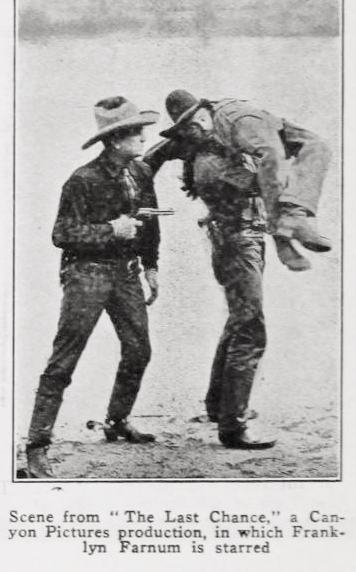
William E. Wing’s 1925 oater arrives like a tintype unearthed from a derelict ghost town: sepia, cracked, yet humming with frontier electricity that jolts the modern eye awake. Shot on the parched flats outside Bakersfield when Kern County still passed for untamed wilderness, The Last Chance drapes its melodrama acr...
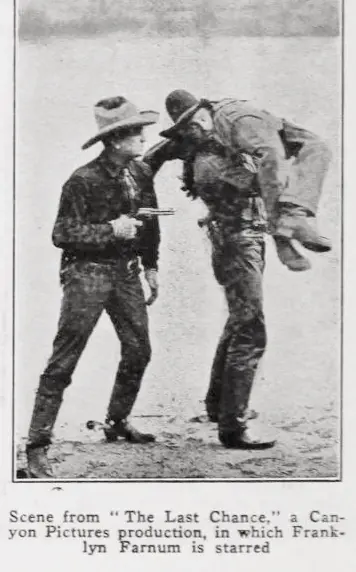
still_frame
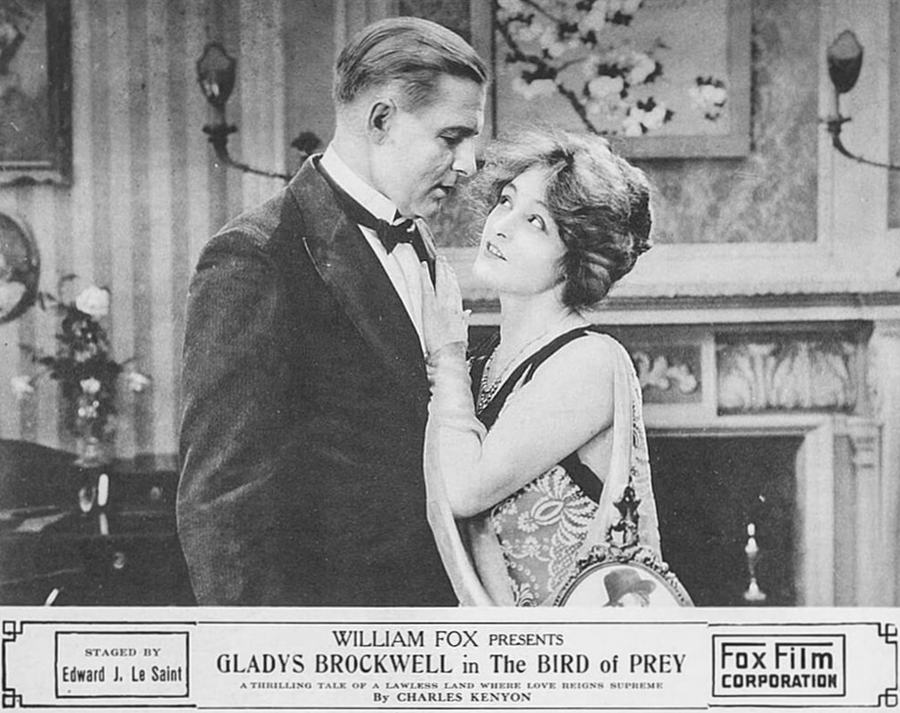
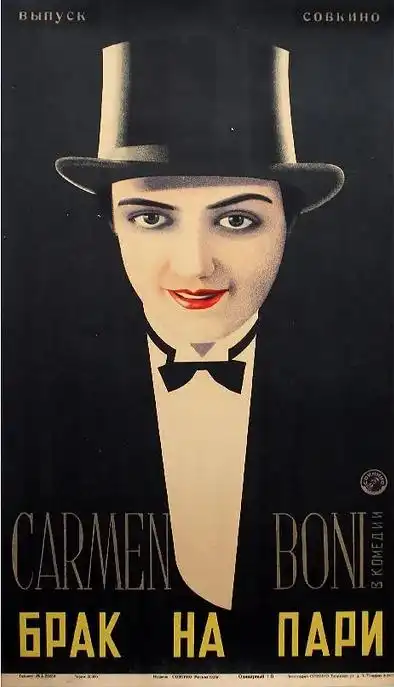
Comparing the cinematic DNA and archive impact of two defining moments in cult history.
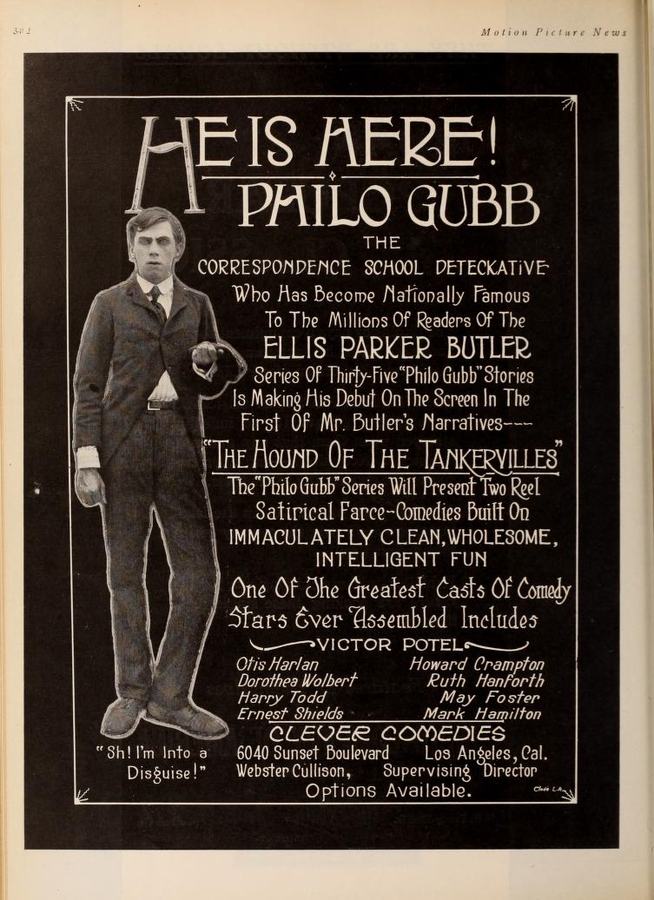
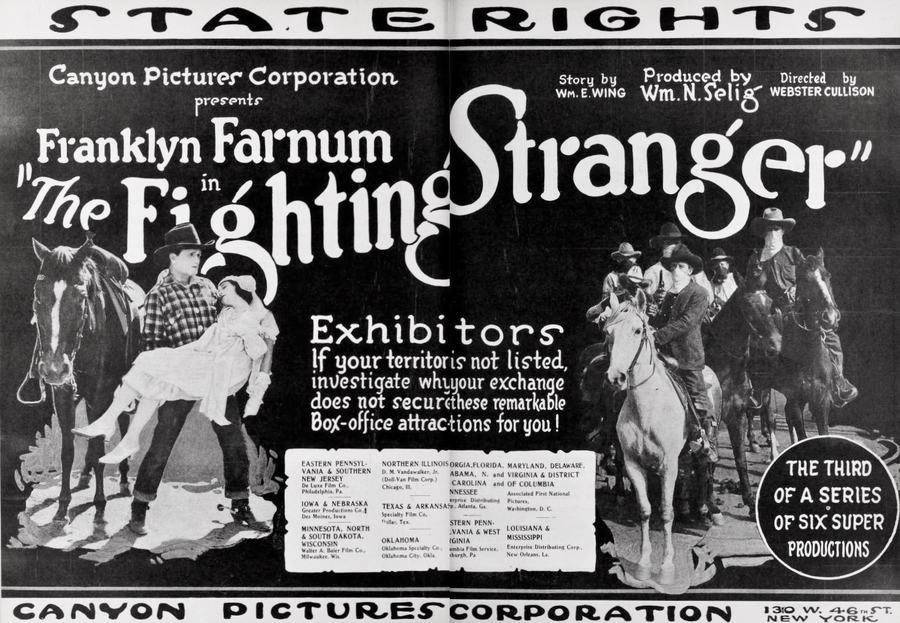
Webster Cullison
William Parke
Community
Log in to comment.
" William E. Wing’s 1925 oater arrives like a tintype unearthed from a derelict ghost town: sepia, cracked, yet humming with frontier electricity that jolts the modern eye awake. Shot on the parched flats outside Bakersfield when Kern County still passed for untamed wilderness, The Last Chance drapes its melodrama across a canvas of alkali dust and bruised sunsets. The intertitles—laconic, diamond-cut—hint that Wing studied both Victor Fleming’s bravado and the Japanese penchant for negative sp..."
Vester Pegg
William E. Wing
United States
Deep dive into the cult classic
Discover similar cinematic experiences
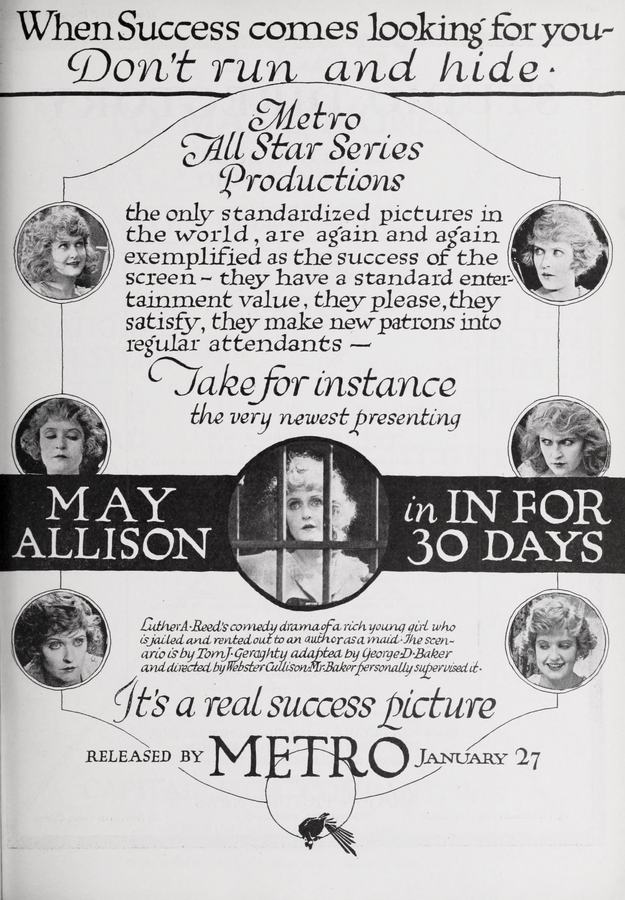
A Directorial Spotlight on Webster Cullison