DbcultAccessing Vault...
6.9/10
Senior Film Conservator
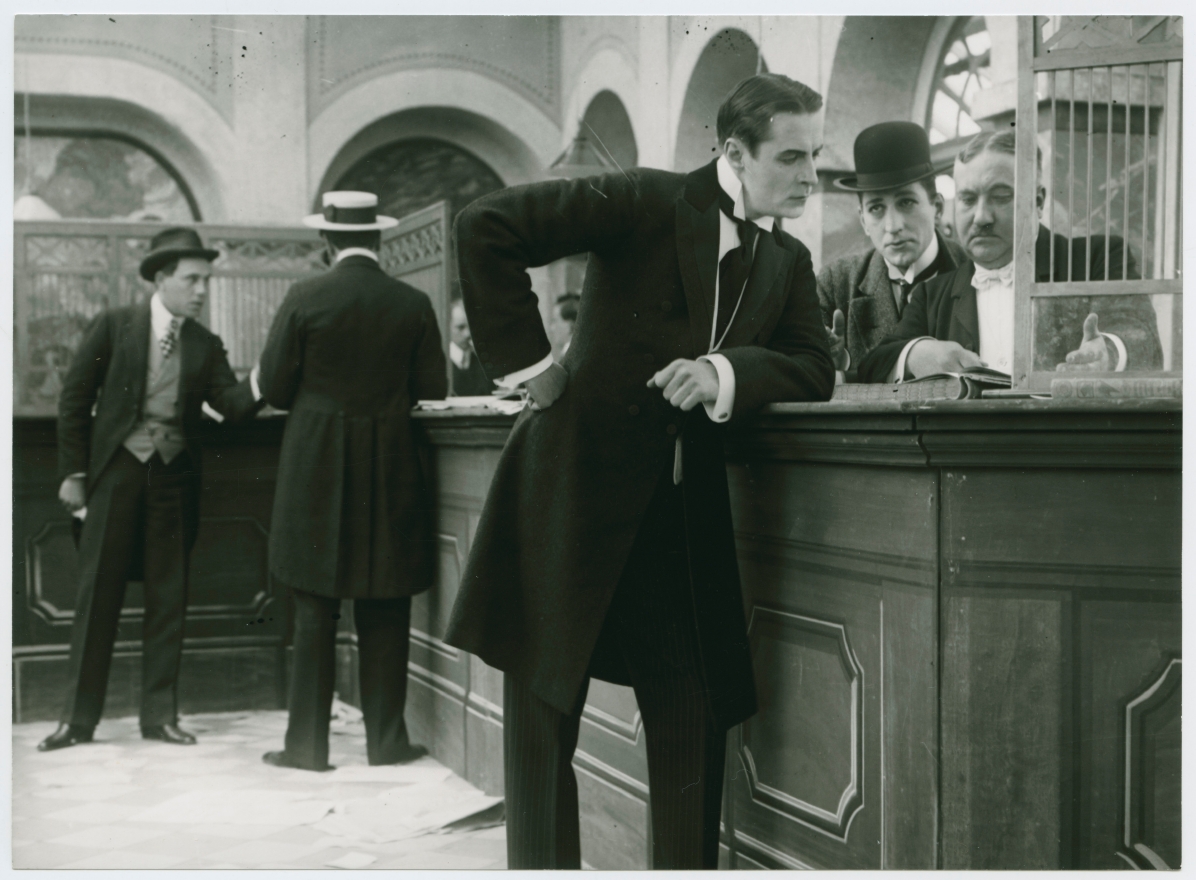
A definitive 6.9/10 rating for a film that redefined the boundaries of cult cinema. Half Breed remains a cornerstone of transgressive art.
Stepping back into the nascent years of cinematic storytelling, one encounters a fascinating array of narratives, some of which, despite their age, resonate with an enduring power. Among these, Peter Lykke-Seest’s *Half Breed* (1914) emerges as a compelling, if often overlooked, testament to the raw dramatic potential of the silent era. This isn't merely a historical curiosity; it is a meticulously crafted examination of human frailty, a study in the corrosive nature of desire, and a stark portrayal of how quickly admiration can curdle into destructive obsession. The film, starring the formidable talents of John Ekman, Karin Molander, and Gunnar Tolnæs, alongside Greta Pfeil, weaves a tapestry of intense personal conflict, demonstrating that even in the absence of spoken dialogue, the human heart's tumult can be rendered with breathtaking clarity.
The narrative core of *Half Breed* is deceptively simple: two men, their lives intertwined, find themselves ensnared in a perilous rivalry for the affections of a single dancer. Yet, from this elemental premise, Lykke-Seest, whose writing underpins the film’s structure, constructs a sophisticated exploration of psychological tension. It’s a classic triangle, perhaps, but one executed with a brooding intensity that elevates it beyond mere melodrama. The dancer, portrayed with captivating allure, becomes a fulcrum around which the fates of these men revolve, her presence a silent, potent force that unravels their lives with an almost inexorable momentum. This isn't a story of grand societal upheaval, but rather an intimate, claustrophobic drama, where the battleground is the human soul itself.
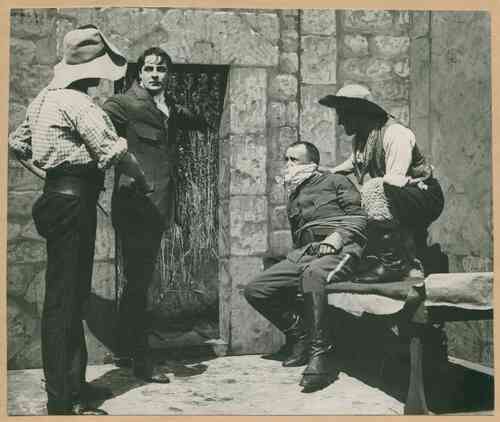
The strength of *Half Breed* lies unequivocally in its characterizations and the performances that breathe life into them. John Ekman and Gunnar Tolnæs, as the two men locked in this emotional gladiatorial arena, deliver performances steeped in a nuanced intensity. Ekman, often known for his commanding presence, likely brings a certain gravitas to his role, depicting a man whose initial fascination transmutes into a desperate, all-consuming need. Tolnæs, on the other hand, might embody a more volatile or perhaps subtly manipulative counterpoint, creating a dynamic tension that keeps the audience perpetually on edge. Their rivalry is not merely externalized through overt actions but is palpable in their strained glances, their rigid postures, and the subtle shifts in their facial expressions – the very lingua franca of silent cinema.
Karin Molander, as the dancer, is the luminous center of this maelstrom. In silent films, the ability to convey complex emotions and motivations without dialogue is paramount, and Molander, a celebrated actress of her time, would have undoubtedly imbued her character with a magnetic ambiguity. Is she an unwitting temptress, a victim of circumstance, or a woman exercising a nascent form of agency in a world dominated by male desires? Her performance, alongside Greta Pfeil's supporting role, would have been crucial in lending depth to the emotional landscape, preventing the character from becoming a mere plot device. The interplay between these three primary figures is the engine of the film, driving its tragic narrative forward with an unsettling inevitability.
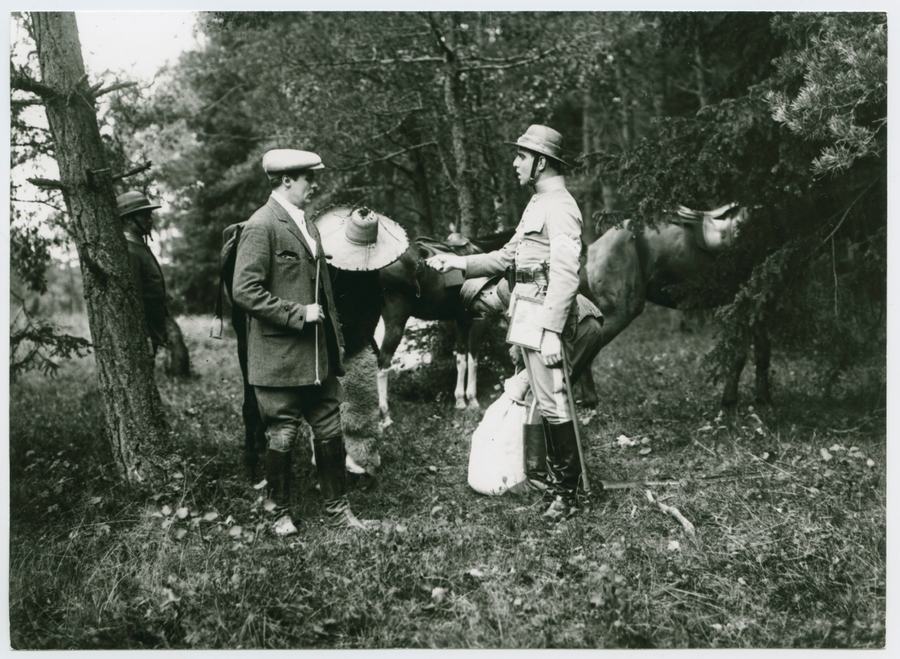
Peter Lykke-Seest's screenplay demonstrates a keen understanding of cinematic rhythm and visual storytelling, a skill that was still very much in its formative stages in 1914. While the full scope of his directorial influence isn't explicit in the provided details, the narrative's strength suggests a careful calibration of dramatic beats. Unlike some of its contemporaries, which sometimes suffered from theatrical staginess or a reliance on expository intertitles, *Half Breed* appears to strive for a more fluid, visually driven progression. This is a crucial distinction when considering films from this period. For instance, while epic spectacles like The Life and Passion of Jesus Christ or historical dramas such as The Life and Death of King Richard III relied heavily on grand tableaux and established narratives, *Half Breed* delves into the intricate, often messy, dynamics of personal relationships.
The pacing, a critical element in silent cinema, would have been carefully managed to build suspense and convey the escalating tension. One can imagine long takes emphasizing the silent struggle in a character’s face, juxtaposed with quicker cuts during moments of heightened conflict. The mise-en-scène, though likely constrained by the technical limitations of the era, would have been employed to reinforce the emotional states of the characters. Dark, shadowed interiors might mirror their inner turmoil, while stark, unadorned settings could emphasize their isolation. Such visual cues, subtle yet powerful, formed the bedrock of early cinematic expression, allowing films like *Half Breed* to communicate complex emotional registers without recourse to spoken word.
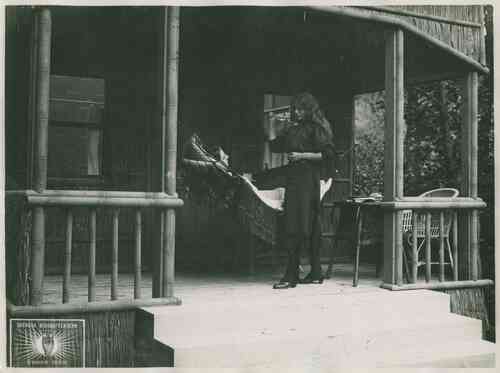
The central theme of obsessive rivalry is a timeless one, explored across various artistic mediums. In *Half Breed*, it gains a particular poignancy through the lens of early cinema. The film delves into the destructive potential of unchecked desire, illustrating how a singular focus on an individual, particularly one perceived as an object of affection, can lead to moral decay and tragic outcomes. This theme finds parallels in other silent dramas of the period, albeit with different contexts. Consider the psychological intensity of The Student of Prague, where a man's obsession with a woman leads to a literal splitting of his soul, or the fraught romantic entanglements in films like Vampyrdanserinden, which also features a dancer at the heart of a passionate drama. While not always directly comparable in plot, these films collectively explore the societal anxieties and moral quandaries surrounding desire, status, and individual agency in the early 20th century.
The "dancer" archetype, itself, carries significant cultural weight. Often portrayed as figures of allure, freedom, and sometimes danger, dancers in silent films frequently become catalysts for dramatic conflict. They represent a world apart, a realm of performance and fleeting beauty that can both enchant and destroy. This motif is powerfully used in *Half Breed*, where the dancer's very profession elevates her to a status of desired spectacle, intensifying the rivalry between the two men. It's a testament to the film's narrative sophistication that it uses this archetype not just for superficial glamour but as a profound symbol of the unattainable, the coveted, and ultimately, the destructive force of human longing.
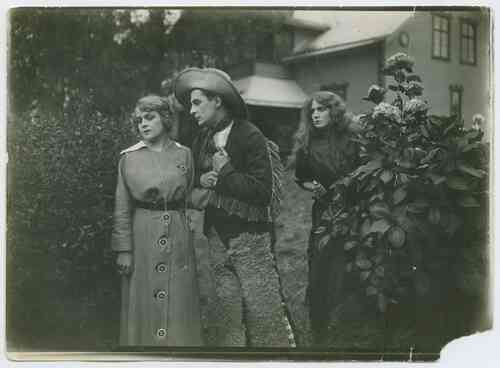
Evaluating a film from 1914 necessitates a consideration of the technological and artistic landscape of its time. Cinematography was still evolving, yet films like *Half Breed* often displayed remarkable ingenuity within these constraints. The use of natural light, the framing of shots to emphasize emotional states, and the nascent development of close-ups would have been critical in conveying the film's intense drama. Unlike the sweeping vistas of travelogues such as Glacier National Park or the documentary-style grandeur of Paul J. Rainey's African Hunt, *Half Breed* focuses its lens on the human interior, requiring a different kind of visual language. The film’s effectiveness would have depended heavily on the director’s ability to guide the actors in conveying complex inner lives through gesture, posture, and expression alone.
The very title, Half Breed, also invites speculation about deeper social commentaries, even if the provided plot summary focuses squarely on the romantic rivalry. It hints at a character who might exist between worlds, an outsider status that could further complicate the dynamics of desire and acceptance. This layer, if explored, would add another dimension to the film's emotional complexity, perhaps touching upon themes of identity and belonging, which were also subtly present in other dramas of the era, such as The Octoroon, though likely in very different cultural contexts. The depth of such an exploration hinges on the nuance of Lykke-Seest's writing and the performances, particularly if one of the central characters embodies this "half-breed" identity, making their struggle for acceptance or love even more poignant.
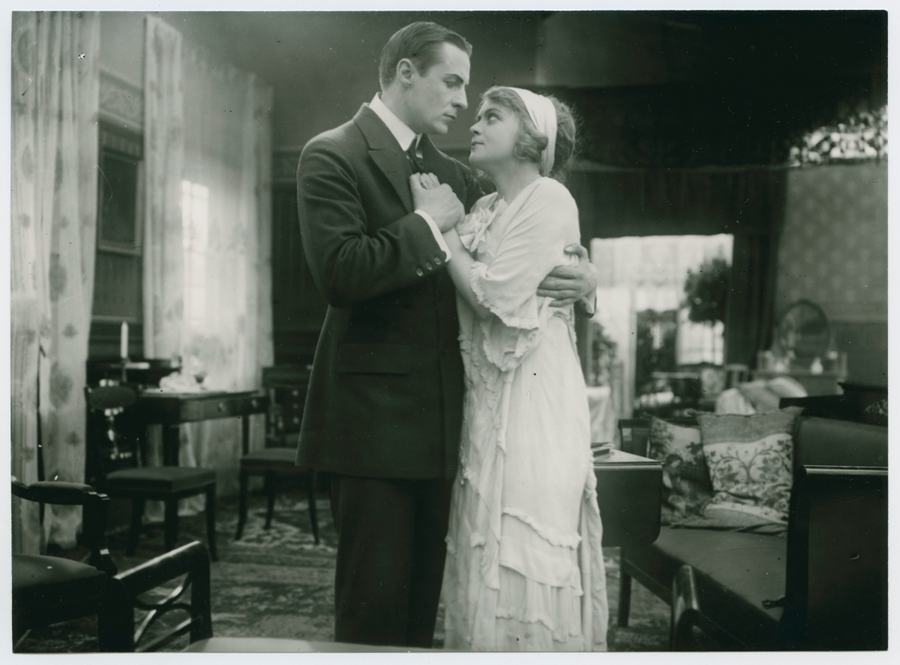
To watch *Half Breed* today is to engage with a piece of cinematic history that, despite its age, speaks to universal human experiences. It reminds us that long before intricate dialogue and sophisticated sound design became standard, filmmakers were grappling with profound questions of love, jealousy, and the destructive nature of obsession. The film’s power lies in its ability to strip away extraneous elements and focus on the raw, unadulterated emotions of its characters. This directness, often a hallmark of the best silent films, allows for a unique form of audience engagement, where interpretation and empathy are paramount.
The legacy of such films, even those not as widely celebrated as canonical works like The Birth of a Nation (which came a year later) or Intolerance, is crucial for understanding the evolution of cinematic art. They represent the foundational grammar of visual storytelling, experimenting with techniques and narrative structures that would influence generations of filmmakers. *Half Breed*, with its focused dramatic tension and compelling character study, stands as a valuable artifact, showcasing the early mastery of emotional communication through purely visual means. It’s a compelling argument for the enduring relevance of early cinema, proving that a story well-told, even without a single spoken word, can leave an indelible mark on the viewer.
The film’s ultimate impact rests not just on its plot, but on its ability to evoke a visceral response. The tragic events that follow the initial rivalry are not merely plot points; they are consequences, meticulously crafted to underscore the devastating power of human passion when left unchecked. It is a cautionary tale, perhaps, but one told with an artistic sensibility that transcends simple moralizing. The final frames, one might imagine, would leave the audience with a lingering sense of pathos, a profound understanding of the cost of such consuming desire. In this sense, *Half Breed* is more than just a silent film; it is a timeless exploration of the human condition, a stark reflection of the shadows that lurk beneath the surface of even the most captivating beauty.
The performances by Ekman, Molander, Pfeil, and Tolnæs, though only visible through the flickering lens of time, would have been pivotal in conveying this profound sense of human drama. Their ability to project complex internal states through external physicality and nuanced expressions is what elevates *Half Breed* from a simple plot outline to a resonant cinematic experience. It’s a powerful reminder of the artistry that flourished in the silent era, an era often reductively viewed as merely a precursor to sound films. Instead, films like *Half Breed* stand on their own merits, offering rich, emotionally charged narratives that continue to captivate and provoke thought, demonstrating the universal language of human emotion, eloquently articulated without a single spoken word.
Moreover, the film's exploration of rivalry for a dancer’s attention isn’t unique, but its execution defines its individuality. We see echoes of this fascination in various forms throughout cinematic history, from the more theatrical portrayals in Les amours de la reine Élisabeth, where dramatic personal stakes dictate royal destinies, to the more overtly dramatic turns in Den sorte drøm, another contemporary Danish film that delved into intricate love triangles and societal pressures. The dancer in *Half Breed* is not just an object; she represents a coveted ideal, a symbol of beauty and perhaps even freedom that both men desperately seek to possess. This symbolic weight adds considerable depth to the seemingly straightforward plot, transforming it into a meditation on desire and control.
The precision with which Lykke-Seest, as the writer, lays out the psychological progression of the rivalry is particularly commendable. It is not an abrupt descent into madness but a gradual, insidious erosion of civility and reason, meticulously charted through visual cues and the intensifying performances. This slow burn approach, common in many compelling silent dramas, allows the audience to fully grasp the stakes and the tragic inevitability of the unfolding events. It’s a masterclass in building tension without dialogue, relying instead on the universal language of human expression and carefully composed imagery. The ultimate "events that follow" are not just a resolution; they are the logical, albeit devastating, conclusion of the emotional forces unleashed by the initial spark of desire.
Ultimately, *Half Breed* serves as an important reminder of the sophistication and emotional power inherent in early cinema. It challenges the notion that silent films were primitive or simplistic, instead showcasing a profound understanding of human psychology and narrative construction. For anyone interested in the foundational elements of film as an art form, or simply seeking a compelling human drama, this film offers a rich and rewarding experience. Its exploration of rivalry, obsession, and the devastating consequences of unchecked passion remains as potent and relevant today as it was over a century ago.
IMDb 5.3
1928
Community
Log in to comment.