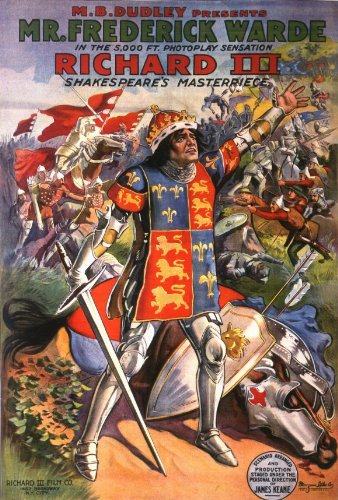
Richard of Gloucester uses manipulation and murder to gain the English throne..
James Keane, William Shakespeare
United States
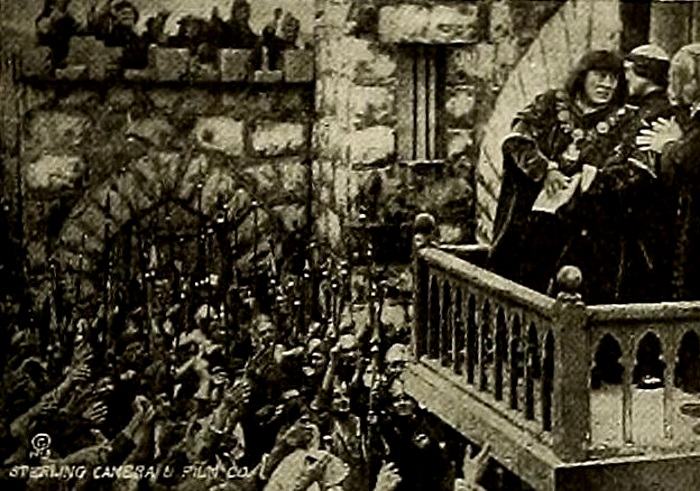
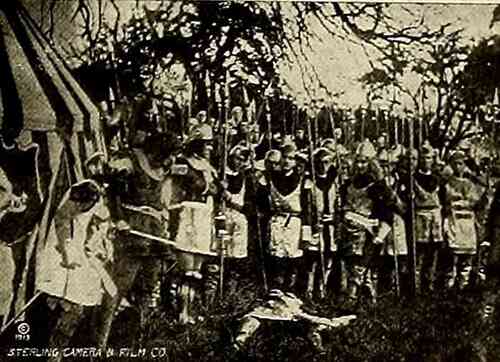
A Silent Symphony of Treachery: Deconstructing 'The Life and Death of King Richard III' (1912) Stepping back into the nascent days of cinematic artistry, James Keane’s 1912 rendition of The Life and Death of King Richard III emerges not merely as an archaeological curiosity, but as a surprisingly potent disti...
still_frame
still_frame
product
product
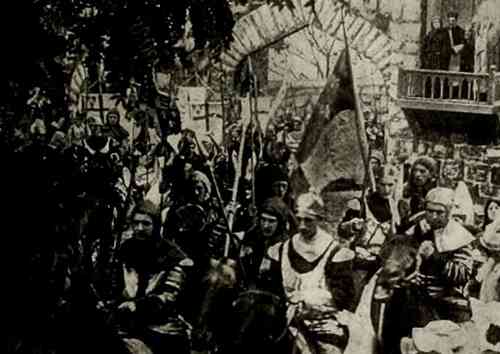
still_frame
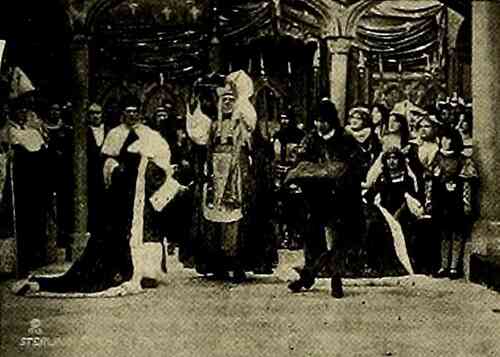
still_frame
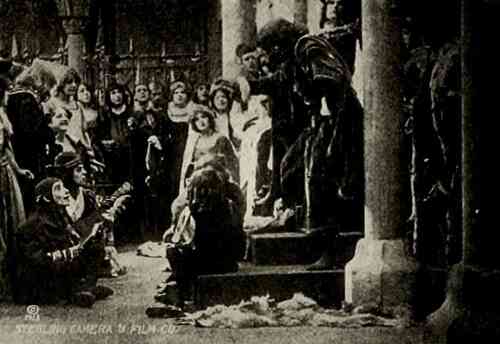
still_frame
still_frame
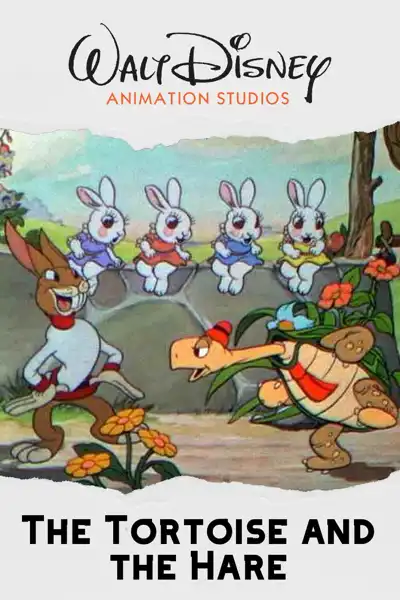
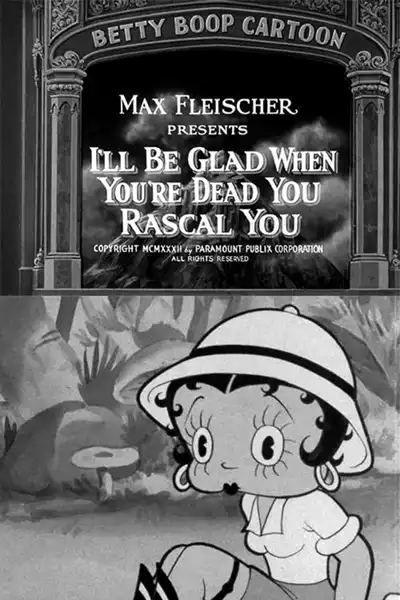
Comparing the cinematic DNA and archive impact of two defining moments in cult history.
André Calmettes
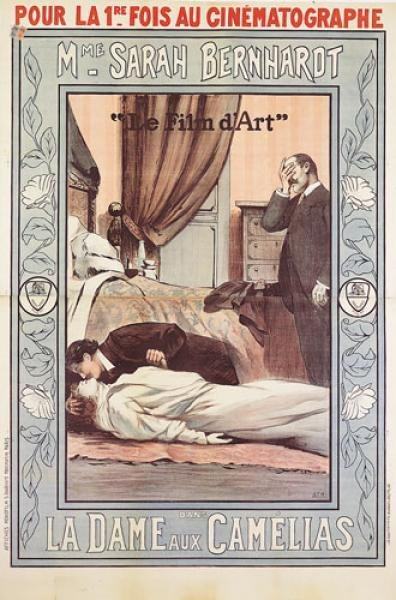
André Calmettes
Community
Log in to comment.
" A Silent Symphony of Treachery: Deconstructing 'The Life and Death of King Richard III' (1912) Stepping back into the nascent days of cinematic artistry, James Keane’s 1912 rendition of The Life and Death of King Richard III emerges not merely as an archaeological curiosity, but as a surprisingly potent distillation of Shakespearean tragedy, filtered through the nascent grammar of silent film. This early epic, predating many of the more widely celebrated adaptations, offers a fascinati..."