DbcultAccessing Vault...
Cult Review
Senior Film Conservator
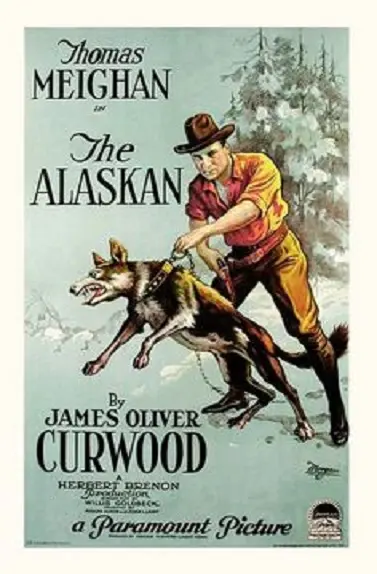
The Alaskan, a cinematic endeavor released to modest fanfare, has proven itself to be an enthralling and thought-provoking work, replete with the rugged charm of the American frontier. This film, crafted by the visionary James Oliver Curwood and brought to life by the collaborative efforts of H.H. Caldwell and Willis Goldbeck, presents an unflinching portrayal of the Alaskan Territory, replete with its unforgiving landscapes and the indomitable individuals who dare to tame it.

The narrative centers around the eponymous hero, embodied by John St. Polis, whose resolute determination and unwavering resolve serve as a beacon of hope in a land beset by the avaricious plans of corrupt robber barons. These wealthy elite, hell-bent on exploiting the fledgling region for their own pecuniary gain, are thwarted at every turn by the unyielding spirit of the Alaskan, whose actions are guided by a strong moral compass.

Anna May Wong, Thomas Meighan, and Alphonse Ethier provide sterling support to St. Polis, adding layers of complexity to this gripping tale of power struggles, corruption, and the unyielding pursuit of justice. Their performances, imbued with a sense of authenticity, lend credence to the film's portrayal of a nascent society, grappling with the challenges of growth and development in the face of overwhelming adversity.

Upon closer inspection, it becomes evident that The Alaskan shares thematic similarities with other films of its era, such as Melting Millions and The Woman God Sent, which also explored the tensions between individual resolve and the corrupting influence of power. However, The Alaskan distinguishes itself through its masterful storytelling, coupled with a keen attention to detail, which serves to transport the viewer to a bygone era, replete with its own unique struggles and triumphs.

A striking aspect of The Alaskan is its thoughtful pacing, which allows for a measured and deliberate build-up of tension, expertly crafted by the filmmakers to keep the viewer engaged and invested in the narrative. This judicious approach to storytelling enables the film to explore themes of resilience and moral fortitude, as embodied by the protagonist, whose actions serve as a testament to the enduring power of the human spirit.
In a cinematic landscape dominated by films that prioritize spectacle over substance, The Alaskan stands as a refreshing anomaly, prioritizing character-driven storytelling and thematic depth over cheap thrills and superficial entertainment. This approach, redolent of films such as La fille des chiffonniers and Politik och brott, serves to underscore the film's commitment to crafting a narrative that is at once engaging, thought-provoking, and emotionally resonant.
The cinematography, while not overtly flashy, is noteworthy for its utilitarian effectiveness in conveying the harsh realities of life in the Alaskan Territory. The camerawork, economical yet evocative, adeptly captures the rugged beauty of the landscape, imbuing the film with a sense of verisimilitude that serves to ground the narrative in a sense of reality.
In conclusion, The Alaskan is a tour de force of cinematic storytelling, whose thoughtful pacing, nuanced performances, and commitment to thematic depth serve to elevate it above the status of a mere historical footnote. This film, much like Beyond the Rainbow and The Heart of a Gypsy, presents a powerful exploration of the human condition, replete with its own unique struggles, triumphs, and moral complexities.
Ultimately, The Alaskan is a film that will resonate with viewers who appreciate a well-crafted narrative, bolstered by strong performances and a keen attention to thematic detail. If you're willing to venture off the beaten path and immerse yourself in a bygone era, replete with its own unique charm and challenges, then The Alaskan is a film that is sure to captivate and inspire.

IMDb 6.8
1927
Community
Log in to comment.