DbcultAccessing Vault...
Cult Review
Senior Film Conservator
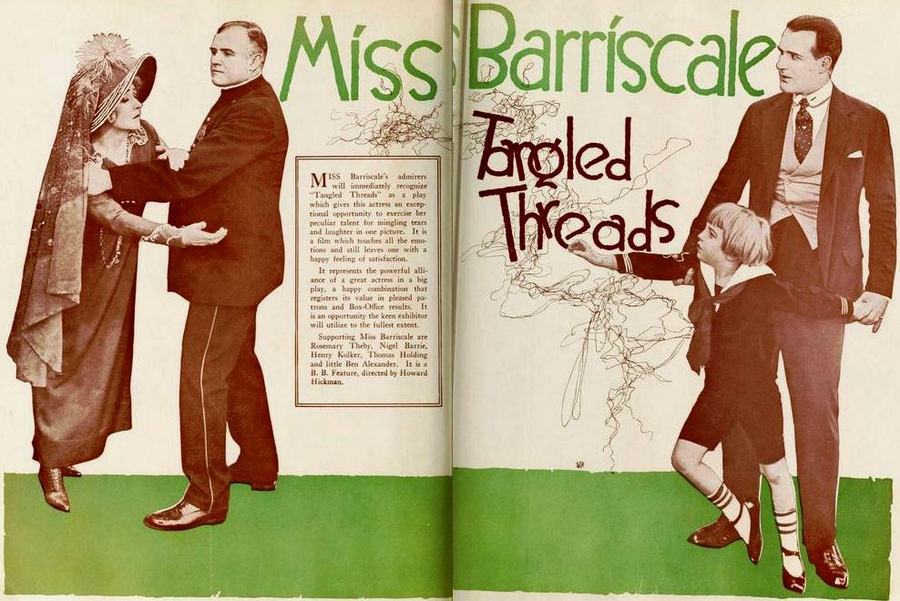
Step back in time to an era when stories unfolded without spoken words, relying instead on the evocative power of gestures, expressions, and the swell of an orchestral score. 'Tangled Threads,' a 1919 silent film, emerges from this rich cinematic tapestry as a poignant exploration of human frailties, the devastating consequences of infidelity, and the arduous path to redemption. This is not merely a historical artifact; it is a profound melodrama that, even a century later, speaks volumes about the enduring complexities of the human heart. Directed with a keen eye for emotional nuance by Fred Myton and Maie B. Havey, who also penned the script, the film navigates a tumultuous domestic drama with a gravitas that belies its age, showcasing performances that transcend the limitations of the medium.
At its core, 'Tangled Threads' introduces us to Margaret Wayne, brought to life with exquisite sensitivity by Rosemary Theby. Margaret embodies the quintessential devoted wife and mother, her world revolving around her husband, John Rutherford Wayne (Nigel Barrie), and their cherished son, 'Sonny Boy' (the remarkably expressive Ben Alexander). Their domestic bliss, however, is a fragile construct, soon to be shattered by John's susceptibility to external allure. The narrative wastes no time in establishing John's wandering eye, drawn inexorably to the dazzling, yet ultimately destructive, charm of Rita Kosloff, a character who personifies the siren call of hedonism. This initial infidelity sets in motion a chain of events that will unravel the very fabric of the Wayne family, exposing the vulnerabilities inherent in even the most seemingly stable relationships. The film's early scenes masterfully establish the stark contrast between Margaret's earnest, home-centered world and the glittering, superficial sphere that captivates John.
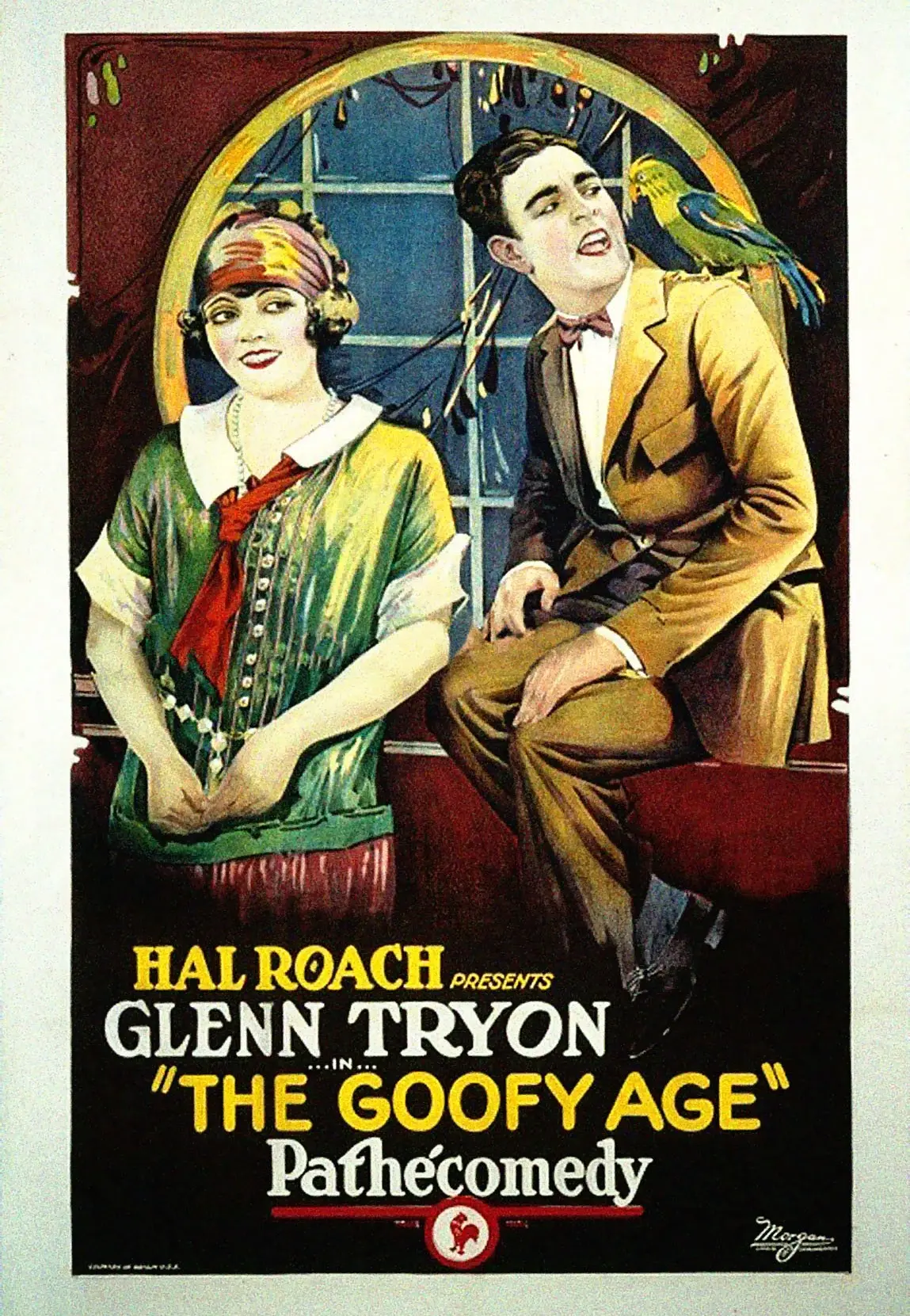
The societal context of the era amplifies the tragedy. In the early 20th century, a woman's identity was often inextricably linked to her marital status and her role within the family. For Margaret, John's betrayal isn't just a personal wound; it's an existential threat. The film subtly critiques the patriarchal structures that often left women vulnerable in the face of male indiscretion, a theme that resonates with other contemporary dramas like As Man Made Her, which similarly explored the precariousness of female agency in a male-dominated world. The slow, agonizing realization of John's unfaithfulness is portrayed through Theby’s nuanced performance, her eyes conveying a depth of sorrow and confusion that words could never fully capture. Barrie, as John, manages to convey a man torn, not entirely villainous, but deeply flawed and susceptible to temptation, making his eventual journey toward repentance all the more compelling.
Enter Philip Northrop, portrayed by Thomas Holding, a character whose benevolent facade conceals a heart consumed by a dangerous, unrequited love for Margaret. It is Philip who, under the guise of friendship, alerts Margaret to John's infidelity, an act that initially appears altruistic but is, in fact, the first step in his manipulative scheme. Margaret, in a desperate, misguided attempt to rekindle John's affections and ignite his jealousy, pretends to reciprocate Philip's romantic overtures. This pivotal misunderstanding sets the stage for a tragic escalation of events. Philip, blinded by his obsession, capitalizes on Margaret's vulnerability, orchestrating a 'compromising situation' that he then uses to implicate Margaret. This calculated betrayal provides John with the very justification he needs to divorce his wife, effectively stripping Margaret of her dignity and, more devastatingly, her child.
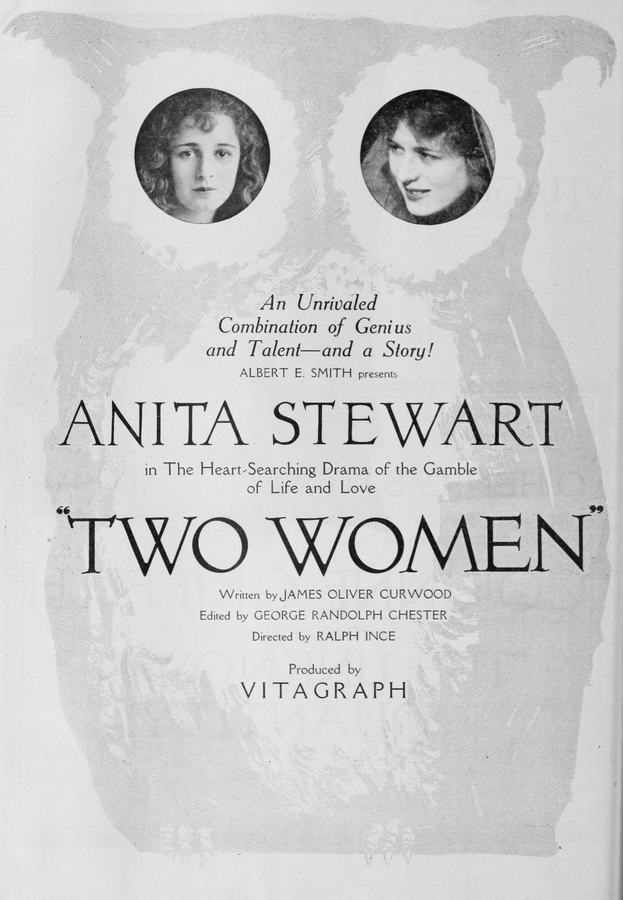
Holding’s portrayal of Philip is chillingly effective. He is not a mustache-twirling villain but a man driven by a twisted sense of love and entitlement, making his actions all the more insidious. His character serves as a stark reminder of how easily trust can be exploited and how good intentions can be perverted by selfish desires. The film delves into the psychological complexity of these characters, moving beyond simplistic portrayals of good and evil. Philip's actions, while reprehensible, stem from a deep-seated longing, adding layers to the melodrama. This kind of nuanced villainy, driven by internal conflict rather than pure malice, was a hallmark of the more sophisticated silent dramas, distinguishing them from simpler morality plays like Was He a Coward?, which often presented more straightforward moral dilemmas.
The divorce proceedings are swift and brutal, culminating in John gaining custody of 'Sonny Boy' and subsequently marrying Rita. Margaret is left adrift, her life irrevocably altered. The emotional weight of this loss is palpable, conveyed through Rosemary Theby’s masterful expressions of grief and despair. Her transformation from a heartbroken wife to a resilient, self-sufficient woman who trains as a nurse is a testament to her inner strength, a quiet defiance in the face of overwhelming adversity. This period of Margaret's life, though perhaps briefly depicted, is crucial for her character arc, showing her capacity for growth and independence beyond her marital identity. It highlights the then-radical idea that a woman, even a wronged one, could forge a new path for herself.
The narrative reaches its emotional apex when 'Sonny Boy' falls gravely ill. In a twist of fate, Margaret, now a skilled nurse, is summoned to care for him, unaware of the patient's identity until she arrives. This moment is a powerful convergence of her personal tragedy and her newfound professional purpose. Her devotion, both maternal and professional, becomes the sole catalyst for the boy’s recovery. Ben Alexander, as 'Sonny Boy,' manages to evoke immense sympathy, his innocent suffering serving as a potent emotional fulcrum for the entire drama. It is through his illness that John is forced to confront the true extent of his abandonment and the profound mistake he has made. The scenes of Margaret nursing her son back to health are imbued with a tender urgency, showcasing the unbreakable bond between mother and child, a theme that transcends the specific circumstances of the plot. This dramatic device, where the child's illness brings about a reckoning, is a classic melodramatic trope, but in 'Tangled Threads,' it is executed with such heartfelt sincerity that it feels earned, rather than contrived. The juxtaposition of Margaret's professional detachment and her innate maternal love creates a compelling internal conflict that Theby handles with grace.
The success of 'Tangled Threads' rests heavily on the shoulders of its talented ensemble, who, without the benefit of spoken dialogue, convey a universe of emotion through their physical presence and facial expressions. Rosemary Theby, as Margaret, delivers a performance of remarkable depth and nuance. Her journey from blissful wife to heartbroken divorcee, then to determined professional, and finally to a woman capable of forgiveness, is depicted with an authenticity that makes her suffering and triumphs profoundly relatable. Her eyes, in particular, are incredibly expressive, capable of conveying everything from quiet despair to fierce maternal resolve. She embodies the strength and vulnerability of the era's heroines, a lineage that includes other powerful female portrayals in films like The Hidden Pearls.
Nigel Barrie's portrayal of John Rutherford Wayne is equally compelling. He masterfully navigates the character's descent into infidelity and his subsequent, agonizing climb back towards remorse and understanding. Barrie avoids making John a one-dimensional villain, instead showing a man flawed but capable of growth. His eventual realization of his error, sparked by 'Sonny Boy’s illness and Margaret's unwavering care, is depicted with a quiet dignity that prevents it from feeling rushed or unearned. Thomas Holding, as the manipulative Philip Northrop, is perfectly cast. He brings a sinister charm to the role, making Philip's actions all the more chilling because they are rooted in a perverse form of affection. Holding’s subtle shifts in expression, from feigned concern to calculating malice, are a masterclass in silent film acting. His performance is a crucial counterpoint to the more sympathetic leads, driving much of the film's conflict.
'Tangled Threads' is more than a mere tale of marital strife; it's a profound meditation on the themes of infidelity, sacrifice, and the transformative power of forgiveness. The film meticulously explores the ripple effects of selfish actions, showing how one man's momentary lapse in judgment can devastate an entire family. It delves into the nature of true love – not a fleeting passion, but an enduring commitment tested by adversity. Margaret's journey, in particular, highlights the theme of selfless love and maternal devotion, portraying her as an icon of resilience and moral fortitude. Her capacity to forgive John, even after the immense pain he has inflicted, underscores a powerful message about the possibility of redemption and second chances, a theme often explored in melodramas of the era, though rarely with such raw emotional honesty. This resonates with the redemptive arcs seen in films like The Monk and the Woman, which also explored moral failings and the path to spiritual or personal atonement.
The film also serves as a fascinating historical document, reflecting societal attitudes towards divorce and remarriage in the early 20th century. While divorce was becoming more common, it still carried a significant social stigma, especially for women. Margaret's decision to become a nurse, therefore, is not just a plot device but a statement of independence and self-reliance in an era where such choices for women were often fraught with societal judgment. The dramatic tension is masterfully crafted, maintaining audience engagement through its emotional peaks and valleys. The writers, Fred Myton and Maie B. Havey, demonstrate a keen understanding of human psychology, crafting a narrative that feels both grand in its emotional scope and intimate in its portrayal of personal struggle. Their script avoids cheap sentimentality, opting instead for a genuine exploration of suffering and growth.
The film's climax is a powerful and shocking resolution to Philip's destructive machinations. Realizing the futility of his efforts to win Margaret, and perhaps consumed by guilt or despair, Philip makes a desperate, final choice. He decides the only way out is to take his own life and that of Rita, who has been an unwitting pawn in his game, during a reckless 'joyride.' This sudden, violent end to the antagonists is a dramatic jolt, reinforcing the tragic consequences of unchecked obsession and moral compromise. It clears the path, both literally and figuratively, for Margaret and John to finally confront their past and forge a new future. The film does not shy away from the darker aspects of human nature, making Philip's desperate act a chilling, yet narratively impactful, conclusion to his arc. Such a dramatic and morally ambiguous ending, while characteristic of some melodramas like Satana likuyushchiy, still manages to surprise and provoke thought.
With the obstacles of Rita and Philip removed, Margaret and John are left to reconcile, their reunion not one of immediate passion but of quiet understanding and profound forgiveness. It is a reconciliation born out of shared suffering and a renewed appreciation for the sanctity of family. The film concludes on a note of hope, suggesting that even the most fractured bonds can be mended through empathy, sacrifice, and the enduring power of love. Their final reconciliation is not a return to a naive past, but a step forward into a future built on lessons learned and a deeper, more mature understanding of commitment. This hard-won peace provides a satisfying, albeit emotionally exhausting, conclusion to their turbulent journey, leaving the audience with a sense of catharsis.
The structural integrity and emotional depth of 'Tangled Threads' owe much to the collaborative vision of its writers, Fred Myton and Maie B. Havey. Their ability to craft a narrative that is both intensely dramatic and deeply human is commendable. They understood the power of visual storytelling, employing intertitles judiciously to advance the plot and convey dialogue, while allowing the actors' performances to carry the bulk of the emotional weight. The pacing of the film, from the slow burn of initial betrayal to the rapid escalation of conflict and the poignant resolution, is expertly managed, ensuring that the audience remains fully invested in the characters' fates. The film’s visual aesthetic, characteristic of early cinema, likely utilized expressive lighting and carefully composed shots to enhance the emotional impact, further solidifying its place as a significant work from the period.
'Tangled Threads' stands as a powerful testament to the artistry and emotional resonance of silent cinema. Its exploration of universal themes – love, betrayal, regret, and forgiveness – ensures its continued relevance. For enthusiasts of classic film and those seeking to understand the foundations of cinematic storytelling, this film offers a compelling and deeply moving experience, proving that some stories, even without a single spoken word, can echo across generations with profound clarity.
IMDb 5.9
1929
Community
Log in to comment.