Summary
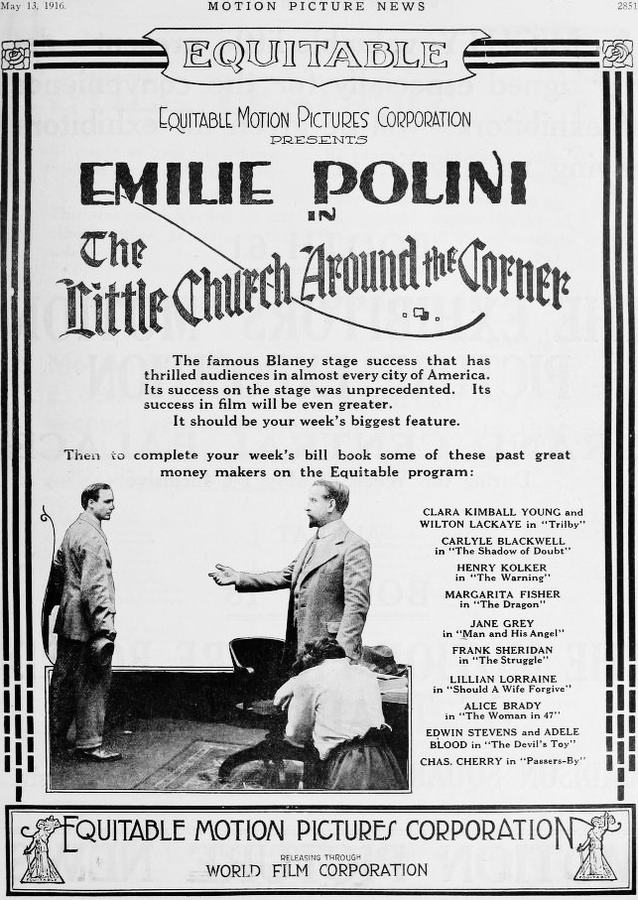
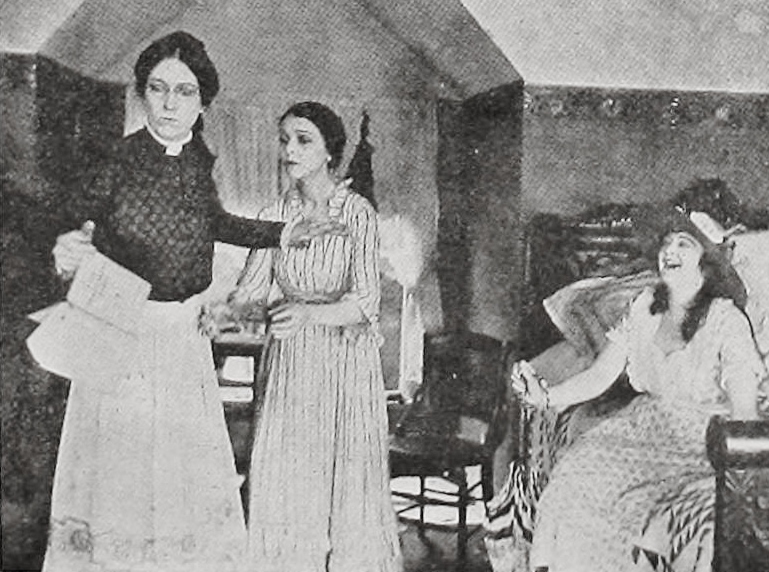
In a searing melodrama of betrayal and redemption, a spurned suitor, his heart a crucible of unrequited affection and simmering resentment, orchestrates a meticulously cruel vendetta. Witnessing his beloved's ill-fated union with a man ensnared by the tendrils of morphine addiction, the jilted admirer waits for the birth of their child. With a chilling precision, he then weaponizes the father's debilitating habit, reporting the couple to the authorities as demonstrably unfit parents. This calculated act precipitates their agonizing institutionalization, clearing the path for the antagonist to pursue legal custody of their infant daughter, a child destined to inherit a considerable fortune. Yet, the narrative refuses to be confined to such cynical machinations. A desperate escape from the asylum by the beleaguered parents ignites a fervent quest for reclamation. The husband, through sheer force of will and an unwavering desire for his family, confronts and ultimately vanquishes his addiction. Armed with newfound sobriety and an unassailable proof of their parental fitness, the couple valiantly reclaims their child, culminating in a poignant, cathartic pilgrimage to the humble church where their vows were once exchanged, now a beacon of their enduring spirit.
Synopsis
Rejected by his sweetheart, who marries a drug addict, the ex-suitor decides to gain some revenge. After the birth of their daughter, the man reports the couple to the authorities as unfit parents because of the father's morphine habit. Then, when both parents are placed in an asylum, he goes to court to win possession of their child, who will inherit a fortune. The parents escape from the asylum, however, and then the husband cures himself of his addiction. Now able to prove their fitness, the couple is allowed to take back their baby, after which they go to give thanks at the small church where they were married.
Review Excerpt
"
Stepping into the cinematic landscape of the early 20th century, one often encounters narratives steeped in fervent emotion, stark moral dilemmas, and the kind of dramatic sweep that only the silent era could truly master. The Little Church Around the Corner, a film whose very title evokes a sense of quaint serenity, belies the tempestuous human drama raging beneath its surface. This is not a gentle stroll through pastoral fields but a bruising journey into the darker recesses of h..."