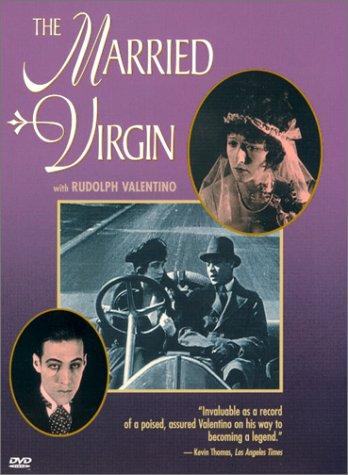
An already engaged young woman is blackmailed into marrying a count in order to save her father from imprisonment..
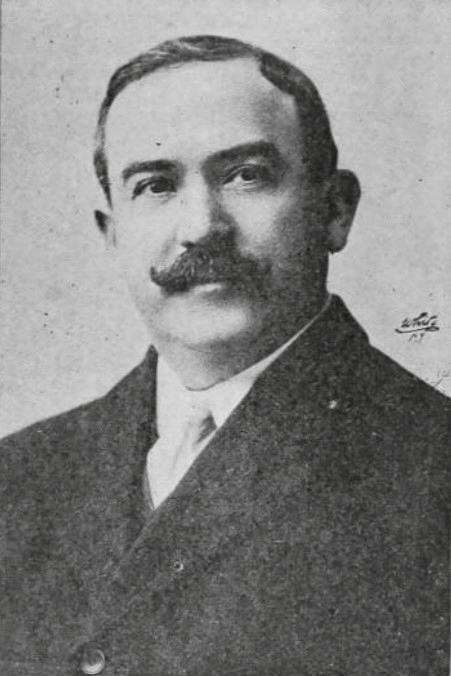
Hayden Talbot
United States
a{color:#EAB308;text-decoration:none;border-bottom:1px dotted #EAB308;} a:hover{color:#C2410C;border-bottom-style:solid;} blockquote{margin:1.5em 0;padding:0 1em;border-left:3px solid #0E7490;font-style:italic;} Picture, if you can, a world where stock exchanges still smelled of ink wet from copperplate press...

still_frame
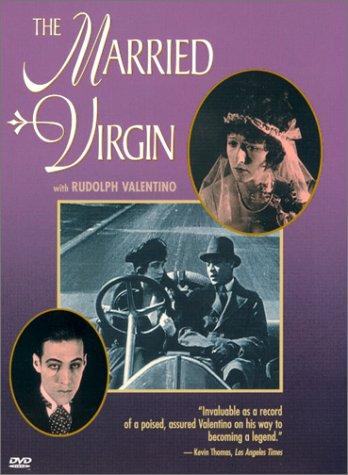
product
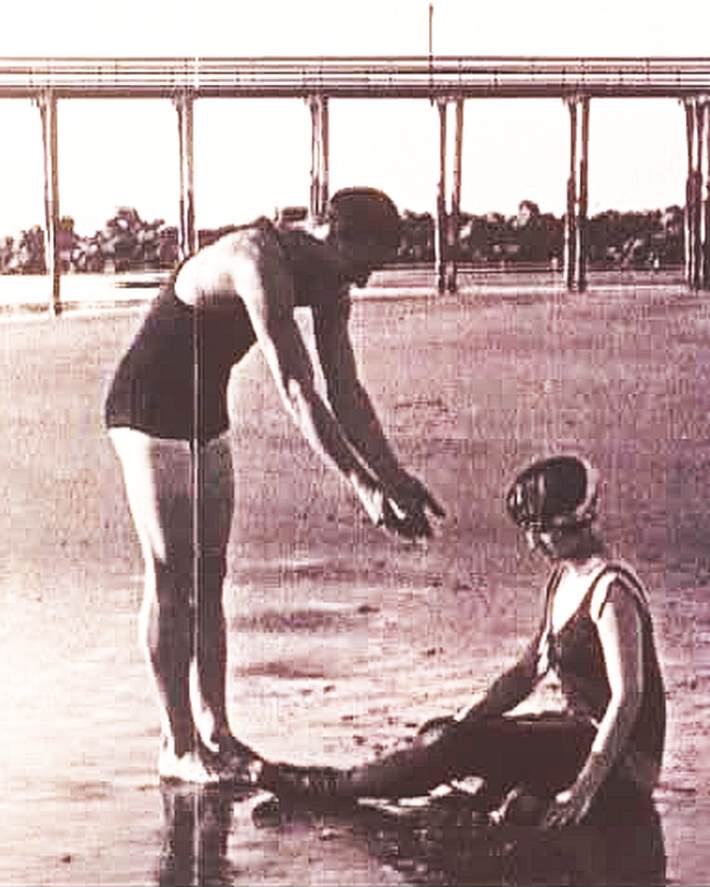
still_frame
Community
Log in to comment.
" a{color:#EAB308;text-decoration:none;border-bottom:1px dotted #EAB308;} a:hover{color:#C2410C;border-bottom-style:solid;} blockquote{margin:1.5em 0;padding:0 1em;border-left:3px solid #0E7490;font-style:italic;} Picture, if you can, a world where stock exchanges still smelled of ink wet from copperplate presses, where telegrams arrived like miniature lightning bolts on silver trays, and where a woman’s signature on a marriage register could function as legal tender redeeming her father..."
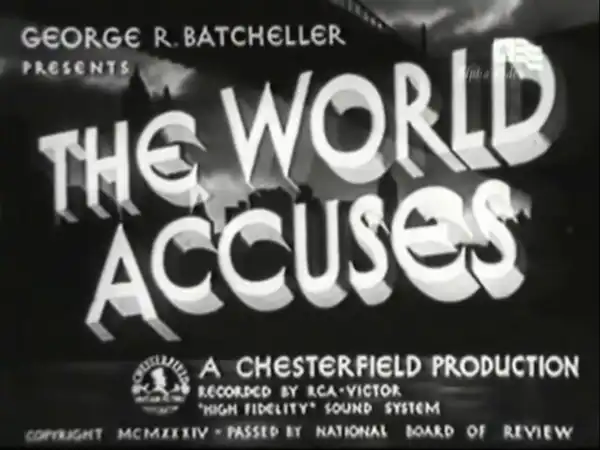
Deep dive into the cult classic
Discover similar cinematic experiences
A Directorial Spotlight on Joseph Maxwell