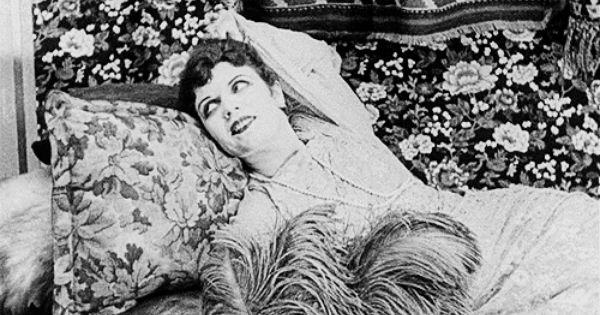
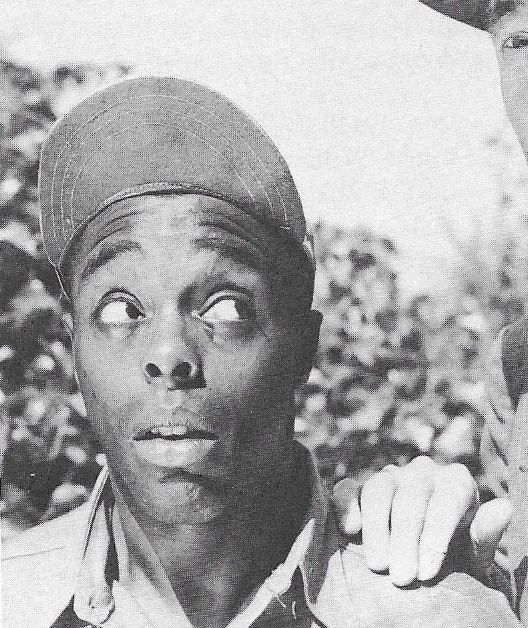
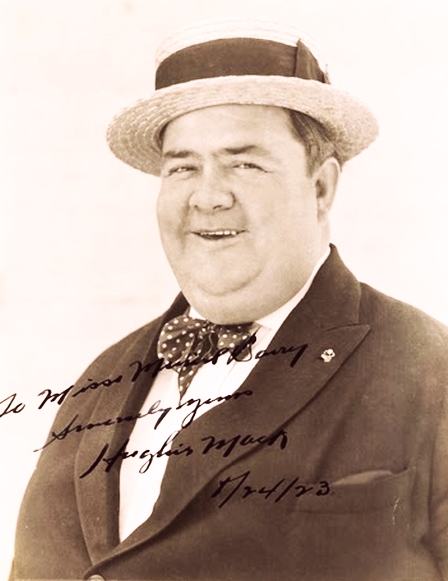
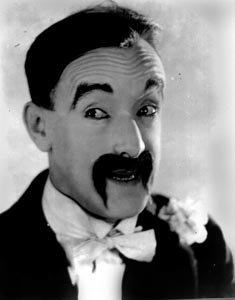
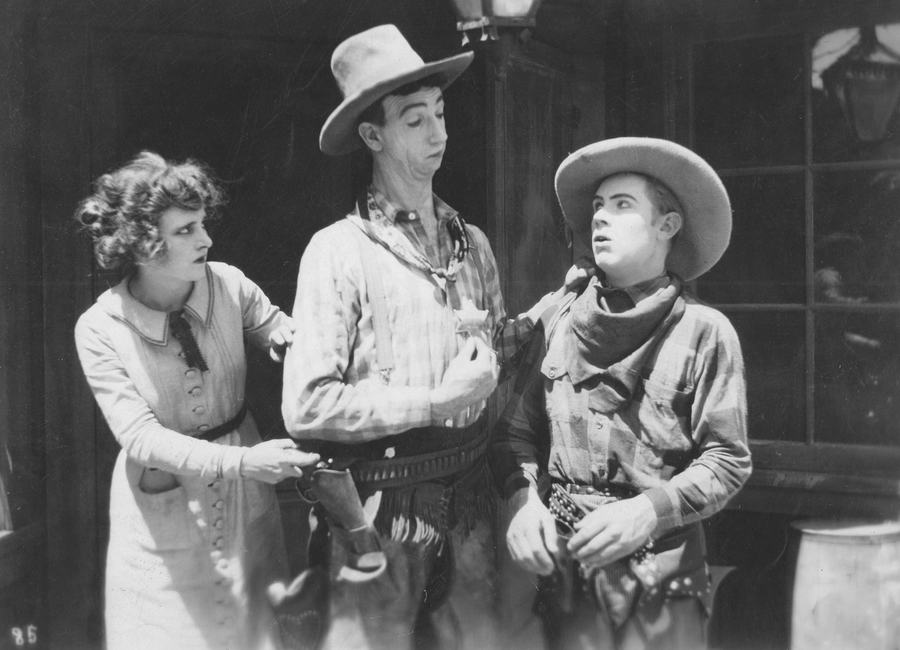
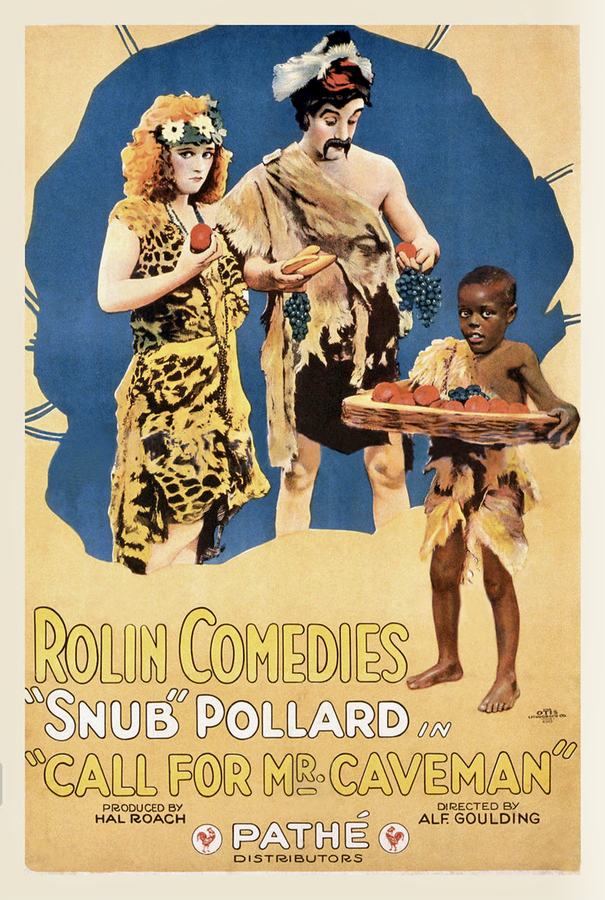
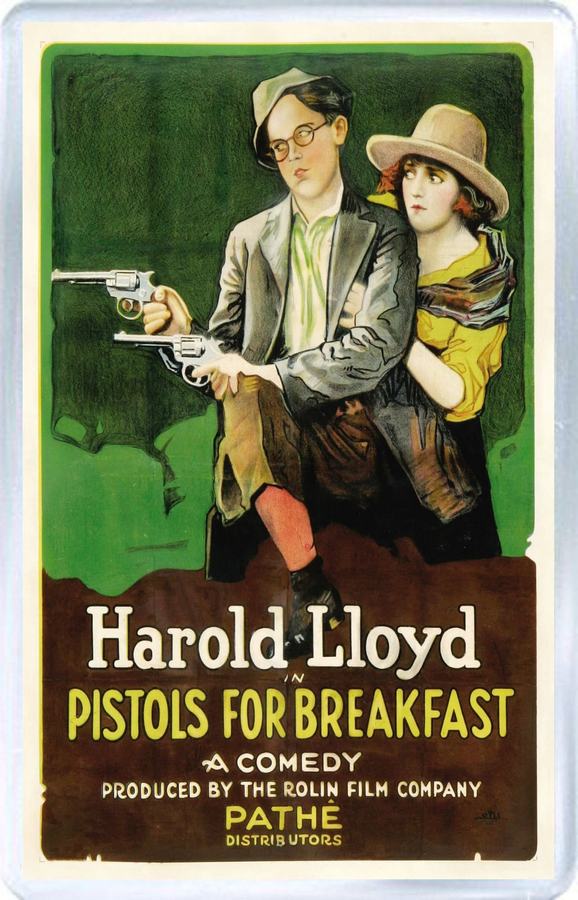
Two young men appear on the morning after a big party, in the toughest street in town. The tough policeman keeps them on the move, and is always on the job when the two are on the point of getting away with something.
.highlight { color: #EAB308; } .accent { color: #C2410C; } .subtle { color: #0E7490; } .bg { background-color: #000000; color: #FFFFFF; padding: 20px; }In the shadow of early Hollywood’s golden era, The Morning After emerges as a testament to the era’s unflinching ability to craft tension from silence. Directed by the ...
Comparing the cinematic DNA and archive impact of two defining moments in cult history.
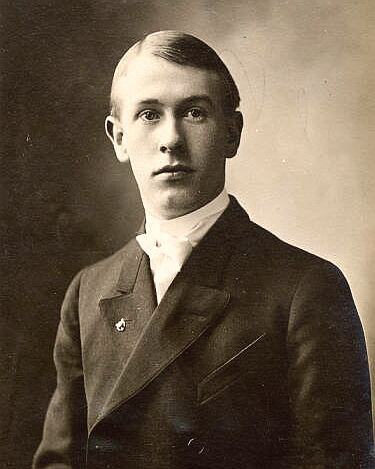
Alfred J. Goulding
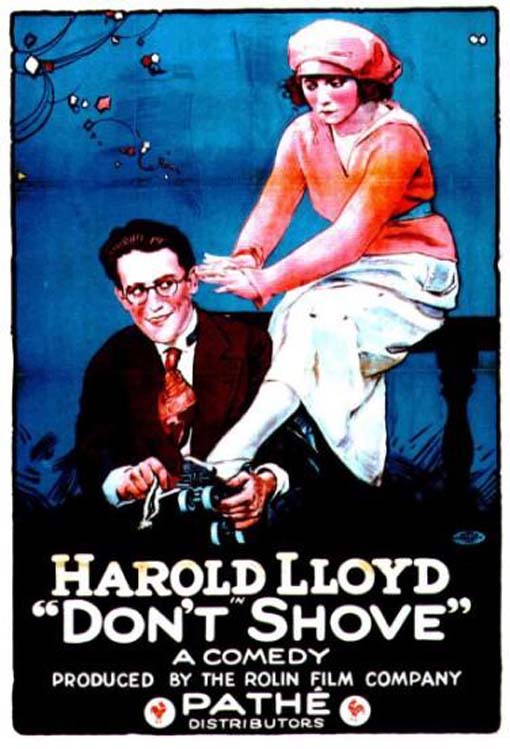
Alfred J. Goulding
Community
Log in to comment.
".highlight { color: #EAB308; } .accent { color: #C2410C; } .subtle { color: #0E7490; } .bg { background-color: #000000; color: #FFFFFF; padding: 20px; }In the shadow of early Hollywood’s golden era, The Morning After emerges as a testament to the era’s unflinching ability to craft tension from silence. Directed by the legendary Hal Roach, this 1929 silent film is a masterclass in visual storytelling, where the absence of dialogue only amplifies the cacophony of urban chaos. The film’s narrative,..."
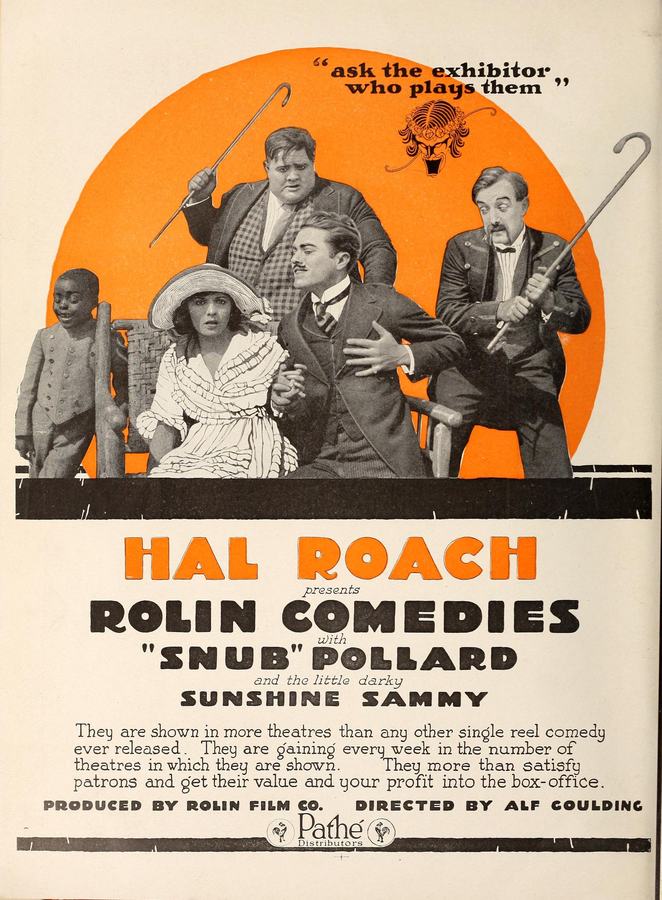
'Snub' Pollard
Hal Roach
United States
Deep dive into the cult classic
Discover similar cinematic experiences
A Directorial Spotlight on Alfred J. Goulding