DbcultAccessing Vault...
6.9/10
Senior Film Conservator
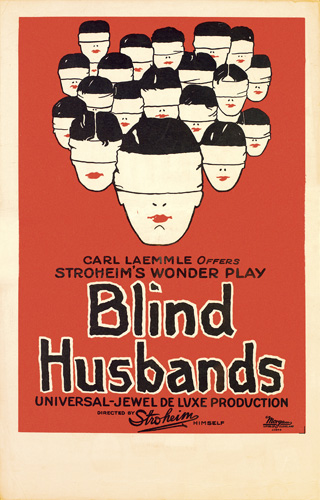
A definitive 6.9/10 rating for a film that redefined the boundaries of cult cinema. Blind Husbands remains a cornerstone of transgressive art.
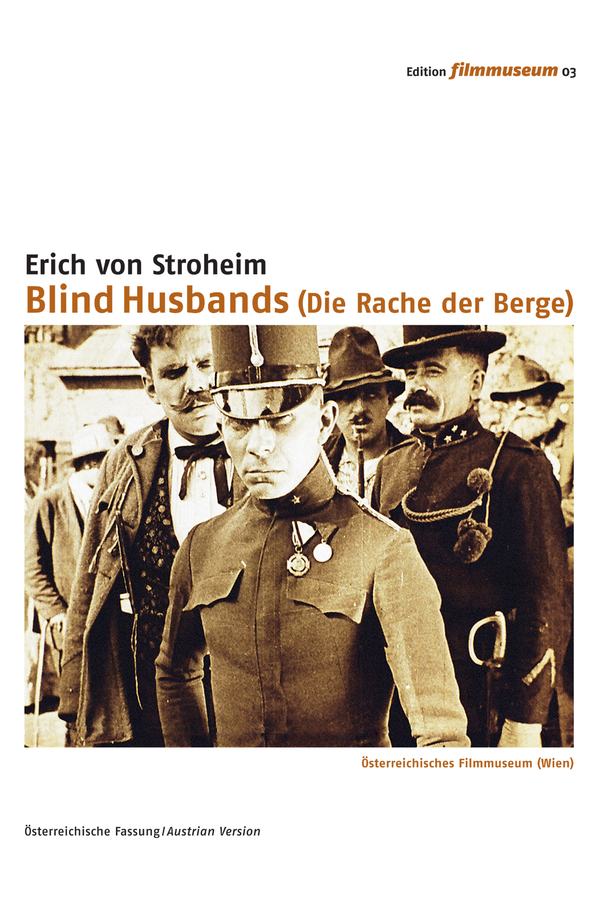
Von Stroheim’s directorial debut operates like a surgeon’s scalpel, dissecting the anatomy of seduction with clinical precision. The Dolomites aren't merely scenery but a primordial courtroom where bourgeois morality faces the avalanche of repressed yearning. Notice how Von Steuben’s introductory scene—buffing his nails before a mirror—creates an immediate dialectic between narcissism and the performative nature of desire. This isn't the cartoonish villainy of later melodramas; it's the chilling spectacle of a sociopath who catalogues human weakness like a philatelist organizing rare stamps.
Francelia Billington’s Margaret radiates the fragile luminosity of a gas lamp flickering in a draft. Her performance transcends the era’s tendency toward pantomime; observe the micro-tremors in her hands when Von Steuben 'accidentally' brushes against her at the inn’s stairwell. The film weaponizes domestic objects—a misplaced glove, an embroidered handkerchief—as silent conspirators in Von Steuben’s campaign. Crucially, Margaret’s temptation stems not from lust but from the suffocating void left by her husband’s professional arrogance. Dr. Armstrong (Sam De Grasse) ignores her with the same detached focus he applies to his mountaineering maps—a negligence Stroheim frames through compositions that physically isolate Margaret in doorways and windows while the men dominate foreground spaces.
As actor-writer-director, Stroheim crafts a triptych of creative control unprecedented in 1919. His Lieutenant Von Steuben moves with the controlled tension of a watch spring—every gesture calibrated for psychological impact. Watch how he adjusts his monocle while discussing mountain fatalities; the prop becomes both armor and weapon. Unlike later The Splendid Sinner's romanticization of infidelity, Stroheim presents seduction as a militarized operation. The Austrian’s campaign unfolds in three phases: reconnaissance (studying the couple’s dynamic), siege (flooding Margaret’s solitude with attention), and psychological artillery (undermining the doctor’s authority). This structural rigor anticipates the fatalism of Ozu’s domestic tragedies.
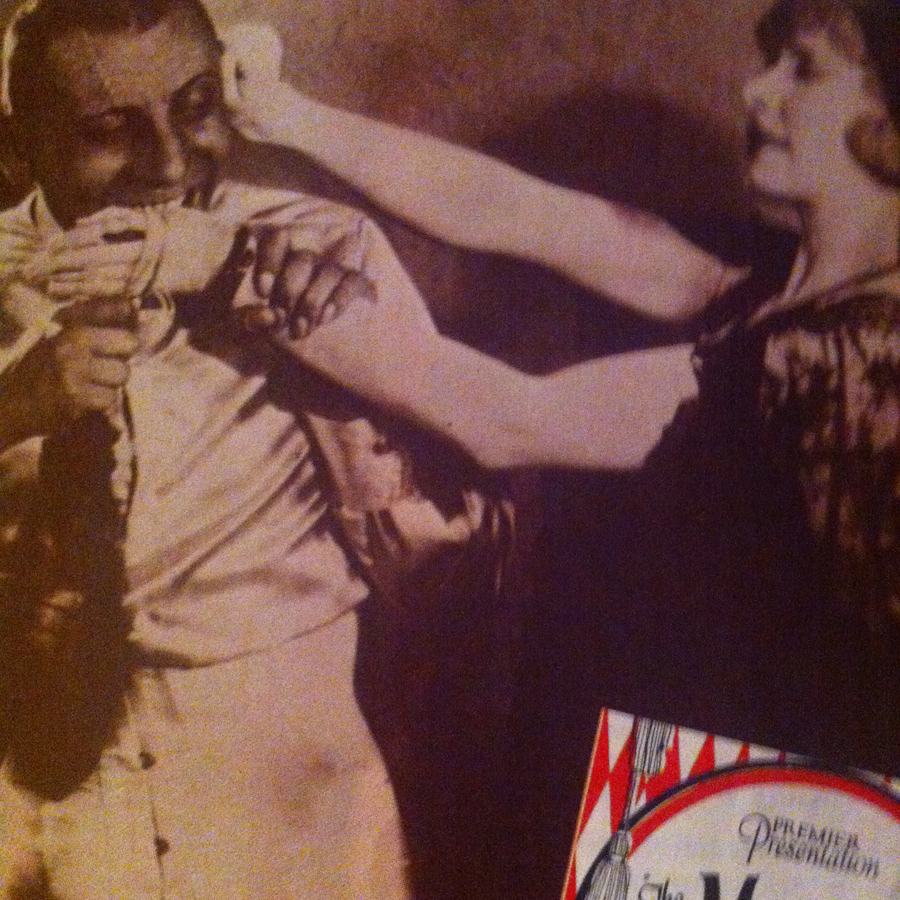
The mountain village isn’t backdrop but expressionistic manifestation of emotional states. Cinematographer Ben F. Reynolds shoots the peaks as jagged teeth biting at the heavens—nature’s indifference to human dramas. When Margaret considers adultery, swirling mists envelop the valley like moral confusion made visible. The infamous 'Needle' ascent sequence employs vertiginous Dutch angles that transform the climb into a Kafkaesque trial. Compare this to the flat studio-bound melodramas of its era, like The Make-Believe Wife, and you grasp Stroheim’s revolutionary instinct for environmental storytelling. Even the thick Alpine woolens become metaphors—the characters are swaddled in social constraints, struggling to breathe.
Gibson Gowland’s grotesque innkeeper serves as the film’s chthonic chorus—a corpulent, leering presence who vocalizes what 'respectable' characters repress. His crass advances toward the maid (Ruby Kendrick) mirror Von Steuben’s polished predation, suggesting a universal male id beneath cultural veneers. Meanwhile, Fay Holderness as the worldly Frau von Haller offers the film’s most subversive commentary. Her amused detachment during the seduction drama—knitting while emotional tempests rage—positions her as Stroheim’s silent critic of bourgeois hypocrisy. The absence of moral outrage in her performance subtly indicts a society that polices women’s desires while excusing men’s transgressions.
Stroheim’s granular focus on marital corrosion foreshadows Bergman’s Scandinavian frost, yet his surgical detachment aligns closer to Shakespearean tragedy in its inexorable march toward ruin. The film’s exploration of sexual politics resonates unexpectedly with Without Honor, though Stroheim rejects later cinema’s tendency toward feminine vilification. Margaret’s near-fall feels less like weakness than understandable starvation—a nuance lost in contemporaneous moralistic thrillers like The Coquette. Even the military antagonist archetype evolves here; Von Steuben lacks the mustache-twirling villainy of The White Terror's caricatures, embodying instead the banality of aristocratic entitlement.
Modern audiences may underestimate the film’s revolutionary restraint. Stroheim understands that eroticism lives in anticipation—the glance held three seconds too long, the gloved finger tracing a wine glass rim. When Margaret discovers Von Steuben’s love note hidden in her Baedeker guidebook, the moment throbs with more tension than any contemporary sex scene. This mastery of implication shames the heavy-handed morality tales dominating 1919, like A Magdalene of the Hills. The director weaponizes societal censorship, forcing creativity that renders the unsaid deafening. Unlike Beloved Rogues' comedic flirtations, every gesture here carries existential weight.
A century later, the film’s power derives from its refusal of easy catharsis. Dr. Armstrong’s last-minute redemption feels earned not through heroism but through humiliating self-recognition—his tears on the mountain confessional more unsettling than triumphant. Margaret’s return to marital stability rings hollow, her smile at the finale brittle as Alpine ice. Stroheim implicates the audience too; we’re complicit voyeurs like the village gossips whispering behind lace curtains. In an era of propagandistic flag-wavers like Our Filipino Fighting Force or Liberty Loan ephemera, this unflattering mirror to bourgeois marriage was incendiary. The film predates German Expressionism’s crescendo yet anticipates its psychological depth, lacking only Rübezahls Hochzeit's fantastical distortions because Stroheim found sufficient horror in realism.
All Stroheim’s future obsessions gestate here: the corrosive power of desire, the performativity of social roles, the grotesquerie lurking beneath elegance. His framing—often placing characters at diagonal conflicts within the shot—creates visceral unease without manipulative editing. Unlike the sentimental paternalism of His Father’s Son, Stroheim offers no comforting patriarchal resolution. Even the intertitles bite with ironic precision ('The mountains are free to all—but not the women'). This debut remains essential viewing not as a relic but as a living, breathing autopsy of matrimonial disintegration—a masterpiece that stares unblinking into the abyss while lesser films, then and now, turn away to offer platitudes.
IMDb —
1920
Community
Log in to comment.