DbcultAccessing Vault...
Cult Review
Senior Film Conservator
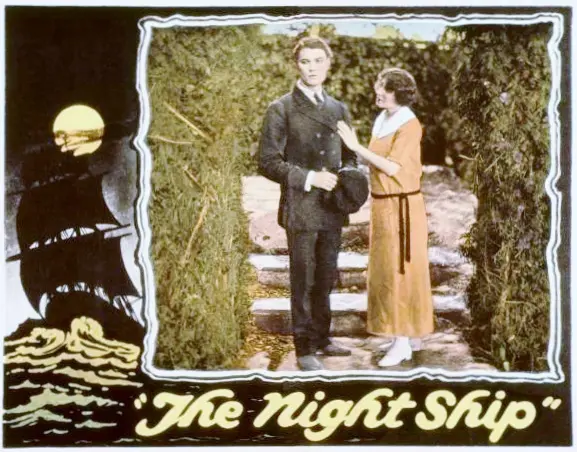
Short answer: Yes, but only if you appreciate the raw, unpolished grit of 1920s maritime thrillers. This film is for the dedicated cinephile who finds beauty in the shadows of silent-era melodrama; it is absolutely not for those who require the fast-paced, CGI-driven spectacle of modern action cinema.
The 1920s were a transformative decade for the silver screen, often oscillating between high-art expressionism and the grounded, salt-of-the-earth dramas that appealed to the working class. The Night Ship falls firmly into the latter category. It doesn't attempt to be high art like The Phantom Carriage; instead, it focuses on the visceral, human emotions of loss and the burning desire for justice. This film works because the stakes are personal and immediate, grounded in the tangible tragedy of a stolen life.
If you are looking for a historical document that captures the transition from simple storytelling to more complex, multi-layered narratives, then The Night Ship is essential viewing. It manages to balance a heavy emotional core with a surprisingly tense second half. However, if you find the broad gestures and theatricality of silent acting to be a barrier, you might find the first act a bit of a slog. It requires a certain level of patience to get past the initial setup of Bob Randall’s return.
The film succeeds in making the viewer feel the weight of Bob’s six-year absence. Unlike the more whimsical survival seen in The Adventures of Robinson Crusoe, Bob’s survival has left him hollowed out. You should watch it if you enjoy the 'man out of time' archetype and want to see one of the better examples of silent-era practical effects in its final act.
Willis Marks brings a certain weary dignity to Bob Randall. In the scene where he first learns of his mother’s death, Marks avoids the typical over-the-top weeping of the era. Instead, he opts for a localized, simmering rage that feels much more modern. It is a performance that anchors the film, preventing it from floating away into pure camp. This is contrasted sharply by Tom Santschi’s Jed Hobbs. Santschi plays the heavy with a sneer that feels carved from granite. He is the quintessential villain—a man who uses his power on the sea to exert control over the land.
The chemistry between the two during their fight at the village inn is surprisingly physical. Unlike the choreographed dances of modern fights, this feels like a desperate, ugly struggle. The way Bob floors Hobbs isn't just a plot point; it’s a release of six years of accumulated trauma. It reminded me slightly of the raw tension found in The Slave Auction, where the power dynamics are shifted through brute force rather than dialogue.
Henry McCarty’s direction is functional, but it shines during the maritime sequences. The way the ship is shot—often partially obscured by fog or darkness—creates a claustrophobic atmosphere that mirrors Bob’s internal state. The ship isn't just a location; it’s a cage. This film fails because the pacing in the second act drags as they board the ship, with some repetitive sequences of Bob and Jimson Weed sneaking around the deck that could have been tightened in the edit.
However, the use of light in the final explosion sequence is a highlight. When Hobbs drops the lighted match into the powder hold, the frame is consumed by a practical pyrotechnic display that must have been terrifying for audiences in 1925. It’s a moment of pure, destructive catharsis that rivals the tension in The Broken Coin. The cinematography captures the debris and the panic with a level of clarity that was rare for low-budget productions of the time.
One of the more unconventional observations I have about The Night Ship is the inclusion of Jimson Weed, played by Charles Sellon. He provides a much-needed foil to Bob’s grim determination. While the name itself is a bit of 1920s humor, the character serves a vital narrative purpose. He represents the world that Bob is trying to re-enter—a world of camaraderie and simple loyalty.
The smuggling of guns to Central America adds a layer of political intrigue that feels slightly disconnected from the personal revenge story, yet it provides the necessary legal stakes to justify Bob’s actions. It’s a trope we see in many films of this era, such as Whitechapel, where the protagonist must uncover a larger conspiracy to clear their name or achieve their goals. Here, it functions as the bridge between Bob’s personal anger and his ultimate redemption.
Many critics of the era argued that the ending of The Night Ship was too neat. Hobbs dies in the explosion he caused, conveniently leaving the sweetheart a widow and Bob a hero. I would argue, however, that the ending is intentionally nihilistic. Hobbs isn't defeated by Bob in a fair fight; he is consumed by his own recklessness. The ship—the source of his power—becomes his tomb. This isn't a happy ending; it’s a cleaning of the slate. The fact that Bob is reunited with his sweetheart doesn't erase the six years of misery or his mother’s death. It’s a bittersweet conclusion that acknowledges the permanent scars of the past.
"The Night Ship is less about the journey across the water and more about the psychological wreckage left in the wake of a life interrupted."
The Night Ship is a sturdy, well-crafted piece of silent cinema that manages to overcome its melodramatic roots through strong performances and a gripping final act. While it may not have the surrealist beauty of The Phantom Carriage or the lighthearted charm of The Chicken in the Case, it possesses a rugged honesty that is hard to ignore. It is a film about the weight of the past and the violent necessity of letting it go. If you can handle the slower pace of the 1920s, the payoff is more than worth the investment. It remains a fascinating look at how early cinema handled the themes of homecoming and revenge with a surprisingly modern edge.
IMDb —
1926
Community
Log in to comment.