
DbcultAccessing Vault...
Recommendations
Senior Film Conservator
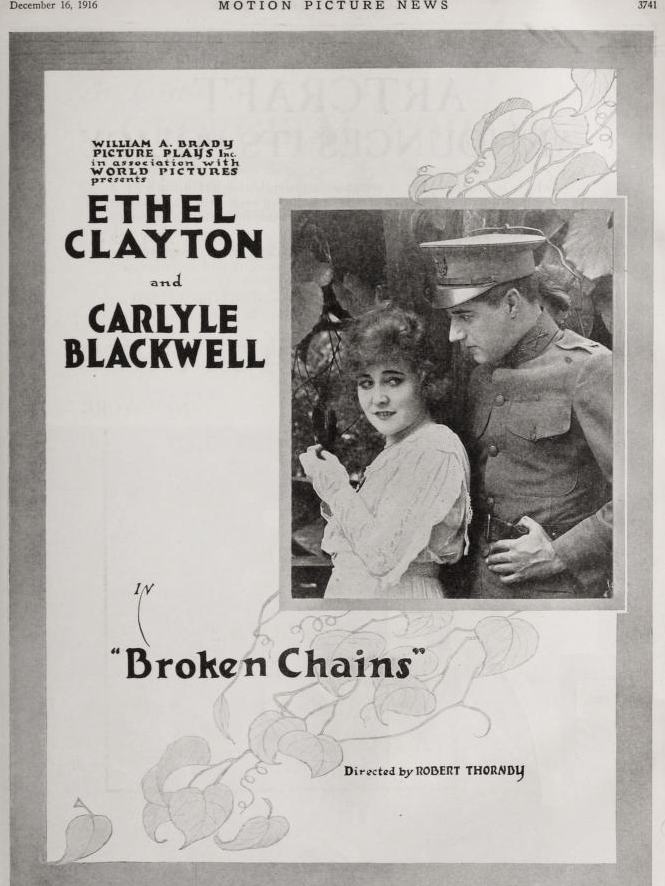
The evocative power of The New South (1916) continues to haunt audiences with its stylistic flair, its status as a United States icon makes it a perfect starting point for discovery. The following gems are essential viewing for anyone captivated by The New South.
The visceral impact of The New South (1916) stems from to serve as a cornerstone for cult enthusiasts worldwide.
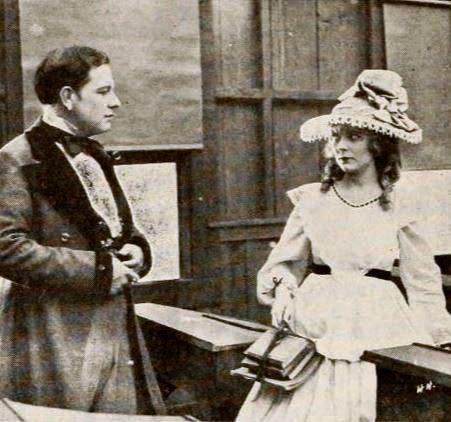
Captain Ford, U.S.A., is sent down south to trail a gang of moonshiners. Jefferson Gwynne, a lovable but rather hot-headed young southerner, believes Ford is aiding the negroes in their political fight against the whites, and as Ford is compelled to keep his mission secret, Jefferson conceives a violent dislike for this agitator as he believes Ford to be, and makes no pretension of concealing his aversion. Georgia Gwynne, Jefferson's young sister, on the other hand, is attracted to the young northerner, and after her saves her in a runaway accident, their friendship develops rapidly, to the dismay of Paul Fitzhugh, Georgia's cousin, who is much in love with her. When Georgia refuses Paul's offer of marriage, he accuses her of being in love with the strange agitator, but she also ignores his remarks and he goes away angry. Jefferson accuses Ford of stirring up the negroes to vote against the whites. Ford tries to quiet the excited boy, but his calmness only tends to heighten Jefferson's anger, and drawing Ford's sword from his scabbard, he begins a fight. Ford defends himself with a piece of wood. A scuffle ensues, and Jefferson falls wounded. Ford rushes to the house for assistance. While he is gone, Sampson, a negro political leader, who hates the Gwynnes, steals up and seeing the wounded boy and the sword lying at his side, is possessed of a demoniacal idea. He seizes the sword, and plunges it into the boy's body. Captain Ford, coming up with Georgia, her father and others, is overcome to find Jefferson dead. Circumstantial evidence points to Ford as the criminal, and despite his vehement protest of innocence, he is led away to prison. Georgia alone believes in him and comforts him with her assurance of faith. Paul, who saw Sampson stab the boy, and knows therefore that Ford is innocent, is torn by conflicting emotions, but his hatred of his rival, and his desire to get him out of the way proves stronger than a sense of justice, and he conceals his knowledge of the crime, and allows Ford to be led away to prison. Despite the unpleasantness of his surroundings in prison. Ford conducts himself bravely and manfully. In defending an old negro against the guard, he incurs the enmity of that official, and in revenge the guard has him whipped by the negro Sampson, who had been in prison for stealing a ballot-box. Angered by this unnecessary indignity, Ford still submits in silence, but that night when the prison catches fire, he seizes the opportunity to escape, and is trailed by the guards with dogs to Georgia's home. Georgia scarcely recognizes in this worn, haggard prisoner, the man whom she loves, but she receives him gladly, and struggles hard to conceal him from the guard. Her efforts, however, are futile; the door is broken in and Ford dragged out. Georgia has read that an individual can lease any convict he or she may desire, by applying to the Governor for a permit, and she determines now to make use of this knowledge. By clever maneuvering, she manages to detain the arresting party, white she rushes a messenger to the Governor, with an application for the releasing of Ford. Just as the guards are ready to lead Ford away, the messenger returns with the permit, signed by the Governor, and Georgia demands that the prisoner be turned over to her. Ford finds his new captivity much to his liking, and the affection between captor and captive rapidly grows. The old negro, whom Ford defended in prison, is released, and hurries to Col. Gwynne. to toll him the real truth about the murder; how Sampson, talking in his sleep, revealed how he seized the sword and killed Jefferson. By a clever re-enactment of the murder scene, Sampson is led to confess the truth. Ford is cleared, and he and Georgia are happy in each other's love.
Critics widely regard The New South as a cult-favorite piece of cult cinema. Its stylistic flair is frequently cited as its strongest asset, solidifying its place in United States's film legacy.
Based on the unique stylistic flair of The New South, our vault has identified these titles as the most compelling follow-up experiences for fans of cult cinema:
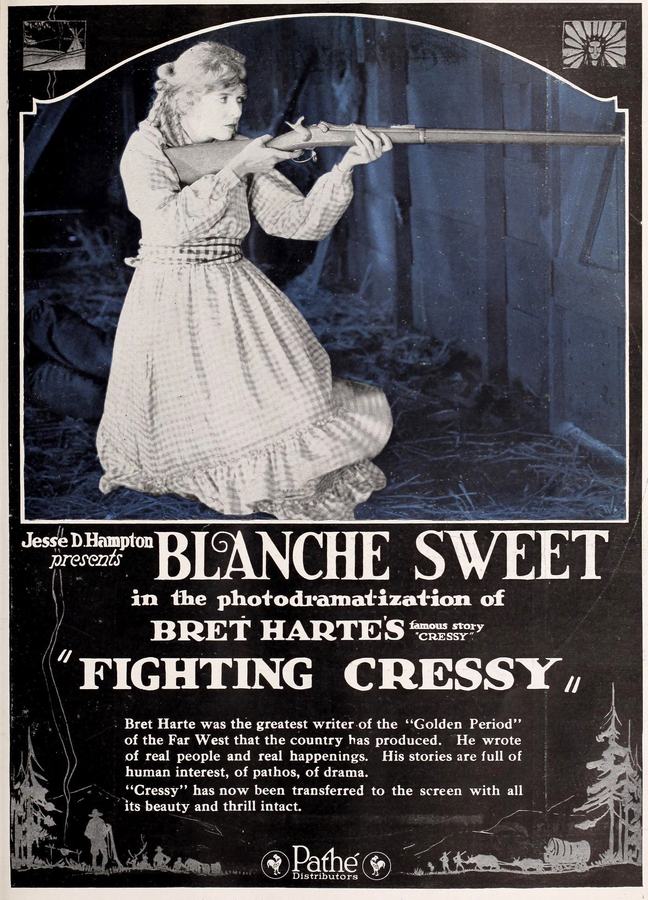
Dir: Robert Thornby
A feud over boundaries between the McKinstry and Harrison families, both from Kentucky, but squatting in California in search of gold, has caused Cressy McKinstry to show disdain for Joe Masters, a cousin of the Harrisons, even though she secretly loves him. Nellie Dabney, who left her husband Ben for city-bred John Ford but then was deserted by him, returns and is rejected by Ford, who is now the schoolteacher of the settlement and is attracted to Cressy. After Ben fights Ford and takes Nellie back, Cressy schemes with Ben for him to buy the land in her name. A San Franciscan representative of the legal owner arrives to take possession and provokes a fight at the boundary line which leaves Joe with a bullet in his arm. Cressy proves that the land belongs to her and Joe, who she will soon marry, and the families are reconciled.
View Details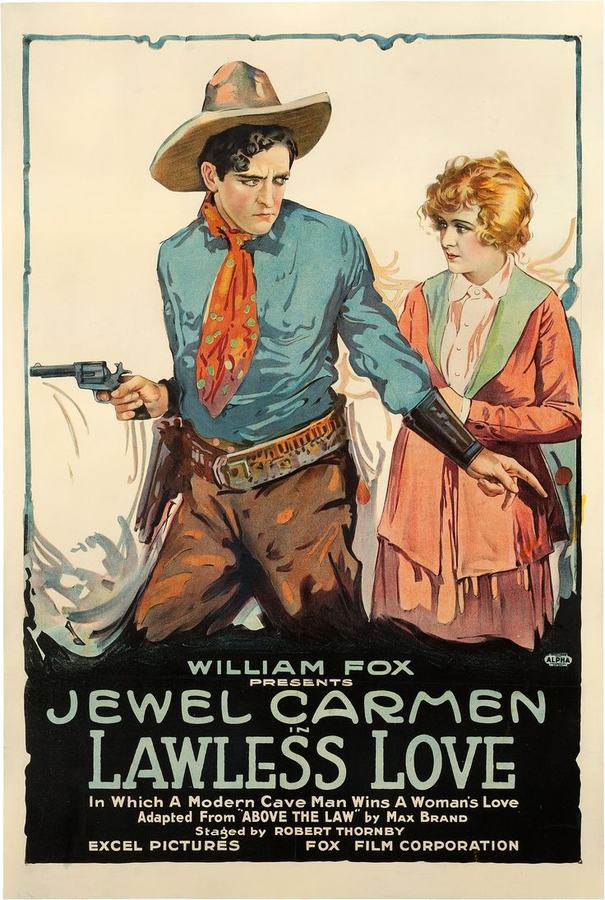
Dir: Robert Thornby
Vaudeville artist LaBelle Geraldine and her dancing partner Freddie Montgomery are stranded in Arizona when their troupe breaks up. In order to raise money, Geraldine orders Freddie to impersonate masked bandit Black Jim so that she may turn him in and collect the $2,000 reward. When the real Black Jim holds up her coach, Geraldine, believing that he is Freddie, boldly pulls out her gun, and the bandit shoots her in the wrist and takes her to his cabin. Later Freddie is captured too, but when members of the gang insult Geraldine, he refuses to protect her. Gradually Black Jim falls in love with her, and she comes to admire him so deeply that instead of seizing a chance to escape one night, she returns to warn him of the gang's plot to kill him. Together they hold the gang off until their cabin is set on fire. Dashing through the flames, they leap onto their horses and escape to safety.
View Details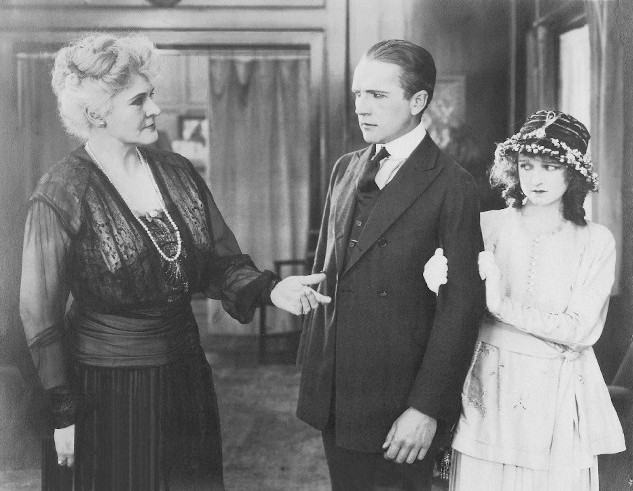
Dir: Robert Thornby
Susie is the daughter of a very good bricklayer. The lad who loves her is a very rich lad, as all lads should be, but, alas are not. To win her, he poses as a hod-carrier, certainly an unromantic disguise for a wooer. His mother has social aspirations for him, with Newport as a base of action, but what cares he? He loves the bricklayer's daughter. Is it not simple? It is. Simple, but sweet. Later Susie gets rich by means of a legacy, and the bricklayer's family moves into opulent quarters. Then sweet Susie is elegantly-gowned, but no happier. What are mere dollars to sweet Susie? The main situation in which Susie figures is one of finance. Seeing that dollars mean unhappiness, she plans to induce her father to invest in the stock market and to let him believe that he has lost all. This scheme succeeds in bringing the picture to its ideal end, and Susie marries the lad who posed as the hod-carrier. - Picture Play Magazine 1917.
View Details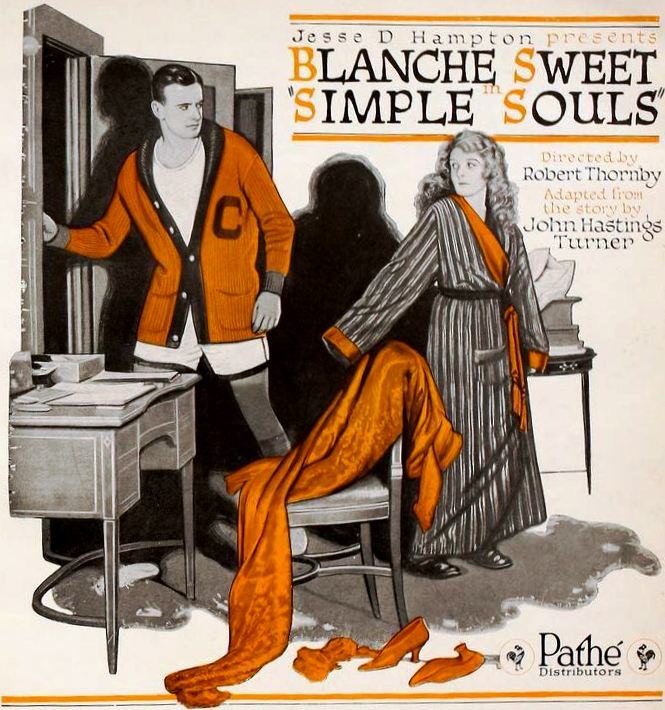
Dir: Robert Thornby
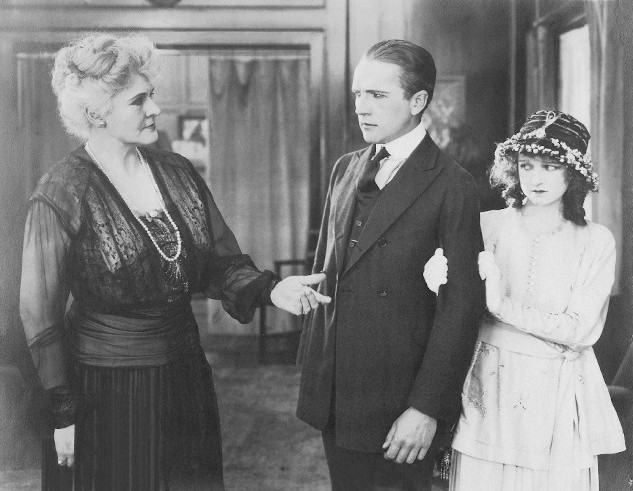
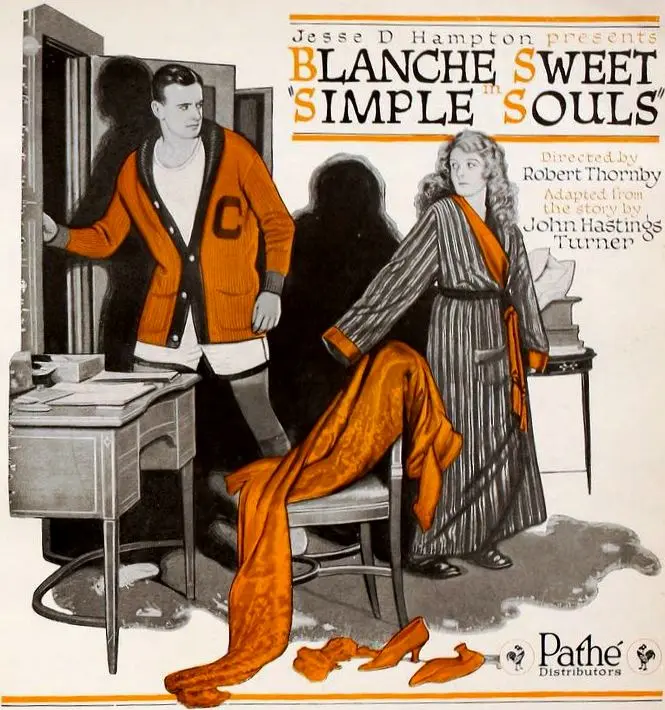
When the Duke of Wynninghame, a "simple soul" who prefers science to royalty, meets Molly Shine, a London shop girl, he is enthralled by her love of books and begins to send her two pounds weekly so that she can purchase the books that she adores. Molly's mother discovers the money and, assuming that the duke is paying her daughter for immoral reasons, drags the girl to the duke's home, where she charges him with seduction. The duke good-naturedly agrees to marry Molly, and then ignores her. Molly loves her husband, but his neglect, coupled with the enmity of Octavia, the duke's sister, compels her to leave. As she prepares to flee, the duke realizes that he has fallen in love with his wife, and the two face a happy future together.
View Details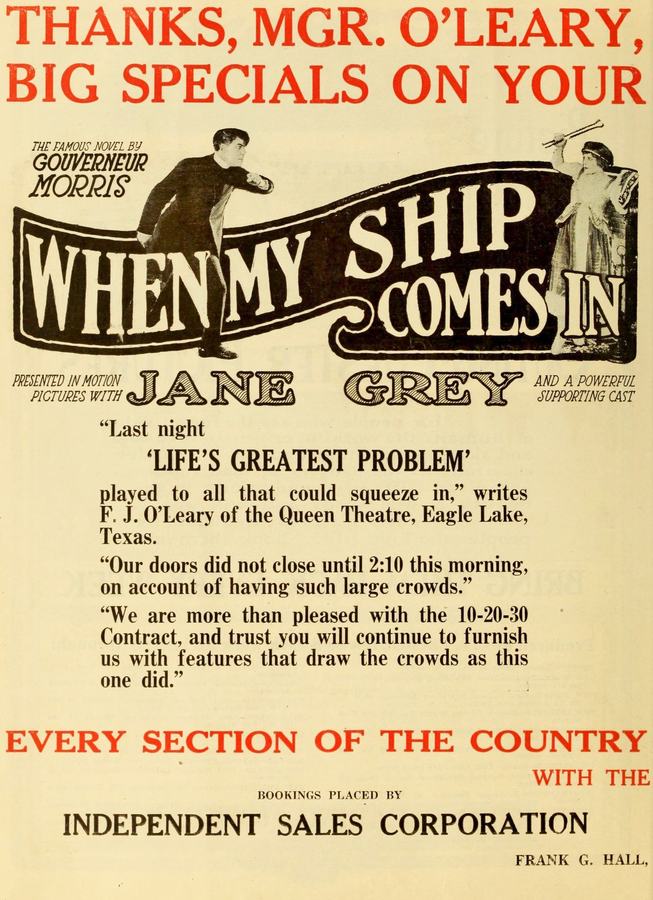
Dir: Robert Thornby
Mining engineer Paul Grayson writes a play that is sent to theatrical producer McKay Hedden, who decides that it is so good it is worth stealing. Hedden makes a copy and then returns the original with a note that it is worthless. At Hanleytown Harbor on the New England coast, Hedden meets Silver Sands, the daughter of an old sea captain, and decides to star her in the play. Paul also visits the harbor and falls in love with Silver. Hedden begins rehearsals with Silver in New York, then a drama critic notifies his friend Paul of the treachery. Paul arrives in New York and rescues Silver from Hedden's advances. Hedden acknowledges Paul as author of the play which is a success with Silver in the leading role.
View Details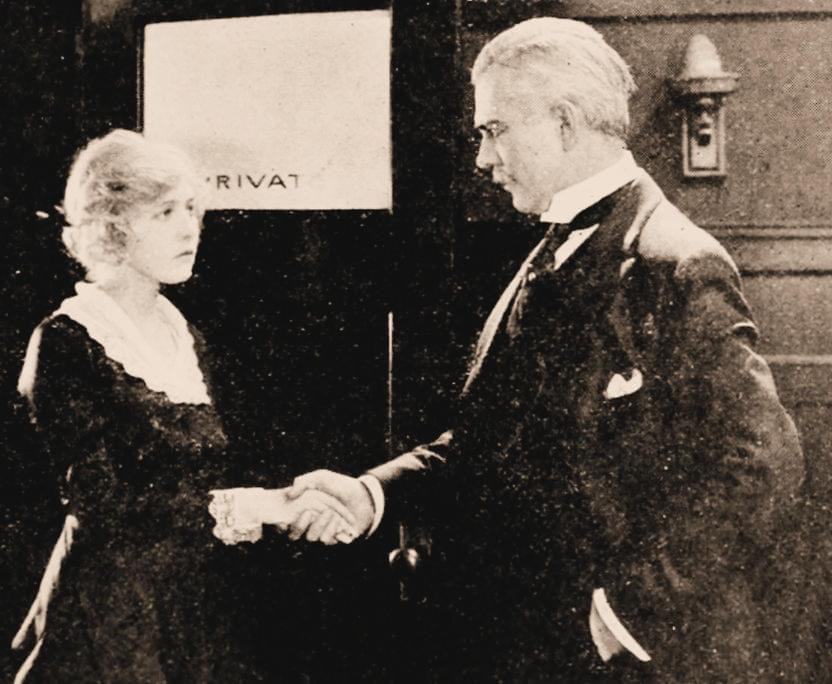
Dir: Robert Thornby
Jill Cummings and her sisters Marguerite and Jane are left penniless when their father dies. To provide for the family, Jill accepts a sales position in a department store, where she attracts the attention of her unhappily-married boss, George Hemingway. Desperate to escape her difficult circumstances, Jill accepts Hemingway's proposal that she live as his mistress and subsequently is kept in high style in a large, beautiful house. Some years later, Hemingway dies, and with the fortune he leaves her, Jill tours Europe. There she becomes engaged to Harry Adams, but when George Hemingway, Jr. appears to act as best man in the wedding, Jill is forced to confess her past to Harry. The two separate for a year to think things over, and when Harry returns, he suggests to Jill that they live together "in a happy way." Jill leaves him and continues her life alone.
View Details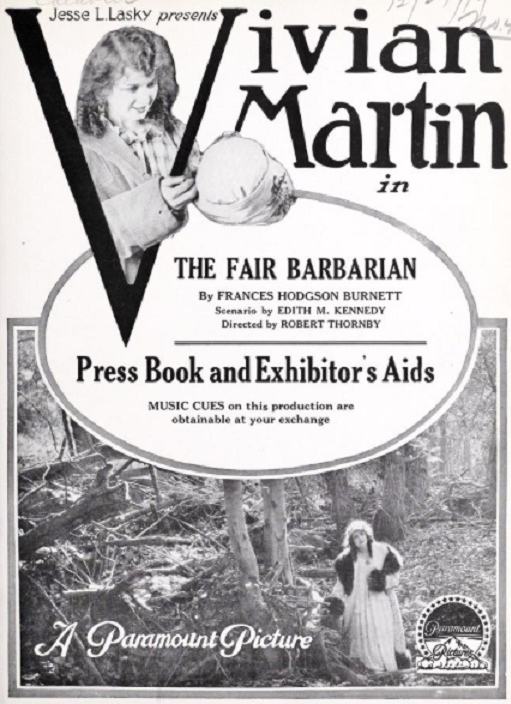
Dir: Robert Thornby
An Englishman who has made his fortune in America decides to return to England. He takes his daughter Octavia to pay a visit to her relatives, especially Miss Belinda Bassett, an aunt whom she has never seen. An important business cable calls the father to America, and Octavia goes on alone to her aunt. The aunt's home, Slowbridge, is a sleepy little English village whose snobbish small-town aristocracy is headed by pompous Lady Theobald, who has everyone under her thumb, including Miss Bassett and her own granddaughter Lucia, a sweet, shy English girl. Octavia has the effect of a dynamite bomb in Slowbridge. Her dresses, her breezy ways, her unconventional conduct, all infuriate Lady Theobald, and at first terrify her aunt. Little by little, however, Octavia becomes a general favorite. She enjoys engineering a love affair between bashful Lucia and a fine young man who has no social standing in Slowbridge just because he is a mere manufacturer and not a "gentleman of leisure." The worst blow to Lady Theobald comes when her nephew Captain Barold becomes exceedingly fond of Octavia. His manner of demonstrating his affection does not please Octavia; he seems to feel that he is doing her a tremendous favor in bestowing his affection upon her. She decides to teach him a lesson. Lady Theobald wants Captain Barold to marry her niece Lucia, who is actually in love with the manufacturer. Lady Theobald is horrified when she sees Octavia snatching this wonderful catch away from Lucia. Just when Slowbridge is about to blow up with agitation, Captain Barold puts his fortune to the test. He asks Octavia to marry him. She refuses, thereby succeeding in injuring his bump of conceit. Octavia's father arrives with the news that he is more than a millionaire; that his mining stock has recently doubled in value. With him comes Jack Belsays, an energetic American youth who is a type as foreign to Slowbridge as Octavia. What is the surprise of the small township to learn that Octavia has been engaged to Jack all the time, and never at all anxious to fasten herself upon English small town society or to intrude into their affairs. A marriage ceremony follows in Miss Bassett's little villa with young Poppleton, the curate officiating. Through Octavia's good offices, another wedding follows later, that of Lucia and the young manufacturer, whom even Lady Theobald has come to realize is fully worthy of respect, and of the hand of her granddaughter Lucia.
View Details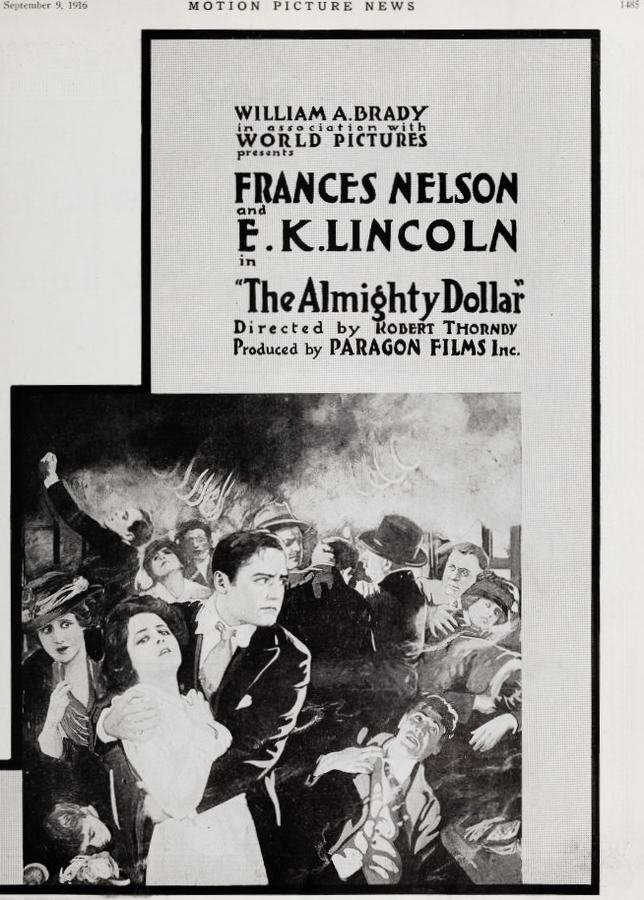
Dir: Robert Thornby
As Nan Lorimer's mother lies dying, she makes Nan promise to take care of her younger sister Masie. Unfortunately, Masie falls for the shady Dr. Thornton and travels secretly around New York City to meet him. One night she is rescued during a subway accident by wealthy John Harwood, a miner, who falls in love with her and marries her. Although the two are deeply in love, John begins to neglect his wife for his mining business, and soon Masie begins to see Dr. Thornton again. Complications ensue.
View Details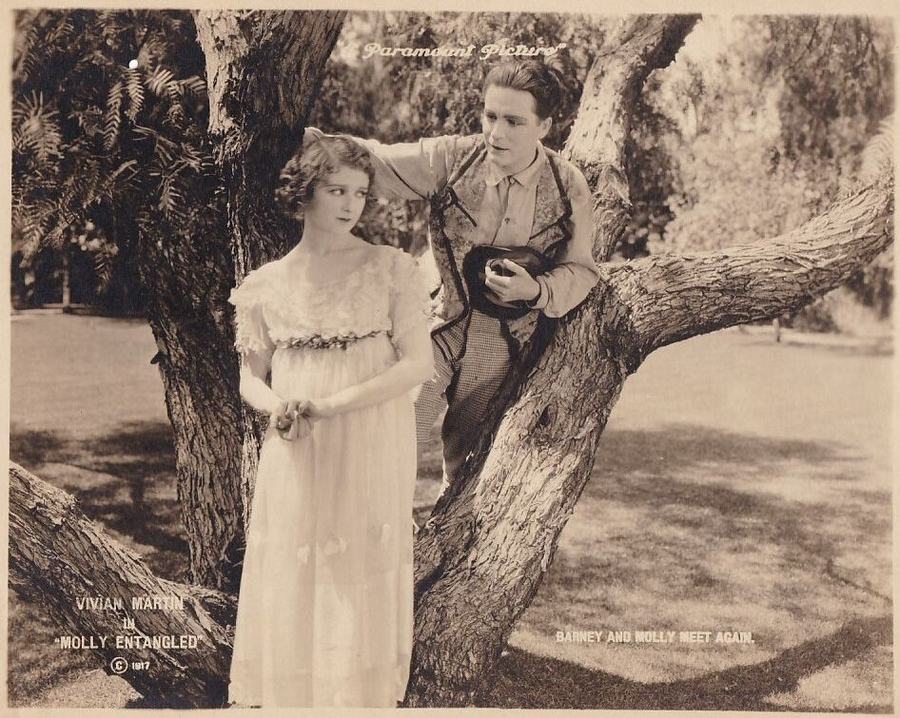
Dir: Robert Thornby
According to old Mr. Barry's will, if his son Jim fails to marry, the vast Barry estate will revert to the O'Maras. When one night Jim, an irresponsible drunk, falls down the stairs and is given until morning to live, Mrs. Barry, in order to protect the property from the O'Maras, pleads with Molly Shawn to marry her son. Molly, although in love with Barney Malone, agrees out of a sense of indebtedness to the Barry family, and the two are married. Much to everyone's surprise, Jim recovers and Molly pines for her sweetheart Barney until it is discovered that the priest who performed the ceremony was really a criminal who, to escape the law, had disguised himself in priests' robes. Overjoyed, Molly is disentangled and now free to marry Barney, the man she loves.
View Details
Dir: Robert Thornby
Young Celeste Janvier ( Bessie Love ) lives in an East Side tenement with her immigrant grandfather, a humanitarian and socialist. Like her kindly grandfather, Celeste also has a kindhearted soul, and her friendly nature has earned her the nickname, " the little sister of everybody." When several unpleasant men try to court her, Celeste turns them down. Meanwhile, Hugh Tavers Jr., ( George Fisher ) whose father owns a factory, has died suddenly. The young Tavers poses as a laborer in order to understand why the workers want to strike. He meets and falls in love with Celeste, who works at the factory, and he secures a better job for her. Celeste learns that anarchist Ivan Marask ( Hector Sarno ) plans to kill Travers, she hurries to warn her employer and is shocked to learn that he is the poor laborer whom she loves. Marask comes to respect Travers, who agrees to improve working conditions for the factory workers, and finds lasting contentment with the lovely Celeste.
View DetailsAnalysis relative to The New South
| Film Title | Atmosphere | Complexity | Similarity |
|---|---|---|---|
| Fighting Cressy | Gritty | Layered | 86% Match |
| Lawless Love | Gothic | Abstract | 98% Match |
| A Kiss for Susie | Tense | Linear | 98% Match |
| Simple Souls | Gothic | Dense | 87% Match |
| When My Ship Comes In | Tense | Dense | 92% Match |
This guide was algorithmically generated using the cinematic metadata of Robert Thornby's archive. Last updated: 6/21/2026.
Back to The New South Details →