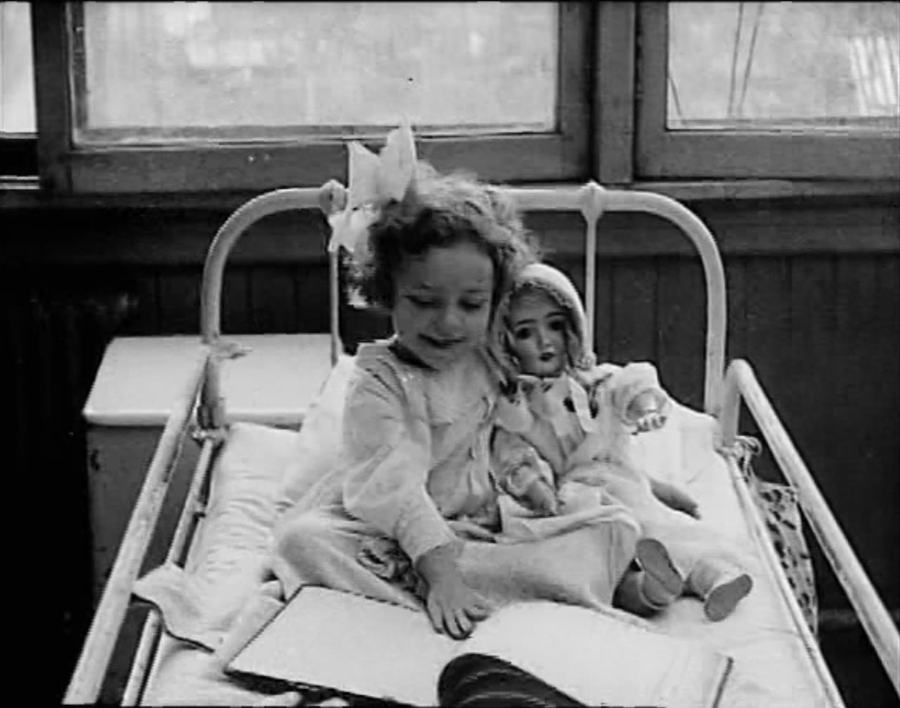
In October 1925, due to a depression in the textile industry a 10 percent wage cut was imposed by mill owners. The strike that followed went for thirteen months and was vigorously and violently opposed by mill owners and police authorities.
Margaret Larkin
United States
Is this century-old labor document still a vital piece of cinema? Short answer: yes, but primarily as a historical artifact of resistance rather than a traditional narrative. This film is for the historian, the political activist, and the student of early documentary forms; it is certainly not for those seeking the esc...

product
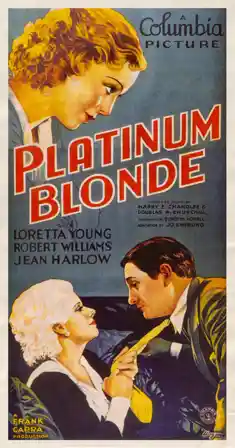
Comparing the cinematic DNA and archive impact of two defining moments in cult history.
Samuel Russak
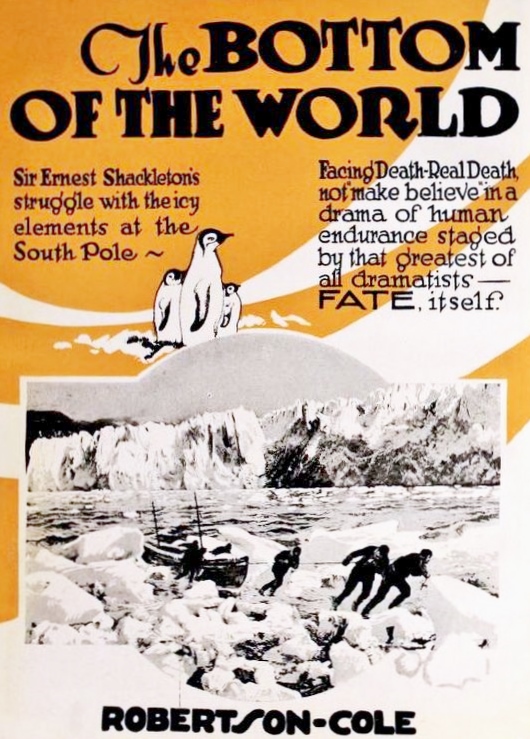
Unknown Director
Community
Log in to comment.
"Is this century-old labor document still a vital piece of cinema? Short answer: yes, but primarily as a historical artifact of resistance rather than a traditional narrative. This film is for the historian, the political activist, and the student of early documentary forms; it is certainly not for those seeking the escapist polish of a 1920s Hollywood romance. Is this film worth watching? Yes, if you want to understand the roots of American social realism. It is one of the few surviving example..."
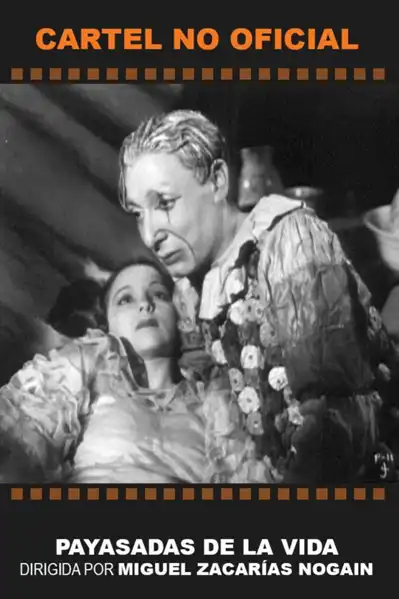

Deep dive into the cult classic
Discover similar cinematic experiences
A Directorial Spotlight on Samuel Russak