DbcultAccessing Vault...
4.8/10
Senior Film Conservator
A definitive 4.8/10 rating for a film that redefined the boundaries of cult cinema. Kalyan Khajina remains a cornerstone of transgressive art.
Kalyan Khajina: A Quasi-Historical Adventure Film
In the dense, labyrinthine corridors of time, Kalyan Khajina emerges as a cinematic odyssey, weaving the threads of history, romance, and adventure into a narrative that transcends the boundaries of its era. Directed with a palpable sense of reverence for its subject, the film immerses viewers in the grandeur and turmoil of 17th-century Maratha India, focusing on the legendary exploits of the empire's founding emperor, Shivaji.
Master Vithal, in the titular role, brings a commanding presence to the screen, embodying the indomitable spirit of Shivaji. His portrayal is a testament to the actor's depth and range, capturing the emperor's strategic acumen and personal magnetism. The film's backdrop, set predominantly within the imposing confines of a cave, serves as both a physical and symbolic landscape, where political machinations and personal narratives intertwine.
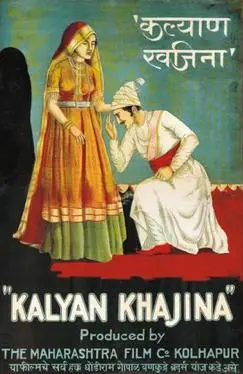
The plot's dramatic highlight occurs when Shivaji, while inspecting stolen Mughal wealth, encounters a fair maiden emerging from one of the crates. Sultana, in this pivotal scene, brings a refreshing element of mystery and romance to the narrative, challenging the rigid structures of gender and power. This encounter is not merely a romantic interlude but a catalyst for deeper explorations into themes of loyalty, duty, and the blurred lines between personal and political aspirations.
Other notable performances include Krishna Parshuram Bhave as the Subedar of Kalyan, who brings a nuanced depth to his character, grounding the narrative in the complexities of court politics. The supporting cast, led by actors such as Baburao Painter and N.D. Sarpotder, contribute significantly to the film's texture, each bringing their unique charm and gravitas to the ensemble.
Kalyan Khajina is a film that demands to be seen, not just for its historical significance but for its visual splendor and emotional resonance. The cinematography, offered by the visionary Baburao Painter, captures the raw beauty of the Indian landscape, framing the narrative with a sense of awe and reverence. The score, composed by N.D. Sarpotder, complements the visual elements, enveloping the audience in a soundscape that is as evocative as it is memorable.
Comparatively, Kalyan Khajina stands alongside other notable quasi-historical films such as Crime and Punishment (1923) and Not Guilty (1921), which also delve into the complexities of moral and political dilemmas. However, Kalyan Khajina uniquely blends these elements with an authentic sense of historical authenticity, making it a must-watch for those interested in period dramas with a touch of romance.
Ultimately, Kalyan Khajina is a film that invites viewers to step into a world where the lines between history and fiction blur, creating a narrative that is both compelling and thought-provoking. It is a testament to the enduring appeal of storytelling that can transport us across centuries, reminding us of the timeless struggles and triumphs that define human experience.

IMDb 5.8
1926
Community
Log in to comment.